As an Amazon Associate, we earn from qualifying purchases. Some links on this site are affiliate links at no extra cost to you. Our recommendations are based on thorough research and editorial judgment.


Collecting and Preserving Vintage Underwear

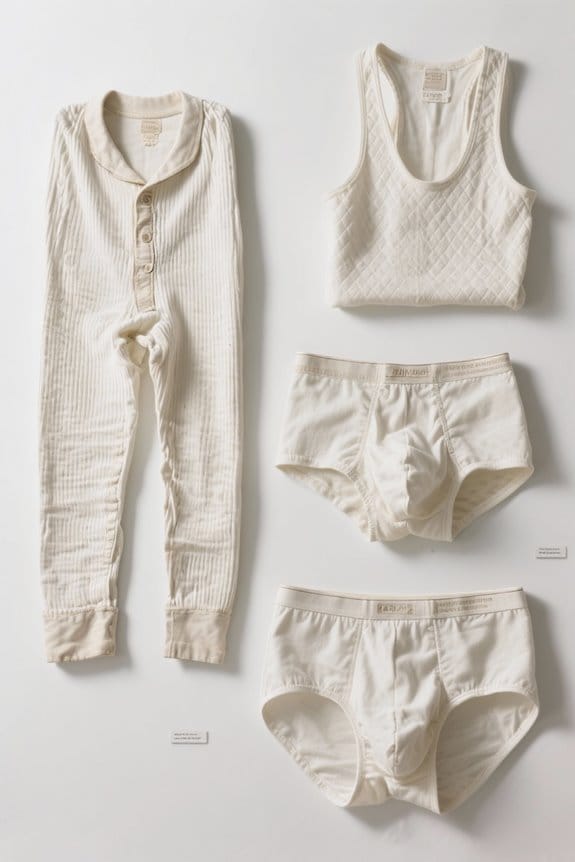
Collecting and preserving vintage underwear requires care, focus on identification, condition grading, gentle cleaning, and proper storage. Identification: note era, fabric, construction, buttons, lace. Condition: grade mint to poor, photograph flaws, test seams. Cleaning: spot test colors, hand wash in cool water, avoid agitation. Storage: use acid‑free tissue, archival boxes, padded supports, control 65–70°F and 40–50% RH. Handle gently, inspect regularly, and further guidance follows for techniques and repairs next sections.
Key Takeaways
- Understand eras, fabrics, and construction details to accurately date items and avoid misclassification or improper care.
- Prioritize condition grading (mint, good, fair, poor) and document flaws with photographs before acquiring or conserving pieces.
- Test colorfastness and hand-wash gently in a shallow basin, spot-cleaning from edges toward centers to protect fragile fibers.
- Store flat in acid-free tissue and archival boxes, use padded supports for shaping, and avoid plastics, untreated wood, and metal.
- Establish regular inspections for stains, insect damage, and fiber weakening; rotate displays and keep stable temperature/humidity.
Why Collect Vintage Underwear?
You may be interested
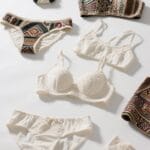
The prospective collector should understand clear motivations, practical benefits, and preservation challenges before building a vintage underwear collection, as each factor affects selection and care.
Reasons to collect
- Emotional connection: pieces evoke memories, femininity, and artisanal craftsmanship, offering value beyond looks.
- Fashion history: garments serve as tangible records of changing beauty standards, materials, and construction techniques.
Practical benefits
- Rarity drives investment potential, with branded or well preserved items commanding higher prices.
- Sustainable choice, reusing quality garments reduces fast-fashion waste.
Preservation note
– Fragile fabrics like silk and elastic degrade, so proper storage, gentle handling, and documentation prevent further loss.
Collectors should catalog provenance, note repairs, and consult conservators for valuable or rare pieces. Proper policies extend lifespan and maintain value. Collectors may also consider features like high-rise designs, which are highlighted in modern plus-size underwear for their full coverage and comfort.
Identifying Eras, Fabrics, and Styles

Overview: this guide helps the reader identify eras, fabrics, and styles, listing clear visual cues, materials, and construction features to evaluate pieces accurately.
Key eras and vintage silhouettes
- Regency–Mid‑Victorian: chemises, smocks, open drawers in cotton or linen, high necklines, long sleeves.
- Late Victorian–Edwardian: closed knickers, buttoned sides, corsets with whalebone, lace trims.
- 1920s–1950s: boyish 1920s flats, 1930s–40s girdles and rayon or nylon, 1950s glamour with slips.
Materials and construction
- Fabric types: cotton, silk, lace, flannel, early synthetics; note seams, boning, and closures.
- Identifying cues: button placements, boning channels, elastic panels, printed patterns, coordinated sets.
- Consequences: misdating may lead to improper storage, wrong cleaning, or loss of value; when uncertain, compare labels, stitching, and weave under magnification.
- Consult era reference guides and dated advertisements for confirmation.
Many later pieces incorporate breathable fabrics and flexible elastic bands that enhance comfort and movement throughout the day.
Assessing Condition Before Acquisition
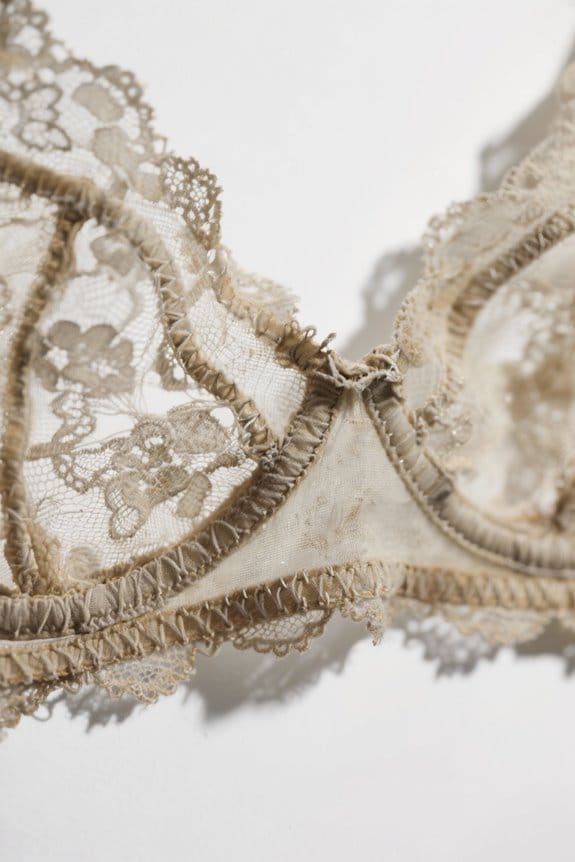
Condition assessment is a practical checklist that guides the buyer through visible flaws, structural tests, and documentation needs before committing to a purchase.
Quick checklist:
- Note condition grading using five tiers, name mint, good, fair, poor, cite examples of wear and stains.
- Inspect fabric integrity closely, test fiber weakening, elasticity, stretch retention, seams and hand-stitching for stress.
- Photograph all holes, abrasions, tears, and stains from multiple angles, measure damage, mark impossible-to-remove marks.
- Evaluate repairability, list professional mending limits, estimate value loss for permanent staining or structural failure.
- Separate rarity from condition, do not upgrade grading for scarce examples, prioritize preservation over speculative use.
Conclude with conservative, clear documentation, honest written descriptions, and complete photographic records before acquisition.
Additionally, when considering wear and storage, prioritize high-waist and seamless designs for gentle support and to reduce fabric stress.
Gentle Cleaning and Spot Treatment
A shallow basin provides a safe washing environment, allowing the collector to control water temperature, agitation, soak time, and soap concentration.
Collectors should also consider fabrics with moisture-wicking properties when appropriate to help reduce long-term odor and deterioration.
Preparation
– Inspect fabric and stains, test color fastness, choose appropriate detergent choices such as pH-neutral soap or mild shampoo.
Hand Washing
– Use lukewarm or cool water, small soap amounts, gentle finger massage, soak five to thirty minutes according to soil level.
Spot Cleaning
– Apply vinegar-water or mild detergent sparingly with a clean towel, work gently from edges toward center, repeat light applications rather than rubbing.
Rinsing and Drying
– Rinse until water runs clear, roll in towels to remove moisture, lay flat to air dry away from sun to prevent distortion and dye loss.
Collectors should document cleaning steps and observe long-term fabric response.
Recommended Products
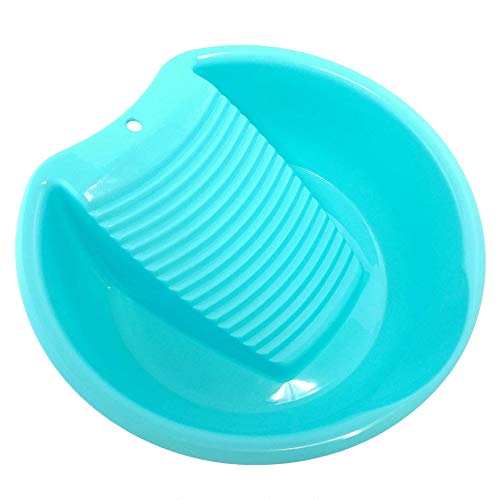
Small Size: 12.8" x 12" x 4.2" with 4 quart capacity

Our Lingerie Detergent is Specially Formulated To Provide Double The Cleaning Power, Effectively Removing Dirt, Stains,From Delicate Fabrics Such As Lingerie And Underwear.

DELICATES BAG FOR WASHING MACHINE: Our fine-mesh bags help preserve any undergarment, including lingerie, underwear, baby socks, hosiery, bras, tights, and stockings. This bag keeps delicate fabrics like lace from being ripped and bra hardware from snagging on other clothing in the wash.
Proper Storage Materials and Containers
Proper storage materials and containers keep vintage underwear safe, prevent chemical and physical damage, and make garments easier to inspect and rotate.
Materials Overview
- Use acid free materials, including unbuffered tissue for silk and buffered for cotton, to prevent acid migration and yellowing.
- Prefer archival boxes that are lignin-free, deep enough to avoid crushing, and without cellophane windows.
Containers & Supports
- Store fragile pieces flat in boxes with padded tissue “sausages” to reduce creases.
- Hang sturdier items on padded, unbleached cotton-covered hangers, covered with muslin garment bags.
- Roll larger items on acid-free cardboard tubes to avoid sharp folds.
Handling Notes
– Avoid plastics that trap moisture, avoid wood and untreated metal, label containers to limit handling.
Gloves should be worn during handling to prevent oils. When selecting storage and handling practices, prioritize materials with a high cotton percentage to improve moisture absorption and reduce the risk of damage.
Recommended Products

Bride Musthaves:The wedding gown preservation box contains 1 wedding dress storage box (size: 29.9in*15.7in*7in), 1 pair of microfiber dust-free cloth gloves for operating,30 sheets of acid-free tissue paper to prevent the wedding dress from turning yellow.These are all essential items for professional wedding dress preservation

Perfect Wedding Gown Storage Option: The wedding dress storage box with acid-free paper sheets comprehensively protect your wedding dress free from dust, smells and stains, preserve them for much longer, maybe one day, you even pass it as good as new on to your future generations

Brand Background: Lineco is a leading and trusted brand for archival quality art, photography, and framing supplies
Ideal Environmental Conditions for Preservation
Collectors who have selected suitable storage materials must also manage the surrounding environment, because temperature, light, humidity, and airborne contaminants directly affect the long-term stability of vintage underwear.
Key parameters
- Temperature: maintain 65°F to 75°F (18°C to 24°C), aim for temperature stability, avoid spikes that embrittle fibers and accelerate decay.
- Humidity: keep relative humidity at 40%–50%, above 55% invites mold and pests, below 35% risks brittleness.
- Lighting conditions: store in dark or low-light spaces, avoid sunlight and bright artificial light, limit exposure when displaying items.
- Air quality: use HEPA or carbon filtration, avoid wood, fresh paint, and smoking areas that emit harmful chemicals.
- Biological control: remove soiling, inspect regularly, trap pests before infestations occur.
- Monitoring: log conditions weekly, use hygrometer and thermometer, record anomalies and correct promptly today.
Additionally, understanding textile specifics such as seamless construction and high nylon content can inform handling and storage decisions to prevent degradation.
Recommended Products
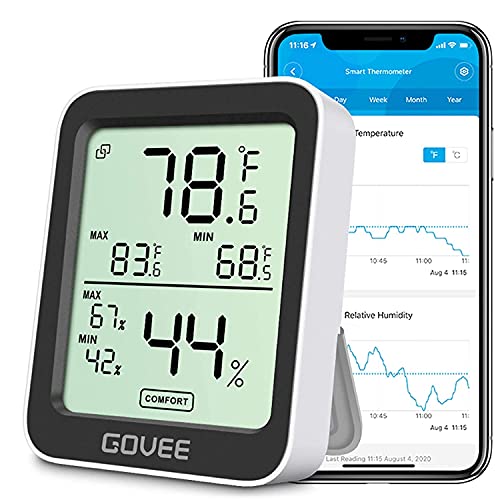
Smart Features: The Govee Wireless Thermometer Hygrometer supports all basic functions as well as smart functions such as remote monitoring and temp humidity graphs. Our humidity meters are reliable and easy to use for homes, greenhouses and more.(Only supports 164ft Bluetooth connection)

Fast Refresh & High Accuracy: The digital hygrometer indoor thermometer keeps monitoring room temperature and humidity, updated every 5 seconds. Stay informed with real-time data and historical 24-hour MAX/MIN values, ensuring accurate data for decisions on humidifiers or air conditioner

1-【Widely Application】The digital LCD monitor can be used in home, office, garage, schools, hotels, laboratories, kindergartens, aquaculture, instrument workshop, warehouse, reptile tank terrarium, aquarium, hermit crab habitat, and other places where temperature/humidity measurement is required.
Folding, Rolling, and Support Techniques
Folding, Rolling, and Support Basics: Folding and rolling offer complementary techniques for preserving vintage underwear, guiding the reader in balancing space, shape retention, and fabric care.
Fold and Roll Methods:
- Square Method creates compact stacks for briefs and thongs, preserves shape, reduces surface pressure, addresses folding challenges when fabrics are thick.
- Roll Method prevents sharp creases, ideal for silk and lace, highlights rolling benefits for delicate, thin fabrics.
- Tuck Method secures smaller pieces, useful for drawer organization.
Support and Padding:
- Nest cups for bras, store corsets flat or with inserts, use tissue between layers to prevent abrasion and creasing.
- Avoid heavy stacking of embellished items to prevent snagging and distortion.
- Consistent rolling direction and clean flat surface reduce wear and simplify long-term organization effort.
These methods, combined with careful material choices and care, can help maintain fabric integrity and complement moisture-wicking fabrics by reducing trapped moisture and potential fabric degradation.
Long-Term Care, Handling, and Repairs
After folding and rolling are complete, long-term care focuses on inspection, stable storage environments, and careful repairs to prevent gradual deterioration. The collector should follow clear maintenance routines, inspect items in daylight, and avoid unnecessary washing unless fabrics require it. Consider choosing fabrics with 95% cotton for breathability and shape retention.
Inspection and Cleaning
– Check for tears, loose threads, stains, and insect damage; remove dust with a soft brush or low-suction vacuum.
Storage Environment
– Use acid-free tissue and archival boxes, maintain 65–70°F and 40–50% RH, keep items dark and rotate displays every 6–12 months.
Handling and Repairs
- Perform small mends before storage, use conservation-grade threads and avoid adhesives; apply gentle, documented repair techniques to prevent stress.
- Freeze suspect items cautiously after consultation, ascertain complete drying, store off the floor to reduce pests and moisture regularly.
Frequently Asked Questions
How Do I Verify Provenance or Authenticity Documentation for Significant Vintage Pieces?
A collector verifies documentation by cross-checking provenance stamps and authenticity labels against brand archives, consulting experts or databases, examining label materials and stitching, and obtaining provenance papers or independent authentication reports from reputable trusted sources.
Is It Safe to Wear Vintage Underwear Regularly or Incorporate Into Modern Outfits?
Like a timeworn rose, they should avoid wearing vintage underwear regularly due to health considerations and fashion risks; occasional display or restoration and thorough laundering reduce microbial, chemical, and fit hazards while preserving aesthetic value.
How Should I Insure or Appraise a Valuable Vintage Underwear Collection?
They should obtain professional valuation methods, secure specialist insurance coverage, document provenance and condition with photos and reports, store receipts, have trusted experts appraise periodically using market comparables, and register values with insurers and conservators.
Where Are Reputable Places or Auctions to Buy Rare Vintage Undergarments?
They investigate whether the best sources are vintage lingerie retailers or online auction platforms; reputable options include Kerry Taylor, Penelope’s House, AuctionNinja, EBTH, Augusta, Dana, Lelands and aggregators like Bidsquare for rare undergarments with provenance.
Are There Legal or Ethical Concerns With Selling or Displaying Intimate Vintage Garments?
Yes, legal and ethical concerns exist: sellers must respect intimate consent, guarantee ethical sourcing, comply with platform and CPSC rules, disclose condition and provenance, protect privacy, avoid fetishized presentation, and report income to tax authorities.