As an Amazon Associate, we earn from qualifying purchases. Some links on this site are affiliate links at no extra cost to you. Our recommendations are based on thorough research and editorial judgment.

European Underwear Design Philosophy

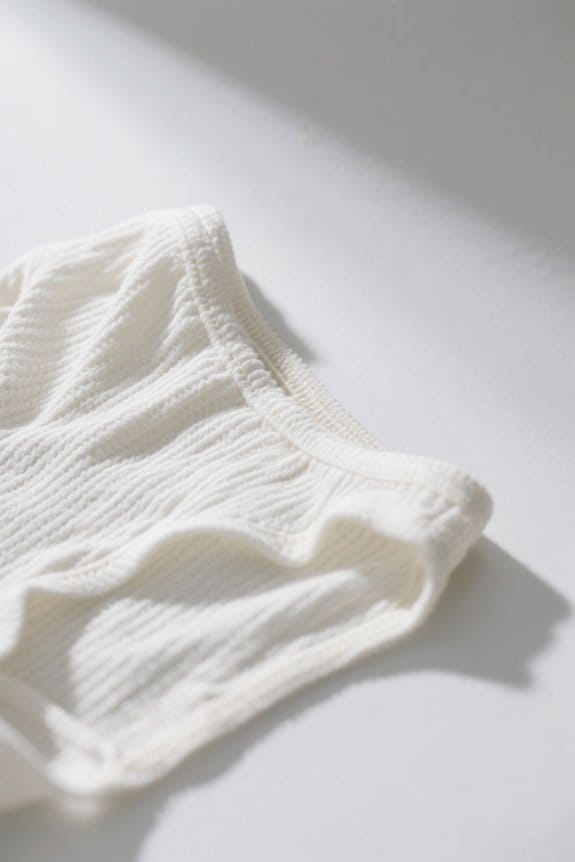
The European underwear design philosophy is practical and material-driven, it emphasizes hygiene, fit, and social signaling. Foundations: linen and simple cuts prioritize comfort and durability. Structure: corsetry and stays introduced measured support, shaping silhouette. Materials: silk denotes status, technical fabrics add wicking and odor control. Production: industrialization created sizing standards and affordability. The reader gains clear consequences for choice, care, and fit, and can continue for deeper patterns and methods, and practical application guidance today.
Key Takeaways
- Emphasis on refined materials and craftsmanship, with linen, silk, and modern eco-fabrics signaling quality and heritage.
- Balance of clean, tailored silhouettes and functionality prioritizes comfort over excessive ornamentation.
- Layering and subtle structure draw on historical European undergarment traditions for fit and support.
- Sustainability, certifications, and durable construction increasingly guide material and production choices.
- Brand storytelling and regional aesthetics (Parisian minimalism, Italian tailoring, Scandinavian pragmatism) shape design identity.
Medieval Foundations: Function Over Fashion
You may be interested


The reader should understand that medieval underwear prioritized practical needs—hygiene, protection, and social signaling—over aesthetic trends, shaping materials and construction across classes.
Materials and Class
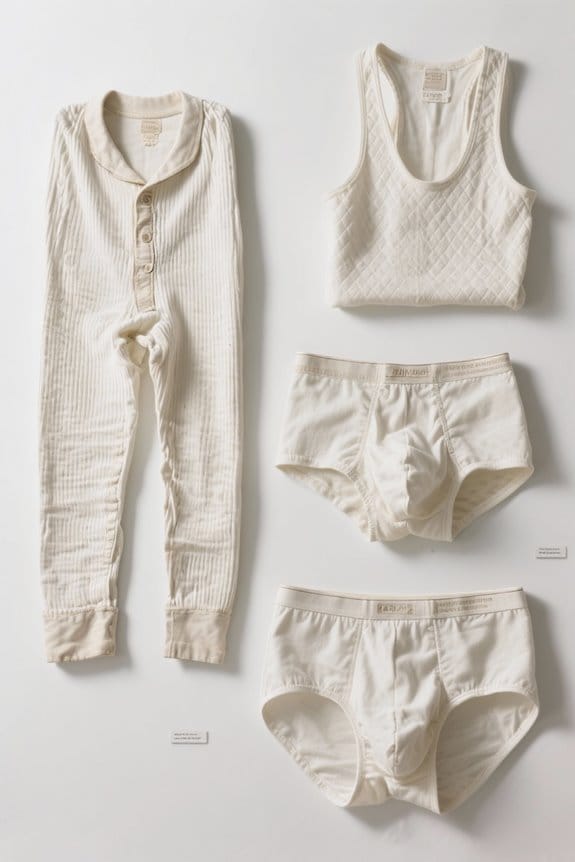
– Linen dominated for underwear functionality and social hygiene, coarse linen for commoners, fine embroidered linen for nobility, silk and wool used sparingly.
Designs and Purpose
– Chemises protected skin and eased washing, braies provided mobility and warmth, codpieces later covered exposed seams, female underpants were rare.
Consequences
– Quality signaled rank beneath clothing, durability and ease of repair mattered for commoners, complex layered underwear reinforced status for elites.
Practical Notes
- Choose breathable linen for hygiene, prioritize simple cuts for comfort, reserve ornate elements for visible status cues.
- Maintain stitches, mend to extend garment life and appearance.
Contemporary comparisons note breathable fabrics in modern menstrual underwear echo linen’s benefits.
The Rise of Structured Support in the Renaissance

One major change during the Renaissance was the shift to structured support, introducing corsets and stays that shaped the female silhouette.
Purpose and Design
- Corset construction focused on support and modest shaping, balancing comfort with controlled form.
- Stays and kirtles worked with chemises and petticoats to smooth and layer the body.
Techniques and Materials
- Layering used silk or linen, petticoats added volume, side lacing improved fit.
- Silhouette shaping emphasized a narrow waist, supported bust, and fuller hips.
Practical Consequences
- Structured undergarments reduced reliance on heavy outer garments, enabled more precise tailoring.
- Craftsmanship combined utility and aesthetics, informing later developments in European underwear.
- Historical records show regional variation, artisans adapted patterns, patrons requested comfort, status, and mobility in equal measure.
This influenced future garment engineering. Modern underwear innovations such as seamless design emphasize comfort and reduced irritation and reflect a continued focus on supportive, breathable construction.
Recommended Products

Unique Design Concepts:The corset belt, especially this women's belt with a renaissance corset design, offers a unique look. The leather widening design provides better abdominal support, and the curved leather edges create a visually slimmer waist. It's an essential accessory to instantly transform your costume

Renaissance Design: Intricate jacquard fabric with lace-up back, crafted for historical reenactments, cosplay & themed weddings

DESIGN - Crafted to shape and define your figure, this corset is reinforced with 10 fishbones, ensuring a stunning silhouette without compromising on comfort
Silhouette and Status: Materials as Social Signals
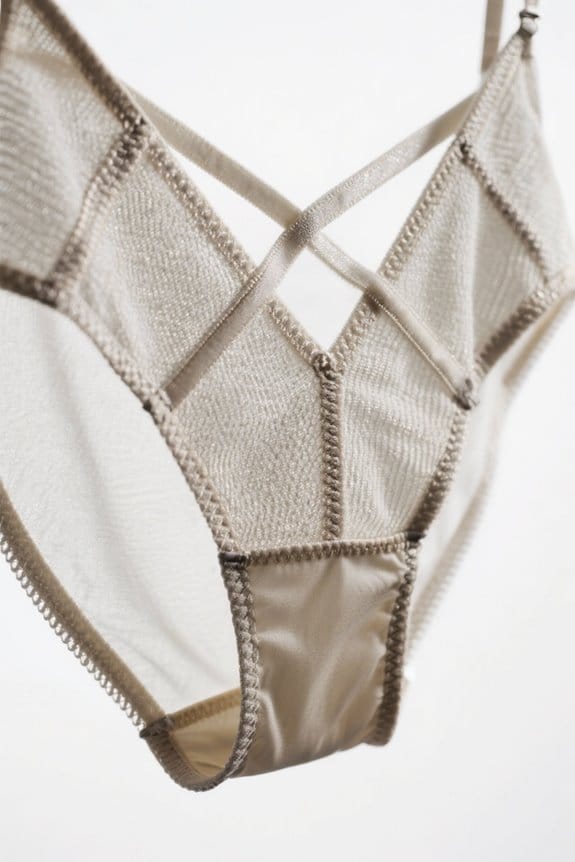
Visibility of materials governs how undergarments communicate social rank, often more clearly than cut or color, because fabric choice was tied to cost, trade, and maintenance.
Key principle: material symbolism informs silhouette and perceived rank, so you should read fabrics as signals.
- Roman: linen signaled common status, wool less costly, silk marked elites, leather used for aquatic sports.
- Medieval: women’s linen shifts were standard, silk braies flagged noble men, thin transparent chemises showed rising middle-class taste.
- Hygiene and maintenance: white fine linen required resources, daily laundering signaled wealth.
- Regional notes: Italian and Dutch fashions used silk or linen to show Continental connections.
Consider gendered distinctions when evaluating which fabrics convey privilege. Also note corset construction amplified status through complex materials. Materials like moisture-wicking fabrics later gained cultural and practical value for comfort and performance.
Victorian Layering and Modesty Principles
Victorian layering used a sequence of undergarments, each serving a clear role in modesty, hygiene, and practical movement control for wearers. Structure and Purpose: The base chemise protected outerwear and absorbed sweat, drawers with split crotch allowed privy use, corsets shaped the torso and corset covers smoothed lines. Modesty Techniques: Multiple layers hid skin and contours, quilted vests added volume and coverage, horizontal buttonholes prevented gaps. Practical Effects: Petticoats and crinolines created volume but increased weight and heat, corsets shifted pressure to shoulders or hips, many pieces limited mobility. User Guidance: Lift and gather skirts to use privies, replace cloth pads frequently, choose fewer layers for comfort while maintaining Victorian modesty and layered functionality. Inspect garments regularly for wear, repair seams, assess fit periodically. Modern designs often favor fabrics like Micro Modal to provide improved softness and breathability while preserving a sleek silhouette.
Industrialization: Mass Production and Design Standardization
When industrialization accelerated in the 19th century, mass production transformed underwear manufacturing, distribution, and everyday access for broad populations. Overview: The period introduced sewing machines, elastic, and synthetic dyes, enabling faster output, cost reduction, and wider choice. Key changes:
- Standard sizing systems reduced bespoke fittings, allowing factories to scale outputs efficiently.
- New materials improved flexibility, appearance, and durability, examples include cotton expansion and elastic bands.
- Branding and retail channels, such as department stores and catalogs, democratized availability.
- Sizing milestones, such as cup indicators and preshrinking treatments, increased consistency across manufacturers and time.
Consequences: design standardization lowered prices, expanded markets, and guided advertising toward practicality. Practical note: The reader is shown how industrial techniques set foundations for later fit-focused developments. Details aid planners. Design advances also incorporated features like Flexible Waistbands and moisture-wicking fabrics to improve fit and comfort.
Recommended Products

REALLY COOL MATERIAL: The fabric of this women's low rise full coverage underwear is woven with cotton,not only soft & breathable,but also cool & stretch,super comfy,you'll even forget you're wearing them
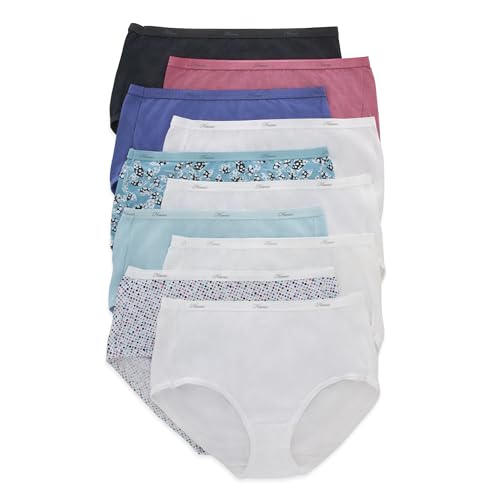
QUALITY FABRIC - Women's brief underwear is crafted with ringspun cotton. Heather shades are a cotton/polyester blend.

Fabric about cotton underwear women pack:These cotton women's underwear are made of 95% Cotton, 5% Elastane. In particular, the crotch is designed with a 100% premium cotton double layer, a detail that not only enhances the comfort of wearing, but also provides a purest, healthier care for your private parts. Each piece of fabric is carefully selected and combed to ensure optimal air permeability and moisture absorption, allowing your skin to breathe freely throughout the day.
The 20th Century Shift Toward Comfort and Fit
Many garment makers and consumers shifted priorities toward fit and comfort in the early to mid-20th century, changing underwear design fundamentals.
Key developments:
- Brassiere innovations replaced corsets, introducing cup sizing, lightweight fabrics, and alternatives that supported shape without constriction.
- Elastic materials and lighter weaves like nainsook improved stretch, fit, and wearability, reducing reliance on boning.
- Manufacturing advances, including sanforization and mass production, standardized sizes, stabilized fit, and lowered costs.
Practical outcomes:
- Greater mobility for active lifestyles, garments suited to sports and work, and broader access across social classes.
- Clear tradeoffs remained between shaping and comfort, prompting continued incremental design refinements.
- Designers experimented with flexible panels, adjustable straps, and nonmetal fastenings, yielding progressively better individualized support and simplified care instructions for consumers, and manufacturing efficiency.
Later innovations included moisture-wicking fabrics and temperature-control systems like Cool Comfort to manage sweat and heat during activity.
Recommended Products

Wireless Comfort & Seamless Silhouette:Discover effortless comfort in these wireless bras for women, designed with ultra-soft, Stretch-friendly fabric for a barely-there feel. The smooth finish of this seamless bras for women style ensures no-show wear under any outfit. Lightly molded with a Semi-Fixed Bra Pad, it stays in place while offering a natural round shape. Ideal for Ladies who value flexibility and daily ease in comfy bras for women.

Seamless Back & Side Smoothing: Seam-free construction and smoothing fabric create a sleek, polished look that eliminates lines and minimizes back and side bulge for a smooth, invisible fit under clothing.

Wireless Bra with Full Support and Lift: Our women's bras feature flexible jelly bands that gently contour to your body without digging in, combined with 3D molded cups for a natural uplift and all-day support without underwire irritation. The semi-fixed pads stay perfectly in place after washing, maintaining their shape and resisting wrinkles, all while providing reliable support
Men’s Undergarment Trajectory and Masculine Expression
How did men’s undergarments move from simple coverage to active statements of masculinity, and what practical details should the reader track when studying that trajectory? The trajectory shows design evolution and shifts in masculine symbolism, from loincloths to codpieces and modern briefs.
Historical milestones
– Note functional shifts: loincloths, Roman shorts for mobility, Renaissance codpiece as status and exaggeration.
Design cues to track
– Fit, silhouette, ornamentation, fabric rules, visible branding; each indicates masculinity messaging.
Consequences
– Changes affect social rank, sexual signaling, and later commercial fashion trends, evident in European luxury and mass markets.
Study methods
– Track garments, portraits, sumptuary laws, adverts, designer archives, museum pieces, pattern changes and public reactions.
This timeline helps readers map cultural meanings to specific design choices directly. Modern athletic designs also prioritize U-shaped pouch and breathable, moisture-wicking materials to balance support and comfort.
Technological Advances in Fabric and Construction
– Smart and functional textiles: temperature-regulating, moisture-wicking, and antibacterial fabrics extend wear-time, reduce irritation, and lower laundry frequency, which affects daily comfort and perceived hygiene.
Materials
– Bamboo, TENCEL™ Modal, organic cotton, recycled fibers, certified and skin-safe, meet REACH, bluesign®, OEKO-TEX.
Construction
– Laser-cut edges, heat bonding, 3D knitting, 3D printing and robotics enable seamless shapes, precise fit, and reduced friction.
Performance
– smart textiles provide anti-odor, moisture management, hydrophobic treatments, and body-mapped compression for performance enhancement.
Practical consequences
– Longer wear cycles, fewer washes, improved hygiene, consistent elasticity, and clear sustainability gains when closed-loop recycling is used.
Advice
– Check labels for certifications, wash per care instructions to preserve stretch, expect higher cost for certified smart textiles, evaluate durability and repair options before purchase.
Consider trial packs when available. Many modern designs prioritize wire-free construction to reduce irritation and enhance comfort for everyday wear.
Recommended Products
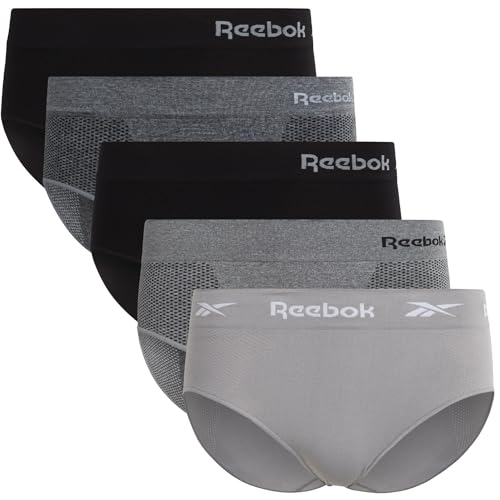
Everyday Essentials In A Convenient Multipack: Reebok's underwear women 5-pack combines comfort and practicality for every occasion, giving you a full week of reliable womens underwear in one purchase. The smooth-fitting hipster design offers total flexibility for lounging, working out, and everyday wear, making it the easiest way to stock up on a complete underwear women pack or panties for women pack all at once.
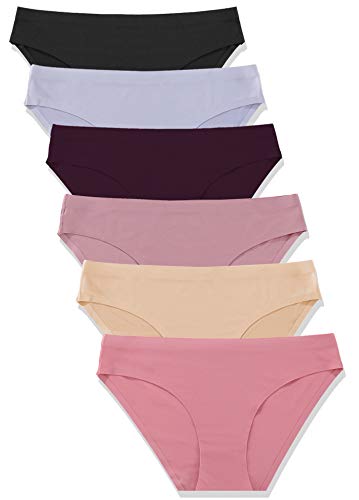
Size guide [Waist Measurements]: XS = 24 - 26"; S = 26.5-29"; M = 29-31.5" ; L= 31.5-35" ; XL = 35-39"; XXL = 39-43". [Hip Measurements]: XS= 34-36"; S = 36-38" ; M= 38-40" ; L = 40-42"; XL = 42-44"; XXL = 44-46".

SEAMLESS UNDERWEAR: It's made of high quality soft stretchy fabric with 100% cotton health and breathable lining. Fabric is silky touch like the second layer of skin to make you feel nothing on. Comfortable to wear and stay in place all day long.
Branding, Advertising, and the Aesthetics of Underwear
A strong brand strategy guides visual design, messaging, and advertising choices, shaping consumer perception and purchase behavior across markets.
Key principles
- Emphasize branding strategies like heritage, craftsmanship, and sustainability to clarify market positioning for premium and emerging labels.
- Use advertising innovation, combining offline events, experiential tactics, and targeted digital campaigns to reach regional audiences.
- Follow aesthetic trends that balance simplicity, sensuality, color play, and sustainable materials for diverse consumers.
- Drive consumer engagement with storytelling, interactive hashtags, user content, and consistent multi-channel presence.
- Leverage celebrity collaborations and capsule collections to boost credibility, create buzz, and accelerate sales.
- Measure outcomes, adjust messaging, and maintain cohesive visuals to protect brand equity and long term loyalty.
- Monitor KPIs regularly, refine segmentation, optimize spend, and report clear ROI monthly.
Care instructions like hand or gentle cold machine wash help preserve color and elasticity.
Recommended Products

STYLING: The Ted Baker Men's Stretch Briefs are designed with a refined aesthetic that speaks to the brand’s commitment to quality. Each pack features a selection of classic and contemporary colors, offering versatility for any wardrobe. The sleek silhouette and understated elegance make these briefs a stylish choice that complements your personal style while remaining discreet under your favorite trousers or shorts.

VALUE PACK: Boxer briefs for men pack includes 5 pairs of black mens cotton stretch boxer briefs with contrasting branded waistbands.

FLEXIBLE UNDERWEAR FOR MEN - Designed for Polo Ralph Lauren men, these men’s boxer briefs use 4D Flex microfiber with Four Way Stretch for Freedom of Movement to deliver a supportive, stay-comfortable fit.
Cultural Values Shaping European Underwear Design
Designers recognize that cultural values shape underwear design across Europe, linking historical symbolism, body ideals, and practical expectations. Overview: The reader sees how cultural symbolism and design evolution inform choices, materials, and fit. Key points:
- Historical markers: corsets, petticoats, silk, signal class and modesty; consequence, silhouettes were tightly managed.
- Body ideals: hourglass focus influenced structure, modern shifts favor comfort and inclusivity, example: soft bralettes replacing stiff stays.
- Function and comfort: breathable fabrics, seamless construction, maintain hygiene and wearability.
- Regional variation: Parisian refinement, Milanese tailoring, Berlin experimental prints, consequence, market segmentation.
Takeaway: Track cultural trends, test fit standards, balance heritage aesthetics with inclusive sizing and practical materials. The reader must set clear measurement guides, update samples, and adjust marketing to reflect varied norms and sizes. Designers often prioritize moisture-wicking technology to enhance comfort and hygiene in activewear underwear.
Frequently Asked Questions
How Did Laundering Practices Shape Underwear Design and Longevity?
Laundering practices prioritized washable, repairable cuts, underwear evolved for easy cleaning; laundry innovations and emphasis on fabric durability extended garment life, favored simple shapes, layered systems, and materials sustaining harsh washing for hygiene and economy.
What Environmental Impact Do Historical Underwear Materials Have?
In summary, historical underwear materials ranged from biodegradable linen and wool to resource heavy leather and cotton, causing varied environmental harm; proponents now emphasize sustainable materials and heed historical regulations to notably reduce impact.
What Role Did Underwear Play in Sexual Identity and Lgbtq+ History?
Underwear functioned as a visible tool for sexual identity and LGBTQ+ history, enabling gender expression, community solidarity, political resistance, and body positivity, allowing individuals to claim public space, challenge norms, and celebrate diverse gendered selves.
How Did Colonial and Global Trade Influence European Underwear Styles?
Like rivers of dye, colonial and global trade reshaped European underwear styles, introducing exotic prints, lighter fabrics and tropical cuts through colonial fashion influences along trade routes, altering silhouettes, materials, and hygiene priorities and practices.
What Were Labor Conditions in Underwear Manufacturing Factories?
They endured poverty wages, forced unpaid overtime and unsafe conditions; factory safety was poor, worker rights were suppressed, unions absent, contracts irregular, and mainly female workers faced health hazards, threats, and relentless daily production pressures.