As an Amazon Associate, we earn from qualifying purchases. Some links on this site are affiliate links at no extra cost to you. Our recommendations are based on thorough research and editorial judgment.

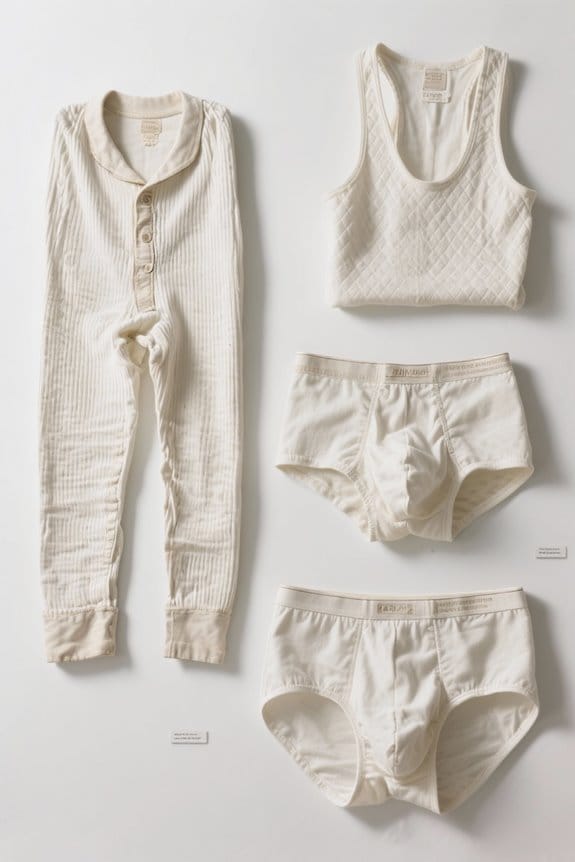
History of Men’s Underwear Style

Overview: The history of men’s underwear is practical and stylistic, the reader should note key phases: • Loincloths and braies for basic coverage and repair, • Codpieces and hose for fit and status, • 18–19th-century drawers and union suits for warmth, • 20th-century briefs, boxers, jockstraps and elastics for support, • Late-century synthetics and boxer-briefs for performance. Each shift altered comfort, hygiene, and social signaling, and further sections explain materials, functions, and cultural impacts. More detail follows in later sections.
Key Takeaways
- Loincloths originated as practical genital covers in prehistory, evolving regionally from hides to woven linen for protection and mobility.
- Medieval men commonly wore braies—linen or wool knee- to thigh-length drawers—often repaired or decorated to show status.
- The codpiece emerged in the 14th century as both practical and a flamboyant masculinity symbol before falling out of fashion by the 1590s.
- 18th–19th centuries saw union suits and shorter cotton drawers prioritize warmth, modesty, and evolving hygiene concerns.
- 20th–21st centuries introduced synthetic fabrics, boxer-brief hybrids, seamless construction, moisture-wicking performance, and branding-focused waistbands.
Prehistoric Loincloths and Early Practical Covers
You may be interested


– The reader should note that loincloths, emerging by at least 38,000 BCE, served as the earliest practical genital covers, made from animal hides, draped or sewn for fit.
Overview
Prehistoric loincloths used prehistoric materials, mainly animal skins, cut and tied, providing simple protection and mobility.
- Materials: hides, thin strips, awls, bone needles, sometimes lacing for durability.
- Construction: cut to shape, holes punched for ties, sewn or laced to improve fit.
- Function: protection from cold, injury, infection, allowed ease of movement for hunting.
Consequences: simple production meant wide use, limited decoration, gradual regional variations followed, leading to later woven fabrics and more complex garments.
– Examples: Cro-Magnon sewing improved fit; Egyptian linen later replaced hides in some regions.
Further study continues.
Modern garments emphasize features like moisture-wicking properties and seamless construction for improved comfort.
Braies and Everyday Wear in the Middle Ages

Although braies were simple undergarments, the reader should understand they played a central, practical role in daily medieval dress, worn beneath tunics and often alone during heavy work.
Function and Fabric
- Braies served hygiene and protection, made mostly from linen for commoners, with wool or silk for higher-status men.
- Lengths varied from thigh to below knee, tied at the waist with a drawstring or belt, legs could be hitched for labor.
Social and Technical Aspects
- Evidence shows repair and decoration, indicating braies craftsmanship and markers of status, patches reveal reuse.
- Braies socialization occurred in art and daily life, universally male, paired with hose tied to the waist, creating varied silhouettes.
- Archaeological finds inform construction, measurements, and everyday repairs, useful for reconstruction studies and teaching.
These garments emphasized breathability to maintain comfort during physical labor.
Recommended Products

Material: Linen Blend Size:Women S,Women M,Women L,Women XL(Please Refer To Our Size Chart Before Purchasing. If you have any questions, please contact us.) Included...
The Rise and Ritual of the Codpiece

When tracing its rise from a practical repair to a fashion statement, the codpiece developed clear functions, social meanings, and evolving constructions that the reader should recognize.
Origins and Function
– Emerged in 14th century to close hose gap, triangular braye attached to hose and doublet, flap allowed urination without removing garments.
Peak and Decoration
– 1540s padding enlarged shape, silk, velvet, jewels emphasized genital area, even boys wore them, armor used stiff projection.
Social Meaning
– Codpiece symbolism tied to masculinity, power, and self-assurance, also provoked fashion satire in literature.
Decline and Legacy
- Fell by 1590s as styles shifted, later garments and modern underwear echoed its emphasis on form.
- Consequences included social status display, satire, later design echoes in jockstrap padded underwear.
Such historical garments share features with modern adaptive underwear, including easy closure designs that assist dressing for those with limited mobility.
Renaissance Shifts: Hose, Doublets, and Fit
This section gives the reader clear, practical guidance on how hose and doublets changed during the Renaissance, and why those changes mattered for fit and social signaling.
Overview
- Hose became joined garments by the late 15th century, replacing separate chausses, affecting fashion evolution and modesty.
- Doublets shortened, tightened, and were padded, shaping the torso and supporting hose with eyelets, tabs, and lacing strips.
Materials and Class
– Wool, silk, linen indicated status; finer fabrics meant higher rank and finer fit.
Fit and Silhouette
- Tight hose and nipped doublets created a sleek body silhouette, emphasizing an elongated, inverted cone shape.
- Consequence: attachment methods and tailoring altered to maintain modesty and precise proportions.
- Regional cuts varied, influencing fit and decorative choices.
Seamless, wireless styles in later garment traditions prioritized seamless construction and soft, stretchy materials for comfort and adaptability.
18th–19th Century Changes: Union Suits to Drawers
Union suit evolution
- Invented in Utica, New York, patented 1868, the one-piece front-buttoning garment provided warmth and modesty for men.
- Knitted cotton or wool variants had full sleeves and legs, and a rear flap for practicality.
- Available in weights for seasons, advertised for health and hygiene.
Drawers practicality
- Early drawers were linen, knee- or calf-length, tied at the waist, worn with separate undershirts.
- By mid-century they became shorter, tighter, made from cotton and wool blends, suited to urban life.
- Choice affected ventilation, mobility, and regional comfort. Regional preference persisted.
Many modern underwear innovations, such as moisture-wicking fabrics, trace their conceptual lineage to the period’s focus on comfort and hygiene.
Recommended Products

One-piece thermal union suit

Snap-button front; back opening with elastic waistband tuck closure

5.5 oz, cotton 1X1 rib knit fabric for lightweight, one-piece warmth
Invention of the Jockstrap and Sports Underwear
In 1874 a practical innovation for athletes and workers emerged, designed specifically to support and protect the male genitals during vigorous activity. Origin and Design: Charles F. Bennett created the bike jockey strap for cyclists, featuring a front pouch and two elastic straps, patented and mass produced later. Functions:
- Athletic support: prevents injury from impact, secures the genitals, allows free movement.
- Variants: models with hard cups, garter hooks, breathable mesh pouches, wide or narrow waistbands.
Modern development: jockstrap evolution led to compression shorts with cup pockets, plus fashion adaptations beyond sport.
Consequences: improved safety in contact sports and military use, reduced discomfort for cyclists, eventual cultural redefinition. The tone remains factual, practical, and aimed at clear reader understanding. Details include materials, sizes, and care. Many modern designs also incorporate moisture-wicking fabrics to keep wearers dry during activity.
Recommended Products

PROTECTION: Shock Doctor's core protective mens jockstrap with athletic cup is designed to shield and transfer shock away from crucial areas.
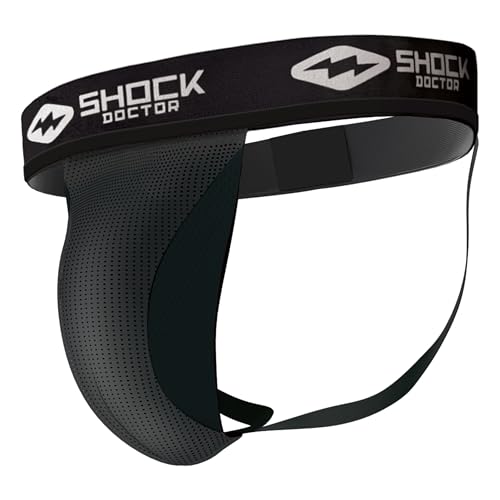
COMFORTABLE PROTECTION: The Core Supporter with Cup Pocket offers all the support you need for any athletic activity. Cup not included. HSA/FSA Eligible
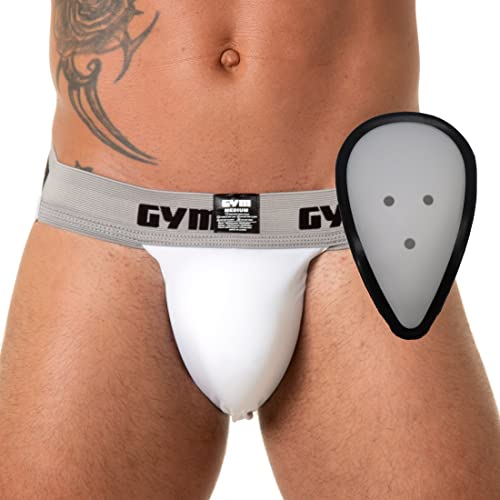
Classic White Athletic Supporter with Cup Pocket
Early 20th Century Innovations: Briefs, Boxers, and Elastics
A reader will notice how innovations in performance support led manufacturers to rethink everyday undergarments for comfort and fit, shifting focus from single-piece practicality to specialized styles with better fit.
Briefs (1935)
- Introduced by Coopers Inc., created by Arthur Kneibler, inspired by French swimwear, offered snug fit and Y-shaped fly.
- Term “Jockey” emphasized support, comfort innovation that replaced long-leg garments.
Boxer Shorts
– Developed in the 1920s by Everlast from boxing trunks, long and loose for movement, gained mass use after World War II.
Elastic and Two-Piece
- Elastic waistbands replaced drawstrings, enabling easier dressing and consistent fit.
- Union suit split into Henley top and Long John bottom, increasing versatility and comfort.
- Consequence: retailers promoted preshrunk cotton, nainsook, improved hygiene and accessibility today.
Manufacturers later incorporated moisture-wicking fabrics into designs to manage sweat and improve comfort during activity.
Recommended Products
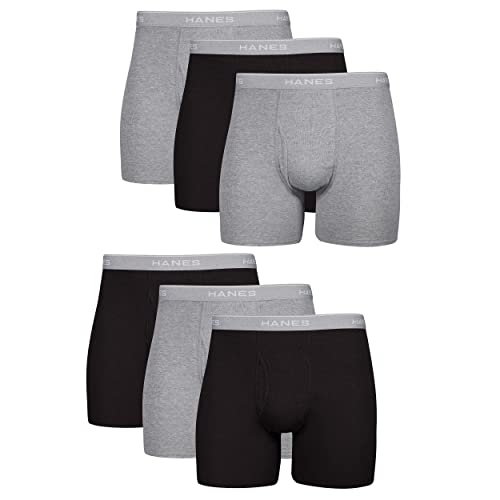
SUPPORT YOU CAN RELY ON - Experience support and comfort with these men’s underwear designed for breathability and flexibility. The no-ride-up fit and Comfort Flex waistband make these boxer briefs ideal for any activity

SUPPORT YOU CAN RELY ON - Experience support and comfort with these men’s underwear designed for breathability and flexibility. The no-ride-up fit and Comfort Flex waistband make these boxer briefs ideal for any activity

SUPPORT YOU CAN RELY ON - Experience support and comfort with these men’s underwear designed for breathability and flexibility. The no-ride-up fit and Comfort Flex waistband make these boxer briefs ideal for any activity
Late 20th Century Technical Fabrics and New Silhouettes
The late 20th century brought a rapid shift toward synthetic and engineered fabrics, changing how underwear fit, performed, and was marketed. Materials and properties: Nylon and polyester blends, microfiber, modal and micromodal offered durability, breathability, softness, and moisture control for active use. – Technical fabrics: introduced moisture-wicking, anti-odor, antimicrobial treatments, quick-drying finishes, enhancing hygiene and comfort. – New silhouette: boxer briefs combined brief support with boxer coverage, reduced chafing, improved fit under tight clothing, and appealed to athletes. – Seamless construction: tag-free labels, laser-cut edges, bonded seams removed irritation, enabled form-fitting shapes, and worked well with stretch fabrics. Consequence: better performance and targeted support led to specialized underwear for sports, travel, and everyday wear. Manufacturers prioritized function, fit, and fabric science over decorative excess. Manufacturers also emphasized quick-dry technology to maintain freshness and comfort during active use.
Recommended Products

SUPPORT YOU CAN RELY ON - Experience support and comfort with these men’s underwear designed for breathability and flexibility. The no-ride-up fit and Comfort Flex waistband make these boxer briefs ideal for any activity

SUPPORT YOU CAN RELY ON - Experience support and comfort with these men’s underwear designed for breathability and flexibility. The no-ride-up fit and Comfort Flex waistband make these boxer briefs ideal for any activity

7 Pack, Men's CoolZone Fly Boxer Briefs
Cultural Shifts: Marketing, Identity, and Modern Diversity
Although early underwear advertising emphasized practicality, later campaigns transformed undergarments into visible style markers, shaping identity, status, and consumer expectations, and prompting designers to respond with new silhouettes and brand signals.
Marketing and Identity
- Ads shifted from comfort to cultural branding and sex appeal, creating brand loyalty, celebrity influence, and visible waistbands.
- Consequence: underwear became social signaling, tied to modern masculinity ideals and body image expectations.
Design Diversity
- Hybrid styles like boxer-briefs and trunks answered consumer demand for multifunctional fit, movement, and aesthetics.
- Broader offerings, including thongs and jockstraps, expanded market segments and self-expression options.
Market Impact
- Growth and technical fabrics drove color, fit, and performance choices, influencing retail, production, and future brand strategies.
- Millennials and Gen X preferences accelerated trends, research and forecasts.
Many brands incorporated moisture-wicking technologies to improve comfort and performance.
Frequently Asked Questions
How Did Non-Western Cultures Influence Global Men’s Underwear Styles?
Non-Western cultures shaped global men’s underwear styles through cultural exchanges and adoption of minimalist, breathable fabrics, loincloth and fundoshi designs, support-focused structures, influencing modern silhouettes and ongoing global trends across climates and social hierarchies worldwide.
What Were Common Laundering Practices for Men’s Underwear Historically?
Cast beside rivers and boiling kettles, men’s underwear underwent soaking, beating and sun-bleaching; Laundry methods emphasized linen and cotton; Fabric care used lye soaps and boiling; Historical hygiene and Social norms demanded daily cleansing regularly.
When Did Standardized Sizing for Men’s Underwear Begin?
Standardized sizing for men’s underwear began in the early 20th century, gaining momentum through government measurements in the 1930s–40s and NBS guidelines in 1950s, influenced by World War II military sizing practices in underwear history.
How Did Underwear Fashions Affect Male Body Image and Sexual Norms?
Like a lens, underwear fashions shaped male body image and sexual norms: they alternately enforced ideals, constrained body positivity, and enabled sexual liberation through visibility, branding, fit, and marketing, remapping desirability and broader masculine self-expression.
What Environmental Impacts Arise From Modern Underwear Production?
Modern underwear production causes high carbon emissions, water pollution, microplastic release and textile waste, prompting shifts toward sustainable materials and eco friendly production to reduce environmental footprints considerably, conserve water, limit microfibers, and improve circularity.