As an Amazon Associate, we earn from qualifying purchases. Some links on this site are affiliate links at no extra cost to you. Our recommendations are based on thorough research and editorial judgment.


Religious Considerations in Underwear Choices

Religious considerations in underwear choices guide practical decisions; GUIDELINES: material—choose breathable cotton blends for hygiene and comfort; coverage—prefer full-coverage styles for modesty and covenant compliance; visibility—keep sacred garments concealed, treat with respect; exceptions—allow safe removals for medical care, work safety, or heat; consequences—noncompliance can cause social sanction, spiritual discomfort, or workplace accommodation claims; demographics—account for gender, age, and health when selecting fit; consult leaders or HR for tailored options to learn more and policy guidance.
Key Takeaways
- Religious doctrine often prescribes undergarments to symbolize covenants, purity, or identity, requiring specific materials or rites before wearing.
- Undergarments serve as constant reminders of vows and encourage modest behavior, personal piety, and spiritual self-awareness.
- Privacy and concealment norms dictate design choices: full coverage, opaque fabrics, and avoidance of public display are commonly required.
- Practical factors—breathable fabrics, appropriate fit, and hygiene—balance religious requirements with health, comfort, and activity needs.
- Employers and institutions should engage in respectful dialogue to provide reasonable religious accommodations while ensuring safety and uniform standards.
Historical Origins of Sacred Undergarments
You may be interested



Continuity is evident in how many cultures placed religious meaning into garments worn next to the skin, linking daily life with sacred duty. This section outlines origins, examples, and functions for readers who need clear historical context.
- Key origins: Ancient Israelite priests wore linen breeches and coats, directives appear in Exodus, garments marked duties and status.
- Cross-cultural examples: Tzitzit for covenant reminders, Sikh kachera for chastity, early garments with symbolic markings for protection.
- Practical consequences: Wearing signals identity, enforces modesty, creates constant reminder of vows.
- Sub-categories to examine: material, markings, intended visibility, ritual use, modifications over time. These points show cultural significance and ancient traditions, providing a concise framework for further doctrinal study. Readers should note origins inform modern practice and personal clothing choices. Modern functional undergarments also incorporate features such as high-waisted designs and breathable materials to balance comfort with daily obligations.
Religious Doctrine and Wearing Practices
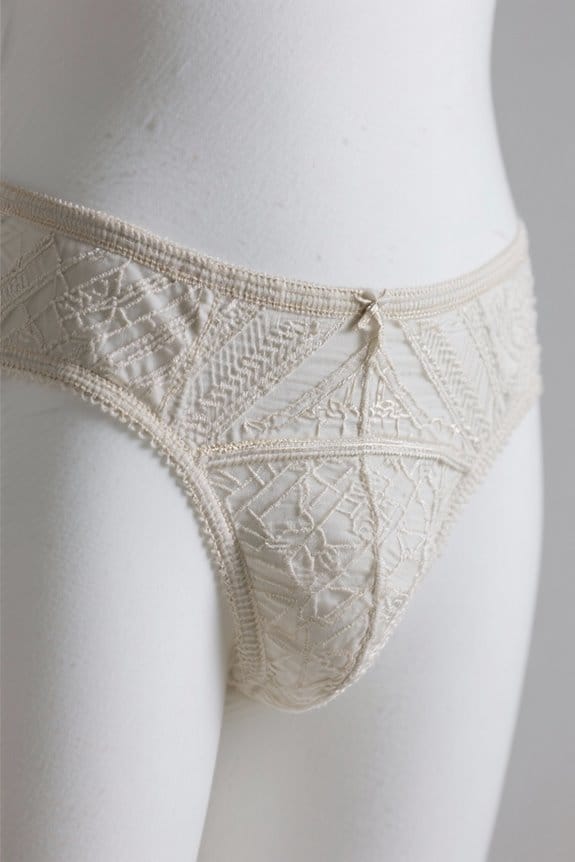
One key point for readers to understand is that doctrine establishes both the meaning of temple garments and the rules for wearing them daily. Doctrine and Practice: Doctrine implications define who may wear garments, when garments must be worn, and acceptable exceptions during activities. Daily Wearing Rules: – Endowment participation and covenants required before wearing. – Garments worn day and night under normal clothing, removed only when reasonable. Care and Respect: – Garments are treated as sacred, not displayed publicly, and maintained respectfully. Modern Considerations: – Recent design changes allow adaptation for climate and activity, while preserving garment significance. Consequences for misuse include perceived disrespect and violation of covenant obligations, which members understand as spiritual, not legal, repercussions. Guidance is available from local leaders. Many members also choose adaptive underwear or modern designs that offer moisture-wicking fabrics and easy closures to accommodate recovery and comfort needs.
Symbolism and Personal Meaning

Symbolism provides a practical framework, helping the reader see how sacred underwear connects belief to daily action, and how that connection shapes behavior and identity. Key meanings: Garments carry symbolic significance for modesty, purity, covenant reminders, redemption, and moral strength, drawn from scripture and tradition. Personal impact: Wearers assign personal interpretation based on vows, ceremonies, and daily practice, which reinforces identity and habit. Practical guidance: Expect daily reminders, increased self-awareness, occasional social attention, and spiritual comfort when worn consistently. Examples and consequences: Kethoneth and temple garments symbolize separation and covenant keeping, lacking them can lessen ritual cues, while wearing them supports disciplined conduct and spiritual focus. The tone remains factual, offering clear categories and examples for easy reference. Readers can reflect and adapt daily. Breathable fabrics like Micro Modal and bamboo are noted for comfort and moisture management.
Differences Across Faith Traditions
Religious garments and underclothing vary widely across traditions, offering different meanings, rules, and practical effects for the wearer.
Overview: The following cross cultural comparisons summarize major faith based practices, highlighting requirements, materials, and visibility implications for daily life.
- Jewish: tallit katan worn under clothing with tzitzit, cotton or wool, fulfills biblical commandment, private wear, constant reminder.
- LDS: temple garments symbolize covenants, required after endowment, design varies for climate, considered sacred and concealed.
- Sikh: kachera, white drawstring underpants, daily wear for baptized members, symbolizes chastity and readiness, cotton fabric.
- Christian and Islamic: practices vary, emphasis on modesty and simplicity, choices guided by doctrine and cultural norms, no single mandated undergarment.
Readers should note consequences for daily routines, laundry care, and social expectations when selecting garments. Some modern undershirts from popular brands offer moisture-wicking and odor protection for added comfort.
Recommended Products

Ultra slim fit designed to give you coverage under other clothing without adding bulk. Style intended to run 2 sizes smaller than your regular fit shirt size. Size up at least two sizes for a relaxed fit.

High neck quarter length sleeve t shirts are slim fitting. Styled to use for layering under sleeveless and/or open neck blouses and dresses. Ideal closed neckline undershirt for women under lace top or sheer styles.

High neck quarter length sleeve t shirts are slim fitting. Styled to use for layering under sleeveless and/or open neck blouses and dresses. Ideal closed neckline undershirt for women under lace top or sheer styles.
Gender, Body, and Health Considerations
How do gender, body shape, and health concerns affect undergarment choices across faith contexts, and what practical implications should the reader consider?
Gender and usage patterns: Men and women show distinct preferences, briefs dominate for both sexes, younger groups favor tighter styles, cross-dressing acceptance varies.
Body and age: Younger women prefer bikinis and Brazilians more often, older women choose briefs, body positivity links to choice and modesty rules.
Health and function: Material and comfort guide decisions, functionality affects circulation, hygiene, and mobility; medical conditions may require specialized fits.
- Gender sensitivity: recognize cultural limits, offer neutral options.
- Practical advice: prioritize material, consider age and living situation, involve partners when appropriate, respect faith-based modesty and medical needs.
Check sizing charts, consult clinicians if necessary.
Prefer breathable fabrics such as 100% cotton or cotton blends to improve airflow, moisture management, and reduce skin irritation.
Recommended Products
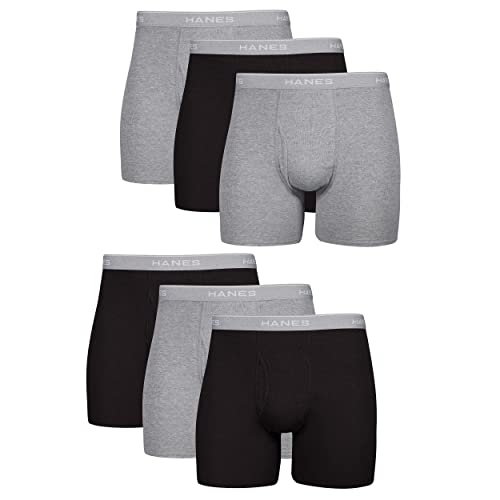
SUPPORT YOU CAN RELY ON - Experience support and comfort with these men’s underwear designed for breathability and flexibility. The no-ride-up fit and Comfort Flex waistband make these boxer briefs ideal for any activity

Smooth, comfortable waistband. 100% Cotton liner. Colors May Vary.
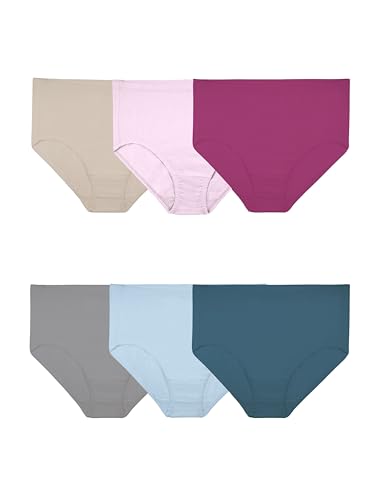
Smooth, comfortable waistband. 100% Cotton liner. Colors May Vary.
Design, Materials, and Comfort
Because design choices combine fabric, fit, and climate, the reader should assess trade-offs between modesty, breathability, and durability before selecting garments.
Design features, fabric innovations, and examples
- Fabrics: cotton, linen, polyester blends like Carinessa, and synthetics like DriSilque, each with breathability and moisture differences.
- Fit: sleeve and leg lengths affect modesty and heat; recent changes removed sleeves in hot climates for comfort.
- Health consequences: nonbreathable synthetics can increase irritation and infection risk, especially for women.
- Practical trade-offs: stretchy blends improve conformity and movement, but may reduce ventilation and increase sweating.
- Historical note: linen and wool were skin-friendly choices in the past, valued for absorbency and airflow.
- Selection guidance: prioritize breathable, moisture-wicking fabrics for daily wear, test fit changes gradually, and consult care instructions regularly.
Brands often offer breathable materials such as cotton blends and moisture-wicking fabrics for daily comfort.
Recommended Products

Smooth, comfortable waistband. 100% Cotton liner. Colors May Vary.
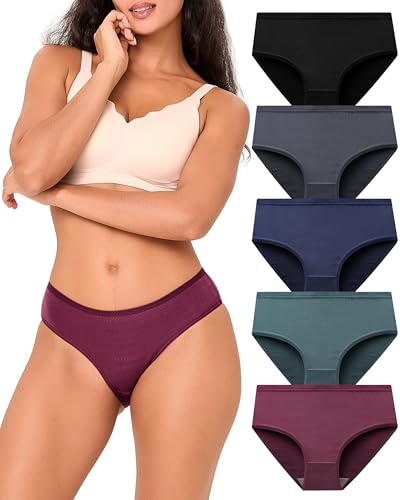
HIGH QUALITY FABRIC- Made of 91% viscose made from bamboo, 8% spandex and 1% nylon. The fabric is soft and breathable, moisture wicking and sweat wicking, regulating temperature.

Navigating Modern Life and Workplace Needs
Material choices and fit that served daily comfort now shape what the reader can wear at work, affecting visibility, safety, and legal obligations. Overview: The reader should balance cultural implications, safety needs, and workplace policies, choosing undergarments that reduce visibility and meet uniform rules. Practical guidance:
- Select nude-tone, secure-fit pieces to prevent accidental exposure, maintain professional appearance, and comply with dress codes.
- Review employer policy, request religious accommodation in writing, document safety constraints, and engage in the interactive process.
- Understand safety exceptions, for example secure garments in active jobs, machines, or uniforms.
Consider fabrics and features such as tagless designs to enhance comfort during long shifts. Consequences: Inconsistent enforcement risks discrimination claims, denial requires clear business necessity, and reasonable accommodations are required unless undue hardship exists. The reader should keep records of all accommodation communications.
Recommended Products

Size guide [Waist Measurements]: XS = 24 - 26"; S = 26.5-29"; M = 29-31.5" ; L= 31.5-35" ; XL = 35-39"; XXL = 39-43". [Hip Measurements]: XS= 34-36"; S = 36-38" ; M= 38-40" ; L = 40-42"; XL = 42-44"; XXL = 44-46".

Seamless style knitting (no side seams) - leg edges have a sewn binding,more feeling soft and comfortable,low rise show sexy.
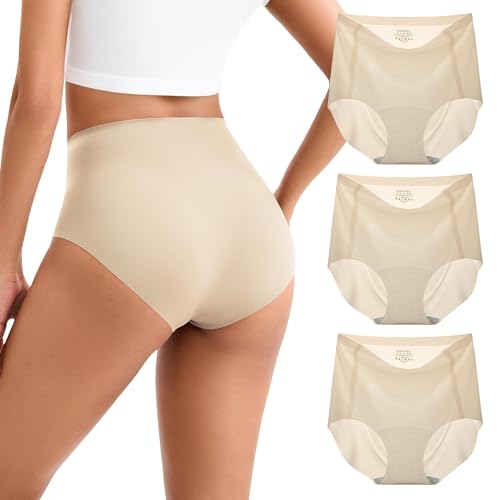
No More Panty Lines: Without annoying seams, these seamless underwear for women don't create visible panty lines or bulges. These women's underwear with smooth fabric, which is perfect for pairing with leggings, yoga pants, skirts and other outfits
Privacy, Modesty, and Social Perceptions
When considering privacy and modesty in underwear choices, the reader should weigh religious norms, social expectations, and personal safety to avoid exposure and social sanction.
Guidelines:
- Choose opaque, full-coverage garments when required, for example loose cotton underlayers in Muslim or Jewish practice, reducing accidental exposure and preserving dignity.
- Note cultural narratives and societal expectations, which shape acceptable colors, fit, and fabric, and can cause gossip or exclusion if ignored.
- Balance comfort with compliance by testing garments in private, confirming coverage during movement, and preferring neutral tones in communal settings.
- Consequences include social judgment, restricted participation, or personal stress; alternatives include hybrid styles that respect both faith and daily activity.
- Seek community guidance before public events, measure garments for modesty, document preferences discreetly, and adjustments.
Consider fabrics like 95% cotton blends that offer breathability and stretch for both comfort and modesty.
Interfaith Dialogue and Respectful Understanding
Attention to privacy, modesty, and respectful dress offers practical entry points for conversations between people of different faiths, and can reduce misunderstandings. Interfaith dialogues, mutual understanding are advanced when participants focus on concrete practices, shared concerns, and heritage preservation.
Goals
– Build mutual understanding through listening, asking clarifying questions, and avoiding assumptions.
Who to include
– Women, youth, minorities, grassroots actors, and religious leaders, to broaden perspective and legitimacy.
Methods
– Organized visits, excursions, joint site preservation projects, and community workshops that show lived practices.
Outcomes
– Reduced bias, protected sacred sites, clearer social norms, and stronger cooperation for cultural heritage.
Practical consequence: without inclusivity, dialogues risk reinforcing stereotypes and missing key lived experiences. Recommendations include continuous education, transparent frameworks, measurable goals, and periodic evaluation by diverse stakeholders. Consider practical needs like moisture-wicking fabrics to ensure comfort and dignity when planning joint activities or site visits.
Frequently Asked Questions
Are There Legal Protections for Wearing Sacred Underwear in Public or Government Settings?
Like a discreet emblem, they are protected: employers and government must reasonably accommodate sacred underwear unless undue hardship exists; public display can be restricted for safety or operational reasons while sacred symbolism remains legally recognized.
How Should Sacred Undergarments Be Handled in Death, Burial, or Organ Donation Situations?
They should remain on the body for burial or cremation when possible; officials coordinate dressing, respecting posthumous practices and cultural sensitivities. For organ donation, care taken to preserve garments or replace them to honor beliefs.
Can Religious Underwear Be Admissible Evidence in Legal or Criminal Investigations?
Yes. Courts may admit religious underwear as evidence when relevance, authentication, and probative value outweigh prejudice under evidence rules and legal precedents, with judicial discretion guided by constitutional protections and case-specific balancing under FRE 403.
What Are Respectful Disposal or Replacement Practices for Worn-Out Sacred Undergarments?
A temple member buried a tattered garment. Respectful practices include cutting out and destroying inscriptions, shredding fabric for sacred garment disposal, returning items to religious authorities, or using eco friendly alternatives like recycling or burial.
Are There Specialized Services for Resizing, Repairing, or Customizing Sacred Undergarments?
No; the Church does not authorize sacred garment alterations or custom sizing services. Distribution Services provide standard sizes, maternity options, in-store and online sizing guidance and referrals; any repairs and bespoke modifications are not offered.