As an Amazon Associate, we earn from qualifying purchases. Some links on this site are affiliate links at no extra cost to you. Our recommendations are based on thorough research and editorial judgment.


Cultural Perspectives on Underwear and Modesty

Overview: Cultural views on underwear and modesty guide choices, combining history, religion, and fashion, and affecting identity, markets, and norms; Examples: loincloths, dudou, izar, modern modest lines; Consequences: impacts body image, social acceptance, clothing markets, and legal or religious rules; Practical tips: choose breathable, opaque, certified fabrics, respect local norms, and consider inclusive sizing; Further sections explain regional differences, religious rules, sustainability, and market trends if one continues to learn practical design and shopping guidance.
Key Takeaways
- Underwear customs reflect practical needs, climate, hygiene, and evolving gender roles across historical eras.
- Religious and cultural norms shape garment coverage, opacity, and modest design preferences.
- Regional styles convey identity, status, and traditional symbolism through fabric, decoration, and cut.
- Modern modest fashion blends tradition, sustainability, and market demand for inclusive, non-sexualized options.
- Globalization drives hybrid designs and ethical supply choices while requiring cultural sensitivity in marketing.
Historical Roots of Underwear and Modesty
You may be interested
Although undergarments have ancient origins, the reader should understand they first served practical functions: coverage, hygiene, and climate adaptation. The historical evolution shows how simple loincloths, Roman tunics, and medieval braies prioritized practical functionality, shaping gendered garments and later shaping fashion and posture. This overview lists key shifts and consequences. It emphasizes function over ornamentation and durability.
Key developments
- Loincloths (5000 BC): basic coverage, suited to hot climates, low complexity.
- Roman era: introduced structural ideas, underlayers for hygiene and modesty.
- Medieval: braies and codpieces improved access and hygiene, created gender distinctions.
- Renaissance: codpieces became fashion, padded forms signaled status, later declined.
- 18th–19th c.: stays and corsets altered silhouette, affecting health and social norms.
- Industrial era: new materials, advertising focused on comfort, modern shapes emerged.
Materials like cotton lining and spandex later influenced comfort and hygiene standards in undergarments.
Religious Influences on Undergarment Choices

Because religious rules shape daily dress, readers should expect undergarment choices to reflect doctrinal requirements, cultural norms, and practical needs, producing distinct styles, functions, and social effects.
Overview
– Religious beliefs guide modest underclothing, encouraging coverage, opacity, and non‑sexualized design as clear undergarment significance.
Islamic
– Muslim women prefer loose, opaque underlayers, avoid tightness and transparency, choose modest functional lingerie, and may experience social perception effects.
Judaic
– Orthodox women use layered, subdued undergarments covering elbows, knees, collarbones, integrating halachic norms with daily function.
Christian & LDS
– Christian modesty favors plain, non‑provocative underwear; some wear symbolic garments privately; LDS temple garments serve sacred roles.
Consequences: choices affect body image, social judgment, market responses, and specialized product development.
Practical advice: select modest, comfortable, breathable fabrics for daily observance.
Pima cotton can be an excellent choice for modest undergarments because Pima cotton offers superior breathability, softness, and natural moisture management suitable for all‑day comfort.
Recommended Products

STRETCHY COVERED WAISTBAND: Wirarpa women's underwear with soft stretchy DOUBLE-LAYER fabric covered waistband sits right at the waist. No rolling or bunching, with no compression but perfectly snuggish. The high rise underwear offers moderate tummy support and reduces the appearance of muffin top.
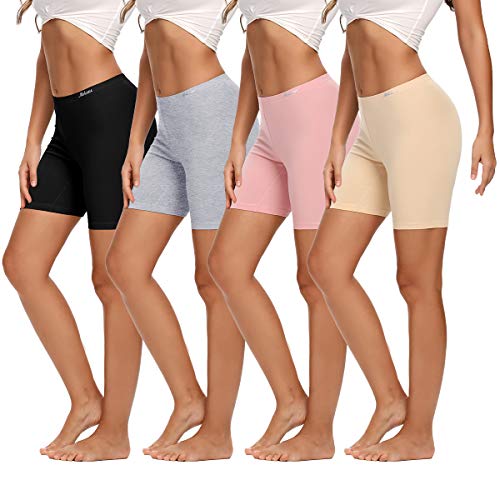
Classic 8” inseam Long Leg Boy Shorts are designed to make you feel comfortable in your own skin,All of our products are made with eco-friendly and sustainable materials.

Super Soft & Flexible Super Light Weight Semi- Sheer Fabric: 95% Cotton /5% Spandex Perfect Form Fitting Stretch Fabric
Regional Styles: Asia, Middle East, and South Asia
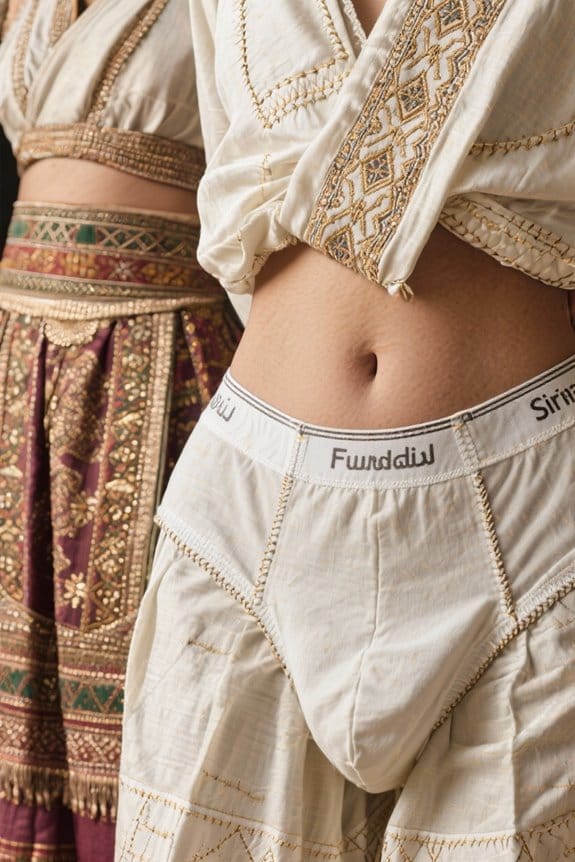
How did regional climates, materials, and beliefs shape undergarments across Asia, the Middle East, and South Asia over centuries?
Overview: Asian Underwear, Middle Eastern Underwear and South Asian Underwear developed for comfort, modesty, and status, each influenced by Fabric Selection and Modesty Norms. Many modern makers use OEKO-TEX Standard 100 certified fabrics to reduce irritation and improve comfort.
- Asian examples: Han Baofu and Xinyi were straps, Tang Zhuyao laced the waist, Qing dudou embroidered auspicious designs.
- Middle East: Izar wraps and sirwal offered breathability, cotton and linen dominated, garments stayed hidden for privacy.
- South Asia: Petticoat, choli, dhoti and lungi served dual roles, embroidery indicated rank, wool appeared in cold zones.
- Consequences and adaptations: Historical Significance remains, Cultural Embroidery endures, Contemporary Adaptations balance tradition and modern comfort.
Practical notes list fabric choices, care, layering, and regional rules for modesty.
Recommended Products
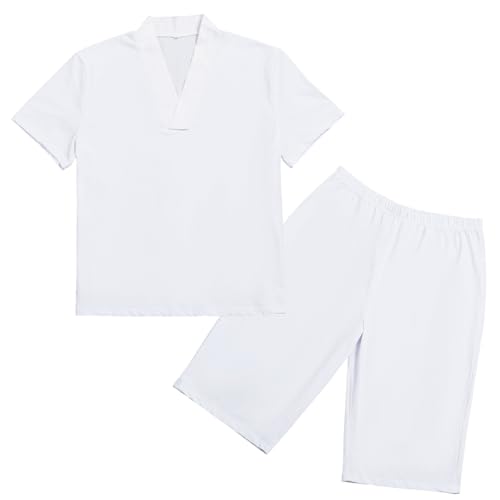
2-Piece set of Japanese Traditional Hakama Undergarment.

Classic beauty: this inner dress captures the classic beauty of japanese kimono, ensuring you stand out in any crowd,dressing gown robe,japanese kimonos
Western Trends: Fashion, Function, and Sexuality
When considering Western underwear trends, the reader should focus on three linked developments: technology, fashion, and shifting cultural attitudes.
Technology and Function
– Smart fabrics improve comfort, support, moisture-wicking, temperature control, quick-dry travel options, and ergonomic pouch designs.
Fashion and Style
– Underwear evolution shows revived classics, low-rise trunks, bold patterns, lingerie-like options, and personalization for self-expression.
Sexuality and Social Meaning
– Designs reflect cultural confidence, body positivity, visible sensuality, and changing masculinity norms, affecting marketing and social media visibility.
Practical Guidance
- Select fabrics, fit, and features based on activity, travel needs, and desired balance between function, style, and modesty.
- Consequences: poor fit causes chafing, unsupportive design reduces performance, non-breathable fabrics increase discomfort and odor.
- Recommendations: prioritize fit, test materials, consider sustainable options and care instructions regularly.
Many consumers now prioritize moisture-wicking fabrics for comfort and odor control.
Recommended Products

PREMIUM MATERIAL: 92% Viscose Made From Bamboo and 8% Spandex,light and soft texture.It is 30% more breathable than cotton underwear and the average body temperature is 3°lower than cotton ones,bringing a fresh touch to your skin

SUPPORT YOU CAN RELY ON - Experience support and comfort with these men’s underwear designed for breathability and flexibility. The no-ride-up fit and Comfort Flex waistband make these boxer briefs ideal for any activity

HIGH-QUALITY MATERIAL: Our men's boxer briefs are crafted from 92% bamboo viscose and 8% spandex, offering superior softness, breathability, and moisture-wicking properties. Compared to cotton, they are 20-30% more breathable and 2-3°C cooler, keeping you fresh and comfortable all day long
Modesty Movements and Contemporary Modest Fashion
Although modest fashion is often discussed in cultural terms, the reader should focus on measurable market growth, shifting consumer preferences, and practical design choices.
Market Metrics:
- Global market USD 91.93B in 2026, projected USD 96.8B in 2026, reaching USD 146.37B by 2033.
- North America 28.6% share, Europe and US figures show steady regional gains.
Consumer Shifts:
- Demand for loose-fitting modest dresses rising, relaxed silhouettes up 12–15% in searches.
- Sustainable modest fashion draws 60% willing to pay premiums.
Design and Tradeoffs:
- Brands balance traditional modesty movements demands with modern fashion evolution, supply chain costs, and mainstream competition.
- Social media and influencers convert interest into sales, while niche makers face scale challenges.
- Practical examples include layering, modest swimwear, sizing.
High-rise designs offer full coverage and help prevent ride-up, improving daily comfort and fit for many consumers, with High-rise designs particularly valued in plus-size underwear selection.
Recommended Products

Cotton Stretch full coverage underwear, no pilling, no pinching, no binding,no panty lines, not too tight but not loose, the high waisted underwear offers a bit of tummy support and reduces the appearance of muffin top.

SUPER HIGH WAISTED UNDERWEAR: These high waisted briefs sit above the belly button and hug your whole waist, no rolling or bunching. This comfy design is friendly for senior people, postpartum c-section recovery and post maternity.

Stay-Put Waistband: These women's cotton underwear features a stretchy waistband that stays in place all day, no rolling or bunching. These women's underwear pack with gentle compression offers a bit of tummy support and snug fit
Social Taboos and Public Discourse Around Lingerie
Market dynamics in modest fashion shape public conversations about lingerie, influencing what is displayed, sold, or considered acceptable.
Key points:
- Social stigma targets cross-gender styles, revealing designs, and period products, reinforced by religion, gender norms, and history.
- Media and advertising shape acceptability, sometimes censoring realistic depictions, sometimes amplifying shame.
- Consequences include ridicule, restricted market choices, and limited public discussion about menstruation or non-conforming garments.
- Practical responses include clear labeling, inclusive marketing, and public education campaigns, which can enable lingerie liberation without erasing safety concerns.
- Expect gradual shifts, local variation, and ongoing debate between commercial interests and community standards.
Readers should note measurable outcomes, such as sales patterns, policy changes, and reduced shame metrics. Stakeholders must track indicators over time. Data guides inclusive product decisions.
Brands such as Hanes, EcoPeriod, and TANSTC provide varying absorbency levels to meet needs including heavy flow management.
Underwear as Cultural Identity and Self-Expression
A clear introduction to underwear as cultural identity helps the reader see how garments carry personal, social, and political meanings.
Overview: Underwear functions as cultural identity and personal expression, connecting historical symbols, modern trends, and individual choices.
- Historical context: Chinese dudou stitched meanings like fidelity and prosperity, Western corsetry emphasized beauty and sensual display, shifting norms changed purpose.
- Identity effects: Choices influence self-perception, gender negotiation, and social signaling, adolescents and gender-diverse people use intimates to assert authenticity.
- Social consequences: Selections affect peer acceptance, behavior via enclothed cognition, and can challenge or confirm cultural norms.
- Practical note: Consider heritage, comfort, and symbolism when interpreting or choosing underwear.
Brands and researchers should document variation across regions, to map meaning and guide respectful design and policy decisions.
Multipacks often feature cotton-spandex blends that combine breathability and stretch for everyday comfort.
Sustainable and Inclusive Developments in Intimates
Because sustainable and inclusive practices reshape intimates, the industry now prioritizes materials, manufacturing, and design choices that lower impact and increase access for diverse users. Key materials
– Use sustainable fibers like organic cotton, Tencel Lyocell, hemp, bamboo, and recycled polyester, benefits include biodegradability and lower emissions.
Manufacturing and dyes
– Apply ethical manufacturing, Fair Trade standards, and transparent supply chains, include eco friendly dyes and low-impact processes to reduce runoff.
Design and sizing
– Offer inclusive sizing, adaptive designs, and clear size charts, consequences are better fit, reduced returns, and broader market reach.
Production models
- Adopt made-to-order and certifications (GOTS, OEKO-TEX) to cut waste, build trust, and meet Gen Z demand for verified sustainability.
- Encourage consumer education, clear labeling, and third-party verification to guide purchasing responsibly.
Look for certifications like GOTS to verify non-toxic materials and ethical production.
Recommended Products

Experience the luxury of premier materials with our period underwear Boyleg style. Made from organic cotton, they provide a safe, soft, and sustainable option that's perfect for sensitive skin and the environment.

Cotton Underwear For Women: Womens underwear is made of 95% combed cotton, 5% spandex. The blend of PREMIUM combed cotton and spandex makes these underwear soft, stretchy, breathable, and gentle on sensitive skin for comfortable wear.

Experience the luxury of premier materials with our period underwear Boyleg style. Made from organic cotton, they provide a safe, soft, and sustainable option that's perfect for sensitive skin and the environment.
Future Directions: Globalization and Hybrid Styles
When globalization continues to reshape tastes and technologies, designers and brands must balance local modesty norms with hybrid, globally appealing underwear solutions.
Guidelines for Designers
- Prioritize respectful mixing of motifs to avoid cultural appropriation, consult local makers, document sources, adapt details responsibly.
- Use technical fabrics like Tencel and thermo-regulating blends for comfort, sustainability, and cross-climate performance.
- Combine vintage modest elements like lace nightgowns with modern cuts, provide clear care labels, and include fit guides for diverse bodies.
Market Signals and Actions
- Track consumer behavior trends via social platforms, monitor innerwear-as-outerwear uptake, and adjust sizing and coverage options.
- Offer modular pieces, gender-neutral cuts, and recyclable programs, anticipate regulatory differences, and test culturally sensitive campaigns before wide release.
- Measure global returns, collect feedback, refine patterns, publish. Designers should consider bamboo viscose blends for superior softness, breathability, and odor control.
Frequently Asked Questions
How Should I Care for Delicate Lingerie at Home?
They should prioritize hand washing delicate lingerie in lukewarm water with gentle detergent, respecting fabric types like lace, silk, and microfiber; rinse, press out excess water, air dry flat, and store bras to preserve shape.
How Do I Find the Right Underwear Size and Fit?
They find the right underwear sizing and fit by taking proper measurements of waist and hips, consulting brand-specific size charts, considering fabric stretch, choosing smaller for firmer fit or larger for comfort when between sizes.
Can Underwear Choices Affect Skin Health or Infections?
Yes. Underwear choices affect skin health and infection risk: poor underwear hygiene, tight synthetic garments with low fabric breathability, prolonged moisture increases irritation, fungal growth, microbiome disruption; breathable natural fabrics and proper fit reduce risk.
Is It Appropriate to Gift Underwear to Acquaintances?
No. Like offering a raincoat to a fish, gifting underwear to acquaintances often violates cultural norms and basic gifting etiquette; it risks awkwardness, misinterpretation of intent, and should be reserved for closer, consented relationships only.
Are There Legal Regulations for Labeling Intimate Apparel Materials?
Yes, federal and international laws require labeling of intimate apparel, including fiber content, country of origin, care instructions, manufacturer identity, meeting labeling standards and ensuring material compliance; regional rules and enforcement vary by jurisdiction worldwide.