As an Amazon Associate, we earn from qualifying purchases. Some links on this site are affiliate links at no extra cost to you. Our recommendations are based on thorough research and editorial judgment.


Victorian Era Undergarments and Their Evolution

Foundations: Victorian undergarments began with chemises, drawers, and stays, layered for hygiene and support. Crinoline: Mid-century steel hoops replaced heavy petticoats, creating wide bell skirts but adding safety risks. Corsetry: Multi-panel, boned corsets shaped waists, sometimes tightly laced, affecting breathing and organs. Reform: Late-century combinations, split busks, and lighter supports improved comfort and self-dressing. Examples include camisoles, cage crinolines, and bustles, and continued study reveals further practical changes. Explore these shifts for context and implications.
Key Takeaways
- Early Victorian undergarments layered drawers, chemise, and stays to protect dresses, support skirts, and manage hygiene.
- The 1856 cage crinoline replaced heavy petticoats with steel hoops, creating bell skirts but raising safety and mobility concerns.
- Corsets evolved from multi-panel, boned stays to spoon busks and front-fastening designs, tightening waists while prompting health debates.
- Late-century materials shifted from linen and cotton to silk and lace for decoration, with hygiene influencing fabric and laundering practices.
- Dress reform and combination garments promoted comfort, self-dressing, and looser supports, gradually reducing rigid boning and restrictive silhouettes.
Early Victorian Foundations: Chemises, Stays, and the Rise of Drawers
You may be interested


Although outer fashions changed, the foundational undergarments of the early Victorian period stayed practical and purpose-driven, forming the basic system beneath every dress.
Overview
- Chemises: loose linen or cotton next to skin, varied necklines allowed chemise customization for modesty, comfort, or fashion, usually untucked under stays to reduce binding.
- Stays: stiffened bodices worn over chemises, laced at the back, transferred weight of petticoats to shoulders for support.
- Drawers: introduced for hygiene, tied at the waist, open crotch seam for ease, drawer functionality emphasized restroom access under tight garments.
Practical notes
- Layering order: drawers, then chemise, then stays; materials chosen for breathability and stain protection.
- Practical consequences: leaving chemise untucked increases comfort, sewing chemise and drawers together simplifies dressing, cleaning reduces garment degradation. Regularly recommended.
Elegant undergarments often incorporated seamless designs later on to improve comfort and the silhouette.
Recommended Products

Size:S, M, L, XL(Please Refer To Our Size Chart Before Purchasing. If you have any questions, please contact us.)

Fabric--Poplin; Soft, comfortable,and breathable to wear. Package Included-- 1* Dress; No Petticoat. Please wear a petticoat if you want the fluffy effect like the picture.
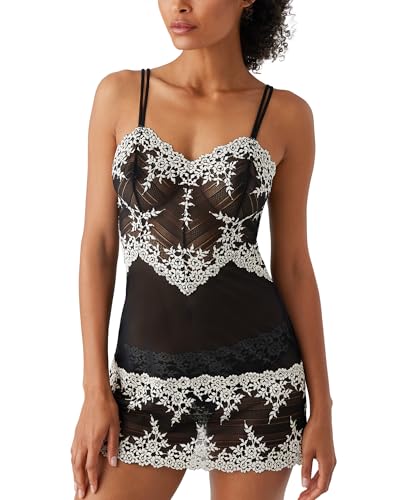
Fitted chemise
The Cage Crinoline Revolution and Hooped Petticoats
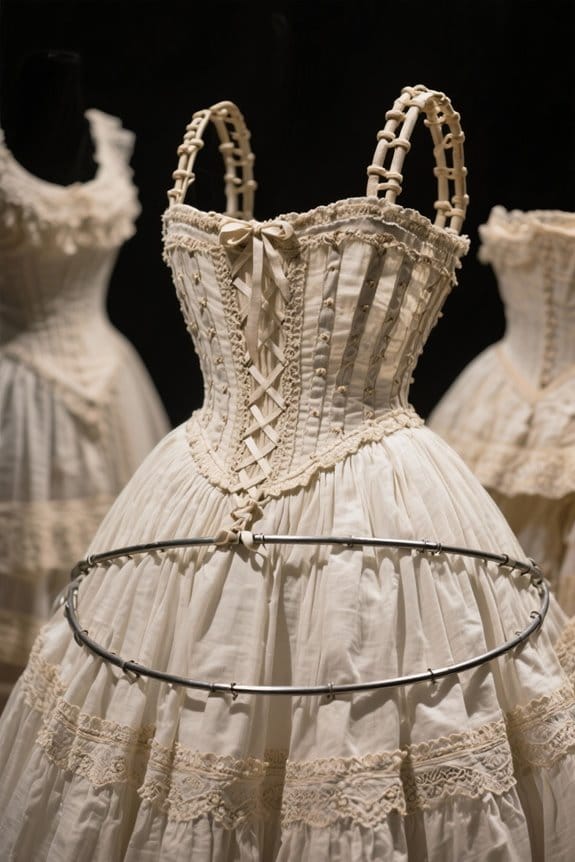
While the cage crinoline debuted around 1856 as a technical innovation, it fundamentally changed skirt shape and domestic practice.
Design and Materials
– Constructed from concentric steel hoops joined by tape, it replaced heavy petticoats, creating a bell or flattened front silhouette.
Practical Effects and Risks
– It lightened dresses, altered mobility, and carried cultural significance across classes, yet posed safety concerns like fire, machinery entanglement, and carriage accidents.
Evolution and Consequences
- Sizes peaked circa 1860–62, later shifting rearward into crinolettes and bustles, affecting workplace dress and social behavior, and prompting media moral panic over concealed pregnancies.
- Manufacturers used steel, whalebone, cane, gutta-percha or inflatable rubber, enabling mass production across Europe and America, with tens of thousands made annually.
Some reached eighteen feet circumference. Many later clothing innovations also emphasized breathable fabric and improved comfort through new materials and construction techniques.
Corsetry and Waistlines: Shaping the Female Silhouette

Design and construction:
– Corset construction used 7 to 13 panels, gussets, gores, and baleen, creating a smooth torso evolution, roundness, and lift.
Techniques and effect:
– Spoon busks and dense whalebone allowed tighter reduction, while front fastenings eased dressing.
Styles and waistlines:
– Waistline alterations moved from natural lows, to very narrow cinches, then slightly higher late-century, altering skirt profile and posture.
Consequences:
– Tight lacing compressed organs, limited movement, and provoked social debate, prompting gradual silhouette moderation by century’s end.
Practical note:
– Period stays required frequent adjustment, measurement, and skilled dressers to balance comfort and fashionable outline, and modesty concerns.
Many later undergarments emphasized breathable materials like bamboo viscose for moisture-wicking and comfort.
Recommended Products

Features:Gorgeous spaghetti straps quinceanera dresses ball gown with cape;3d flowers beaded prom dresses with train;pearly sweet 16 dresses with cloak;women's plus size sparkly ball gowns , princess tulle sweet 15 16 dresses for teens juniors, glitter sixteen birthday dresses.
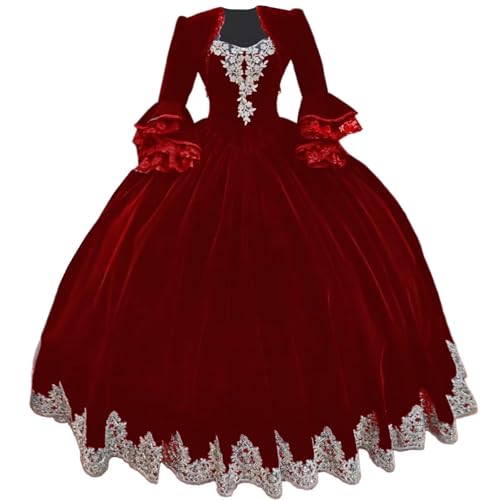
ELEGANT DESIGN: Victorian-style velvet ball gown featuring a dramatic full skirt, long sleeves, and an exquisite white lace-trimmed hem for a stunning gothic aesthetic

Off the shoulder staps sweetheart neck long tulle princess puffy ball gown prom wedding dress with ruffles
Chemises to Camisoles: Changing Undergarment Styles in the 1870s–1880s
Several undergarments evolved in the 1870s and 1880s, changing fit, function, and decoration for everyday wear.
Chemise changes
- Chemise modifications produced shorter, sleeveless, more fitted garments, with low necklines and short front openings for under-corset wear.
- Hems were flounced and tied at the back, often trimmed with machine-embroidered lace, and fabrics ranged from linen and cotton to silk in the 1880s.
Camisole adoption
- Camisole designs evolved from petticoat bodices into waist-length pieces with front openings, adding smoothing and protection beneath dresses.
- Decoration included lace, tucks, and embroidery; materials were fine cotton or silk, and combination garments merged chemise and drawers for efficiency.
Readers learn that these changes improved comfort, simplified layering, preserved outerwear, and allowed greater ornamentation while maintaining modesty and practicality for women. Breathable cotton blends became valued for comfort and were often used in undergarments.
Bustles, Cuirass Bodices, and Rear-Weighted Silhouettes
Following changes to chemises and camisoles, underpinnings shifted their primary function toward sculpting the rear silhouette, using bustles and cuirass bodices to control shape and drape.
- Bustle types and construction: The 1870s produced early and later forms, lobster-tail, small bustle, pads, and steel frames reinforced sharply at the lower back. Bustle construction techniques included padded rolls, horsehair stuffing, cotton batting, feathers, and steel strips, layered to create projection and support heavy skirts.
- Cuirass bodice fit and role: Cuirass bodice variations ranged from unboned, comfortable models to long, corset-like pieces that smoothed hips, elongated the torso, narrow the waist, and balance rear volume.
- Consequences: Rear-weighted silhouettes emphasized the posterior, restricted movement, and directed ornamentation to back profiles.
- Practical note: the reader should expect altered posture and daily adjustments. Modern undergarment materials often include moisture-wicking technology for improved comfort and breathability.
Materials, Decoration, and the Move Toward Silk Lingerie
When considering late Victorian underpinnings, the reader should note that materials shifted from plain, utilitarian linens and cottons toward softer, more decorative silks, while embellishment increased and production methods changed to support wider use; this shift affected cost, care, and social meaning of lingerie.
Materials and fabric choices
- Silk appeared in the 1880s in combinations and hosiery, prized for softness, stretch, and visual richness among elites.
- Cotton and linen stayed common for daily wear, favored for affordability, durability, and easier laundering.
Decoration and practical effects
- Lace embellishments, broderie anglaise, tucks, and machine embroidery became widespread on hems and cuffs.
- Resulting garments required gentler washing, higher expense, and functioned as private status markers in weddings and dowries and private feminine adornment.
These changes also influenced later performance garments, which increasingly adopted moisture-wicking fabrics to improve comfort during wear.
Recommended Products

Wrap yourself in the timeless elegance of our silk and lace slip, crafted to elevate your loungewear with refined sophistication
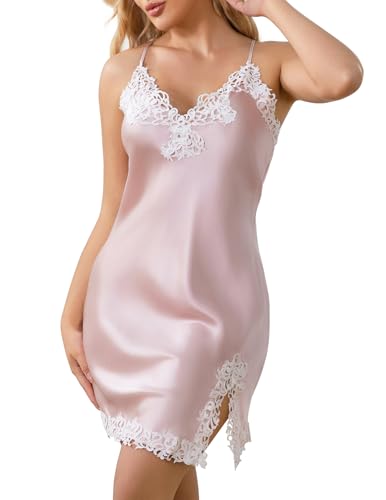
100% MULBERRY SILK NIGHTGOWN: THXSILK slip dress is made from pure silk, which is lightweight, ultra soft, smooth, breathable, and skin-friendly, maintains the balance of skin moisture. Compared with polyester, pure mulberry silk is more organic, composed of animal proteins and contains 18 kinds of Amino acids that are believed to effectively improve skin conditions.

HALLOWEEN COSTUME SET -- Dress*1, Neck bow*1, Corset*1.
Hygiene, Comfort, and the Impact of Metalworking Innovations
The shift toward softer, more decorative undergarments changed washing needs and comfort, and it also brought metalwork into everyday hygiene solutions.
Hygiene and Daily Care
- Details: Victorian hygiene practices limited bathing and frequent laundering, so linen shifts and talcum powder protected dresses, preserved fabric, and reduced odor.
- Consequence: Limited washing increased reliance on absorbents and frequent changing of menstrual linens, which affected routines and social habits.
Comfort and Metal Supports
- Comfort innovations included split-crotch drawers, crinoline shaping, and metal sanitary belts that held tea-bandages.
- Trade-offs: Metal stays improved fit and support, but they could restrict airflow or movement, complicating toileting and cleaning.
Practical tips
– The reader sees how fabric choices, metal fasteners, and layered design balanced hygiene with functionality.
Many later undergarments adopted softer materials like polyamide blends, which increased comfort and required gentler washing.
Recommended Products

UNIQUE DESIGN-The mid-century vintage belt with matching metal chain is highly personalized and comes with an exquisitely carved leather pouch, blending mid-century vintage charm with modern practicality!

Vintage Style♣: This belt has great stretchy can show your nice figure. The vintage style adds a special touch to your any daily look, like dresses, T-shirts, long blouses, coats, make your outfit look elegant. It can also be suit for any occasion, a must have for Halloween costumes and other party.

COOL DESIGN- This exquisite thin belt is inlaid with chain embellishments, adding a touch of luxury to your vintage look. With an extended design of over 3 metres in length, it easily adapts to a variety of body shapes, making it a great accessory for both events and everyday wear.
Late Victorian Reforms: Simplification and the New Woman’s Influence
How did late-Victorian dress reform reshape undergarments for everyday women and activists seeking greater comfort and mobility?
Overview: Dress reform simplified silhouettes, reduced boning, introduced combination garments, and used metal busks and center-front fastenings to enable self-dressing, while addressing health implications.
Practical changes:
- Lighter supports replaced heavy bustles, easing posture strain and reducing garment weight.
- Corsets shifted to less tight lacing, loop-and-stud or split busk fronts, increasing accessibility.
- Reform underwear removed rigid boning, distributing weight across the body, improving movement.
Consequences and limits:
- Some women adopted reforms for activity and comfort, others kept traditional corsetry due to fashion and social pressure.
- Medical claims about corset harm were debated, but reforms aimed to balance modesty and wellbeing.
Examples include bloomers and combinations for daily wear.
Additionally, cotton and lace became favored for breathable daily wear.
Recommended Products
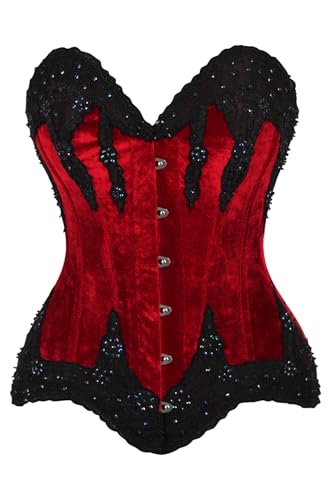
Fully Steel Boned Corset


STRIPED BELLE: With this range of Top Drawer Striped Corsets with Straps, you can complete any look or costume effortlessly. Pirate corset, saloon girl, ringmaster, marionette, harlequin, or burlesque dancer- there are no limits to the looks you can create with this corset style.
Frequently Asked Questions
Did Working-Class Women Wear the Same Undergarments as Upper-Class Women?
No. Working-class women adopted simplified garments reflecting working class adaptations, not identical to upper class standards; they wore chemises, stays or lightly boned corsets and petticoats made from plain linen or cotton for practicality reasons.
How Were Undergarments for Children Designed and Used?
Like a scaffold for growth, children’s undergarments prioritized comfort, mobility, and garment functionality; childhood fashion favored layers, gowns, drawers, petticoats, for easy diapering, with growth features, washable fabrics, and simple, unrestrictive construction for practical reuse.
What Were Typical Costs and Availability of Undergarments Across Social Classes?
Typical undergarment cost variations reflected class distinctions: upper classes afforded ornate, costly silk and multiple sets; middle classes bought simpler ready-made cotton pieces; working classes relied on homemade, coarse garments, worn until threadbare and replaced.
How Did Colonial and Regional Climates Affect Undergarment Materials and Choices?
Climate influence determined material choices: colder colonies favored wool, flannel and layered cotton for insulation, while warmer regions preferred lawn, muslin and silk or batiste to reduce heat, prompting lighter layering and combination garments adaptations
Were There Legal or Moral Controversies Specifically About Undergarments?
Yes; legal debates and moral standards surrounded undergarments, from Contagious Diseases Acts targeting women to corsetry controversies over health, sexuality, and decency, provoking reformers, activists, and public campaigns challenging gendered law and morality, advancing rights.