As an Amazon Associate, we earn from qualifying purchases. Some links on this site are affiliate links at no extra cost to you. Our recommendations are based on thorough research and editorial judgment.


The Symbolism of Underwear in Popular Media

Overview: Underwear in popular media functions as a compact visual code, signaling sexuality, identity, power dynamics, and social norms, often through costume, advertising, and protest. Key uses include: • sexual signaling and desire; • political identity and class display; • empowerment and body positivity; • masculinity and vulnerability; • public fashion and film metaphor. Each use carries consequences for self-image, censorship, and marketing, and further examples explain techniques and effects. More concrete cases follow for study and practical design guidance.
Key Takeaways
- Underwear in media signals sexuality and desire, often reinforcing narrow beauty ideals through stylized imagery and model selection.
- Visible underwear communicates identity, subcultural belonging, and political resistance in fashion and public demonstrations.
- Lingerie imagery is used as empowerment, reclaiming sexual agency and promoting body positivity when presented diversely.
- Filmmakers use undergarments as a visual metaphor for vulnerability, power shifts, innocence lost, or character transformation.
- Male underwear advertising shapes masculine ideals, blending vulnerability and virility while influencing body-image expectations.
Underwear as a Symbol of Sexuality and Desire

You may be interested


Although often presented as private clothing, underwear frequently operates as a public symbol of sexuality and desire, conveying messages about attractiveness, intent, and social norms.
Overview: Underwear functions as sexual signaling, shaped by cultural perceptions and media, informing expectations about desirability and behavior.
- Appearance and advertising: Ads use slim, youthful models, attracting attention, increasing purchase intent, and reinforcing narrow body ideals.
- Psychological effects: Wearing sexier underwear can raise felt attractiveness, desire, and receptivity, yet it may lower self-esteem when ideals are unmet.
- Relationship cues: Choices correlate with partner value, commitment, and self mate value, often predicting intimate receptivity.
- Practical note: Consider context, consent, and personal comfort, avoid assuming consent from attire.
- Media trends: Historical and contemporary portrayals shape norms, sometimes challenging traditional representations, widely.
Practical considerations like moisture-wicking technology and fabric choice also influence how underwear is marketed and perceived.
Undergarments and the Politics of Identity

Identity emerges in undergarments as both personal expression and public statement, signaling conformity, resistance, and social positioning. Underwear symbolizes class, gender norms, and legal control, and it functions in identity politics while remaining material culture.
Key functions:
- Historical conformity: corsets and tight lacing altered bodies to meet feminine ideals, causing health and social consequences.
- Class display: ornate hooks, fine fabrics, and impractical shapes signaled wealth, limiting mobility and work roles.
- Cultural protest: underwear used in demonstrations, like “Panties for the President”, turned clothing into political speech.
- Legal friction: bans or visibility rules made undergarments sites of juridical control, prompting symbolic reclamation.
Practical note: observe construction, context, and enacted meanings, to trace underwear symbolism in media and society. Consider sources. Manufacturers increasingly emphasize laser-cut edges to minimize visible panty lines and enhance comfort.
Lingerie as Empowerment and Female Emancipation

Building on how undergarments signal social roles, the reader should consider how lingerie serves as empowerment and bodily autonomy.
Overview
- Lingerie shifted from function to self expression and body positivity, offering choices that reflect personality and agency.
- Modern brands provide diverse sizes, colors, and styles, enabling autonomy in selection, enhancing self-esteem, reducing stigma.
- Public figures use lingerie in media to challenge norms, reclaim imagery from the male gaze, assert sexual agency.
Practical Effects
- Psychological: increased confidence, improved body image, healthier self-care routines.
- Social: signals changing gender roles, supports feminist reclamation, provides visible critique of historical constraints.
- Design: comfortable cuts replace restrictive garments, aligning fashion with emancipation and everyday movement.
- Policy and commerce: workplace dress codes, advertising standards, retail representation shift to inclusive practices everywhere.
Brands increasingly emphasize breathable, moisture-wicking fabrics such as modal and microfiber to enhance comfort and hygiene.
Recommended Products

Open eyes mouth nose. Back Zipper

71% polyester, 17% polyamide, 12% élasthanne, TRIUMPH - Die perfekte Inszenierung des weiblichen Körpers

63% Nylon, 22% Polyester, 15% Spandex
Masculinity, Vulnerability, and Male Underwear Imagery
Ambivalence and aspiration often coexist in male underwear imagery, creating cultural pressure and new possibilities for expression.
Context
– Images link muscularity and virility to briefs, teaching the reader that underwear objectification shapes status and desirability.
Vulnerability
– Exposure in public ads creates masculine vulnerability, blending risk and empowerment, and challenging modesty norms.
Consequences
– Results include reinforced traditional masculinity, commodified bodies, or increased body positivity and queer visibility.
Guidance
– Analyze pose, setting, implied spectators, and marketed identity, note whether imagery empowers, commodifies, or narrows aspiration.
Questions
– Who benefits commercially, which bodies are shown, does representation invite inclusion or sustain exclusion?
Examples
– Calvin Klein campaigns and classical references illustrate ideals, consequences include self-policing, altered consumer demand, emotional labor, and gradual shifts in public norms and identity work.
Many advertised styles also emphasize moisture-wicking technologies to suggest performance and modernity.
From Private to Public: The Rise of Lingerie as Fashion
Although once confined to private closets, lingerie has moved into visible fashion, changing how garments signal style, status, and personal comfort.
Overview
– Lingerie history shows corsets and bralettes moved from private to public, driven by social media, celebrities, and retail changes.
Key trends
- Corsets up 19% year-over-year, bralette and push-up searches rising, multi-use pieces enable versatile styling.
- Practical consequence: consumers choose wire-free, seamless, inclusive sizes, demanding comfort and sustainability.
Channels and impacts
- E-commerce, virtual fitting tools, and influencer campaigns expand reach, especially among ages 25–34.
- Resulting industry shift alters design priorities, production, and marketing, while normalizing visible lingerie as mainstream fashion.
- Example: retailers add size ranges, sustainable materials, AI sizing tools, increasing accessibility, lowering return rates, and raising consumer satisfaction across global markets widely.
Designers increasingly incorporate moisture-wicking fabrics and stretch blends to meet consumer demand for comfort and performance.
Advertising, Branding, and the Calvin Klein Revolution
The reader will examine how Calvin Klein used provocative imagery, minimalist design, and celebrity alignment to reshape underwear advertising, creating measurable commercial outcomes. Overview: Calvin Klein pioneered advertising innovation with stark photography, simple layouts, and celebrity focus, setting a template for modern campaigns. Tactics and Examples: – Provocative imagery leveraged shock and aspiration, exemplified by Brooke Shields and later icon campaigns. – Minimalist design made garments central, as seen with Kate Moss styling choices. – Celebrity alignment converted visibility into sales, demonstrated by Mark Wahlberg, Jeremy Allen White, and Bad Bunny metrics. Outcomes: – Measurable media impact values, social impressions, and clear sales uplifts proved strategy effectiveness. – The model linked brand identity to quantifiable marketing ROI. Metrics guide future campaign selection and budgeting. Contemporary campaigns also emphasize moisture-wicking properties in product descriptions to align functional benefits with aspirational imagery.
Recommended Products

SIGNATURE DIESEL STYLE- This structured bag is synonymous with Diesel's distinctive style, and has become a signature accessory

Emporio Armani expresses vitality and a carefree attitude, and possesses a particular allure and a special graciousness. This is a collection rich in ideas, always suggesting new ways of dressing to reflect the lifestyle of today’s youth.

【Premium PP Material & Clean Minimalist Design】Crafted from high-quality PP material, this Dkeli male mannequin features a clean, smooth finish with a neutral facial design that complements any garment without distracting from the clothing itself. Perfect for retail shop owners, online resellers, and clothing designers who need a professional dress form that lets their apparel take center stage.
Pop Culture Moments That Normalized Undergarments
Building on Calvin Klein’s celebrity-focused campaigns, the reader will learn how pop culture moments made undergarments socially acceptable and highly visible, and how those moments produced measurable cultural and commercial effects.
Visual Culture Effects: Times Square billboards and bus shelter ads made underwear advertising part of the cityscape, prompting theft, vandalism, and wide public discussion.
Celebrity-Driven Shifts: Celebrity impact in campaigns changed briefs from private items to aspirational fashion, boosting brand relevance and cross-generational acceptance.
Subculture Mainstreaming: Gay subculture aesthetics entered mainstream media, normalizing men as sex objects and influencing later advertising strategies.
Children and Licensing: Character-themed Underoos tied childhood fandom to brand loyalty, creating early consumer relationships and measurable market growth.
Commercial Outcomes: sales metrics, social media virality, and long-term brand positioning tracked after campaigns, with measurable results.
These shifts also intersected with evolving notions of fabric quality and moisture-wicking technology in performance-oriented underwear.
Recommended Products

Designed for men with reduced mobility who are bed-bound or in a wheelchair. The wrap is designed to work while the user remains prone or seated.

When rain’s in the forecast grab this versatile jacket that packs the protection of GORE-TEX for day hikes, commutes to campus, and everyday adventures.

The Abena Slip Premium size M3 fits hips 28"-43"; Absorbs up to 105 fl oz
Underwear as Metaphor in Film and Television
Vulnerability functions as a clear visual shorthand in film and television, signaling when a character is exposed, shifting, or stripped of social power and identity.
Key Functions:
- Underwear as metaphor maps inner change, using underwear aesthetics, character adaptations, to show vulnerability, shame, or moral collapse in clear visual terms.
- Costume acts as a Rosetta Stone, decoding psychology through color, fit, and wear, offering explicit consequences for narrative clarity.
- Sexual and intimate scenes use undergarments to show power dynamics, confidence, or defiance, aligning personal style with plot developments.
- Comedy and embarrassment scenes employ generic or mismatched underwear to signal foibles, reduce tension, and redirect audience sympathy.
- Designers intentionally select white briefs or pink lingerie to signal innocence lost, gendered codes, and staged vulnerability for audiences.
Costume choices also take into account practical considerations like seamless construction to maintain a smooth silhouette under tight-fitting garments.
Recommended Products
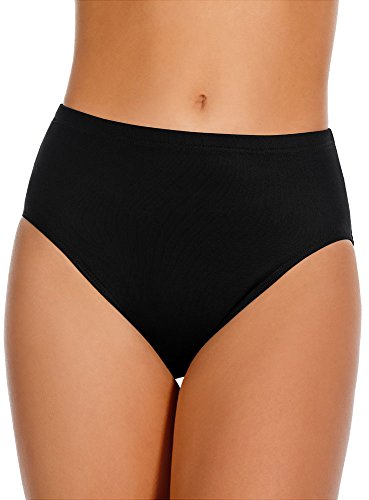

Matching Set: Nightgown and Robe two piece matching peignoir nylon sleepwear long gown set.

Experience the magic of a comfortable, contemporary look that instantly flatters every curve of your figure.
Subcultures, Fetishism, and the Visibility of Marginalized Groups
Although often dismissed as mere fashion, visible underwear functions as a communicative tool across subcultures, fetish discourse, and public protest, signaling identity, desire, or resistance.
Overview
- Subcultural fashion repurposes corsets and pointed bras, creating underwear rebellion that redefines constraint as empowerment, illustrated by punk, Goth, and Madonna examples.
- Erotic symbolism appears in fetish literature, explaining tactile and visual arousal mechanisms, and historical codpiece meanings.
- Public events like No Pants Day, Undie Runs, and subway rides increase marginalized group visibility, challenging societal norms and legal controversy.
- Gendered trends, such as whale tail and male sagging, show differing receptions and policy responses.
- Consequences include mainstream adoption, stigma reduction, legal pushback, and shifting dress codes in public and media spaces, periodically observed.
Additionally, absorbent underwear often uses breathable fabrics and flexible elastic bands to enhance comfort and movement throughout the day.
Recommended Products

Street Art x Retro Comic x Y2K Aesthetic Bold graffiti-inspired prints, retro American comic graphics (lips, stars, "LOVE/XOXO" slogans), and vibrant color blocking (black-red, pink-black) merge to embody Y2K cute culture, making it a statement piece for trend-conscious Gen Z and millennials.

Variety Pack: This set includes 10 stylish and comfortable women's hipster panties in assorted spooky and gothic designs featuring skulls, roses, stars, and eyeballs.
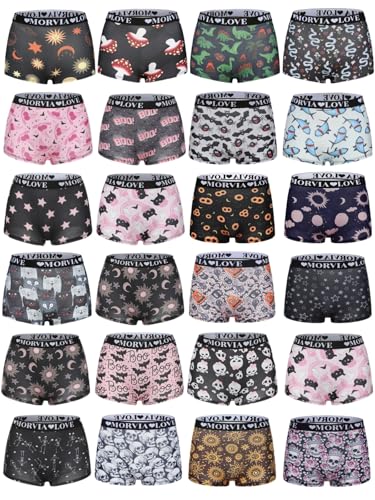
PACK CONTENTS: Set of 6 gothic-themed boyshorts featuring unique patterns including skulls with roses, stars, suns, and Halloween motifs in various colors
Emotional Exposure: Underwear Representing Human Fragility
Intimacy operates through underwear imagery, signaling private emotional states when characters or subjects are shown with garments revealed or removed.
Overview: The analysis explains how underwear signals emotional exposure, and links to personal identity and social meaning.
- Visual cue: underwear scenes indicate vulnerability dynamics, showing guarded or revealed emotional truth.
- Psychological link: choices in underwear reflect personal identity, influence confidence, and suggest fragility or empowerment.
- Social consequence: media frames invite societal judgments, causing shame, scrutiny, or empathy toward characters.
- Narrative use: loss or display marks moments of honesty, crisis, or intimacy, often shifting audience alignment.
- Practical note: creators should balance symbolism, avoid reinforcing gendered stereotypes, and consider cultural context.
- Research implication: media studies can measure impact on self-image, policy, and representation across cultures, globally considered.
Designs frequently employ soft, breathable fabrics like cotton-spandex blends to improve comfort and reduce skin irritation.
Frequently Asked Questions
How Does Sustainable Lingerie Production Affect Symbolic Meanings of Underwear?
Sustainable lingerie production reframes underwear as moral and civic signifier, linking intimate apparel to ethical consumption and highlighting reduced environmental impact, signalling wearer identity, social responsibility, and a shift from disposability toward durable, mindful ownership.
Do Religious and Cultural Taboos Globally Change Underwear’s Symbolism?
Yes. Scholars observe that religious and cultural taboos globally reshape underwear’s symbolism, as shifting cultural perceptions and taboos evolution transform garments from sacred markers to fashion statements, balancing modesty, identity, commercial aesthetics and markets.
How Are Children’s Underwear Marketed and Symbolically Represented?
Like a cheerful uniform for tiny explorers, children’s underwear is marketed through colorful characters, hygiene narratives, and sustainability cues, symbolizing childhood innocence, practicality and fostering brand loyalty among parents and kids alike across digital channels
What Legal Controversies Have Shaped Public Display of Underwear Advertising?
Legal controversies have prompted advertising regulations and withdrawals after debates over public nudity, alleged sexualization, First Amendment claims, and child protection concerns; regulators and courts balanced free expression, industry self-regulation, and reputational risk commercial speech
How Do Influencers and Fast Fashion Accelerate Underwear Trend Cycles?
Actions speak louder than words. Influencer marketing amplifies visibility and demand; fast fashion exploits trend prediction to rapidly copy and flood markets, shortening lifespans and normalizing continuous novelty while boosting impulse purchases and seasonal turnover.