As an Amazon Associate, we earn from qualifying purchases. Some links on this site are affiliate links at no extra cost to you. Our recommendations are based on thorough research and editorial judgment.


How Underwear Reflects Societal Changes

Overview: Underwear signals social change by linking technology, gender norms, economics, and health. It shows reform and mobility: bloomers and looser garments expanded women’s movement, and corset decline improved health. Wartime rationing forced material limits, prompting nylon and mass production, making lingerie widely available. Feminism shifted styles toward comfort, function, and choice. Men’s underwear evolved from basic function to branded fashion and performance fabrics. More examples and consequences follow if the reader continues for guidance.
Key Takeaways
- Shifts from restrictive corsets to liberating undergarments mirrored women’s mobility, health priorities, and growing gender equality.
- Wartime rationing and fabric controls (e.g., L-85) forced simpler designs and spurred alternative legwear innovations.
- Nylon and mass production democratized lingerie, expanding styles, colors, and accessibility across social classes.
- Feminist movements reshaped undergarment norms, prompting choices prioritizing comfort, autonomy, and political expression.
- Men’s underwear evolution reflects practicality, status signaling (visible waistbands), and functional needs like support and moisture management.
From Corsets to Comfort: Early 20th-Century Transformations
You may be interested


The early 20th century marked a practical shift in women’s undergarments, as traditional corsets shortened and softened, giving way to lighter, more mobile pieces that met changing social needs.
- Overview: Shorter corsets reduced restriction, preserved waist shaping, and introduced garter straps, improving corset comfort and mobility.
- Materials and styles: Silk habotai, cotton combinations, camisoles, tap pants, and split drawers provided lighter alternatives, aiding everyday movement.
- Practical effects: Workforce participation drove demand for underwear practicality, machine-made lace made decoration affordable, and liberty bodices offered support without boning.
- Examples and consequences: Mary Phelps Jacob’s bra concept and mass production by companies like Maidenform accelerated size standards, while hemlines and garter belts changed hosiery support needs. Additionally, the availability of machine-made lace made decorative undergarments more affordable and widespread.
Bloomers, Suffragettes, and Dress Reform
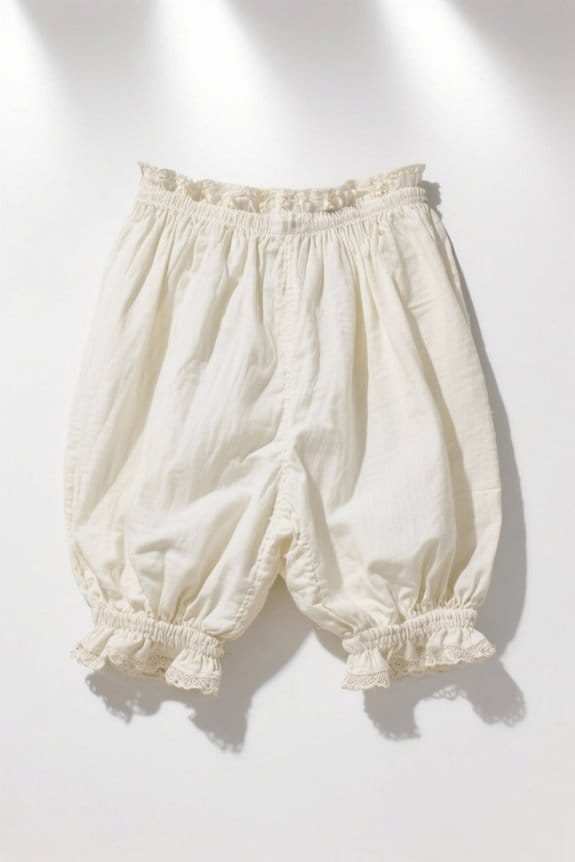
Beginning in the 1850s, dress reform activists introduced a divided garment that prioritized mobility, health, and practical clothing alternatives for everyday tasks. The garment, then called reform or Turkish dress, later became known as bloomers, and it embodied early dress activism and public protest. Key points:
- Origins: Advocates like Elizabeth Smith Miller and Amelia Bloomer promoted a short dress with pantaloons, offering easier laundering, movement, and reduced corset harm.
- Symbolism and use: Bloomer symbolism linked clothing choice to gender equality, and leaders wore the style at conventions to signal reform.
- Consequences: Wearers faced ridicule, harassment, crowds, and press coverage, prompting many activists to abandon the costume to focus on suffrage.
- Legacy: The movement influenced later practical women’s clothing and ideas.
Modern parallels include adaptive underwear designed to enhance mobility and comfort for people with limited dexterity and those recovering from surgery.
War, Rationing, and Practical Undergarments

Although focused on conserving materials for military needs, wartime clothing controls reshaped undergarments and everyday dress in clear, practical ways.
Key Measures
- Order L-85 enforced fabric rationing and garment restrictions, banning pleats, ruffles, full sleeves, full skirts, and limiting hem and belt widths.
- Nylon reallocated to military use, causing stocking shortages, black markets, and cosmetic substitutes like liquid stockings.
Practical Consequences
- Women wore narrower skirts, simpler slacks, fewer pockets, and leg makeup as a nylon alternative.
- Men accepted simpler suits, single trousers, and reduced trimmings.
- British coupon allocations limited purchases, extending rationing effects into postwar years.
- Exemptions covered maternity, bridal and religious garments, cosmetics production continued at reduced levels, and governments encouraged grooming to maintain morale, despite higher taxes and limited supplies during war.
Additionally, measures such as Order L-85 prompted manufacturers to simplify designs and seek alternative materials to maintain function and style.
The Nylon Revolution and Mass-Market Lingerie
When nylon emerged commercially, readers should note its rapid shift from novelty fabric to mass-market foundation for modern lingerie. Overview: Nylon innovation transformed hosiery and undergarments, offering affordability, strength, and sheerness that matched post-war demand. Wartime effect: Production shifted to military needs, creating shortages, rationing, and later buying frenzies. Post-war expansion: Factories scaled output to millions of pairs, democratizing lingerie through volume and color options. Technical notes: High tensile strength, elasticity, and dyeability enabled varied designs and mass production methods. Market impact: Lingerie marketing used scarcity and modern convenience to build desirability, driving store crowds and sustained demand. Consequences: Broader access changed wardrobe norms, supported new industry standards, and set the stage for later fibers like spandex. Postwar sales showed nylon’s rapid widespread adoption. Additionally, advances in fabric technology influenced later innovations such as moisture-wicking fabric, which would shape comfort and performance in undergarments.
Feminism, Sexual Liberation, and the Unmaking of the Bra
How did bras shift from practical garments to contested symbols during the mid-20th century, and what does that change mean for modern underwear?
Context and causes
- The modern bra rose in the 1910s, aided by wartime metal needs, replacing restrictive corsets, enabling movement and work.
- Suffrage and wartime labor tied undergarments to political agency, producing bra symbolism that mixed freedom, social expectation, and practicality.
Actions and outcomes
- Second-wave feminism rejected bras as control devices, spawning “No Bra” styles, symbolic protests, and design experiments.
- Resulting consequences included market diversification, more choice-led designs, debates about sexualization, comfort, and lasting cultural meanings.
- Practical guidance: choose breathable fabrics, prioritize fit over fashion, understand history when selecting styles, embrace options that reflect personal values and activity needs today universally.
Additionally, many contemporary shoppers also seek breathable fabrics and supportive fits when selecting underwear, mirroring priorities found in postpartum and comfort-focused designs.
Fashion Trends Driving Undergarment Design
Because market preferences now blend comfort, sustainability, and representation, undergarment design responds with varied technical solutions and visible trends that shape product choices.
Overview: Designers prioritize comfort, fit, and ethical sourcing, linking sustainability innovations with inclusive marketing and sizing strategies.
Key trends:
- Wireless and adjustable bras, sports styles, seamless knits, pointelle cotton accents, pastel palettes, scalloped hems.
- Inclusive size ranges, adaptive closures, and campaign imagery reinforce body positivity, influencing purchase decisions and brand reputation.
Practical consequences: Retailers must update size charts, supply chains, and marketing, or risk losing younger, socially conscious customers.
Design guidance: Specify breathable fabrics, transparent sourcing, and modular fits, test across body types, collect social feedback, and track comfort-driven sales metrics for iterative improvement. Brands should report progress, maintain ethical certification. Many top-rated options emphasize seamless construction to eliminate visible panty lines and enhance comfort.
Material Innovation: Lycra, Seamless Tech, and Fit
Although introduced decades ago, Lycra and seamless knitting now form the technical backbone of modern undergarment fit, comfort, and durability.
- Key benefits: The reader sees Lycra advantages such as high elasticity, quick recovery, breathability, and wash resilience, which enable lasting shape and reduced chafing.
- Seamless tech: Seamless comfort comes from knit construction that removes bulky seams, lowers visible lines, and allows patterned textures for function.
- Fit and variety: Fit diversity expands through Lycra blends, yielding sizes for different bodies, sport, and shapewear needs.
- Practical notes: Material blends pair Lycra with cotton or nylon for softness, moisture control, and manufacturing scalability; care instructions preserve elasticity and extend lifespan. The reader should select garments with proper fabric ratios, follow label washing, and replace worn items promptly. Many modern cheeky thongs use blends with high spandex content to enhance stretch and comfort.
Men’s Underwear: From Function to Style
Context provides a foundation for understanding the shift of men’s underwear from private utility to public style marker, and it frames practical choices for the reader. Historical Overview The underwear evolution moved from loincloths and braies to codpieces, union suits, and modern briefs, showing function and cultural symbolism. – Briefs: introduced 1935, Y-fronts added support and emphasis, practical for active wear. – Industrial Revolution: materials like cotton and wool prioritized comfort and hygiene, two-piece sets increased practicality. – Branding: visible waistbands and designer logos shifted underwear into outerwear and status signaling, influencing streetwear. Practical implications for the reader: choose fit, fabric, and style by activity, season, and desired public visibility. Consider pockets, seams, and elasticity, they affect comfort, durability, and visual profile, daily use. Many contemporary brands emphasize moisture-wicking features to enhance daily comfort and performance.
Undergarments, Identity, and Cultural Norms
Having outlined men’s underwear evolution from function to style, the focus now moves to how undergarments signal identity and enforce norms. Overview: The section explains cultural symbolism, textile evolution, and class, with clear examples and consequences. • Corsets: imposed shapes, health risks, social control; aristocratic styles indicated wealth, working-class versions prioritized labor. • Shifts in the 19th–20th centuries: wartime needs and dress reform led to looser garments and increased female autonomy. • Visibility and rebellion: lingerie worn outerwise signaled political challenge and changing gender rules. • Practical effects: hygiene, workplace suitability, and medical critiques changed manufacturing and regulation. Conclusion: Readers can trace identity markers in fabrics, cuts, and care, understanding how undergarments both reflect and shape societal expectations. • Note: regional differences affected meanings and acceptable practices over time. Manufacturers later incorporated moisture-wicking and breathable materials into designs to meet changing practical needs.
Frequently Asked Questions
What Is Underwear’s Environmental Footprint and Textile Waste Impact?
Astronomically, underwear contributes roughly 2.5 to 13.36 kg CO2e per pair and millions of kilograms to landfills daily; its production drives water, dye pollution, and carbon emissions, prompting interest in sustainable materials and recycling initiatives.
How Do Labor Conditions Affect Global Underwear Manufacturing?
Poor labor conditions depress quality, raise turnover and costs, and propel brands toward audits and reform; labor rights violations undermine manufacturing ethics, driving consumer backlash, compliance costs, and shifts toward transparent, ethical underwear supply chains.
Are Smart Undergarments Becoming Mainstream for Health Monitoring?
15.6% projected CAGR indicates smart undergarments are becoming mainstream for health monitoring, analysts observe. They highlight smart textiles enabling continuous health tracking, broader affordability, adoption, and rising consumer trust driving expansion and integration with care.
How Inclusive Is the Industry Regarding Plus-Size and Adaptive Underwear?
The industry remains unevenly inclusive: size representation has improved via mainstream and luxury entrants and e-commerce, yet gaps persist; adaptive designs are emerging but limited, with inconsistent sizing, premium offerings, and cultural barriers restricting access.
What Are Hygiene Risks of Vintage or Secondhand Underwear?
Like an old house harboring tenants, it warns that vintage materials and unwashed garments carry spores, lice, mites, bacteria and viruses; hygiene concerns include fungal, parasitic, bacterial transmission, allergies and infection risk, especially immunocompromised individuals.