As an Amazon Associate, we earn from qualifying purchases. Some links on this site are affiliate links at no extra cost to you. Our recommendations are based on thorough research and editorial judgment.

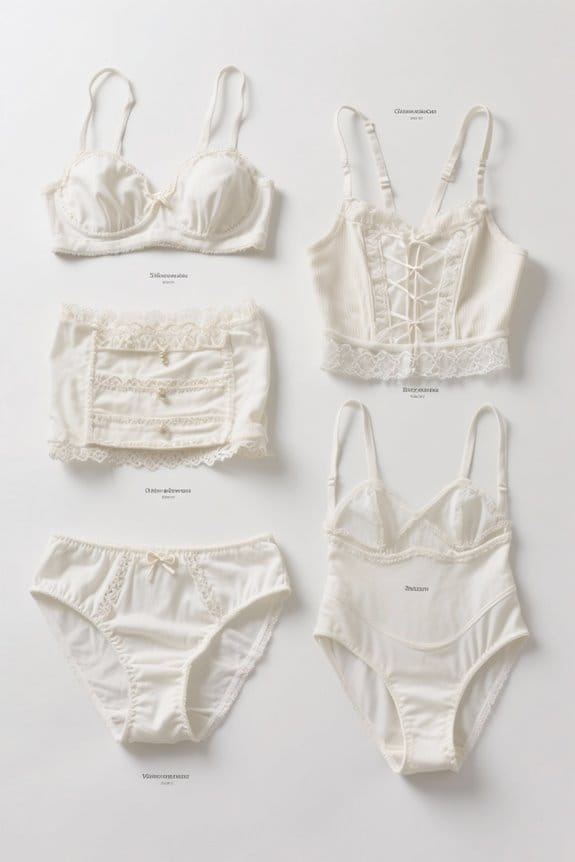
Famous Moments in Underwear History

Key moments: Loincloths and braies established basic coverage and mobility in ancient societies, codpieces changed male fashion and modesty rules in the Renaissance, corset innovations and metal eyelets altered silhouette control and durability, Mary Phelps Jacobs’ 1910 bra prototype began modern brassiere design and commercialization, nylon and pantyhose expanded accessibility and style choices, the Y-front brief standardized men’s underwear, and Wonderbra and Victoria’s Secret transformed lingerie into visible fashion; continued review reveals fuller contextualization ahead.
Key Takeaways
- Loincloths: the world’s earliest underwear, used across ancient cultures for modesty, protection, and social signaling.
- Medieval braies: common men’s linen undergarments that evolved from loose to shorter styles by the late Middle Ages.
- The codpiece: a late-15th–16th-century fashion innovation that combined modesty, padding, and ostentatious display in men’s wear.
- Mary Phelps Jacobs’ 1910 handkerchief-bra prototype (patented 1914) launched the modern wireless brassiere industry.
- The 1994 Wonderbra “Hello Boys” relaunch and Victoria’s Secret’s rise transformed lingerie into mainstream fashion and marketing spectacle.
Loincloths: The World’s Earliest Undergarments
You may be interested


The reader should understand that loincloths were practical garments, used for modesty and protection across many ancient societies, evolving in form and social meaning over millennia.
Overview: Loincloths began as simple wraps, serving as underwear or outerwear depending on class and climate.
Construction and examples: Egyptian schenti used linen triangles tied and belted, Japanese fundoshi and Indian lungi persist in regional dress, Mesoamerican and Inca styles used strips wound and fastened.
Cultural significance, global variations: Decorations, length, and fabric signaled status, work role, or ritual meaning, with nobles adopting finer skirts while workers wore basic wraps.
Consequences: Choice affected mobility, hygiene, and social identity, and changes led to skirted forms in Egypt by the Middle Kingdom.
Note: Evidence appears across art, texts, and burials.
In some modern underwear, fabrics such as viscose from bamboo are used for softness and moisture-wicking.
Braies and Medieval Men’s Wear
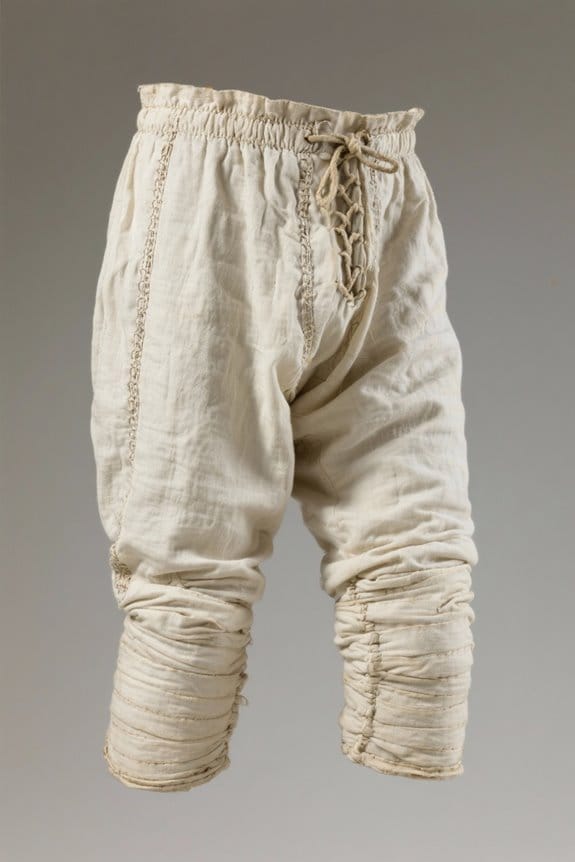
Braies, the common men’s undergarments of medieval Europe, served practical, social, and structural roles beneath tunics and hose.
Origins and Fabric: Braies evolved from Celtic and Germanic trousers, made in linen for peasants, silk or fine wool for nobility, indicating status.
Function and Use: They protected outerwear, reduced chafing, were worn for labor or bathing, and formed a base under hose or undertunics.
Fit and Change: The braies evolution moved from loose, mid-calf lengths to shorter, tighter styles by the late Middle Ages, sometimes showing side slits for mobility.
Social Meaning: Widely worn across classes, medieval undergarments balanced necessity and fashion, influencing later male garments.
Specific examples help illustrate consequences, for example nobility displayed silk braies, while peasants preferred durable linen for daily work.
Many modern underwear choices emphasize soft, breathable materials like 100% cotton for comfort and durability.
The Renaissance Codpiece and Male Fashion

Codpieces emerged in late fifteenth-century Europe to join separate hose legs, providing modesty and practical coverage as doublets shortened. Overview: The codpiece significance grew from a simple triangular braye to padded, shaped forms that covered openings and held small items. Functions: – Practical coverage and modesty, – Fashion display, padded and ornamented, – Armor mirrors, reinforcing masculine symbolism. Styles and examples: – Triangular braye evolved to padded, loaf-shaped, and elongated forms, especially in Tudor England and Spanish courts. Consequences: Exaggeration led to satire and moral criticism, and changing breeches reduced need. Decline: By the late 16th century codpieces faded, replaced by breeches with flies, shifting emphasis to chest and hips. Cultural impact: Seen across classes, it signaled status, military identity, and male pride until fashion tastes changed period. Modern thermal garments often use fleece lining and synthetic blends for warmth and flexibility.
Corset Reinvention: Metal Eyelets and Waspsies
– Although metal grommets were invented in 1822, effective adoption did not occur until about 1828, and resistance delayed widespread change into the 1830s.
Overview:
– Corset evolution is shown by the shift from hand-sewn eyelets to metal eyelets, enabling tighter lacing and more durable garments.
Practical effects:
– Metal eyelets, combined with steel boning, increased shaping technology, allowed greater tension without fabric failure, changed silhouette control.
Examples and advice:
- Expect cheaper production, front busk fasteners, and steam-molded shaping by mid-century.
- Consequences include easier mass production, reduced repair from ripped eyelets, and clearer maintenance needs for metal parts.
Note:
- This section avoids later bra inventions, focusing on 19th-century corset mechanics.
- Readers should inspect eyelets for corrosion, reaffix loose grommets, and prefer lined channels for longevity. Regularly. Many 19th-century corset wearers would have appreciated later innovations like soft, breathable materials that enhance comfort and reduce skin irritation.
Mary Phelps Jacobs and the 1910 Bra Breakthrough
After corset fittings grew more rigid and shaped the body with metal eyelets and steel boning, wearers and dressmakers sought alternatives that preserved silhouette without bulk, creating a practical opening for new undergarment designs.
- Prototype and Demand: Mary Phelps Jacobs made a soft brassiere from two handkerchiefs and ribbon, worn at a 1913 ball, prompting immediate requests.
- Patent and Claims: Patent filed February 12, 1914, granted November 3, 1914, emphasized universal fit and activity suitability, establishing wireless bra foundations.
- Commercial Outcome: She formed Fashion Form Brassiere Company in 1920, later sold the patent for $1,500; corporations profited substantially.
- Consequences and Impact: Note social impact and design evolution, metal conservation in World War I accelerated adoption, and precursors inform context. Readers should weigh these facts.
Many modern undergarments borrow features from early innovations and often include seamless design and moisture-wicking fabrics to improve fit and comfort.
Nylon’s Impact on Lingerie Accessibility
Material innovation like nylon reshaped who could afford and wear fashionable lingerie, by combining lower cost, new looks, and practical performance. Overview: Nylon’s arrival created nylon affordability, lowering prices compared with silk, expanding choices for many consumers. Key effects:
- Wider access: cheaper nightgowns, slips, bras reached lower-income women, supporting lingerie democratization.
- Practical benefits: easy laundering, colorfast dyes, mildew resistance, longer wear life.
- Design changes: sheer, slinky fits and vibrant colors became common, encouraging varied styles.
- Wartime disruption: military use reduced civilian supply, causing scarcity and high prices, then post-war demand surged.
Implications for buyers: expect durable, colorful garments, easier care, and broader size and style availability at lower cost. Retailers broadened offerings, manufacturers combined nylon with elastane, improving fit and comfort reliably for everyday wear. The shift in materials would later parallel trends toward sustainable textiles such as organic cotton blended with elastane for comfort and stretch.
The Y-front Brief: A 1935 Men’s Underwear Revolution
When introduced in 1935 during a Chicago blizzard, the Y-front brief immediately altered men’s underwear expectations, offering improved support, simpler fastenings, and a briefer silhouette that contrasted with prior garments.
Origins and innovation
– Designer Arthur Kneibler adapted a French bathing suit, creating a brief design with a Y-shaped overlapping fly, Lastex waistband, no leg sections, and built-in support.
Commercial rollout
– Launched January 19, 1935, at Marshall Field’s, sold 30,000 pairs in 90 days, deliveries used a plane, competitors copied the style.
Impact and adoption
- Reader should note the market strategy: branding as Jockey, rapid retail expansion, UK launch in 1938, long-term dominance of the Y-Front term.
- Consequences include wider acceptance, standardization of briefs, color expansion, and continued use across decades internationally to consumers. Many modern thermal underwear designs emphasize moisture-wicking properties to keep wearers dry during activity.
Pantyhose, Prints, and Midcentury Lingerie Trends
The reader should understand that the Y-front brief’s commercial success coincided with postwar changes in women’s fashion and textile technology, which encouraged the invention and rapid adoption of pantyhose. Overview: Midcentury shifts combined rising hemlines, workwear needs, and new fibers, producing practical lingerie changes. Key developments:
- Pantyhose evolution: 1953 Gant’s Panti-Legs, 1956 Rice patent, 1958 Chemstrand leotard-stockings, 1959 retail launches.
- Materials and machines: DuPont nylon introduced earlier, later spandex improved stretch, knitwear technology adapted existing hosiery machines for cost-effective mass production.
- Cultural impact: mini-skirts and celebrities sped adoption, pantyhose removed garter systems, increased comfort and workplace suitability.
Consequences: wider access, lower cost, continual design innovation. Market expansion followed, manufacturers standardized sizes, and consumers gained variety in colors, prints, and patterns rapidly. Many modern underwear choices emphasize breathability and odor control, often using bamboo viscose and moisture-wicking blends for comfort and antimicrobial benefits.
Wonderbra, Victoria’s Secret, and Lingerie as Fashion
Although rooted in utilitarian underpinnings, mid- and late‑twentieth‑century brands redefined bras and lingerie as visible fashion and status symbols.
Overview: The reader should note two key developments, Wonderbra evolution and Victoria’s Secret branding, which shifted underwear into fashion.
- Wonderbra: Introduced in 1940s, push‑up design evolved, 1994 1300 relaunch used “Hello Boys” ad, sales spiked globally, placed bras as cosmetic luxury.
- Victoria’s Secret: Founded 1977, used catalogs, stores, shows and supermodels, made lingerie aspirational, expanded into beauty and lifestyle products.
- Consequences: Lingerie became visible outerwear, influenced body ideals and marketing, required new textiles and retail strategies.
- Practical tip: When studying these shifts, compare campaigns, sales data, and design changes to assess cultural impact.
Note feminist responses and textile innovation, which altered consumer expectations and retail.
These developments also intersected with innovations in fabric such as moisture-wicking properties and seamless construction that improved comfort and performance.
Frequently Asked Questions
How Did Non-Western Cultures Develop Undergarments Differently From Western History?
Non-Western cultures developed undergarments emphasizing function, modesty, and ceremonial roles, reflecting cultural significance and textile variations—linen, silk, cotton, leather—favoring loose or dual-purpose garments suited to climate, religion, and social practices rather than Western shaping fashions.
When Did Underwear Become Mass-Produced Using Industrialized Factories?
Underwear became subject to mass production in the late 18th to mid-19th centuries during the Industrial Revolution, when mechanized spinning, weaving and sewing enabled factories to produce ready-made undergarments at scale for broad markets worldwide.
How Has Underwear Impacted Public Health and Hygiene Practices Historically?
Underwear historically influenced public health by prompting hygiene campaigns, workplace health regulations, and textile innovation; underwear cleanliness campaigns reduced infection spread, while regulations on materials and production advanced sanitary standards and occupational safety globally adopted.
What Are Key Milestones in Inclusive Sizing and Plus-Size Underwear Availability?
Key milestones include mass production and ready-to-wear plus-size lines in early twentieth century, stretch-lace adoption (1965), major brands expanding sizes, Hanky Panky’s plus launches, and media-driven inclusive fashion and improved size representation through e-commerce expansion.
How Have Labor and Ethical Manufacturing Issues Affected Underwear Production?
At first glance, labor and ethical manufacturing issues have reshaped underwear production: exposed abuses prompted compliance drives, pressured brands toward sustainable practices and stronger labor rights, but persistent exploitation and opacity continue to undermine change