As an Amazon Associate, we earn from qualifying purchases. Some links on this site are affiliate links at no extra cost to you. Our recommendations are based on thorough research and editorial judgment.


The Renaissance and Underwear Artistry

Shaping: Smocks, stays and early corsets controlled posture and waist, improving silhouette but requiring careful fit. Materials: Silk signaled elite status, fine linen was common, wool gave warmth. Chemise: Served as foundation, absorbed sweat and protected outerwear. Stockings: Knitted hosiery spread by frames, allowing fitted, patterned legs. Ornament: Tassels, slits and jeweled fastenings displayed rank. This overview outlines effects, maintenance needs, and social meanings, explore further to learn specifics about fabrics, tools, and etiquette now.
Key Takeaways
- Renaissance underwear combined practical chemises with shaped stays, balancing hygiene, modesty, and emerging torso sculpting.
- Luxurious materials like silk and fine linen signaled status, while linen remained common for everyday undergarments.
- Stays and early corsetry introduced structural shaping, improving posture and visually narrowing the waist for aesthetic ideals.
- Decorative details—tassels, visible sleeve slits, and embroidery—served as deliberate class markers and craftsmanship displays.
- Innovations in stockings and knitting technologies expanded fit options and made fashionable hosiery more widely accessible.
Shaping the Figure: From Smocks to Corsets
You may be interested


– The smock, a simple linen undergarment worn next to the skin, protected outer clothes from sweat and oils, and served as the basic layer for shaping garments.
Overview
– The evolution from smocks to stays and later corsets involved gradual corset construction changes, adding stiffening, busks, and lacing for body shaping.
Key steps
- Smock: hygiene layer, flexible support.
- Stays: laced panels, moderate shaping, front or back lacing, less rigid than later corsets.
- Early corset: rigid inserts like whalebone or wood, straightened front, conical torso shape.
Consequences
– Posture improved, waist narrowed, silhouette enforced; social signaling increased, skilled tailoring became essential.
Practical note
– Proper fit and progressive tightening reduced discomfort and preserved mobility. Tailoring mattered. Seek measured adjustments.
Many modern shaping garments incorporate seamless designs to remain invisible under clothing while providing gentle shaping.
Recommended Products

Model is wearing a size 4P dress. Size 4P measures approximately 56" from shoulder to hem.

Elegant and supportive full cup underwire bra

Feel beautiful in this sheer, low-neck balconette bra
Materials of Status: Silk, Linen, and Wool

Materials determine both comfort and social signaling, so the reader should assess silk, linen, and wool by function, cost, and care.
Silk: luxury and care****
- Silk symbolism marked nobility, soft and smooth but costly, requires gentle washing and limited use.
- High-grade silk served for fine linings and special underlayers, stains and wear reduce status.
Linen: common utility****
- Linen versatility made it ideal for next-to-skin garments, breathable, moisture-wicking, improves with washing.
- Varied weaves signaled rank, finer thin linens for wealthier people.
Wool: practical insulation****
- Wool warmth provided durability and insulation in cold seasons, less breathable, tailored for robust outer garments.
- Craftsmanship altered fit, longevity, and subtle status cues.
- Choice influenced laundering costs, seasonality, and visible edges, which clearly informed household budgets and public perception of refinement and social hierarchy.
Modern readers should also note that textiles certified as free from harmful substances, such as OEKO-TEX Standard, are tested to reduce skin irritation and improve comfort.
Recommended Products

Long sleeve thermal underwear, warm and lightweight

Classic cut tank with built-up straps, slight V-neck and satin edging

Extremely comfortable
The Chemise: Foundation and Fashion
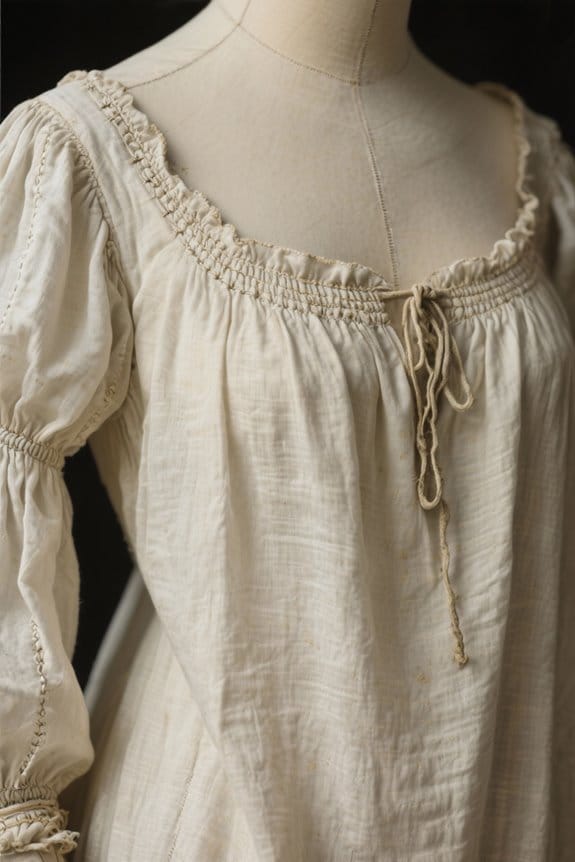
After evaluating silk, linen, and wool for comfort and status, the chemise becomes the basic underlayer to examine, because it directly contacts the body and determines laundering, comfort, and visible ornamentation.
Overview
- Origin: Roman tunica to medieval linen shift, showing history relevance, practical function, and simple construction.
- Materials and construction: undyed linen common, occasional silk or muslin, straight seams, thin straps, pleating and blackwork appeared later.
- Function: absorbs sweat, protects outerwear, is the main washable garment, influences hygiene and garment longevity.
- Social use: owned across classes, quality signaled wealth, visible decoration caused regulation, demonstrating cultural significance.
- Fashion note: late 18th-century chemise à la reine became outerwear influence, then term returned to undergarment after 1800.
- Practical tip: launder frequently to preserve outer garments and standing. Choosing breathable fabrics like linen or cotton blends improves comfort and hygiene.
Stockings and Knitting Innovations
Three developments shaped Renaissance hosiery, combining materials, technology, and fashion to make stockings both practical and status-bearing.
Overview: Practical changes increased access to silk, wool, and blends, enabling varied textures and colors for different ranks.
- Knitting and production: The stocking frame of 1589 improved speed, consistency, and scale, creating ready-made sizes, reducing costs, and challenging hand knitters.
- Design and function: Knitted designs allowed closer fit, patterned motifs, and reinforced high-wear areas, increasing durability and visual impact.
- Social effects: Stocking technology spread ownership beyond nobles, letting artisans acquire multiple pairs, while silk stockings remained clear status markers in inventories.
Consequences included faster supply, standardized sizing, and new trade in finished hosiery. Readers should note maintenance demands, repair methods, and economic impacts on local textile labor. Many modern undergarment makers also emphasize moisture-wicking materials and elastic blends to improve comfort and longevity.
Recommended Products

8 Pc including: 1 coat + 1 pants + 1 vest + 1 tie + 1 pair of wrist cuffs + 1 pair of stockings.

Instantly Elevate Your Confidence: Experience the transformative power of our Elevated High-Waist Design, expertly crafted for a flawless, sculpted silhouette. Feel the secure, non-rolling fit that empowers you with unwavering confidence and timeless elegance for any occasion, day or evening.

Gothic & Witchy Aesthetic – The criss-cross lace-up design is perfect for parties, gothic outfits, coslpay, Halloween and festival wear.
Ornament and Display: Tassels, Slits, and Accessories
Stocking innovations increased access to fine undergarments, so visible ornament—tassels, sleeve slits, and accessories—became clearer markers of rank and taste.
Overview
Tassels functioned as lively accents, jingling with movement, signaling wealth through materials and complex forms.
Details
- Tassels marked luxury, appearing on bodices, belts, and sleeves, with tassel symbolism tied to fertility and purity.
- Sleeve slits exposed silk or fine cotton underlayers, showing craftsmanship, leisure, and regional stylistic differences.
- Sleeve embellishments included slashes, contrasting fabrics, lace edges, and jeweled shoulder rolls that highlighted social standing.
- Accessories such as bejeweled belts, pearl necklaces, and decorated pouches conveyed identity and moral values through recognizable motifs.
Practical consequence: visible ornament required maintenance and expense, and as a result reinforced elite distinctions. They demanded skilled makers and careful preservation daily.
Like modern antibacterial garments, such ornate pieces required regular washing and careful maintenance to preserve their materials and appearance.
Recommended Products

PREMIUM BURGUNDY VELVET – Made from high-quality soft velvet that offers a rich, elegant look and smooth, comfortable feel—ideal for evening wear and special occasions.

By M+F Western Products

Class, Function, and the Evolution of Bodices
A clear shift in dress practice separated shaped bodices from outer gowns, making structured torso-support garments both practical and symbolic, used to control posture, silhouette, and social display.
Overview
- Historical context: originated as “pairs of bodies” in the 15th century, stiffened with paste, reeds, buckram, or bents to flatten and shape the torso.
- Function and form: busks, whalebone, wood and leather increased rigidity, supporting farthingales and creating conical or hourglass silhouettes, with visible social consequences for status.
- Class signaling: tighter, lavishly embroidered bodices marked aristocratic refinement, while plain linen signaled lower rank.
- Fashion evolution: construction shifted from soft kirtles to rigid, architectural supports by mid-century, influencing posture, modesty, and courtly ideals.
- Practical note: wearers adjusted lacing gradually, maintain posture, and guarantee comfort and longevity.
Many modern garments emphasize sustainability, with several brands producing underwear composed of 95% organic cotton for improved breathability and reduced environmental impact.
Frequently Asked Questions
What Did Men Wear as Underwear During the Renaissance?
Men wore shirts and braies beneath doublets and hose; braies varied with breeches design, often cut short and tied, made from linen materials for hygiene and comfort, sometimes layered with stockings or hose under garments.
How Were Undergarments Cleaned and Laundered Historically?
Like alchemists, launderers soaked and scrubbed linen in lye baths, used spot remedies, rinsed in running water and air‑dried in shade; historical laundering relied on manual washing techniques, steam, dew, and careful handling for delicates.
At What Age Did Children Begin Wearing Structured Undergarments?
Children began wearing structured undergarments from about age six, with variations; childhood fashion introduced stays or corset-like bodices gradually toward adolescence, adapted for health and mobility while echoing adult silhouettes and social status and identity.
Were Regional Differences Evident in Renaissance Underwear Styles?
Yes, regional variations were evident; observers note regional variations and cultural influences shaped fabrics, cuts, ornamentation, headwear, and layering—southern linen lightness, northern wool warmth, Iberian Moorish motifs, and social rank affecting construction and decoration styles
Did Corsetry Cause Documented Health Problems or Medical Debate?
Yes. Medical literature and physicians long recorded corsetry controversies, documenting varied health implications—respiratory restriction, digestive compression, musculoskeletal effects and anemia—while modern studies nuance risks, noting short-term effects, therapeutic uses, and broader social debates over fashion.