As an Amazon Associate, we earn from qualifying purchases. Some links on this site are affiliate links at no extra cost to you. Our recommendations are based on thorough research and editorial judgment.

The Impact of Microplastics From Synthetic Underwear

What they are: Microplastic fibers are tiny plastic strands shed from polyester and nylon underwear during wear, washing, and drying, entering wastewater and soil. Why it matters: Millions of fibers per wash can harm aquatic life, carry toxic additives, and reach human tissues like blood and milk. How to reduce: Wash cold, use shorter cycles, install filters or lint bags, air-dry when possible, and choose cotton or certified textiles. More practical steps follow below soon.
Key Takeaways
- Synthetic underwear can shed hundreds of thousands of microfibers per wash, especially polyester and acrylic garments.
- Washing agitation and high-heat tumble drying are primary mechanisms driving microfiber release from synthetic underwear.
- Microfibers persist in wastewater, sediments, and oceans, harming aquatic life and altering ecosystems and nutrient cycles.
- Microfibers and associated additives have been detected in human blood, milk, and semen, raising potential health concerns.
- Reducing impact involves choosing natural fibers, washing cold, using microfiber filters or capture bags, and supporting product and policy changes.
What Are Microplastic Fibers and How Do They Form
You may be interested


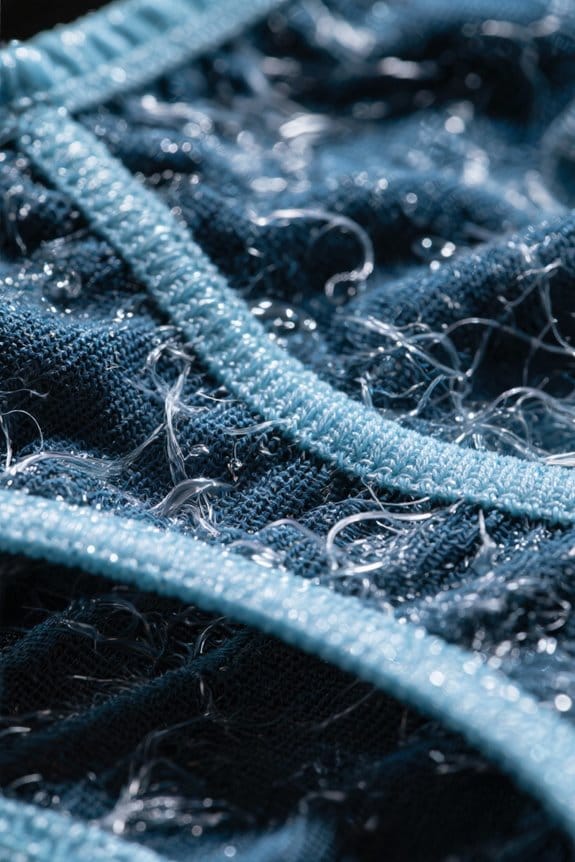
Readers should understand that microplastic fibers are tiny, persistent plastic strands that form and spread through everyday textile and plastic use, creating widespread environmental contamination. Definition and types: Microfibers are under 5 millimeters, include PET, polypropylene, nylon, and fall under microplastic classification as primary or secondary. Formation processes: Mechanical abrasion, washing, UV photo‑oxidation, and weathering cause fiber degradation and shedding from textiles and larger plastics. Sources and pathways: Released during manufacturing, wearing, washing, disposal, they enter water, air, soil, and organisms. Consequences: Persistent accumulation, transport to remote habitats, and incorporation into food webs. Practical notes: Washing parameters, textile friction, and product design influence release, so mitigation can focus on these stages.
- Examples: laundry effluent, textile production waste, tire wear contribute widely.
- Mitigation: filter washing machines, reduce friction, improve material choices and reuse.
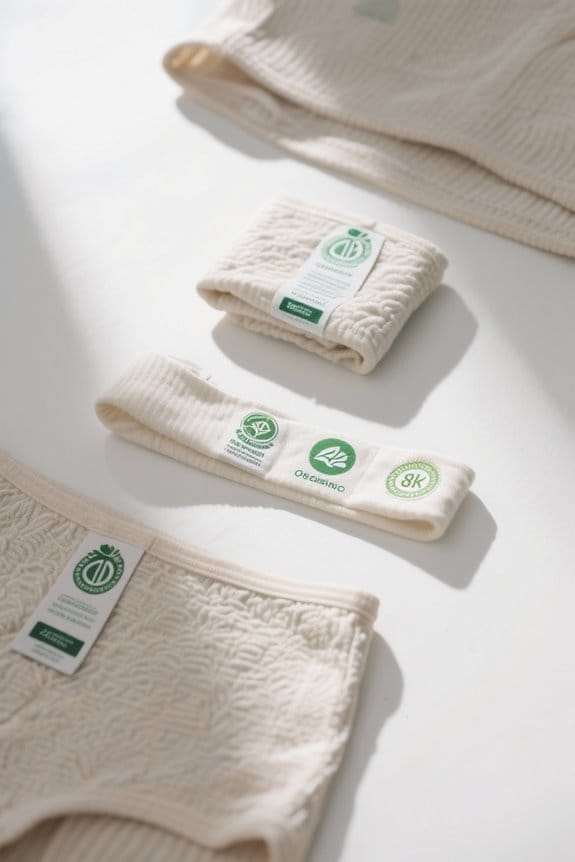
GOTS certification signifies adherence to eco-friendly practices in cotton production.
Why Synthetic Underwear Is a Significant Source

Following the overview of how microplastic fibers form and spread, synthetic underwear emerges as a major, measurable source of microfiber pollution, demanding focused attention on fabrics, washing, and design.
Key evidence and scale
- Polyester underwear can release up to 496,030 microfibers per wash, acrylic up to 730,000, indicating high microfiber shedding.
- Knitted synthetic fibers shed more than woven, satin more than twill, plain weave least.
Consequences
- Synthetic textiles contribute about 31% of primary microplastics to oceans, and apparel causes 8.3 million tons of annual plastic leakage.
- Microfibers persist, accumulate in marine food webs, and have been detected in human blood.
Factors and options
– Friction, fabric type, and structure drive release, blended or natural fiber choices reduce long-term pollution.
Recommendations appear in the next section.
Choosing garments with moisture-wicking properties can help keep fabrics drier and may reduce conditions that promote fiber degradation during wear and washing.
How Washing and Drying Release Microfibers
Understanding how washing and drying release microfibers helps consumers reduce pollution, because mechanical action, detergents, temperature, and drying all combine to detach tiny fibers that bypass many wastewater filters.
Mechanical causes
– Agitation in a washing machine impact causes friction among garments, spin speed and load size raise shedding, front-loaders shed less, first wash sheds most.
Chemical and temperature effects
– Detergent type and concentration matter, alkaline or harsh powders increase fiber breakage, liquid detergents and fabric softeners may reduce shedding temporarily, hot and long cycles increase release.
Drying and lifetime
– Tumble drying, especially high heat and repeated cycles, adds more microfiber pollution, lint traps catch some, many fibers still escape.
Practical steps: wash cold, use liquid detergent, choose gentle cycles, avoid high heat drying regularly.
Including garments with high-percentage cotton reduces reliance on synthetics and improves breathability.
Recommended Products

DURABLE & WASHABLE – Made from tear-resistant fabric with double-stitched seams. Won't rip even when stuffed with wet towels or heavy jeans. Toss the bag directly into the washing machine – no pilling, no fraying.

Bulk 30 Pack for High-Use Environments: Designed for dormitories, vacation rentals, laundromats, apartment complexes, and shared laundry rooms where frequent washing and organized sorting are required

COLOR-CODED SORTING SYSTEM – 12 mixed colors so everyone in the family or dorm gets their own. No more guessing which bag belongs to who. Perfect for separating lights from darks, or keeping each person's laundry separate.
Pathways: From Lint Trap to Ocean and Soil
After washing and drying release microfibers, many of those tiny fibers follow several physical routes, moving from lint traps and wastewater systems into rivers, soils, and the air.
- Key pathways: wastewater discharge, landfill leachate, biosolid application, atmospheric deposition.
- Consequences and controls: treatment limits allow fibers, environmental persistence makes long term contamination likely, use of filters and laundry bags reduces release by up to 95%.
- Practical steps: small filters in machines catch many fibers, regular lint trap cleaning limits onsite buildup, choosing natural fabrics lowers synthetic shedding, monitoring treated effluent and limiting biosolid spread reduce soil contamination.
Choosing performance underwear with moisture-wicking fabrics and supportive pouch designs may help reduce fiber shedding during wear and laundering.
Observations show long range transport moves fibers beyond local sources, increasing exposure across ecosystems. Data indicate routine household actions influence marine and soil pollution trajectories.
Chemical Additives in Synthetic Fabrics and Health Concerns
How do chemical additives in synthetic fabrics affect health, and what practical risks should the reader expect from common clothing items?
Overview: Synthetic garments contain additives like phthalates, BPA, flame retardants, formaldehyde, and antimicrobials, introduced during production processes to improve texture and durability, but they increase chemical exposure.
Many modern halter bralettes are made from soft breathable materials that can reduce skin irritation.
Skin effects: Residual chemicals and dyes can cause skin irritation, allergic reactions, contact dermatitis, and chronic inflammation, especially in sensitive individuals.
Respiratory risks: Off-gassing VOCs and airborne fibers can harm respiratory health, triggering asthma and long-term lung damage in occupational settings.
Systemic concerns: Endocrine disruption from phthalates and BPA may affect hormones and reproduction, while some dyes and ethylene glycol carry carcinogenic risks.
Practical steps: wash new clothes, choose natural fibers, air items before wearing outdoors.
Recommended Products

100% 1” Thick Australian Merino Sheepskin

Bambo Nature is a sustainably manufactured brand in production for more than 35 years! A true legacy brand that you know you can trust in order to #ParentFearlessly

UNICORN FIBRE WASH: Removes dirt & stains from everyday's clothing better than our competitors.
Evidence of Human Exposure and Potential Health Effects
What does the evidence indicate about human exposure to microplastics, and what practical health consequences should the reader expect? Studies detect microplastics in blood, semen, placenta, breast milk, and tissues, implying systemic microplastic exposure and possible reproductive and metabolic health risks.
Key findings:
- Detected in blood and organs, which suggests circulation and accumulation, potential chronic effects.
- Found in semen and ovarian cells, indicating impacts on fertility, reduced sperm quality, lower testosterone.
- Present in placenta and breast milk, raising concerns for fetal and infant exposure.
Practical implications:
- Skin contact, sweat, friction increase absorption.
- Expect possible inflammation, oxidative stress, metabolic disruption, and disrupted skin barrier.
The reader should consider fabric choices, laundering habits, and fit, as practical steps to reduce direct microplastic exposure risks, starting now. Additionally, choosing garments made from breathable fabrics can help reduce friction and moisture that may increase microplastic release.
Environmental Impacts on Aquatic Life and Ecosystems
Evidence that microplastics appear in blood, semen, placenta, and breast milk raises a related concern about how clothing fibers affect aquatic life and ecosystems, through shedding, transport, and accumulation. Key pathways and effects:
- Synthetic underwear sheds thousands of microfibers per wash, entering wastewater and reaching rivers, lakes, and oceans.
- Ingested fibers cause physical harm, reduce feeding, impair reproduction, and transfer chemical contaminants.
- Sediment accumulation alters habitat structure, nutrient cycles, and microbial communities, shifting ecological balance.
- Persistent fibers favor tolerant species, reduce aquatic biodiversity, and disrupt food webs.
- Microfibers carry invasive organisms and pathogens, spreading them across habitats, complicating conservation and restoration efforts.
- Wastewater treatment often fails to remove fibers, allowing fragmentation into nanoplastics that penetrate tissues, increasing risk across trophic levels, and monitoring urgency.
Choosing high-cotton undergarments, such as those with high cotton content, can reduce synthetic microfiber shedding compared to fully synthetic fabrics.
Comparing Synthetic, Recycled, and Natural Textile Options
Although textiles serve similar functions, choosing between synthetic, recycled, and natural options requires evaluating distinct environmental and health trade-offs, many of which affect water, wildlife, and human exposure.
Overview
- Synthetic: Polyester, nylon, acrylic shed up to 2,000 microfibers per wash, are petroleum-based, resist biodegradation, carry additives that can affect hormones.
- Recycled synthetics: Lower waste footprint, still shed microplastics similarly to virgin fibers, processing can reduce chemical loads but not shedding.
- Natural fibers: Cotton and others shed far fewer microplastics, biodegrade faster, yet require water and may involve pesticides.
Considerations
- Weigh microfiber emissions, chemical additives, lifecycle impacts, and available textile innovations and synthetic alternatives.
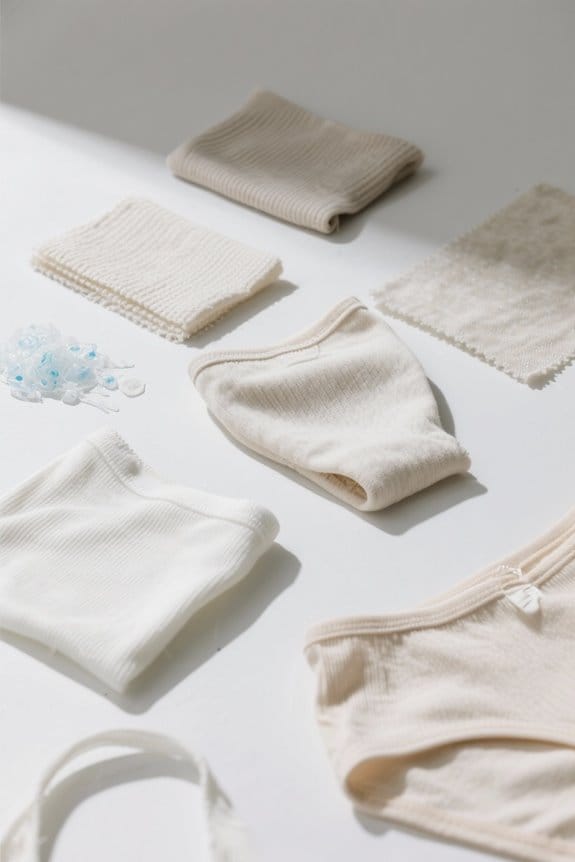
- Balance choices by evaluating local recycling, garment lifespan, care practices, and certification labels like OEKO-TEX guidance.
Choose garments with moisture-wicking fabrics like bamboo viscose to help manage sweat and reduce skin irritation.
Recommended Products

Made with a luxurious sateen weave, our deep pocket, 400-thread-count sheets are soft, cool, hypoallergenic, and static-free.

● Premium Fabric: Mr. Davis Tailored Cut men's bamboo viscose undershirts are made from a blend of 96% bamboo viscose and 4% spandex. This premium fabric is ultra-soft, stretchy, and more comfortable than any cotton shirt you've ever worn. The bamboo viscose material is also naturally moisture-wicking, helping to keep you cool and dry throughout the day.

THE BEST FABRIC - We use the perfect blend of buttery soft 96% bamboo viscose and 4% spandex to maintain body shape, while also following the contours of your body without being constrictive. Our shirts are so much softer than cotton, that you will throw away your other undershirts once you try Mr. Davis.
Practical Steps to Reduce Microfiber Shedding at Home
After weighing textile options, attention now turns to practical home steps that reduce microfiber shedding during laundering and drying, with clear actions that lower environmental release and prolong garment life.
Washing practices
- Households use washing techniques, cold water, gentle cycles, full loads, front-loading machines, limit wash frequency to cut millions of fibers per wash.
- Employ microfiber-catching bags or Cora Ball, and install machine filters, empty lint filters, discard lint to trash.
Drying and detergents
- Air-dry when possible, or use low heat, short tumble times, and clean lint traps after each cycle.
- Detergent choices, prefer liquid detergents, smaller doses, avoid bleach, excess chemicals that weaken fibers.
- Separate synthetic items from shoes or backpacks, wash secondhand garments, and vacuum surfaces regularly to reduce airborne fibers daily routines.
Consider choosing garments made from soft, breathable materials to help minimize friction and fiber loss during wear and washing.
Recommended Products

The Filtrol is a patented,re-useable, microfiber filter that connects to your washing machines discharge hose. Use of the Filtrol can prevent premature septic system/drainfield failure, clogging of drain pipes and microfiber pollution in our natural water ways.

16 GAUGE T304 18/10 STAINLESS STEEL STRENGTH: Heavy-duty stainless steel thickness top to bottom for dent resistance and long-term durability, handles cast iron cookware and hot pans without worry

Includes: Nightfall Navy/Cherry Red Twin XL Comforter, Twin XL Supersoft Microfiber Sheet Sets (2 Flat Sheets, 2 Fitted Sheets, 2 Pillowcases), 2-Pack of Extra Pillowcases, Foam Egg Crate Topper, Plush TXL Bed Blanket, Mattress Pad, Basic Pillow, Jumbo Storage Bag with Clear View, Bedside Caddy, Super Jumbo Laundry Bag, Clip Fan, 2-Pack College Bath Towels, 6-Pack Washcloth Set, Bed Skirt Panel with Ties, Trash Can, Ramen Cooker Bowl, and Double Cookin Caddy Mini Fridge Organizer.
Policy, Industry Innovations, and Research Priorities
When governments, manufacturers, and researchers coordinate, they can reduce microplastic release from clothing through clear policies and practical technical fixes.
Policy priorities: Regulatory advancements must set durability and filtering standards, using ESPR and EU rules as models, and California strategies for testing.
Industry actions: Industry responsibility means fiber stabilization, tighter knits, factory pre-washing, and investment in nonfossil fibers to lower shedding at source.
Research needs: Fund toxicology on EDCs in textiles, quantify laundering emissions, and develop standardized test methods tied to the 700,000 fibers per load baseline.
- Consequences: Failure invites legal liability, increased chemical exposure, and unequal risks for women wearing tight activewear.
- Recommendations: support global standards, require machine filters, encourage corporate transparency, and fund community monitoring programs urgently, with clear timelines enforced.
Many commonly sold underwear blends, such as 95% cotton, can reduce irritation while maintaining breathability.
Frequently Asked Questions
Can Microfibers From Underwear Transfer to Sexual Partners During Intercourse?
Yes, microfibers can transfer between partners during intercourse; evidence supports microplastics transmission facilitated by textile shedding from synthetic underwear, close mucosal contact, friction, moisture, and subsequent retention or uptake, though direct human transfer studies limited.
How Should I Dispose of Worn Synthetic Underwear to Minimize Microplastic Pollution?
65–90% capture by wastewater plants; they should choose textile recycling options, donate wearable items, use take‑back programs, avoid landfill incineration, explore municipal disposal alternatives like fiber‑focused recyclers, and check local collection events for responsible processing.
Do Feminine Hygiene Products or Pads Shed Microplastics When Used With Synthetic Underwear?
Yes. Studies show pads and hygiene product composition containing synthetic fibers release microplastics when used with synthetic underwear; increased friction and moisture from pad materials and fabric contact amplifies shedding and local exposure, increasing risks.
Can Pets Ingest Microfibers From My Laundry or Clothing and Suffer Health Effects?
Yes, pets can ingest microfibers from laundry or clothing; microfiber ingestion occurs via grooming, chewing, inhalation, and dust. Resulting impacts on pet health include digestive injury, inflammation, chemical exposure, and long‑term organ damage, and mortality
Are There Certifications That Guarantee Zero Microfiber Shedding From Garments?
No. Who can guarantee zero shedding? Industry observers note microfiber certifications do not promise absolute zero; synthetic fabrics are classified by shedding levels, with standards and filters reducing release but no certification guarantees complete elimination.