As an Amazon Associate, we earn from qualifying purchases. Some links on this site are affiliate links at no extra cost to you. Our recommendations are based on thorough research and editorial judgment.


The Benefits of Organic Cotton in Basics

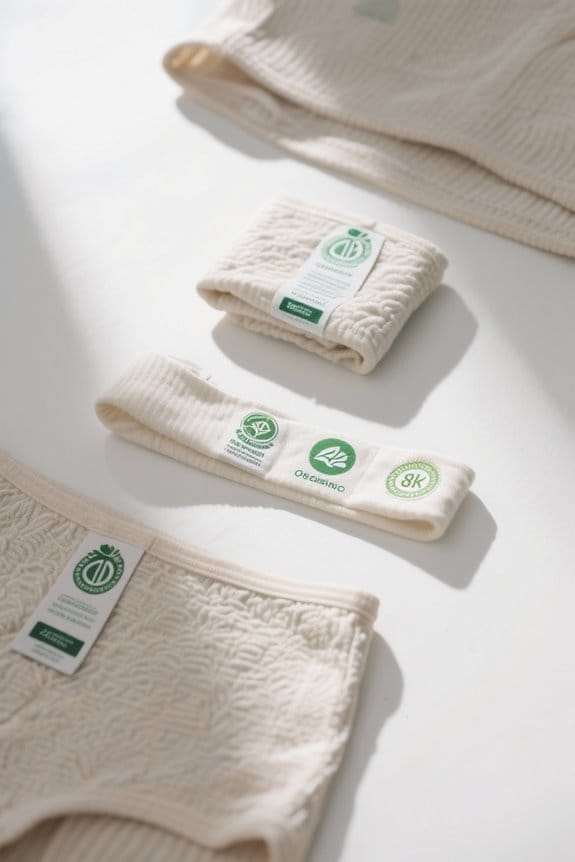
Organic cotton basics improve soil health and reduce chemical use, the reader sees measurable ecosystem benefits and lower erosion risks. Soil: compost, crop rotation, reduced tillage increase organic matter and carbon storage. Water: often needs less irrigation in rain-fed systems, lowering local water stress. Health: eliminates synthetic pesticides, protecting farmers, workers, and infants from acute exposure. Certifications: GOTS and OCS guarantee traceability and safer processing. Continued material explains practical choices and outcomes for long-term resilience.
Key Takeaways
- Organic cotton builds healthier soil and biodiversity through compost, crop rotation, and reduced synthetic inputs, improving long-term farm resilience.
- It can cut irrigation needs dramatically, often relying more on rain-fed systems and reducing water stress.
- Farming organic cotton eliminates synthetic pesticide exposure, improving health and safety for farmers, workers, and nearby communities.
- Organic cotton basics offer breathable, hypoallergenic, durable fabric—softer, longer-lasting garments ideal for sensitive skin and everyday wear.
- Certified organic pieces (GOTS/OCS) support fairer farmer incomes, lower chemical pollution, and more traceable, sustainable wardrobe choices.
What Is Organic Cotton?
You may be interested


Organic cotton is a type of cotton grown and processed under strict rules, avoiding synthetic chemicals and genetically modified seeds.
- Definition and Standards: It is cultivated without synthetic pesticides, herbicides or fertilizers, using non‑GM seeds and certified systems like GOTS or OCS, ensuring at least 95% organic fiber and no synthetic blends.
- Production Practices: Organic cotton production relies on crop rotation, composting, and biological pest control, which maintain ecosystem balance and reduce pollution.
- Material Qualities and Health: Fibers are often handpicked, producing softer, breathable fabrics with lower chemical residues, beneficial for sensitive skin.
- Practical Uses: Common organic cotton uses include clothing, bedding, and baby items, offering hypoallergenic, durable options with clear certification for consumer confidence.
Certification also verifies processing and dyeing meet organic standards. Many brands carry GOTS certification which guarantees adherence to organic growth standards and sustainable practices.
How Organic Farming Protects Soil

The reader will learn how organic farming protects soil, by building organic matter, improving structure, and boosting beneficial life belowground.
Key mechanisms
– Organic inputs: compost, manure, cover crops and residues increase soil health, raise organic matter, and feed microbes.
Structure and erosion control
– Aggregate stability improves, soil particles bind into stable clumps, reducing crusting and erosion, preserving fertility.
Biological benefits
– Microbial diversity and earthworms increase, microbes cycle nutrients, suppress disease, and excrete glues that stabilize aggregates.
Practical practices
– Reduced tillage, crop rotations, and organic fertilizers gradually release nutrients, maintain humified carbon, and support long-term resilience.
Evidence
– Studies show organic farms average 8.33% organic matter versus 7.37% conventional, increasing carbon storage and reducing erosion risks by about 20–33%. These outcomes improve crop resilience and fertility. These approaches also contribute to reduced water usage and lower CO2 emissions compared with conventional practices.
Water Savings and Clean Water Benefits

Efficiency in water use can cut irrigation demand dramatically, reduce pollution, and protect local aquifers when proper practices are followed.
Water savings overview
- Organic cotton often lowers irrigation needs, using rain-fed systems, drought-tolerant varieties, and improved soil that retains moisture, supporting water conservation.
- Life cycle data show up to 91% reduction in water use versus conventional methods, roughly 1,100 versus 2,700 liters per T‑shirt.
Clean water benefits
- Organic practices eliminate synthetic pesticides, reduce nutrient leaching, and limit runoff, protecting streams and aquifers.
- Regional differences matter: inefficient management in arid areas can still cause local water stress, so adopt irrigation tech, moisture sensing, and context‑specific planning.
- Monitor yields, balance irrigation with rain, and report results to improve regional resource management.
Moreover, many popular products are made from 95% cotton, which combines breathability with stretch for comfortable everyday wear.
Reduced Chemical Exposure for Farmers and Workers
A switch to certified organic cotton farming reduces direct contact with synthetic pesticides and fertilizers, lowering acute poisoning and chronic exposure risks for farm workers.
Overview
– Organic systems prohibit synthetic pesticides, herbicides and synthetic fertilizers, improving chemical safety and lowering poisoning incidents, reproductive risks, and neurological harm.
Practical impacts
- Fewer cases of acute pesticide poisoning among workers, reduced long-term respiratory and skin problems, and less contamination of soil and water.
- Examples: conventional cotton applies about 4.1 pounds per acre annually, totaling roughly 42 million pounds in 2022/23.
Implementation notes
- Certification requires strict chemical-free practices, bans sewage sludge and GMOs, and supports sustainable farming through natural pest management and organic fertilizers.
- Workers and nearby communities report health improvements after conversion, decreasing medical costs and absenteeism.
Many garments are made from 95% cotton blended with spandex to enhance comfort and fit.
Lower Carbon Footprint and Climate Resilience
Following documented health gains for workers, the reader should note that organic cotton also cuts greenhouse gases and improves resilience, through lower inputs and healthier soils.
Key outcomes
- Organic cotton lowers carbon emissions sharply, about 46% less CO2e per tonne, reducing fossil-fuel linked inputs like synthetic fertilizers.
- Soil management sequesters more carbon, increasing storage and providing climate adaptation benefits for farms facing extreme weather.
- Water use drops dramatically, cutting energy for irrigation and improving drought resilience.
- Acidification and eutrophication impacts decline, protecting waterways and soil structure.
Practical consequences
- Brands and buyers can reduce supply-chain emissions by choosing organic fiber.
- Farmers gain longer-term soil stability, which supports yields under variable climate conditions.
- Policy incentives and certifications accelerate adoption, lowering lifecycle footprints rapidly over time consistently.
Additionally, organic cotton’s reduced water use and healthier soils support production of breathable, moisture-wicking garments that improve wearer comfort.
Supporting Biodiversity and Pollinators
Because organic cotton avoids synthetic pesticides, it supports more diverse wildlife and healthier pollinator populations on and around farms, improving ecosystem services and crop resilience.
Overview: Organic systems increase biodiversity enhancement through crop rotation, cover crops, and natural vegetation, creating more stable landscapes for many species.
Practical benefits:
- More pollinator habitats, bees and butterflies increase pollination, improving nearby crop yields.
- Beneficial predators rise, reducing pest outbreaks and lowering chemical needs.
- Soil and microbial diversity improve, boosting plant health and nutrient cycling.
- Reduced pollinator die-offs decrease long-term population declines and protect ecosystem services.
Actions and uptake: Field margins are encouraged, habitat corridors are supported, and certified organic cotton is preferred to promote measurable biodiversity gains. Regional studies show consistent lower biodiversity impact overall. This supports resilient landscapes. This practice supports organic cotton cultivation without synthetic pesticides, further reducing chemical runoff and protecting nearby waterways.
Fabric Quality: Softness, Breathability, Durability
Many aspects of organic cotton fabric quality affect everyday wear, including softness, breathability, and long-term durability, which guide purchasing and care decisions.
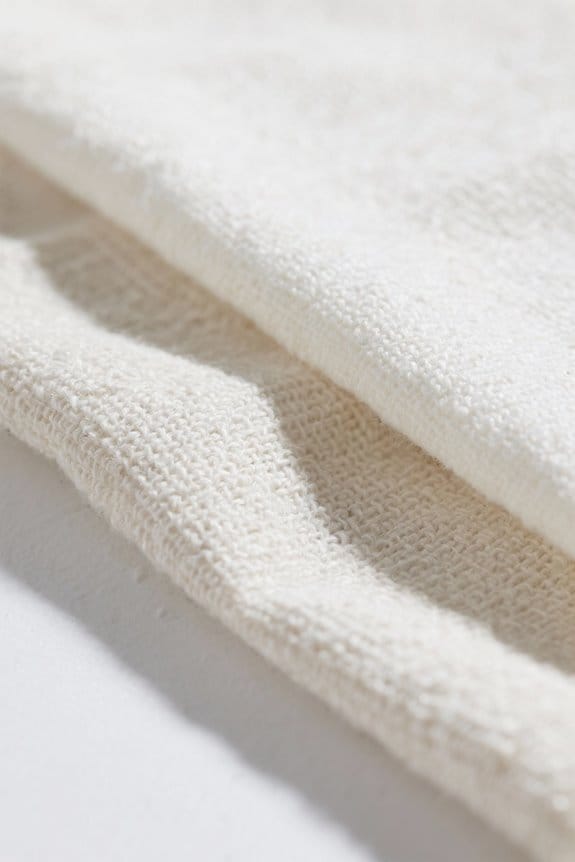
Softness: Organic fibers are smooth and free of chemical residue, long-staple varieties yield softer fabric texture, finishing methods alter final hand feel.
Breathability: Natural fiber structure and absence of treatments preserve airflow and moisture wicking, which reduces overheating and dampness during wear.
Durability: Fibers avoid pesticide damage, retain shape and color after washes, certified supply chains support consistent quality, long-staple cotton increases resistance to wear.
Consequences: Choosing certified organic basics can extend garment life, lower replacement frequency, and reduce environmental impact.
Care tips: Wash gently in cool water, avoid harsh detergents, and repair small tears to maximize longevity and value and savings.
Additionally, many modern basics incorporate moisture-wicking features (such as bamboo viscose blends) to enhance comfort and temperature regulation.
Health Benefits for Sensitive Skin and Babies
How can organic cotton reduce skin problems for people with sensitivities, including infants and children, while improving comfort and recovery?
Benefits
– Organic cotton is hypoallergenic, free from pesticides and harsh dyes, lowers allergic reactions for sensitive skin, and reduces eczema triggers.
Clinical effects
– Improves skin hydration and barrier function, soothes eczema and psoriasis, shortens recovery time, and minimizes dermatitis flare-ups.
Practical guidance
– Use organic cotton for sleepwear, diapers, and layers to improve baby comfort, wick moisture, prevent bacterial overgrowth, and reduce diaper rash.
Standards
– Choose GOTS certified items to avoid chemical residues, guarantee safer processing, and protect thin infant skin from toxin exposure.
Evidence
– Dermatologists recommend organic cotton, clinical studies show improved outcomes, parents report fewer irritations, select soft weaves and wash before use to reduce chemical contact and irritation risk.
Many basics and undergarments are designed with high cotton content to enhance breathability and overall comfort.
Economic Impact and Farmer Livelihoods
This section examines the economic impacts of organic cotton, focusing on farmer livelihoods, income, and production risks.
Key outcomes:
- Fairtrade organic farmers earn 4.8% more per tonne, and achieve 13% higher lint yields, improving household income and resilience.
- Environmental gains reduce input costs, with 96% less pesticide use, 73% IPM adoption, 14% less water use, and 20% more cotton per water unit.
Market trends:
– Global organic output rose 37% in one year, yet organic remains about 1.4% of global cotton, creating niche demand and price premiums.
Economic challenges:
- Shift has a three-year burden, higher labor costs, and short-term yield risks, which can strain cash flow and access to finance.
- Support measures, training, and credit access can mitigate transitional income shocks.
Adaptive underwear is also commonly made from soft, breathable materials to enhance wearer comfort and reduce skin irritation.
Certification, Traceability, and Supply Chains
A clear certification and traceability system helps guarantee organic cotton claims are verifiable, preventing fraud and protecting farm incomes. Overview: The reader is shown core certification processes and traceability standards used from field to finished garment, with specific examples and outcomes. Key certifications: GOTS, OCS, USDA Organic, OEKO-TEX® and OCCGuarantee®, each sets fibre thresholds, social and environmental requirements, and testing obligations. Traceability tools: chain of custody, transaction certificates, centralized databases like Trackit, and laboratory GMO and contaminant testing. Verification steps: on-site inspections, documentation review, material sampling, annual criteria updates, and transaction audits. Weak systems cause fraud, market loss, and farmer income decline. Practical tip: always check transaction certificates and lab results. Request documentary evidence, ask about first processor certification, and confirm GMO testing frequency. Additionally, certifications like OEKO-TEX STANDARD 100 reduce the risk of skin-irritant exposure and are commonly used in textile safety verification.
Making Sustainable Wardrobe Choices
When choosing garments, the reader should prioritize durable, organic-cotton pieces that reduce environmental harm and protect health, while staying within their budget and style needs. Assessment: Evaluate garments for durability, fit, and certified organic labels, check for ethical sourcing claims and clear supply chain traceability.
Selection tips:
- Prefer basics with strong construction, fewer trims, and biodegradable fibers.
- Choose brands that report water and CO₂ savings, and avoid chemical-intensive processes.
Care and lifecycle: Wash less, repair early, resell or recycle at end-of-life, extend garment life to lower resource use.
Consequences: Buying organic supports sustainable fashion, reduces pollution and farmer exposure to toxins, and promotes resilient rural economies.
– Track garment footprint using labels and reports, prioritize long-term value, and favor brands with fair wages and transparency.
Frequently Asked Questions
How Should I Wash and Dry Organic Cotton Basics to Preserve Them?
About 70% of shrinkage happens in the first wash; garments should be washed in cold water on a gentle cycle with detergent—washing techniques include turning items inside out; drying tips: air‑dry flat or tumble low.
Can Organic Cotton Be Blended With Synthetics and Still Be Eco-Friendly?
Yes; they can be eco-friendly in certain cases: blended fabrics using recycled synthetics reduce water and resource use but increase fossil‑fuel dependence and microplastic pollution, so environmental impact hinges on material proportions and end‑of‑life solutions.
Are Organic Cotton Basics Suitable for High-Intensity Athletic Wear?
Yes, organic cotton basics can suit high-intensity athletic wear when blended or treated; they offer temperature regulation, improved moisture management, and adequate performance durability, though untreated pure cotton may dry slower and need enhancements often.
Do Organic Cotton Garments Use Natural Dyes or Chemical Colorants?
They use both natural dyes and low-impact chemical colorants; natural dyeing techniques are favored by some brands, while certified synthetic dyes reduce environmental impacts and improve colorfastness for large-scale production, with supply chain transparency demanded.
Will Organic Cotton Basics Hold up Well in Secondhand Resale Markets?
Yes—organic cotton basics generally hold up reasonably well in secondhand resale markets, as good initial durability and sustainability credentials support resale value, though elastane blends and perceived quality declines can temper market demand over time.