As an Amazon Associate, we earn from qualifying purchases. Some links on this site are affiliate links at no extra cost to you. Our recommendations are based on thorough research and editorial judgment.


The Rise of Eco-Fabrics in Fashion Basics

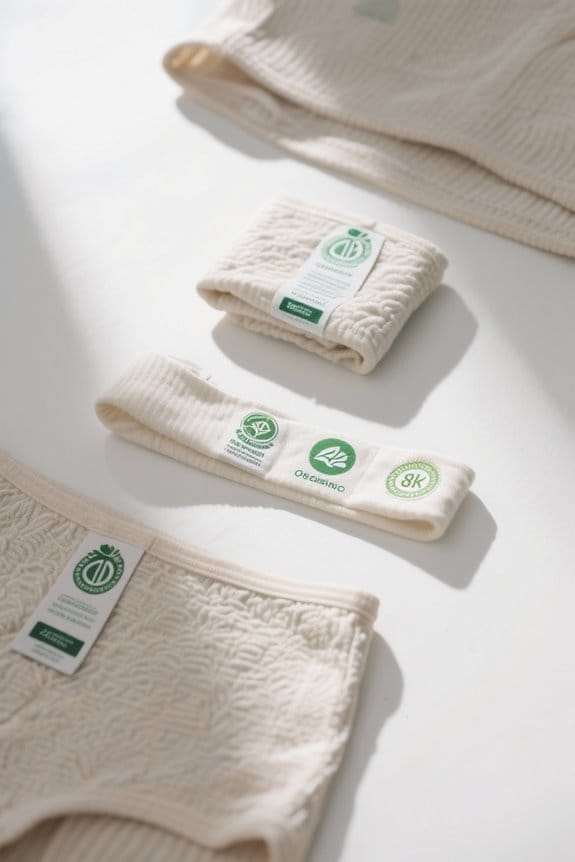
Why it matters: The rise of eco-fabrics shifts basics toward organic cotton, TENCEL™, hemp, linen, and recycled polyester, reducing pesticides, lowering emissions, and cutting waste, while improving comfort and durability. Trade-offs: Water use, microplastics, and processing emissions still pose challenges, requiring certifications and circular design. Practical steps: Choose GOTS/Oeko‑Tex labels, prefer hemp or recycled fibers, wash cold, mend garments, and resell or recycle at end-of-life. More specifics follow for the interested reader and practical guidance.
Key Takeaways
- Eco-fabrics like organic cotton, hemp, TENCEL, and recycled polyester are now common in basics for lower environmental footprints.
- Brands adopt certifications (GOTS, Oeko‑Tex, RCS/GRS, FSC) to verify material sourcing and production transparency.
- Advances like closed‑loop cellulosics and circular polyester reduce virgin fiber use and textile waste.
- Challenges remain: water use, chemical processing, greenhouse emissions, and microfiber pollution require trade‑off awareness.
- Consumers can minimize impact by buying certified eco‑basics, choosing durable fibers, and washing and repairing garments properly.
Why Eco-Fabrics Matter for Everyday Wear
You may be interested


Why do eco-fabrics matter for everyday wear?
Overview
The reader learns practical eco fabric benefits and clear health impacts for daily clothing choices.
- Reduced pollution: natural, biodegradable or recyclable materials cut landfill persistence and lower carbon output.
- Better skin health: hypoallergenic fibers and fewer chemical finishes reduce irritation and exposure risks.
- Comfort and function: breathability, moisture-wicking, and temperature regulation improve wearability during activities.
- Environmental consequences: less pesticide runoff and safer water supports ecosystems and community health.
- Longevity considerations: durable fibers extend garment life, lowering purchase frequency and waste.
Actionable tip: choose certified organic or non-toxic labeled basics, check fabric origin, and prioritize pieces designed for repeated wear.
– Practical note: wash gently to extend life, repair small damage promptly, and rotate wardrobe regularly, often recommended.
Compostability and proper end-of-life handling (including checking for ASTM D6400 certification) are important when selecting biodegradable basics to ensure they actually break down as claimed.
Key Sustainable Materials Powering Basics

After considering everyday benefits and care tips, readers can choose materials that lower environmental harm, improve comfort, and extend garment life.
Key materials powering basics
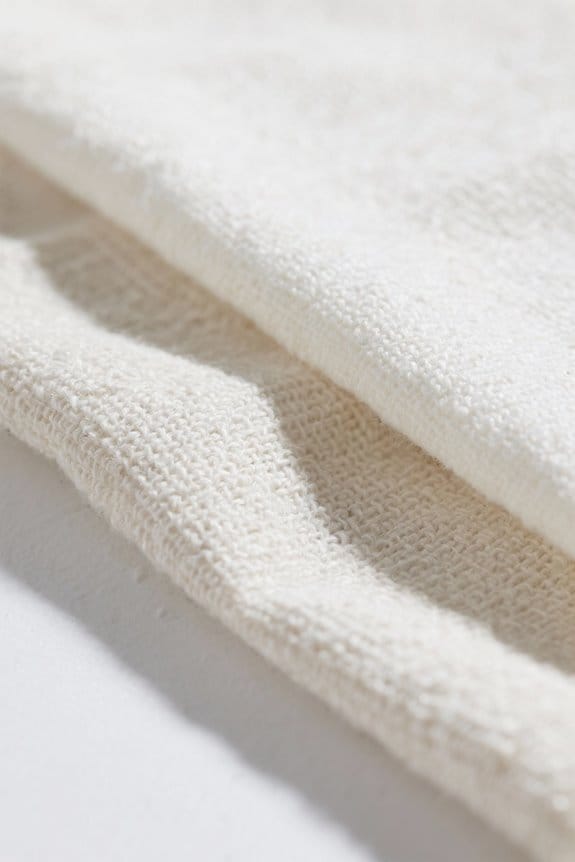
- Organic cotton, grown without synthetic pesticides, uses far less water, emits less greenhouse gases, and suits tees, underwear, socks.
- Recycled polyester, made from bottles and textile waste, lowers reliance on virgin petroleum, reduces carbon emissions, and diverts plastic.
- Hemp, requires minimal water, no pesticides, improves soil, offers strong durable, biodegradable fibers for jeans and shirts.
- TENCEL™, from sustainably sourced wood pulp, uses a closed loop process that recycles solvents and water, feels soft and moisture-wicking.
- Linen, from flax, needs little irrigation, supports biodiversity, resists wear and biodegrades.
These sustainable textiles support eco friendly practices in everyday wardrobes and basics. Many brands now use GOTS Certified Organic Cotton to ensure breathability, reduced toxins, and more sustainable production.
Environmental Trade-offs and Challenges
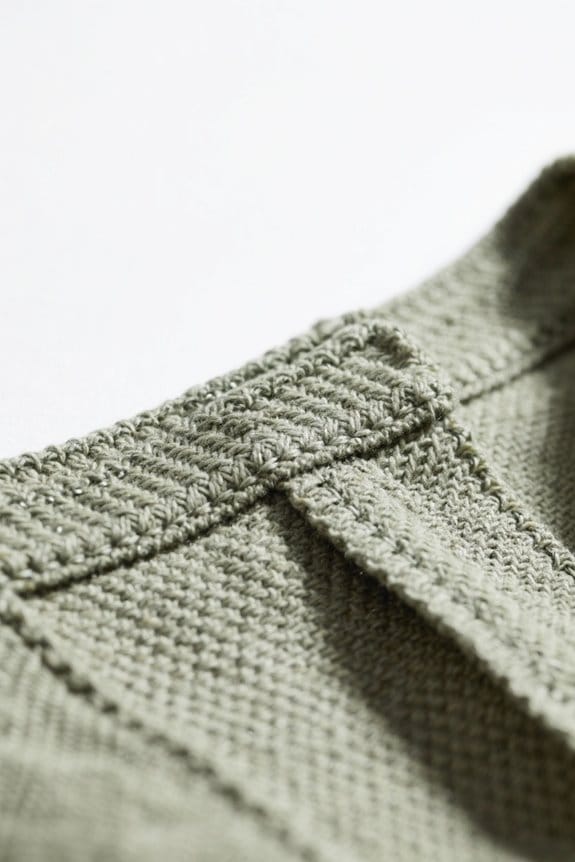
Although many eco-fabrics reduce certain harms, the reader must understand clear trade-offs across water, emissions, plastics, and waste, to make informed choices.
Key resource trade-offs
- Water: cotton and processing use vast freshwater, causing contamination from pesticides and dyes, harming communities and ecosystems.
- Emissions: fabric production emits high greenhouse gases, synthetics rely on fossil fuels and raise climate risks.
- Plastics and microfibers: synthetic garments shed microplastics in washing, accumulating in oceans and food chains.
- Waste and recycling limits: most textiles end in landfill or incineration, with under 1% effectively recycled into new garments.
Practical implication
– Sustainable practices must weigh reductions in one impact against increases in another, guiding transparent choices by brands and consumers. Clear labeling helps compare trade-offs quickly too. Look for GOTS certification to verify environmental responsibility across production stages.
Innovations Driving Next-Gen Eco-Fabrics
Because new materials must balance performance and sustainability, the reader should focus on specific innovations that enable circularity, lower impacts, and improved garment function.
Key Material Innovations:
- Circular polyester and closed-loop cellulosics scale to replace virgin fibers, reducing emissions and water use.
- Renewable bast fibers, hemp and flax, offer low inputs and soil benefits, with RELINO viscose as a recycled option.
Biofabrication and Performance:
- Biofabrication techniques produce mycelium, bacterial and algal textiles, enabling biodegradable, adaptive and self-repairing fabrics.
- Coffee-ground polyester and oyster shell blends add moisture-wicking, UV and antibacterial features.
Dyeing and Recycling:
– Sustainable dyeing uses CO2 systems, microbial dyes and recycled pigments, cutting water, energy and toxic chemical use.
Traceability:
– Fiber ID tech improves sorting and textile-to-textile recycling outcomes, and extends product lifecycles.
Additionally, many eco-friendly underwear brands emphasize the use of Bamboo Viscose and other sustainably sourced materials to improve comfort and reduce environmental impact.
How Brands and Consumers Drive Demand
When brands align product design, supply chains, and communication, they shape demand for eco-fabrics by reducing barriers to purchase and building trust. Brands deploy initiatives, like Patagonia’s organic cotton shift and digital product passports, to prove claims. Key drivers:
Brand strategies
– Brand collaborations expand reach, lower costs, and introduce materials through trusted partners, increasing availability and trial.
Consumer influence
– Consumer education on materials, care, and impact raises purchase intent, especially among Gen Z and Millennials.
Market signals
– Metrics: growing market values, online channel growth, and willingness to pay more influence production and stocking decisions.
Consequences: clearer supply chains reduce greenwashing, wider distribution boosts trials, and informed shoppers change demand patterns over time. Adoption accelerates when measurement, transparency, and policy align globally. This is reinforced by GOTS certification, which provides verifiable assurance that cotton meets rigorous environmental and social standards.
Practical Tips for Buying and Caring for Eco Basics
Brands’ efforts to prove eco-claims and expand availability make practical buying and care skills more valuable, because the shopper still faces choices about certifications, fibers, and maintenance. Practical steps help the buyer choose verified materials, reduce waste, and extend garment life.
Buying: sourcing strategies
- Prefer GOTS, Oeko‑Tex, RCS/GRS or FSC labels to verify organic, chemical and recycled claims.
- Choose linen, hemp, Tencel/LENZING ECOVERO or recycled cotton, avoid conventional polyester to limit microplastics.
- Consider deadstock, surplus, vintage or specialist eco retailers to lower resource impact.
Care: fabric maintenance
- Wash cold, less often, use a microfiber filter to catch shedding.
- Air dry, mend small damage, rotate and store garments properly.
- Repurpose, donate or sell items when usable life ends.
Look for GOTS and OEKO‑TEX certifications to verify organic fibers and that textiles are free from harmful substances.
Frequently Asked Questions
Are Eco-Fabrics More Likely to Trigger Allergic Skin Reactions?
Yes. Studies indicate eco-fabrics can sometimes provoke sensitivity reactions depending on fabric composition, residual dyes and chemicals; untreated organic textiles and washing reduce risk, while dyed or treated eco-garments may increase dermatitis likelihood in people.
Can Eco-Fabrics Be Legally Certified Across Different Countries Consistently?
Certifiers coordinate cautiously; international standards exist, but legal consistency across countries is limited. Manufacturers rely on accredited bodies, yet certification challenges—varying regulations, local requirements and supply‑chain complexity—prevent uniform cross‑border certification, and ongoing monitoring is essential.
Do Eco-Fabrics Require Special Machinery or Sewing Techniques in Manufacturing?
Yes. Manufacturers require specialized equipment and adapted manufacturing processes: advanced spinning, digital printing, automated cutting, gentler weaving settings and specific sewing techniques (needles, threads, seam finishes) to handle varied tensile strengths and preserve eco‑fabric integrity.
Are There Specific Insurance or Liability Differences for Brands Using Eco-Fabrics?
Yes. Brands using eco-fabrics face different insurance risks and may need expanded liability coverage, including endorsements for material-specific claims, pollution/environmental protection, certification verification, higher underwriting scrutiny, and intellectual property/greenwashing defenses affecting premiums and policy terms.
Can Eco-Fabric Claims Be Independently Audited to Prevent Greenwashing?
A soft reassurance: it can—through rigorous third party verification, independent audits, accredited labs and traceability checks. The process mitigates greenwashing implications, though ongoing surveillance and transparency remain essential for credibility and documented corrective action plans.