As an Amazon Associate, we earn from qualifying purchases. Some links on this site are affiliate links at no extra cost to you. Our recommendations are based on thorough research and editorial judgment.


The Evolution of Underwear Advertising Through Decades

Overview: The evolution of underwear advertising moves from functional, modest messaging in early 1900s to provocative, celebrity-led campaigns and inclusive, sustainable marketing today; key phases include: 1910s–1920s durability and patents; 1930s–1940s fit and materials; 1950s–1960s fashion and hosiery; 1970s–1980s sexualized shock; 1990s–2000s supermodels, branding; 2010s onward inclusivity, social media, sustainability. The reader can follow this timeline to learn specifics and practical implications. Examples, metrics, and production changes are available for comparison and planning. Explore further.
Key Takeaways
- 1910s–1920s: Ads shifted from private utility to mass-marketing, emphasizing fit, durability, and early brassiere innovations aimed at male purchasers.
- 1930s–1960s: Campaigns promoted supportive, fashion-forward underwear and hosiery, linking fit and fabric to emerging silhouettes like the miniskirt.
- 1970s–1980s: Advertising embraced overt sexuality and shock imagery, redefining underwear as provocative fashion and blurring lingerie/outerwear boundaries.
- 1990s–2000s: Supermodels and celebrity endorsements created lifestyle-driven brand identities, increasing visibility while raising body-image and regulatory debates.
- 2010s–present: Digital, inclusive, and sustainable marketing emphasizes diverse representation, influencer/UGC engagement, certifications, and comfort-driven innovation.
1910s–1920s: The Birth of Underwear Advertising
You may be interested


The reader should view early underwear advertising as a practical shift from private tailoring to public marketing, driven by mass production and changing social norms. Overview: Early 1900s evolution is outlined with historical perspectives and practical marketing strategies for garment makers. – Pre-1910: undergarments were functional, corsets shaped women’s silhouettes, men’s pieces emphasized modesty and utility. – 1911–1914: print ads highlighted durability, fit, patented features, using idealized bodies to avoid impropriety. – 1913–1920: brassiere innovation altered support methods, patenting and word‑of‑mouth preceded formal sales. – Consequences: factories, mail‑order, department stores expanded reach, advertisements became more sensual, advertisers targeted male purchasers. Practical note: track fit, materials, and claims when studying early campaigns. This period set precedents for product claims, consumer targeting, and retail distribution models. Many modern underwear designs emphasize moisture-wicking fabrics to minimize sweat and enhance comfort.
1930s–1940s: Rise of Modern Styles and Functionality
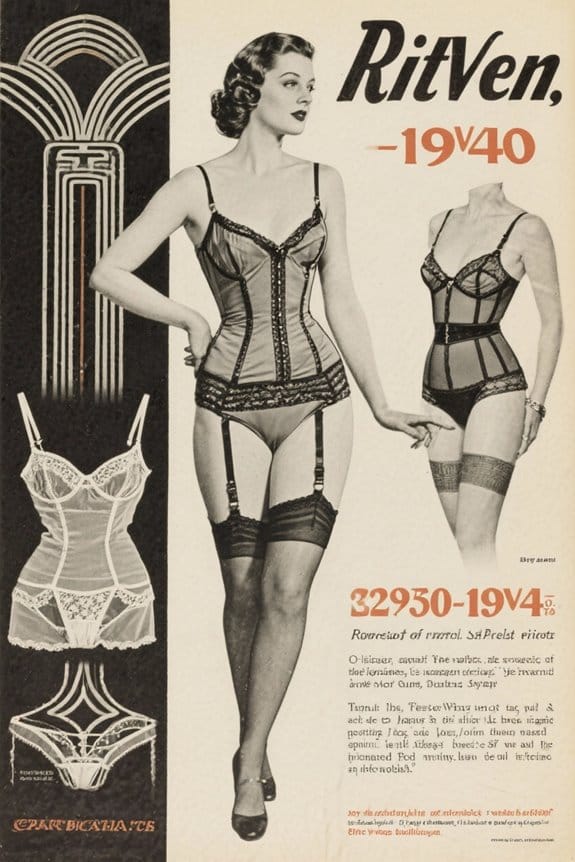
Because fashion shifted toward natural curves and practical function in the 1930s and 1940s, underwear design became more supportive, fitted, and decorative. Designers responded with clear functionality trends and embraced modern silhouettes.
Materials and construction
– Knit rayon, silk, bias-cut panels improved fit, support, and drape for curved bodies.
Styles and garments
– Step-in panties, tap pants, singlette, and combinations smoothed waists, rounded busts, and replaced flat shapes.
Color, pattern, and market
– Expanded palette, striped and plaid lines, and coordinated nightwear broadened choices, aided by color magazine ads.
Economic and cultural effects
– Pricing positioned lingerie as affordable luxury, Hollywood imagery drove demand, manufacturers like Van Raalte scaled production.
Advertising shifted to show fit, color, and fabric, informing purchase decisions. Print ads targeted varied budgets, college girls and homemakers alike. Manufacturers later experimented with lightweight, breathable fabrics such as modal blends to enhance everyday comfort.
Recommended Products


Lace Lingerie Feather: The lingerie for women features a beautiful, floral lace pattern that adds a touch of elegance and sensuality.The babydoll lingerie for women is designed to accentuate curves, made from a mesh see through material that offers a snug yet comfortable fit. The breathable stretch fabric offers more elasticity than standard lingerie fabrics.
1950s–1960s: Fashion, Prints, and the Miniskirt Influence
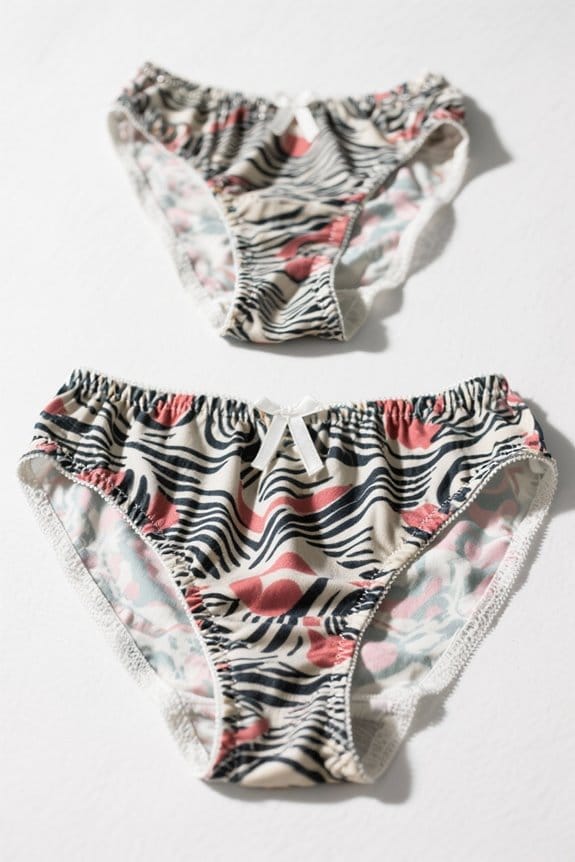
While fashion shifted toward brighter prints and shorter hemlines, underwear advertising moved from pure function to style, highlighting fit, pattern, and coordination for everyday wardrobes.
Overview
- 1950s–1960s: advertising emphasized fashion evolution, with printed men’s briefs, colorful panties, bullet bras, and push-up styles shifting emphasis toward the bust.
- Miniskirt impact: the miniskirt drove demand for pantyhose, seamless designs by manufacturers, and lighter underwear that replaced girdles for comfort.
- Brands and media: Jockey, Fruit of the Loom, and Hanes used magazine and television imagery to show fit, fabric, and lifestyle benefits.
- Effects: younger, fashion-conscious buyers were targeted, cuts and materials were redesigned, and ads linked underwear explicitly to outerwear coordination.
These shifts later paved the way for technical improvements in fabrics and comfort, including moisture-wicking technologies that would become central to modern underwear design.
Recommended Products

Seamless Crotch: This glossy pantyhose adopts 912 needles high density knitting, the crotch is in 360° position without sutures, which will make the hip has an obvious stereoscopic effect.

Nude-Natural: Healthy medium skin tone (a deeper, sun-warmed shade, not a pale nude); Black: (Sheer semi-transparent black with subtle coverage); Light Mocha: a warm, muted brown shade that resembles the color of a mousse mocha. It offers a natural sun-kissed appearance that enhances medium to tanned skin tones; Light Gray: (Soft sheer gray for sleek office elegance); White (Crisp White ideal for bridal wear or creating a flawless, porcelain-skin effect.)

TRANSITION WITH EASE: Enjoy the versatility of footed or footless options with these tights, perfect for dancers and active individuals. Experience the freedom to adapt your look effortlessly, making them a must-have in your wardrobe for any occasion or performance.
1970s–1980s: The Turn to Sex Appeal and Shock Marketing
As advertising embraced overt sexuality in the 1980s, campaigns shifted from functional messaging to visual shock, minimalism, and explicit focus on the body. Key shifts:
- Calvin Klein used provocative imagery with minimalist black-and-white shots, provocative taglines, and unretouched models, changing norms.
- Herb Ritts’ portraits emphasized the male form, creating visual language that linked underwear to desire and cultural symbolism.
- Ads highlighted the genital area and an overt bulge, challenging taboos and broadening audiences beyond buyers.
- Designers and pop culture blurred underwear and outerwear, normalizing public display, and tying ads to nightlife and celebrity.
- Consequences: increased public debate, blurred art/commerce lines, and enduring aesthetic templates for later campaigns.
- Practical implications: advertisers must weigh ethics, regulation, audience reaction, and long-term brand perception.
Study historical examples carefully. Additionally, the rise of adjustable ties and breathable materials in side tie underwear shifted consumer expectations for fit and comfort.
1990s–2000s: Supermodels, Celebrity Endorsements, and Brand Power
Many brands in the 1990s and 2000s shifted to celebrity-driven campaigns, using supermodels and pop stars to build global brand power.
Overview: The era emphasized celebrity culture, using famous faces to shape brand identity and broaden market reach.
- Key examples: Kate Moss, Mark Wahlberg, Christy Turlington, Naomi Campbell, Linda Evangelista, Brooke Shields.
- 2000s examples: David and Victoria Beckham, Megan Fox, Adriana Lima, Eva Mendes, Rihanna’s Savage X Fenty.
Consequences: Higher visibility drove sales, prompted regulatory scrutiny for sexual content, and sparked body image debates.
Practical guidance: Employ storytelling, consistent visual style, and audience measurement, manage controversy proactively, align celebrity values with brand identity for durable equity.
Adaptive underwear innovations also influenced advertising by shifting some marketing narratives toward comfort, inclusivity, and function with products emphasizing adaptive underwear designed for post-surgical recovery and limited mobility.
2000s–2010s: Mainstreaming of Previously Taboo Styles
Because consumer tastes shifted and designers pushed boundaries, the 2000s–2010s turned previously taboo underwear styles into mainstream options for many markets.
Key Developments:
- Brands adopted gender expression–neutral imagery, used androgynous models, and expanded sizes and cuts.
- Marketing strategies shifted toward everyday wear, highlighting comfort, seamless fits, and bold patterns.
- Examples include boxer briefs, seamless underwear, and unisex lines from American Apparel and Diesel.
- Consequences: broader retail placement, normalized sales data, and reduced stigma in mainstream media.
- Practical advice: track demographic response, test visuals across channels, and measure conversion for taboo styles.
- Design recommendations: use inclusive sizing, clear labeling, fabric details, lifestyle photography, phased rollouts, pricing tiers, and partnerships with retailers to scale acceptance.
- Measurement: A/B test creatives, monitor returns, and report weekly KPI shifts.
For best results, emphasize fabric composition like polyamide and elastane blends to communicate comfort and durability.
2010s: Diversity, Inclusivity, and Body-Positive Campaigns
While brands expanded product ranges and imagery, the period emphasized measurable inclusivity, clear sizing, and diverse representation to meet changing consumer expectations.
Market Trends: Growth figures show body positivity movements fueling market expansion, with lingerie and underwear segments increasing across genders and age groups.
Practical Actions: Adopt expanded size charts, transparent materials, and adaptive designs, track sizing return rates to validate inclusivity.
Campaign Examples: Brands used real models of varied sizes, ethnicities, abilities, and identities, shifting visuals from idealized perfection to everyday comfort.
Consequences: Better trust, higher loyalty from Millennials and Gen Z, and measurable sales gains when inclusivity aligns with product fit.
Measurement: Use sales by size, engagement on inclusive ads, and return metrics to assess progress and refine offerings, and reporting standards.
Additionally, product lines increasingly emphasize organic cotton and wider size ranges to align sustainability with inclusivity.
Recommended Products

EVERYDAY CONFIDENCE IN A BIKINI CUT: Designed for reliable comfort and coverage, this bikini underwear features double-layered recycled polyester with one-way stretch. A wider crotch than our classic bikini style provides a more accommodating fit, while breathable, quick-drying fabric with odor-resistance keeps you fresh all day.

EVERYDAY CONFIDENCE IN A BIKINI CUT: Designed for reliable comfort and coverage, this bikini underwear features double-layered recycled polyester with one-way stretch. A wider crotch than our classic bikini style provides a more accommodating fit, while breathable, quick-drying fabric with odor-resistance keeps you fresh all day.

EVERYDAY CONFIDENCE IN A BIKINI CUT: Designed for reliable comfort and coverage, this bikini underwear features double-layered recycled polyester with one-way stretch. A wider crotch than our classic bikini style provides a more accommodating fit, while breathable, quick-drying fabric with odor-resistance keeps you fresh all day.
Digital Age: Social Media, Influencers, and Interactive Campaigns
How did social media reshape underwear advertising, and what practical strategies should brands use to navigate influencers, interactivity, and measurement? Brands must follow social media trends, leverage influencer impact, and measure outcomes with clear metrics.
Key tactics
- Use high-profile partnerships, cite Calvin Klein examples, align talent to audience, expect larger reach and MIV gains.
- Promote UGC and interactive formats, run challenges, AR filters, live Q&A, increase engagement and trust.
Measurement
– Track MIV, MER, ROAS, incrementality, and cross-channel lift, avoid relying solely on likes.
Risks and consequences
- Monitor authenticity loss, mismatched partnerships, and cannibalization of sales, adjust targeting via analytics.
- Test creative variants, optimize budgets, report to finance and analytics teams monthly, document learnings, scale successful formats.
Case studies guide future campaign decisions and budgeting.
Additionally, brands can highlight moisture-wicking fabrics in creative assets to emphasize comfort and performance.
Recommended Products

HIGH QUALITY FABRIC - Made of 92% viscose made from bamboo and 8% spandex. The fabric is soft and breathable, moisture wicking and sweat wicking, regulating temperature.

PREMIUM MATERIAL: 92% Viscose Made From Bamboo and 8% Spandex,light and soft texture.It is 30% more breathable than cotton underwear and the average body temperature is 3°lower than cotton ones,bringing a fresh touch to your skin

HIGH-QUALITY MATERIAL: Our men's boxer briefs are crafted from 92% bamboo viscose and 8% spandex, offering superior softness, breathability, and moisture-wicking properties. Compared to cotton, they are 20-30% more breathable and 2-3°C cooler, keeping you fresh and comfortable all day long
Sustainability and Comfort: Contemporary Consumer Values
After social media raised visibility for product values and user expectations, sustainability and comfort now drive design and marketing decisions for underwear brands, suppliers, and retailers. Key priorities: sustainable materials, ethical production, transparency, comfort innovation. – Use organic cotton, recycled polyester, ECONYL, bamboo and biodegradable trims. – Require GOTS, OEKO-TEX, and full lifecycle assessments for verified claims. Practical impacts: lower water use, reduced waste, supply chain accountability, higher price tolerance. – Offer seamless knitting, moisture-wicking fabrics, self-cleaning finishes, sensor options for health data. Retail tactics: highlight certifications, detail sourcing, present take-back programs, show lifecycle metrics. Brands that follow these steps meet consumer demands, reduce environmental harm, and justify modest premiums while improving fit and daily comfort. Industry standards evolve, pushing suppliers toward measurable goals and audited ethical production practices now. Many brands now emphasize GOTS certification and third-party audits to substantiate sustainability claims.
Recommended Products

Comfy Daily Underwear: Hip measurement in inches. X-Small:34-35.5; Small:36-37.5; Medium:38-39.5; Large:40-41.5; X-Large:42-43.5; XX-Large:44-45.5

Cotton Underwear For Women: Womens underwear is made of 95% combed cotton, 5% spandex. The blend of PREMIUM combed cotton and spandex makes these underwear soft, stretchy, breathable, and gentle on sensitive skin for comfortable wear.

Thongs for women:95% premium cotton, 5% spandex. Our cotton thongs for women, with its unique comfort and softness, brings an unprecedented experience to the wearer. Made of high-quality pure cotton fabric, it is as light as a cloud and has a delicate touch, making people feel as if they are immersed in a warm embrace. Every time you touch it, you can feel the tenderness and care it brings.
Frequently Asked Questions
How Did Labor Practices and Sweatshops Influence Underwear Production and Advertising?
Labor practices and sweatshops shaped underwear production and advertising by prompting shifts from mass‑production messaging to comfort and durability claims, later emphasizing ethical sourcing and leveraging rising sweatshop awareness to market fairer, worker‑friendly branding strategies.
What Role Did Censorship Laws and Obscenity Trials Play in Ad Content?
Mocking prudery, the industry adapted: censorship impact forced coy imagery and innuendo, while obscenity trials terrified marketers into safer edits; advertisers weaponized controversy, balancing legal risk and publicity to sculpt brand identity and campaign tone.
How Have Patents and Textile Innovations Shaped Design and Marketing Strategies?
Brands leveraged textile patents and innovation trends to distinguish products: patented fabrics, elastic waistbands and ergonomic cuts drove design shifts, while marketing emphasized technical superiority, personalized fit, and athletic comfort to justify premium positioning claims.
Did Regional Cultures Outside Western Markets Alter Underwear Advertising Differently?
Did regional cultures alter advertising differently? Yes. Advertisers outside Western markets prioritized cultural symbolism and modesty, reshaping imagery, messaging and emphasis so market representation reflected local norms, traditions, religious sensitivities rather than Western sexualized narratives.
How Did Retail Formats (Department Stores, Mail-Order, Online) Affect Campaigns?
Retail evolution drove advertising strategies: department stores emphasized comfort, fit, and patented design in tactile displays; mail-order stressed durability and conservative description; online prioritized sensuality, branding, personalization, influencers, and inclusivity, accelerating rapid market segmentation globally