As an Amazon Associate, we earn from qualifying purchases. Some links on this site are affiliate links at no extra cost to you. Our recommendations are based on thorough research and editorial judgment.

Debunking Underwear Stereotypes

The quick guide tells the reader practical truths about underwear: Fit: choose correct size to reduce friction, moisture, and chafing; Fabric: cotton breathes but can hold sweat, technical blends wick and dry faster for activity; Synthetics: may trap heat, but modern wicking fibers cut odor and moisture; Fertility: tight briefs raise scrotal temperature but effects are often reversible; Hygiene: change damp garments, wash with mild detergent, avoid softeners. More specifics follow in later sections soon.
Key Takeaways
- Tight underwear can raise scrotal temperature but effects are reversible; comfort and preference should guide choice, not infertility fears.
- Synthetic fabrics don’t always outperform cotton; cotton breathes better and reduces moisture-related irritation and odor.
- Brand labels and price don’t guarantee fit or durability; fabric content and construction predict longevity.
- Size letters vary by brand; measuring waist and hips ensures correct underwear fit and reduces chafing.
- Sleeping commando can aid airflow, but breathable cotton sleepwear often improves comfort and genital health.
Why Cotton Isn’t Always King for Everyday Wear

You may be interested

Cotton’s reputation for comfort is well earned, but readers should weigh that comfort against specific limits in breathability, moisture handling, and durability before choosing it for everyday wear.
Key limits
- Breathability vs moisture: cotton breathes but holds sweat, creating dampness that can irritate skin or foster bacteria, especially in hot, active situations.
- Drying and activity: slow drying leaves a damp feeling after exercise or humid days, so frequent changes are needed.
- Durability and fit: fibers weaken, elastic loses shape, garments stretch and bag, reducing support and appearance.
Practical choices
– For low‑intensity daily use cotton often suffices, but for sports or hot climates, blends perform better, highlighting clear Cotton drawbacks and Performance trade offs. Consider fabric blends and care routines to extend garment life often. Choosing blends with moisture-wicking technology can greatly improve comfort during exercise and hot weather.
Organic Cotton Vs Conventional: What Really Matters

Although both types of cotton look similar at first glance, the differences in farming, chemistry, and processing lead to distinct effects on health, environment, and garment performance.
FARMING & CHEMICALS: Organic cotton is grown without synthetic pesticides, herbicides, or GMOs, and bans toxic dyes and bleaches. Conventional production relies on frequent chemical use, leaving residues that can irritate skin.
ENVIRONMENT & RESOURCES: Organic methods use far less water, emit fewer greenhouse gases, and regenerate soil, improving fabric sustainability.
HEALTH & USE: Organic cotton provides hypoallergenic benefits, reduces exposure to PFAS, phthalates, and azo-dyes, and helps keep the genital area dry, lowering infection risk.
DURABILITY & LABOR: Longer fibers and gentler processing increase longevity, while handpicking improves worker safety, unlike conventional methods that prioritize cost over chemical safety. Choose certified.
Many certified products, such as those with GOTS certification, demonstrate verified organic practices.
Recommended Products
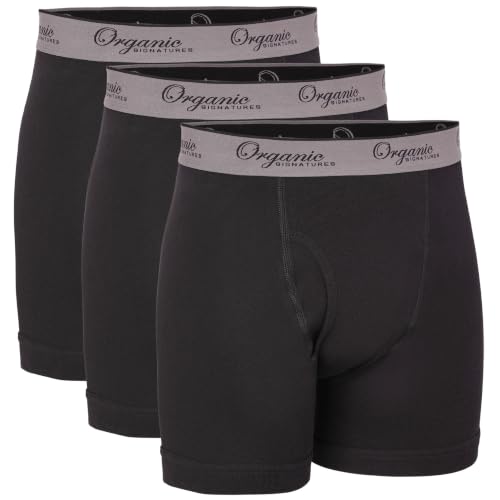
We are GOTS Certified: OT-030628 making mind-blowingly Soft Men’s Boxer Briefs Underwear – Looking for a full-coverage, supportive, and flattering pair of...
The Truth About Synthetic Fabrics and Breathability

How do synthetic fabrics like polyester and nylon affect breathability, and what consequences do they create for skin health, comfort, and garment performance?
Overview: Synthetic fabrics are less breathable than natural fibers, trapping heat and moisture, which raises local skin temperature by about 1–2°C. This creates synthetic breathability concerns and moisture retention issues.
Consequences:
- Increased sweating, discomfort, and higher risk of irritation or rashes.
- Greater bacterial and fungal growth, linked to yeast infections and bacterial vaginosis.
- Reduced sperm production from elevated scrotal temperature in men.
- Persistent odors due to hydrophobic fibers holding bacteria and biofilm.
Alternatives: Choose cotton, MicroModal, or TENCEL™ blends for better moisture management and reduced odor. Consumers should prioritize breathable fabrics in warm conditions, and follow care labels to reduce microplastics.
Many bamboo-based undergarments feature moisture-wicking to enhance comfort and temperature regulation.
Recommended Products
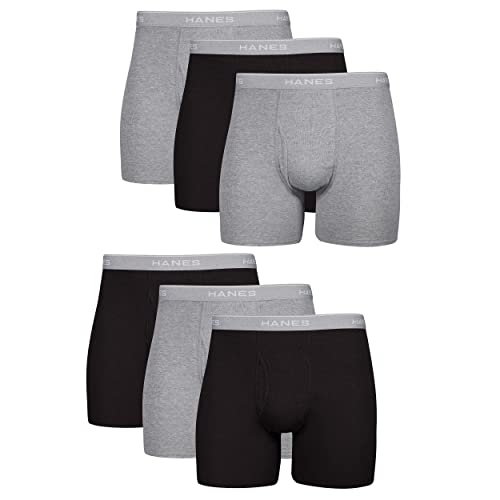
SUPPORT YOU CAN RELY ON - Experience support and comfort with these men’s underwear designed for breathability and flexibility. The no-ride-up fit and Comfort Flex waistband make these boxer briefs ideal for any activity

Comfy Daily Underwear: Hip measurement in inches. X-Small:34-35.5; Small:36-37.5; Medium:38-39.5; Large:40-41.5; X-Large:42-43.5; XX-Large:44-45.5

Fabric about cotton underwear women pack:These cotton women's underwear are made of 95% Cotton, 5% Elastane. In particular, the crotch is designed with a 100% premium cotton double layer, a detail that not only enhances the comfort of wearing, but also provides a purest, healthier care for your private parts. Each piece of fabric is carefully selected and combed to ensure optimal air permeability and moisture absorption, allowing your skin to breathe freely throughout the day.
How Fit Affects Comfort and Skin Health
Proper fit of underwear directly affects comfort and skin health, influencing friction, moisture levels, and the microclimate around genital and groin areas.
Fit and effects
- Proper sizing reduces friction and comfort impact, lowering risk of skin irritation, redness, and chafing.
- Tight garments increase fabric rub, moisture retention, and heat, potentially disrupting barrier function, and encouraging microbial growth.
- Loose garments may bunch, cause rubbing, and reduce support, also creating discomfort.
Practical guidance
- Choose breathable, well-fitting styles, seamless where possible, to maintain airflow and skin barrier integrity.
- Replace underwear regularly, wash after each use, and select fabrics suited to activity level, to minimize microbial buildup and related skin issues.
Clinicians note appropriate sizing can reduce flare-ups of chronic skin conditions. 4-way stretch fabrics contour to the body, providing a fit comparable to regular underwear and preventing added bulk.
Tight Underwear and Male Fertility: Separating Fact From Fear
Why should underwear choice matter for male fertility, and what does the evidence actually show about risks and reversibility? Evidence links tight underwear to higher scrotal temperature, higher FSH, and lower sperm counts, but fertility outcomes often remain unchanged.
Key findings
- Tight underwear raises scrotal temperature 0.5–0.8°C, which can impair spermatogenesis, lowering concentration and motility.
- Men in boxers show about 25% higher sperm concentration and 33% higher total motile counts versus briefs.
Practical takeaways
- Sperm suppression from heat appears reversible after stopping exposure, improvement seen in months.
- At the couple level, time-to-pregnancy studies show no clear infertility risk, so weigh comfort, underwear styles, and avoid fertility myths.
- Consult a clinician if concerned, especially with known fertility issues, for personalized testing and advice soon.
Choosing Styles for Function: Briefs, Boxers, and Thongs
The reader should match underwear style to activity, body shape, and garment choice, because each design trades off support, coverage, and visibility in predictable ways. Briefs — Support and Snug Fit: Briefs give tight support, reduce fabric bulk, suit thinner body type, and prevent bunching under fitted pants. Boxers — Comfort and Coverage: Boxers provide breathability and modesty, but offer little support, may bunch under slim garments, and suit casual wear. Boxer Briefs — Hybrid Option: These combine support and longer coverage, work for taller or bigger builds, and limit ride-up. Thongs — Minimal Coverage: Thongs eliminate visible lines, offer a barely-there feel, and fit specialty needs. Practical advice: prioritize activity, fabric stretch, and functional preferences to match underwear to posture and clothing options. For better daily comfort and temperature control, choose underwear made from moisture-wicking fabrics that help keep you dry.
Recommended Products

SUPPORT YOU CAN RELY ON - Experience support and comfort with these men’s underwear designed for breathability and flexibility. The no-ride-up fit and Comfort Flex waistband make these boxer briefs ideal for any activity

PREMIUM MATERIAL: 92% Viscose Made From Bamboo and 8% Spandex,light and soft texture.It is 30% more breathable than cotton underwear and the average body temperature is 3°lower than cotton ones,bringing a fresh touch to your skin

HIGH-QUALITY MATERIAL: Our men's boxer briefs are crafted from 92% bamboo viscose and 8% spandex, offering superior softness, breathability, and moisture-wicking properties. Compared to cotton, they are 20-30% more breathable and 2-3°C cooler, keeping you fresh and comfortable all day long
Debunking Myths About Underwires and Breast Health
After choosing underwear for fit and function, many people still worry about bra features like underwires and their effect on breast health. Key findings: Multiple large studies show no link between underwires and breast cancer, experts reject claims about blocked lymph flow, and case-control research controlled for bra type, hours worn, and age. Practical guidance: Select well-fitting bras to reduce discomfort, address skin irritation, and get proper bra support for daily activities. Underwire myths often confuse compression with lymphatic blockage; evidence does not support toxin buildup or increased cancer risk. Action steps: Prioritize fit measurements, replace painful or digging bras, perform regular self-exams, and consult clinicians for persistent pain or changes. Reliable public sources like cancer societies provide clear guidance and dispel misinformation quickly. Choosing hypoallergenic, breathable fabrics can also help prevent skin irritation and improve overnight comfort.
When to Replace Underwear: Signs You’re Due for New Pairs
Signs of wear and fit changes tell one when underwear needs replacing, and recognizing them prevents discomfort, odor, skin irritation, and wardrobe mishaps. Signs to Watch:
- Elastic breakdown: sagging, constant adjustment, bunching, and loss of support signal end of functional elastic.
- Fabric failure: frayed edges, thinning, holes, visible lines under clothes, and discoloration indicate reduced underwear lifespan.
- Odor retention: persistent smells after proper washing mean bacteria cling to gusset material, replacement advised.
- Fit and comfort: stretched or snug spots, chafing, and daily discomfort show garments no longer fit properly.
Replace when any combination appears, quality can extend lifespan, but visible or functional decline justifies retiring pairs. Inspect regularly, rotate wardrobe, and discard worn pairs promptly to maintain hygiene and comfort. Choosing blends like polyamide and elastane can extend comfort and durability when replacing worn pairs.
Hygiene Habits That Keep Genital Flora Healthy
How can one keep genital flora balanced, reducing infection and irritation risks through simple, consistent daily habits that protect skin and pH? One should avoid harsh soaps, douches, scented products, and internal washing, because these disrupt bacteria and pH and raise infection risk.
Basic cleaning routines
- Use hypoallergenic, soap-free cleansers for external washing, wash hands before and after care, avoid scrubbing or internal douching.
- Change menstrual products every 4–5 hours, avoid scented products, clean front to back after sex.
Moisture control and clothing
- Prefer cotton underwear, avoid tight synthetics and damp garments, change swimwear or sweaty clothes promptly.
- Consider nightly underwear-free time, change underwear twice daily if discharge is heavy.
- Replace underwear when worn thin, wash with mild detergent, avoid fabric softeners and detergents.
Choose breathable, moisture-wicking fabrics such as bamboo viscose or engineered synthetics to reduce moisture that promotes bacterial growth.
Price Tags, Brands, and What Actually Determines Quality
A practical evaluation of price, brand, and material helps the consumer choose underwear that balances cost, comfort, and longevity. Materials Matter: Premium fabrics like MicroModal, moisture-wicking blends, and antimicrobial finishes increase durability, comfort, and health, while cheap synthetics degrade faster and cause irritation. Cost vs Value: Cost vs Value shows higher upfront cost can lower long-term expense, quality pairs last years and save money overall, consequently changing price perception. Brand Role: Brand can reduce perceived risk, but objective material and construction metrics predict performance better than logo alone. Recommendations:
- Inspect fabric content, stitch quality, and waistband construction.
- Favor proven fabric innovation over marketing, seek warranties or trial policies.
- Compare cost-per-wear and replacement frequency to estimate true value.
Consider regional pricing and raw material volatility when budgeting purchases strategically. Many mainstream brands include moisture-wicking technology to improve comfort and performance.
Recommended Products

4 Pack Ben Sherman Men's Micro Modal Boxer Briefs Underwear Lux Modal Moisture Wicking, Ultra Soft, Breathable & Comfortable

ENJOY SILKY SOFTNESS: Made from sustainable micro modal, this men's undershirt is ultra soft and it feels like silk. Excellent breathability and moisture-wicking performance make it an ideal fabric for undershirts, keeping you clean and fresh all day

Fabric Performance: MicroModal is a patented fabric; it is the four-way stretch breathable and moisture wicking quick-dry fabric
Sleepwear Choices: Benefits of Going Commando or Wearing Cotton
Although some prefer pajamas, sleeping without underwear or choosing cotton sleepwear offers clear physiological and hygiene advantages that affect sleep quality.
Overview: The reader learns sleep benefits from reduced constriction, faster cooling, and improved skin health, which support REM and immune function.
Practical choices:
- Go commando: enables core temperature drop, reduces moisture buildup, and lowers irritation risks.
- Wear cotton: provides superior moisture absorption, gentle stretch, and consistent breathability factors, ideal for seasonal changes.
Consequences: Constrictive or synthetic sleepwear traps sweat, increases skin friction, and delays sleep onset, potentially harming fertility markers in males.
Tips: Choose soft cotton sheets or natural latex surfaces, remove tags, and test room temperature for ideal cooling and uninterrupted sleep. Consult a healthcare provider for personalized guidance when needed today. Choosing fabrics with moisture-wicking technology, like microfiber blends, further supports dryness and comfort.
Common Sizing Pitfalls and How to Find the Right Fit
Because sizing varies widely across brands and styles, the reader should use specific body measurements rather than relying on letter sizes alone when selecting underwear.
Common pitfalls:
– size misconceptions: labels S to XL differ by brand, fabrics stretch differently, styles change fit, causing chafing or sagging.
Measurement steps:
– Measure waist at narrowest point, hips at fullest part, avoid measuring over thick clothes, remeasure periodically for measurement accuracy.
Fit guidance:
– Check brand charts, size up for low stretch styles, choose one to two inches smaller for compression, allow about half an inch comfort at elastic waistbands.
Consequences: incorrect size leads to discomfort, visible lines, increased returns, and wasted purchases.
Also cross reference EU and UK equivalents, use numeric sizing, and prioritize brand charts for fit.
Recommended Products

Potty training pants are perfect for bridging the gap between diapers to underwear and includes handy potty training chart and stickers to track progress and success, both endorsed by Pottygenius.com
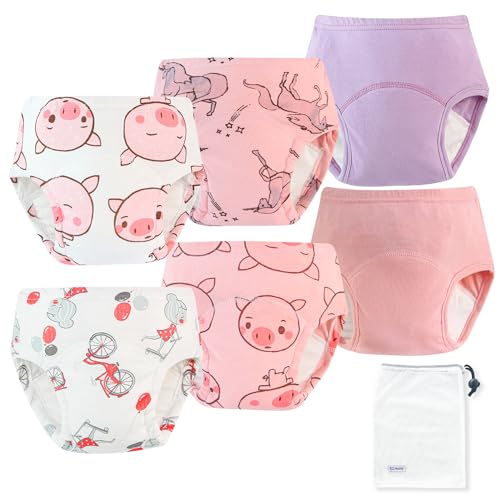
🍀【Soft And Breathable Materials】We Know That Potty Training Can Be A Challenging Time For Parents And Toddlers Alike, Which Is Why We've Created These Adorable Kids Underwear Girls To Help Make The Process Smoother. Made With Soft And Breathable Materials, These Training Underwear For Girls 2t Are Perfect For Everyday Wear, While The Snug Fit Helps Prevent Accidents. Our Toilet Training Pants Are Also Machine Washable And Dryer Safe,Making Them The Perfect Addition To Your Little One's Wardrobe

This starter kit contains a 3-Pack Of Training Pants as well as a 4-Pack of Underwear (Total of 7 pieces) Your little one will love being Potty Trained with these high quality Paw Patrol Boys Potty Training Pants AND Underwear Toddler 7-Pack Available in Sizes 2T 3T 4T Briefs 100% Combed Cotton
Frequently Asked Questions
Can Laundry Detergents or Fabric Softeners Cause Genital Irritation?
?Is it surprising? Yes, laundry products can cause genital irritation; detergent ingredients like fragrances, preservatives, dyes or softener residues provoke irritation symptoms such as redness, itching, burning, swelling, and allergic contact dermatitis in sensitive skin.
How Should You Store Underwear to Prevent Bacterial Growth and Odor?
They should store underwear in dry, ventilated spaces using breathable storage materials and organized underwear organization systems; separate clean items from dirty, add desiccants if needed, and guarantee garments are fully cleaned and completely dry.
Are Antimicrobial or Silver-Infused Underwear Safe for Long-Term Use?
Yes — a stitch in time saves nine. They maintain skin barrier parameters, show antimicrobial benefits, and silver infused materials rarely cause irritation; PFAS concerns warrant carefully choosing independently tested, PFAS‑free brands for safe prolonged wear.
Does Underwear Choice Influence Menopausal Vaginal Odor or Dryness?
Yes, underwear choice influences menopausal vaginal odor and dryness. Breathable, moisture-wicking natural fabrics and loose fits support vaginal health and odor prevention; avoid synthetic, tight, fragranced underwear and use gentle washing and frequent changes daily.
What Underwear Is Best Immediately After Gynecological or Groin Surgery?
Like a gentle harbor protecting a vessel, cotton or bamboo-derived viscose high-waisted, seamless underwear with soft waistbands and no hardware offers ideal post surgery comfort, prioritizing breathability factors, moisture-wicking and gentle support to aid healing.