As an Amazon Associate, we earn from qualifying purchases. Some links on this site are affiliate links at no extra cost to you. Our recommendations are based on thorough research and editorial judgment.


Celebrating Diversity in Underwear Styles

The guide presents practical options, helping the reader choose underwear by style, fit, and function. Styles: – briefs, thongs, hipsters, boyshorts, bralettes. Fit & Size: – fit-first blocks, diverse fit models, iterative fittings. Adaptive & Cultural: – easy closures, sensory fabrics, modest cuts. Sustainability & Tech: – organic cotton, Tencel, smart textiles, moisture-wicking. Explicit trade-offs include coverage versus visibility, support versus sleekness, cost versus sustainability. Continue for more guidance and specifics and examples.
Key Takeaways
- Celebrate diverse underwear styles by offering range from full-coverage briefs to thongs, bikinis, boyshorts, and bralettes.
- Prioritize inclusive sizing and fit-first design using varied fit models, custom blocks, and iterative fittings.
- Respect cultural and adaptive needs with modest cuts, climate-appropriate fabrics, and accessible closures.
- Choose sustainable, ethical materials like organic cotton, Tencel, and recycled polyester plus low-impact production.
- Show authentic representation with diverse, unretouched imagery, personalization tools, and community-driven marketing.
Exploring Style Types: From Briefs to Bralettes
You may be interested

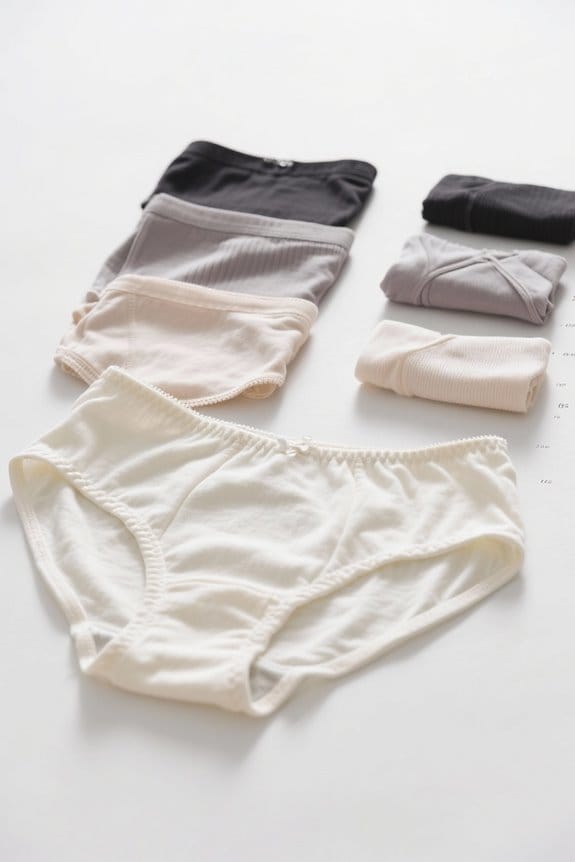
The reader should learn the main underwear families first, so choices match outfit, comfort, and support needs. Brief Families: Briefs offer full coverage and tummy control; rio briefs sit on hips with higher legs, full back. Full or high-waisted briefs extend over the waist, useful under tailored dresses. Control briefs add shaping for fitted garments. Minimal and Moderate Cuts: Thongs hide lines under tight clothing, offering a sleek silhouette. Hipsters and bikinis sit lower, balance coverage and visibility, good with low-rise jeans. Boyshorts and cheekies provide sportier or playful coverage options. Bralettes and Pairing: Bralettes give light support, lace styles match thongs or bikinis. Note trends: underwear variety follows comfort-driven fashion trends, influencing materials and cuts. Consider fabric, seam placement, and garment care recommendations. Look for garments with moisture-wicking fabrics to stay cool and dry during activity.
Size Inclusivity and Fit-First Design
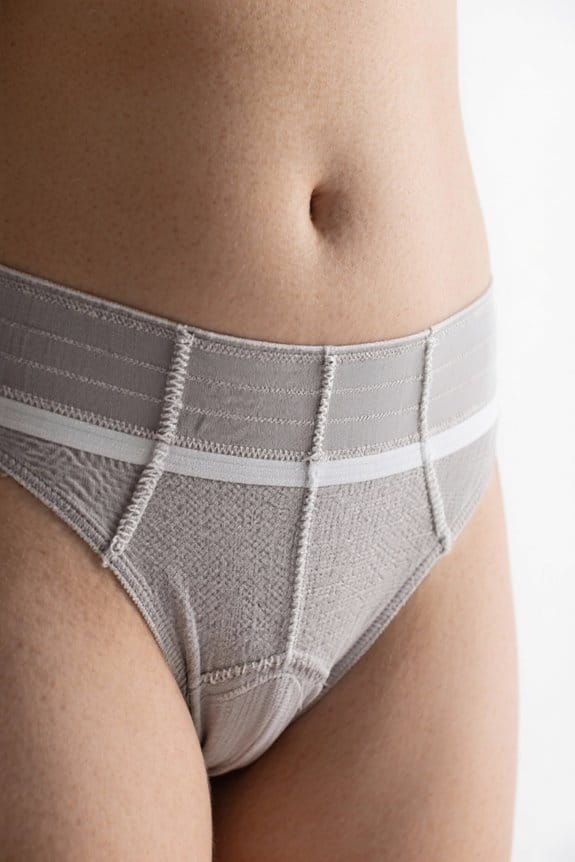
Inclusivity requires careful pattern work, dedicated fit testing, and sizing ranges that reflect real body measures beyond simple scaling.
Principle: The brand adopts fit-first methods, starting with specific fit models and custom blocks for different shapes.
Key elements:
- Pattern development: avoid linear grading, use specialized grading rules for bust, waist-to-hip, thigh changes.
- Prototyping and testing: iterative fittings on diverse models, log measurements, adjust blocks.
- Business impact: meeting size variability reduces returns, increases loyalty, aligns with customer expectations.
Examples and consequences:
– Example: briefs grown by proportion improve comfort; failure causes gaping and poor support.
This remains practical guidance, focused on design steps, tests, and measurable outcomes.
– Implementation steps: allocate R&D time, recruit diverse fit models, record feedback, finalize blocks, update tech packs, and monitor sales.
Choosing materials with attention to breathable fabrics can also improve comfort and lower the risk of rashes and bacterial growth.
Recommended Products

MOISTURE-WICKING STYLE - Women's underwear with Cool Comfort moisture-wicking fabric keeps you cool and comfy even during your most active days.

Soft Comfortable Cotton Fabric: This womens underwear is made from 95% cotton and 5% spandex for a breathable and flexible feel. Each underwear women pack includes moisture-wicking fabric that helps keep you dry and at ease all day.

6 Pack, Women's Plus Size Cooling Stripes Brief
Adaptive and Medical-Friendly Underwear Solutions

When designing adaptive underwear, the reader should prioritize easy closures, breathable materials, and pressure-reducing construction, so functional needs and medical requirements are met without sacrificing comfort or dignity. Key design elements:
- Adaptive closures like Velcro and magnetic fastenings simplify dressing, support side-fastening, and aid seated or lying users.
- Materials: sensory fabrics such as bamboo, organic cotton, and modal offer breathability, hypoallergenic performance, moisture-wicking, and minimal seams.
- Pressure management: seamless construction, padding, and stretchy ergonomic cuts reduce friction and pressure sores for wheelchair users.
- Medical access: side zippers, easy-open crotches, and adjustable waistbands allow catheter care, post-surgery access, and incontinence management.
Consequences: proper choices prevent skin irritation, improve hygiene, and sustain independence during caregiving and daily activities, and support dignity and mobility. Many adaptive underwear options use 95% cotton blends with a small percentage of spandex to provide softness, breathability, and stretch that minimize skin irritation.
Recommended Products
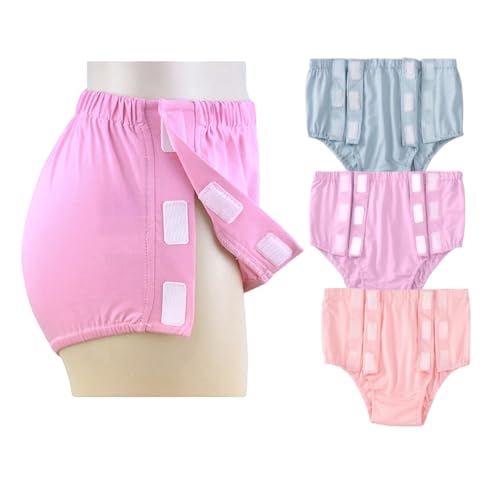
Adaptive Design: experience comfort and dignity with these thoughtfully designed post-surgery adaptive underwear for women.. Side-opening tear away underwear with snap closures for easy dressing and changing.

For Light to Moderate Bladder Leaks: The Tiichoo washable incontinence underwear for men features a 4-layer built-in absorbent liners that swiftly trap liquid. These incontinence underwear can hold up to 80 ml of liquid, providing reliable protection against light to moderate bladder leakage. However, they are not recommended for heavy, severe, or total incontinence. Not used for treatment

Adaptive Design: the post surgery boxer briefs are designed for post-surgery recovery and elderly care. Side-opening underwear with snap closures for easy dressing and changing.
Cultural Influences on Regional Designs
Although regional tastes vary, the designer should analyze cultural priorities—modesty, ornamentation, or practicality—before choosing fabrics and cuts.
Overview
The designer reviews regional examples, notes modest silhouettes in East and Middle East, bold colors in Africa, and lace traditions in Europe.
Guidelines
- Assess climate, fabric choice, and fit: cotton and silk for breathability, loose cuts for modesty, higher waistbands for coverage.
- Respect cultural symbolism in motifs and color, avoid misappropriation, document provenance.
- Use regional craftsmanship by sourcing handwoven textiles, collaborate with local artisans, verify quality control.
Consequences
Appropriate choices increase market acceptance, reduce cultural offense, and preserve textile heritage.
Examples
Japan: high-waisted cotton briefs. Ghana: kente-inspired panels. India: silk sarong adaptations, elegant embroidery; Europe: lace trims, focus on sensuality and inclusivity. Designers should document local techniques.
Designers should also prioritize GOTS certification when sourcing cotton to ensure sustainable and ethical production.
Sustainable Materials and Ethical Production
Because sustainable choices affect cost, quality, and brand trust, the designer should prioritize material and production decisions early in the development process.
Materials to choose
– Prioritize sustainable fabrics like organic cotton, Tencel Lyocell, linen, bamboo, and recycled polyester, each with clear trade-offs in water use and processing.
Production practices
– Implement ethical sourcing, fair wages, safe conditions, low-water dyeing, zero-waste cutting, and transparent supply chains to avoid greenwashing.
Impact and cost
– Track carbon hotspots, extend product life through durable construction, and use biodegradable packaging, accepting higher upfront cost for long-term brand trust.
Short checklist:
– Verify certifications, audit suppliers, plan for repairability, and communicate choices clearly to consumers. This approach reduces waste, lowers emissions, and builds consumer confidence over time. Measure results, revise sourcing, repeat regularly.
Choosing materials such as organic cotton can significantly reduce water usage and pesticide exposure compared with conventional cotton.
Performance and Activewear Innovations
Designers must prioritize performance and activewear innovations early, balancing moisture control, seamless construction, compression, and adaptive thermoregulation for wearer comfort. It explains practical steps and examples, and outlines measurable effects.
Key features
- Moisture control and breathability: fabric technology uses moisture-wicking blends, PCMs, and antimicrobial finishes to keep skin dry and reduce odor.
- Seamless construction: 3D knitting and circular machines remove seams, lower chafing, cut production steps, and allow targeted ventilation zones.
- Compression and support: engineered pouches and compression panels limit movement, reduce chafing, provide support, and decrease readjustment.
- Temperature regulation: adaptive fibers and microcapsules respond to heat, aiding comfort across activities.
Consequences include longer wear comfort, fewer skin issues, and clearer product positioning under performance innovations. Teams must validate fit, durability, and wash performance. A focus on proven materials like Cool Comfort fabric can help maintain moisture management and wearer satisfaction.
Recommended Products

SUPPORT YOU CAN RELY ON - Experience support and comfort with these men’s underwear designed for breathability and flexibility. The no-ride-up fit and Comfort Flex waistband make these boxer briefs ideal for any activity

HIGH-QUALITY MATERIAL: Our men's boxer briefs are crafted from 92% bamboo viscose and 8% spandex, offering superior softness, breathability, and moisture-wicking properties. Compared to cotton, they are 20-30% more breathable and 2-3°C cooler, keeping you fresh and comfortable all day long

PREMIUM MATERIAL: 92% Viscose Made From Bamboo and 8% Spandex,light and soft texture.It is 30% more breathable than cotton underwear and the average body temperature is 3°lower than cotton ones,bringing a fresh touch to your skin
Tech-Enabled Undergarments and Smart Fabrics
While integrating smart textiles into underwear requires coordination across materials, electronics, and fit, the reader should prioritize measurable comfort, durability, and wash performance from the start.
Antibacterial treatments and moisture-wicking fabrics provide enhanced freshness and reduce odor when properly maintained.
Overview
– Smart textiles combine phase change materials for temperature regulation, conductive fibers for data, and thermoforming for seam reduction.
Functionality
– Biometric monitoring uses embedded sensors and piezoresistive knit textiles to track heart rate, steps, and posture with high accuracy.
Design & Care
– Use 3D knitting and heat bonding to embed circuits, guarantee washability, and reduce sensor noise, otherwise electronics may fail.
Practical trade-offs****
- Expect trade-offs in battery life, energy harvesting, and maintenance, адаптивные текстили and wearable technology require testing for comfort and skin safety.
- AI analysis gives personalized alerts, earlier detection, and actionable feedback when algorithms are validated.
Inclusive Marketing and Representation Strategies
When developing inclusive marketing strategies, the reader should prioritize authentic representation across imagery, messaging, and product ranges. Representation strategies: Use models of varied sizes, ages, and skin tones in regular product lines, avoid segregated “plus” categories, and show unretouched images to support Marketing authenticity. Tactics: Leverage social media, influencer partnerships, and D2C channels for Community engagement, invite co-creation with marginalized groups, then measure sentiment and conversion. Product cues: Expand size and shade options, label fits clearly, and display range on product pages to reinforce Body positivity. Consequences: Superficial efforts risk backlash and erode trust, while genuine inclusion increases market reach and loyalty. Track metrics, collect feedback, and iterate campaigns regularly. Document policies and training, publish inclusive guidelines, and allocate budget for sustained programmatic changes. Include product information such as fabric composition like 100% cotton or blends to help shoppers make informed choices.
Customization, Personalization, and the Future of Fit
Although technology and user data now enable individualized undergarment solutions, the reader should focus on practical steps for customization and fit.
Key actions:
- Measure precisely, record three dimensions, use size charts and 3D models for a custom fit.
- Try virtual fitting rooms, use augmented reality previews and digital tailoring options to reduce returns.
- Choose seamless or 3D knitting and laser cut fabric for second skin comfort, note fabric stretch and recovery.
- Select adaptive designs, extended sizes, and a broad range of nude shades to match body needs and identity.
- Consider subscription boxes with AI curation or print on demand for visual personalization, balance style with fabric performance.
Consequences are lower returns, improved comfort, and longer garment life when these steps are followed, and sustainability. Additionally, prioritize moisture-wicking and breathable fabrics to enhance comfort and skin health, especially for active lifestyles.
Recommended Products

SEAMLESS UNDERWEAR: It's made of high quality soft stretchy fabric with 100% cotton health and breathable lining. Fabric is silky touch like the second layer of skin to make you feel nothing on. Comfortable to wear and stay in place all day long.
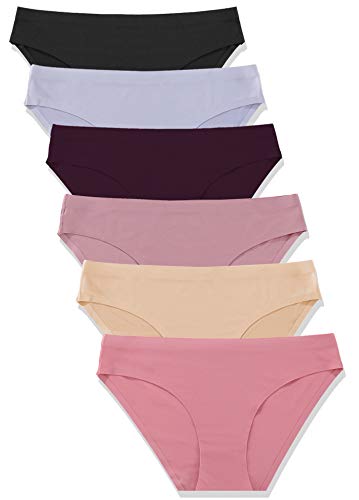
Size guide [Waist Measurements]: XS = 24 - 26"; S = 26.5-29"; M = 29-31.5" ; L= 31.5-35" ; XL = 35-39"; XXL = 39-43". [Hip Measurements]: XS= 34-36"; S = 36-38" ; M= 38-40" ; L = 40-42"; XL = 42-44"; XXL = 44-46".

Seamless & Invisible: This underwear women pack seamless is designed with seamless underwear for women technology, ensuring a no panty line look. Whether you're wearing leggings, bodycon dresses, or workout attire, this womens underwear stays invisible while keeping you comfortable and confident.
Frequently Asked Questions
How Should I Wash Delicate Lingerie to Prolong Lifespan?
Coincidentally, they hand wash delicate lingerie in lukewarm water with mild detergent, gently press and rinse; then apply drying techniques: roll in a towel, reshape, and air dry flat away from sunlight to prolong lifespan.
Can Underwear Be Repaired at Home, and How?
Yes. One can perform underwear alterations at home using DIY repair techniques: fabric glue, iron-on patches, hand sewing (ladder, back stitch), sticky cloth reinforcements, matching thread, fabric choice, gentle drying to preserve fit and finish.
Are There Etiquette Rules for Gifting Lingerie Between Cultures?
Like a map folded into pockets, one should respect cultural perceptions and gifting norms: use appropriate colors, wrapping, hand etiquette; avoid intimate or taboo items publicly, and guarantee relationship and occasion match before presenting lingerie.
How Do Resale Platforms Verify Hygiene for Used Underwear?
Platforms verify hygiene for used underwear through documented hygiene protocols, mandatory cleaning, labeling, and inspection; sellers follow resale guidelines requiring sanitization proof, condition disclosure, compliance with health regulations, and rejection of nonconforming items or destruction.
What Are Common Signs Underwear Needs Replacing?
They look for holes, tears, thinning or increased transparency, discoloration, persistent stains, lost elasticity, sagging fit, constant discomfort, odors, and fabric deterioration; these wear and tear signs indicate underwear needs replacing for hygiene and comfort.