As an Amazon Associate, we earn from qualifying purchases. Some links on this site are affiliate links at no extra cost to you. Our recommendations are based on thorough research and editorial judgment.

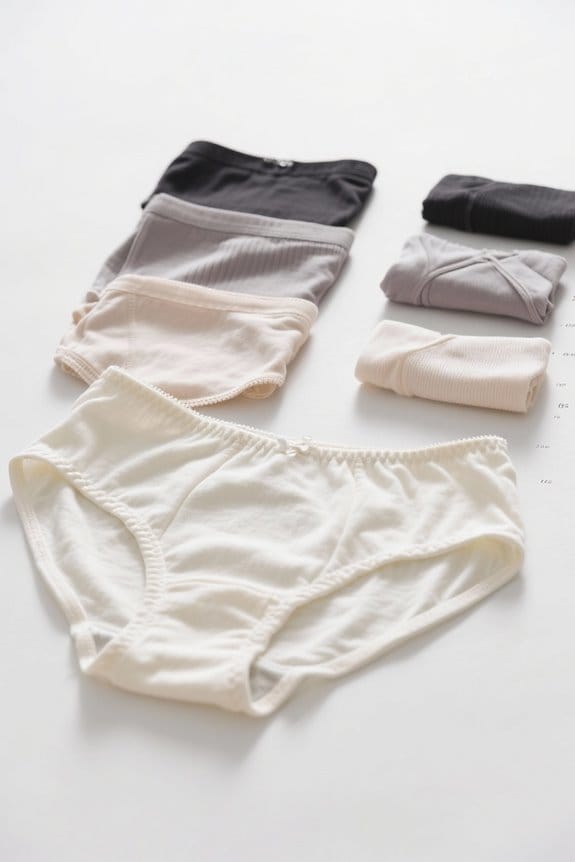
Body Positive Movements in Underwear Design

Body-positive underwear design centers on inclusive sizing, practical fit, and realistic representation, guiding designers, readers through changes. Key elements include expanded size ranges, adaptive closures, breathable fabrics and construction that improve comfort and dignity. Brands adopt transparent size charts, virtual fittings and marketing to reduce returns and build loyalty. Consequences of ignoring inclusivity include lost customers and reputational harm. Further sections outline market data, design methods and implementation steps the reader can follow today.
Key Takeaways
- Roots in historical reform and modern feminist movements have driven underwear toward comfort, agency, and rejection of restrictive beauty standards.
- Social media and influencer visibility amplify realistic bodies, pressuring brands to expand size ranges and use diverse models.
- Designers prioritize comfort-forward features—seamless construction, breathable fabrics, and adaptive closures—to improve fit, dignity, and everyday wearability.
- Expanded sizing, AI fittings, and virtual try-ons reduce returns, increase confidence, and unlock new market segments.
- Emerging trends pair sustainable materials with gender-neutral and adaptive lines to serve broader body types and ethical consumer demands.
Origins of the Body-Positive Movement in Intimate Apparel
You may be interested
Although often seen as a recent trend, the origins of body-positive thinking in intimate apparel extend across centuries and social movements. Historical origins: The Victorian reform movement challenged corsets and tightlacing, advocating body acceptance and practical garments, while early 20th century inventors created bras that prioritized comfort and autonomy. Key developments:
- Dress reform (1850s–1890s) promoted alternatives to corsetry, permitted pants, and resisted waist measurement norms.
- Inventors like Cadolle and Phelps Jacobs introduced modern bra structures, enabling mobility and reduced modification.
- Activism in the 1960s linked fat, Black, and queer rights to representation, prompting brands to expand sizes.
The reader should use these milestones to trace design choices, anticipate fit needs, and assess inclusive brand claims. This historical lens clarifies evidence for inclusive garment evaluation standards. Many contemporary brands also use 95% cotton blends to prioritize breathability and comfort in everyday underwear.
How Social Media Amplified Body-Positive Underwear

Many social media platforms now function as accelerators for body-positive conversations about underwear, driving visible change in design, marketing, and consumer expectations.
Key mechanisms
- Platforms share diverse images, hashtags, and stories that reshape notions of beauty and expand accepted body image norms.
- Influencers and user-generated content collaborate with brands, increasing demand for wider sizes, varied cuts, and transparent practices.
Effects on brands and consumers
- Exposure to realistic models raises body satisfaction, boosts engagement, and increases purchase intent for inclusive underwear lines.
- Consumer pressure, shown through comments and shares, forces brands to change size ranges, fit notes, and product photography.
Caveats
- Some posts still echo narrow ideals, requiring continued scrutiny and accountability from platforms, creators, and manufacturers.
- Platforms must track diversity metrics and report progress.
Brands are also incorporating moisture-wicking technologies to enhance comfort and performance.
Brand Pioneers Reshaping Lingerie Inclusivity

The lingerie market has shifted as women-founded brands redesign products and messages, prioritizing comfort, agency, and realistic representation over male-oriented aesthetics.
Overview: Brands drive Lingerie evolution, changing form, marketing, and production to center wearers’ needs, not the male gaze.
Examples:
- Neiwai, Lonely, LIVELY, NeonMoon, NegativeUnderwear, Olyinka apply Feminist design, prioritizing comfort, dignity, and everyday utility.
- Savage X Fenty and Aerie remove retouching, feature diverse models, and normalize authentic imagery.
Design approaches: Soft fabrics, reduced compression, adaptive seams, and customer-centered campaigns improve fit and experience.
Consequences: Increased consumer trust, market pressure on legacy labels, and faster technical innovation in inclusive undergarment design.
Brands also use community feedback and technology, like 3-D mapping, to refine sizing, reduce returns, and inform future collections more responsibly.
Many brands also incorporate moisture-wicking fabrics to manage sweat and odor and enhance comfort.
Recommended Products

Features:This is a 3 piece set consisting of a lace robe、an unlined floral lace bralette and a panty.They are made of high-quality lace fabric.Make you more...
Expansion of Size Ranges and Fit Options
Several market signals indicate that underwear makers must broaden size ranges and fit choices, responding to demand for comfort, function, and inclusive representation.
Overview
– Size diversity is driven by market growth, expanded demographics, and regional body differences, prompting extended ranges and specialty fits.
Practical steps
- Offer plus, maternity, and mid sizes, include athletic and slim fit waistbands, use stretchable fabrics for adaptable fit innovation.
- Provide detailed size charts, virtual try-on, and clear fit notes to reduce returns and increase confidence.
Additionally, many packs now emphasize moisture-wicking properties to enhance comfort during activity.
Consequences
- Brands that expand ranges capture larger market share, improve customer loyalty, and meet regulatory and ethical expectations.
- Retailers must adjust inventory and merchandising to support broader assortments, online and in-store.
Measure sales, returns, and feedback, then refine size grids and production planning timelines.
Recommended Products
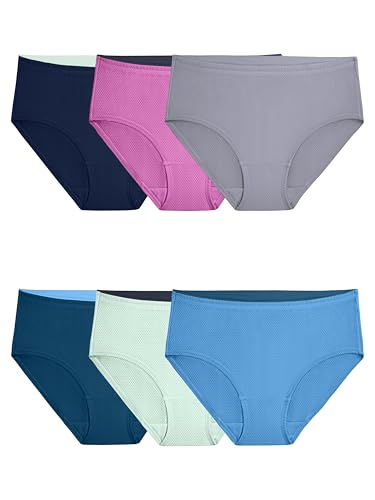
Lightweight, breathable fabric to keep you cool


HIGH QUALITY FABRIC - Made of 92% viscose made from bamboo and 8% spandex. The fabric is soft and breathable, moisture wicking and sweat wicking, regulating temperature.
Design Shifts Toward Comfort, Function, and Freedom
Comfort and freedom guide contemporary underwear design, shifting priorities from appearance to daily wearability, breathable performance, and natural movement support.
Materials and construction
- Emphasizes comfort fabrics such as micromodal, organic cotton, Tencel, bamboo and technical meshes that act like a second skin.
- Uses seamless construction, breathable panels, and sustainable fibers to reduce irritation and visible lines.
These designs often incorporate moisture-wicking fabrics such as bamboo viscose to help maintain dryness throughout the day.
Form and function
- Adopts functional silhouettes including high-waisted briefs, adaptive bras, bodysuits and light shapewear that support without constriction.
- Prioritizes flexible fits, extended sizing, and patterns that permit motion, resulting in garments suitable for exercise, work, and rest.
- Encourages mobility, subtle shaping, and technical design features that offer targeted support, reduce chafing, and improve daylong comfort across varied activities.
- Sizing ranges are practical and increasingly inclusive, everywhere.
Recommended Products

Soft and Stretchy Fabric: Enjoy a skin-friendly, excellent fit with our bikini underwear made of ultra-soft fabric. More breathable and moisture-wicking than cotton, it boasts exceptional elasticity, ensuring a snug fit without compromising your freedom of movement.

Soft and Stretchy Fabric: Enjoy a skin-friendly, excellent fit with our bikini underwear made of ultra-soft fabric. More breathable and moisture-wicking than cotton, it boasts exceptional elasticity, ensuring a snug fit without compromising your freedom of movement.

Soft and Stretchy Fabric: Enjoy a skin-friendly, excellent fit with our underwear made of ultra-soft fabric, which guarantees superior elasticity while gentle on sensitive skin. Due to the high stretch, we recommend going one size down if you want a closefitting.
Inclusive “Nude” Shades and Diverse Color Palettes
When brands expand nude palettes to include multiple skin tones, industry accessibility and customer choice measurably improve, prompting market shifts.
Overview
- Heist, Nude Barre, Nubian Skin and major retailers, such as Marks & Spencer, illustrate nude innovations that respond to consumer demand for shade diversity.
- Research examples: Heist identified seven base shades from 100,000 women, Nude Barre offers twelve, Nubian Skin targets deeper tones.
- Consequences include increased market share, higher brand mentions tied to “inclusive” language, and measurable sales growth in diverse ranges.
- Practical guidance for the reader: evaluate product maps for shade counts, confirm model diversity in campaigns, and track restock patterns to avoid discontinued ranges.
- Note limitations: not all retailers stock full ranges, continued expansion is needed. Monitor sales data for trends.
Some underwear lines also emphasize organic cotton and moisture-wicking properties to enhance comfort and sustainability.
Adaptive Lingerie for Post-Surgery and Mobility Needs
Many post-surgery patients and mobility-restricted users require adaptive lingerie designed to stabilize prostheses, ease dressing, and support healing. Design Principles:
- Customized fit, double sling panels, and elastic inner slings limit prosthesis movement and reduce shoulder strain.
- Pattern reductions of 15–20% and stretch fabrics accommodate swelling, bilateral asymmetry, and changing measurements.
Product Types and Uses:
- Camisole bras, front-hook bras, full-figure mastectomy bras, each offering different closure access and support levels.
- Compression zones improve circulation, posture, and post surgery comfort during recovery.
Practical Considerations:
- Prioritize adjustability, weight distribution, and non-invasive measuring, otherwise discomfort, prosthesis shift, and poor healing can result.
- Choose adjustable straps and front closures, allowing caregivers or users to dress independently, maintain dignity, and manage changing body contours. Market demand is growing. Many adaptive underwear options feature tear-away designs with hook-and-loop closures to simplify dressing and care.
Unretouched Campaigns and Authentic Representation
The reader should evaluate unretouched campaigns for authenticity, consistency, and measurable impact on consumer self-esteem and purchasing behavior. Overview: Third-person review shows that unretouched imagery and authentic storytelling can improve body image, especially versus thin-ideal ads, with Aerie and Dove cited as positive examples. Checklist for Evaluation: – Consistency: brand values align with campaign practice, as Aerie’s 2014 no-airbrushing shows. – Representation: include sizes, ethnicities, disabilities, illnesses, to increase positive self-perception. – Methods: combine professional and user-generated unretouched content, for credibility and community engagement. – Measurement: track changes in self-esteem through surveys and controlled exposure studies, avoid superficial empowerment messaging. Risks: tokenism and mixed messages reduce authenticity, harming trust and emotional connection. Document outcomes rigorously, report findings transparently, and adjust strategies based on evidence. Additionally, incorporating performance fabrics used by brands such as Hanes and Under Armour, which offer moisture-wicking and breathability, can improve wearer comfort and support during everyday and athletic activities.
Consumer Demand, Purchasing Behavior, and Market Growth
Although often framed as a cultural trend, body positivity now functions as a measurable market driver for underwear brands, influencing demand, design priorities, and sales channels across regions.
Demand and Growth: Market data shows rapid expansion, including no-size and plus-size segments, seamless and women’s categories, with strong Asia-Pacific gains.
Purchasing Behavior: Consumers favor inclusive, comfort-focused products, buying online via DTC and marketplaces, shifting retail footprints.
Design and Innovation: Brands prioritize breathable fabrics, moisture-wicking tech, and trend-led comfort, while integrating sustainability practices and ethical sourcing to differentiate.
Implications: Companies that align product range, e-commerce strategy, and responsible supply chains can capture projected CAGR gains, increase market share regionally, and respond to evolving buyer expectations.
Measured metrics should guide inventory, pricing, and marketing decisions. periodic review. Brands also emphasize materials such as bamboo viscose to deliver antimicrobial and moisture-wicking benefits.
Industry Challenges: Sizing, Accessibility, and Cost
A practitioner should plan for sizing, accessibility, and cost challenges, because unresolved issues can erode market gains and customer trust.
Sizing challenges
– Address sizing complications by hiring plus-size pattern makers, using AI virtual fitting, and grading unique rules per style.
Supply and demand
– Note market gaps: high demand, limited availability, and opportunity for brands that scale sizes.
Manufacturing and cost
– Mitigate cost barriers via automation, tech investment, and flexible supply chains to control prices and shortages.
Accessibility and trust
- Improve e-commerce visuals, transparent returns, and quality guarantees to reduce hesitation and counterfeit impacts.
- Consequences include higher returns, lost loyalty, and reduced growth; examples: retailers that scale ranges see conversion gains, while counterfeit floods erode premium brand revenue.
Plan metrics, timelines, and pilot programs quickly.
Brands can also incorporate moisture-wicking technologies to improve comfort and reduce odor.
Cultural and Regional Influences on Body-Positive Design
When examining global markets, designers should adapt body-positive underwear to cultural norms, regional preferences, and heritage influences.
Design Principles
- Consider cultural aesthetics and coverage requirements, for example high-waisted briefs in conservative regions, or bold cuts in Western markets.
- Leverage regional craftsmanship such as silk embroidery or symbolic motifs, ensuring heritage elements are respected and not appropriated.
Sizing and Fit
– Offer inclusive sizing systems that combine flexible fits with local body shape data, reducing returns and improving satisfaction.
Product Consequences
– Failure to align design with local norms can cause market rejection, reputational harm, or legal issues.
Implementation Tips
- Collaborate with local artisans, conduct consumer testing, and document cultural meanings before launching collections.
- Use sustainable fabrics like micromodal where acceptable, balancing comfort and environmental goals globally.
Emerging Trends and the Future of Inclusive Underwear
Because emerging trends combine sustainability, inclusivity, and technology, designers must balance materials, fit, and representation to succeed globally.
Key directions:
- Use sustainable fabrics like TENCEL, EcoVero, recycled polyamide, organic cotton, recycled nylon for softness and breathability, this reduces waste and supports ethical production.
- Expand gender-neutral lines, inclusive sizing, adaptive features, easy closures, pocketed prosthesis options, to reach diverse bodies.
Technology and fit:
– Apply 3D knitting, body-mapped compression, seamless laser-cut edges for precision fit, less irritation, enhanced movement.
Consumer education and outcomes:
- Provide clear care labels, size guides, supply chain transparency, to build trust, reduce returns, and promote slow consumption.
- Offer personalized fit options, period underwear in certified organic or recycled fabrics, quick-drying materials, to increase comfort and long-term value.
Frequently Asked Questions
How Eco-Friendly Are Body-Positive Underwear Materials and Manufacturing Processes?
Like a gentle promise, they deliver mostly eco-friendly results: sustainable materials (organic cotton, TENCEL, recycled fibers) and ethical sourcing improve footprints, yet challenges urgently remain in supply-chain transparency, certification uptake, and scaling circular manufacturing practices.
What Are Best Practices for Washing and Caring Delicate Inclusive Lingerie?
They should prioritize gentle washing techniques: hand wash in cool water with delicate detergent, rinse, air dry flat away from direct heat; always follow fabric care labels, separate colors, avoid machine dryers and harsh bleaches.
Do Inclusive Underwear Brands Ensure Fair Labor and Transparent Supply Chains?
Yes, many inclusive underwear brands guarantee fair labor and transparent supply chains; they emphasize ethical sourcing, publish labor conditions, certifications, and supplier locations, and partner with living wage certified factories for accountability and community support.
Are Body-Positive Styles Readily Available in Physical Stores Versus Online Only?
They are increasingly available: retail availability in physical stores has expanded through department and specialty boutique assortments, while online shopping offers the widest size ranges, virtual fitting tools, and faster scaling of inclusive styles nationwide.
How Does the Secondhand/Resale Market Affect Inclusive Underwear Accessibility?
20.1% CAGR in DTC growth illustrates digital shifts. The resale market expands inclusive underwear reach, but limited inventory, stigma and fragmented platforms constrain secondhand accessibility, concentrating options in urban niches and limiting rural, budget-minded consumers.


