As an Amazon Associate, we earn from qualifying purchases. Some links on this site are affiliate links at no extra cost to you. Our recommendations are based on thorough research and editorial judgment.

Teen Body Changes and Underwear Choices

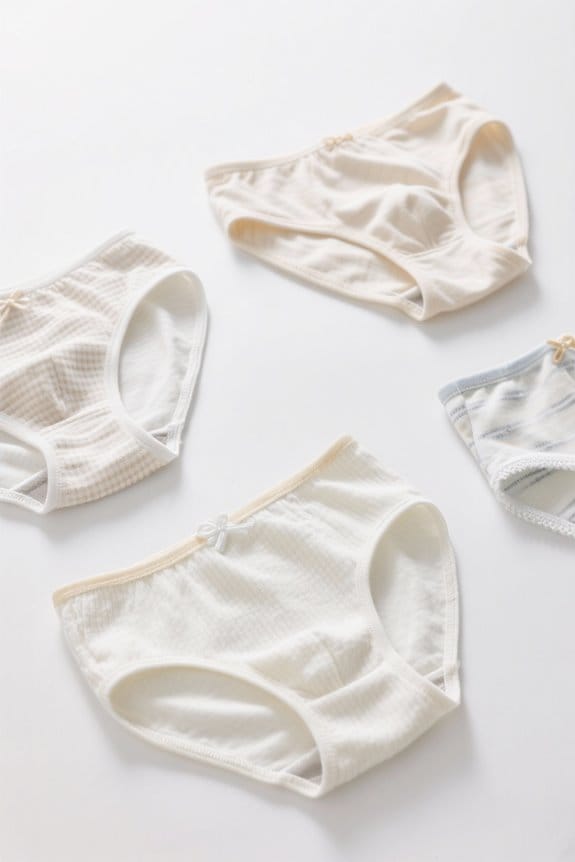
Puberty changes: Bodies grow quickly, limbs lengthen, breasts and hips may develop, and fat redistributes; timing varies. Underwear choices: Pick breathable cotton or modal, proper fit that isn’t tight, tag-free seams, and adjustable waists for comfort. Hygiene and fit: Change daily, avoid damp synthetic layers after exercise, and replace worn elastic to prevent irritation or infections. The reader will find more practical guidance and examples ahead with specific sizing tips, fabrics, brands, and resource links.
Key Takeaways
- Puberty changes body shape and size rapidly, so choose underwear that accommodates growth and changing proportions.
- Prefer breathable fabrics like cotton or modal to reduce irritation and bacterial growth.
- Select supportive, well-fitting styles (briefs, boy shorts, or soft bras) to prevent chafing during activities.
- Look for tag-free, elasticized, and adjustable waists for sensory sensitivity and longer usable fit.
- Emphasize hygiene, rotating and laundering pairs regularly, and encourage body-positive conversations to boost confidence.
How Bodies Change During Puberty
You may be interested


When puberty begins, the body changes in many predictable ways, and understanding these changes helps the reader recognize what to expect and why they happen. Overview: Development proceeds over years, influenced by heredity and environment, with typical puberty onset between about eight and fourteen years. Key features:
- Growth spurts occur, hands and feet grow first, then limbs, then torso, causing temporary awkwardness.
- Height increases rapidly for two to three years, with girls peaking earlier than boys.
- Secondary sexual characteristics develop in stages, breasts, pubic hair, underarm hair, and acne appear at predictable intervals.
- Internal reproductive organs enlarge, supporting future fertility.
- Tempo varies widely, so timelines are averages, not exact predictions.
Careful observation and pediatric guidance help families track progress, address concerns, and plan accordingly. Many families also consider practical clothing options, including products with Absorbency Levels and odor control to manage issues like heavy periods or light incontinence during adolescence.
Recommended Products

FULL-COVERAGE PROTECTION FOR EVERY DAY: Our teen underwear pack includes seven pairs of leakproof period underwear for teens, offering reliable protection for school, sleepovers, and sports, keeping you comfortable and confident all week long.

COMPLETE 3-PIECE BUNDLE: Includes 2 Saalt Comfort CloudShort period panties + 1 Hanky Panky Soft Lace Boyshort featuring Saalt-powered leakproof gusset technology. Designed for period flow, daily wear, or backup protection to a cup, disc, or tampon.

SUPERIOR LEAK PROTECTION: The seamless high waist period panties offer superior absorbency, replacing up to 2 pads or 3 tampons, making it your go-to period panty for regular flow days, everyday protection or as a backup to a cup, disc, or tampon.
Changes in Body Shape and Fat Distribution

Although puberty affects individuals at different rates, body shape and fat distribution shift in predictable ways during adolescence. Key changes:
- Adolescents see altered body proportions as limbs and trunk grow at different times, creating temporary disproportions that resolve with maturation.
- Female patterns: Estrogen drives fat redistribution toward breasts, hips, buttocks and thighs, producing rounder contours and wider pelvis for childbirth.
- Male patterns: Testosterone promotes muscle growth, broader shoulders and a more triangular torso, with lower overall fat.
- Practical notes: These shifts affect clothing fit and posture, they are normal, timing varies, and some features such as gynecomastia can be temporary.
- Examples: Girls gain more body fat percentage, boys gain more muscle mass. Clinicians can explain typical ranges and reassure families about expected variation clearly.
Choosing breathable materials like cotton can help maintain comfort as body proportions and clothing choices change.
Recommended Products

QUALITY EXPEDITION BASELAYER: 100% Merino Wool is super soft and extremely comfortable. This merino wool ¼ Zip thermal has the versatility and warmth to make this an essential part of your outdoor gear. ENVIRONMENTALLY FRIENDLY: The best in easy care technology means your merino wool is machine washable and dryable. Our 100% Merino Wool is a renewable fabric. Its moisture-wicking properties mean you won't have to wash it as often so you'll use even less water.
FULL-COVERAGE PROTECTION FOR EVERY DAY: Our teen underwear pack includes seven pairs of leakproof period underwear for teens, offering reliable protection for school, sleepovers, and sports, keeping you comfortable and confident all week long.

Supreme Comfort: Made from 100% soft, breathable cotton interlock, ensuring a cozy and gentle feel on the skin.
Choosing the Right Underwear for Comfort and Support
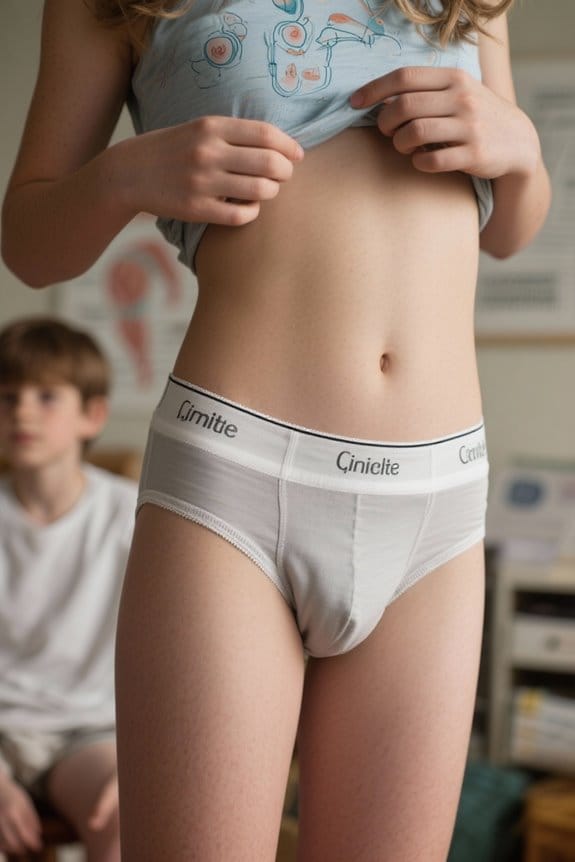
Because bodies change quickly during adolescence, selecting underwear that balances comfort, support, and fit becomes important for daily activities and during growth spurts. Key choices: Briefs, bikinis, hipsters, boy shorts, thongs, and high‑waist period options offer varied coverage and support, so teens can match clothing and activity needs. Support features: Seamless construction, elasticized waistbands, built‑in liners, and moisture‑wicking layers reduce chafing, adapt to size shifts, and protect during menstruation. Sensory needs: Tag‑free designs, soft modal or bamboo fabrics, seamless edges, and minimal embellishments help with sensory sensitivity and prevent skin irritation. Sizing and selection: Inclusive size ranges, adjustable waists, multipacks, and clear online guides simplify finding consistent fit and managing changes over time. Parents and caregivers can assist with purchases and returns when needed. Additionally, choosing underwear with moisture-wicking properties can help keep teens dry during activities and growth spurts.
Recommended Products

Period Underwear That Moves With You: DIVA Reusable Period Underwear features a silky, seamless, 4-way stretch fabric that moves with you

COMPLETE 3-PIECE BUNDLE: Includes 2 Saalt Seamless Thong period panties plus 1 Hanky Panky Original Thong featuring Saalt-powered leakproof gusset technology. Designed for light flow, everyday wear, or backup protection to a cup, disc, or tampon.

FREE RETURN:If any question for men's big and tall underwear ,please feel free to contact us, it is our best pleasure to make you satisfied
Fabric, Fit, and Hygiene Tips for Growing Teens
Several key factors influence underwear choices for growing teens, and the reader should prioritize fabric, fit, and hygiene to prevent irritation and infections.
Fabric Choices
– Cotton, Modal, or blended fabrics offer fabric breathability, absorb sweat, and reduce bacterial growth; synthetics wick moisture during sports.
Fit and Adjustments
– Proper fit prevents chafing and supports activity; stretch blends allow fit alterations during growth, preserving comfort.
Hygiene Practices
– Change underwear after heavy sweating, wash with mild detergent, avoid fabric softeners to reduce irritation.
Consequences: poor fabric choice or tight fit increases rashes, yeast infections, and odor. Specific examples: choose cotton for daily wear, modal for softness, spandex blends for sports. Regular washing maintains shape and hygiene. Replace underwear when elastic stretches, inspect for wear, and rotate pairs. Buying in multipacks offers better value and variety.
Recommended Products

Esme size runs different than other brands, check the measurements below under Product Description.

Premium Cotton Blend: Crafted from 57% Cotton, 38% Modal, and 5% Spandex, these bralettes offer a soft, breathable, and stretchy fit, ensuring comfort all day long.

SUPREME COMFORT: Experience ultimate comfort with our girls' boyshorts underwear, made from ultra-soft, breathable cotton that ensures all-day freshness and unrestricted movement for active girls.
Supporting Body Confidence and Emotional Wellbeing
Body dissatisfaction is common, affecting roughly half of adolescents, and it often increases in late adolescence, so early attention matters. Key facts:
– 55% report dissatisfaction, social media raises comparison, reducing use improves body positivity and self acceptance.
Practical steps:
- Limit screen time to 60 minutes daily, or reduce by 50% for several weeks, to improve self-regard.
- Encourage open conversations at home and school, name worries, model supportive language.
- Address teasing and bullying, implement clear policies, provide counseling referrals.
Examples and consequences:
- Comparing online can add 8.5 points on dissatisfaction scales, untreated issues link to anxiety, depression, self-harm.
- Teach media literacy, show editing techniques, promote diverse images, foster long-term resilience and practical coping strategies, and encourage gradual self-monitoring today. Choosing underwear with laser-cut edges and a seamless fit can help teens feel more comfortable and confident in fitted clothing.
Frequently Asked Questions
Recommended Products

US Size: Small=(US 4-6), Medium=(US 8-10), Large=(US 12-14), X-Large=(US 16-18), XX-Large=US 20, soft and high quality eyelash lace fabric, lightweight and breathable. Comfortable to wear and touch in spring or summer
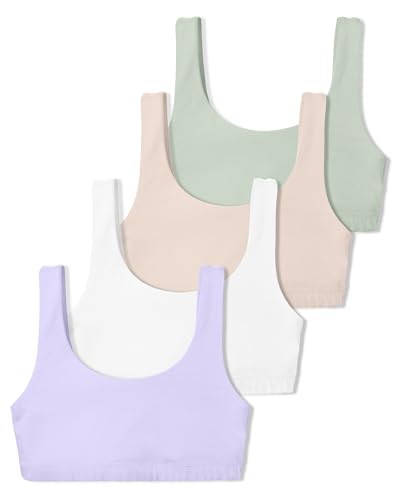
Soft & Stretchy Comfort: Made with 90% cotton and 10% spandex, this training bras for girls offers a perfect balance of softness and flexibility. The premium 60s combed cotton yarn provides a smooth, breathable feel for growing girls aged 10–14, ensuring gentle, all-day comfort and supportle all day long, providing gentle support.

2-in-1 Design: Find your size in our size chart before you order. If you has muscular buttocks and legs or prefer men loose fit bathing suits trunks, go up a size. Chafe-free boxer brief liner is soft and supportive for all-day wear, helps protect your private part, and offers a better wrap than traditional itchy mesh. keeps them from being see-through
How Do I Ask My Parents to Buy My First Bra or Underwear?
They should choose a calm moment, explain physical comfort and modesty needs, mention bra sizes and options like training or sports bras, express desire for guidance, and emphasize building body confidence while asking respectfully politely.
Where Can I Find Affordable Underwear Donations or Teen Programs?
Local shelters and nonprofits list underwear charities and community resources; organizations like The Undie Chest, Alliance for Period Supplies and I Support The Girls offer donations or programs — contact school counselors or 2-1-1 for referrals.
Do Underwear Choices Affect Sports Performance or Injury Risk?
Yes. Athletes’ underwear choices can affect performance impact and injury prevention by improving support, alignment, moisture management, and recovery; properly fitted compression garments reduce muscle vibration, enhance proprioception, and lower joint strain, decreasing injury risk.
Are Modesty-Friendly Underwear Styles Available for Cultural or Religious Needs?
Yes, modesty-friendly underwear styles are available for cultural or religious needs. Brands offer modest styles like briefs, boyshorts, and higher-waisted options that respect cultural preferences, prioritize coverage, comfort, breathable fabrics, and age-appropriate designs and accessibility.
Can Wearing Very Tight Underwear Long-Term Affect Fertility or Health?
25% higher sperm concentration: wearing tight underwear long-term can raise scrotal temperature, so tighter underwear risks include reduced sperm counts; fertility health impacts are usually reversible after switching to loose boxers, though some uncertainty remains.