As an Amazon Associate, we earn from qualifying purchases. Some links on this site are affiliate links at no extra cost to you. Our recommendations are based on thorough research and editorial judgment.


Best Materials for Sensitive Skin

The reader should pick natural, breathable fabrics that reduce irritation, moisture and chemical residue. Cotton: soft, breathable, absorbs sweat, minimizes chafing, safe after hot washing. Bamboo: very soft, antimicrobial, high absorbency, limits odor and flare-ups. Lyocell (TENCEL): smooth, fast-wicking, low friction, sustainable. Silk: extremely smooth, low friction, antimicrobial, gentle on eczema-prone skin. Care labels and certifications matter, and further sections explain selection, testing and laundering. They also detail blending, weave density, and recommended wash temperatures.
Key Takeaways
- Prefer natural, hypoallergenic fibers processed without harsh chemicals to minimize irritation and residue.
- Cotton: breathable, soft, and absorbent; tightly woven or organic cotton reduces friction and allergen buildup.
- Bamboo: exceptionally soft, naturally antibacterial, and highly absorbent—helps reduce chafing and odor.
- Lyocell (TENCEL): smooth, sustainable, and fast-wicking, rapidly moves moisture away to prevent dampness and bacterial growth.
- Silk: minimal friction, gentle on eczema-prone skin, wicks sweat while retaining skin hydration—best as pure silk garments.
Why Fabric Choice Matters for Sensitive Skin
You may be interested


Because fabric touches skin constantly, it directly affects irritation, moisture, and temperature, all of which influence sensitive skin reactions. Overview: Fabric quality determines irritation risk, moisture control, and temperature regulation for sensitive skin. Key points:
- Natural hypoallergenic fibers, like bamboo, silk, Tencel, hemp, and merino wool, reduce friction, bacteria, and chemical exposure, lowering irritation and infection risk.
- Breathability and moisture-wicking prevent sweat buildup; merino and Tencel excel, synthetics often trap heat and moisture.
- Smooth, soft surfaces minimize mechanical friction that triggers eczema; silk, bamboo, velvet, and washed hemp perform well.
- Chemical-free processing and organic treatments reduce residues that inflame sensitive skin. Practical selection balances fiber type, processing, and construction to prioritize comfort and reduced flare-ups. It guides safe choices. Choosing TENCEL/Lyocell offers breathable, biodegradable fiber benefits and is noted for eco-friendly sourcing.
Cotton — The Soft, Breathable Classic

A reader selecting fabrics for sensitive skin will find cotton offers a balance of softness, breathability, and proven hypoallergenic performance. Overview: Cotton is clinically shown non‑irritating in multiple patch tests, making it reliable for people with reactive skin and minimal cotton allergies risk. Key cotton benefits:
- Breathability and moisture control, cotton absorbs sweat and helps keep skin dry, lowering bacterial growth and flare-ups.
- Softness and low friction reduce chafing, easing eczema triggers.
- Laundering at high temperatures removes residues, creams, and allergens, improving skin outcomes.
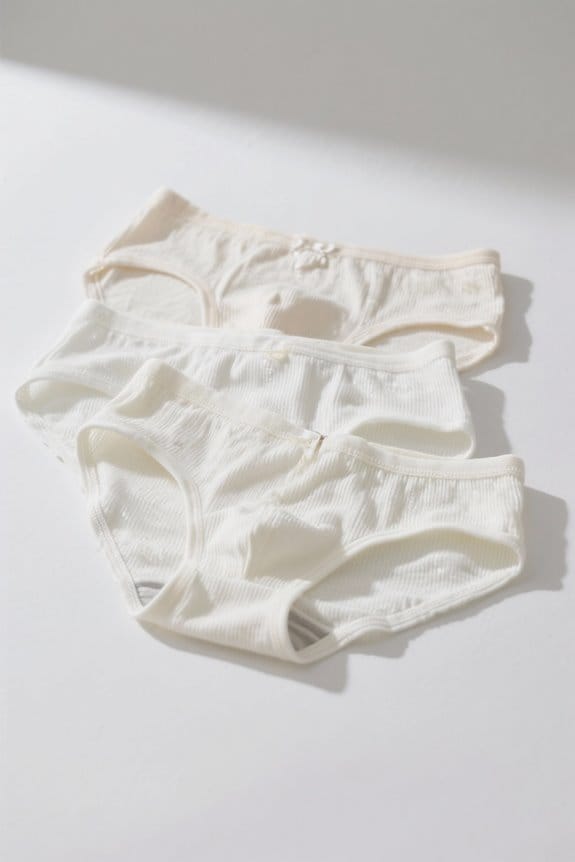
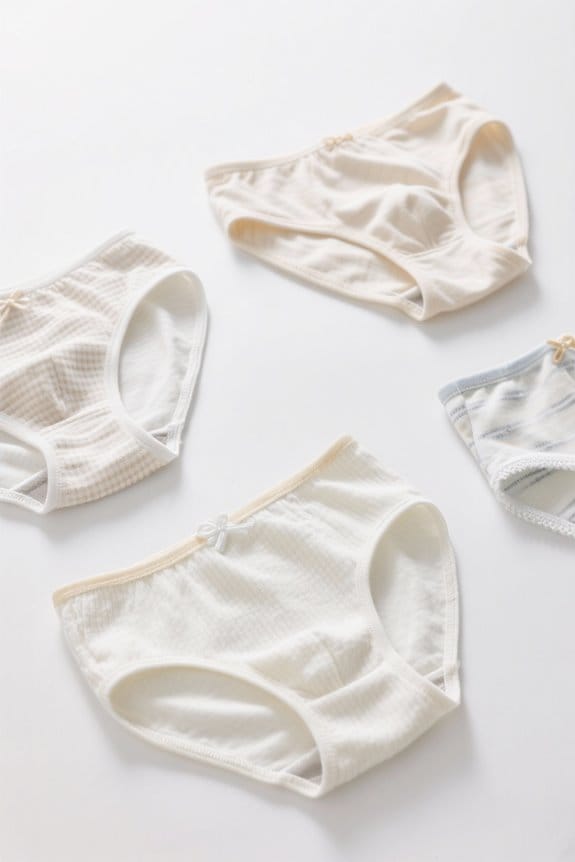
Practical guidance: Choose natural or purified cotton, prefer tight weaves for durability, wash regularly at recommended temperatures, and consider cotton-based skincare ingredients like cottonseed oil for added hydration. Dermatologists endorse cotton for eczema care and sensitive skin management. Use cotton. Many underwear brands also use breathable materials that enhance airflow and comfort.
Bamboo: Antibacterial and Exceptionally Soft
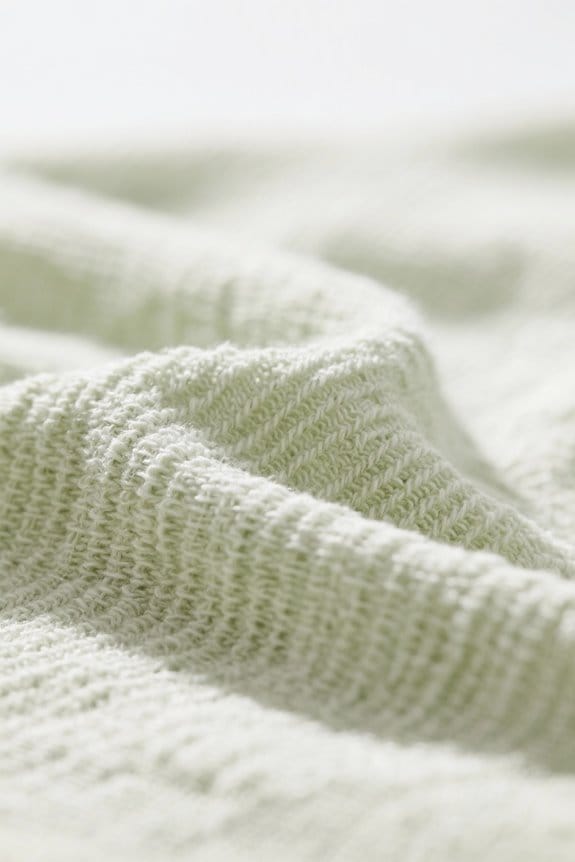
Although derived from a plant, bamboo fabric undergoes processing choices that determine its softness, antibacterial performance, and suitability for sensitive skin.
Overview and bamboo benefits
Bamboo is naturally hypoallergenic, very soft like silk, and breathable, making it a practical choice for sensitive skin.
- Hypoallergenic and gentle: repels common allergens, so eczema and dermatitis flare-ups decrease, and babies get fewer rashes.
- Moisture control and comfort: absorbs three times its weight, wicks perspiration away, reduces chafing and heat rash risk.
- Antibacterial properties and durability: retains up to seventy percent antibacterial action after many washes, limits odor, molds, and microbial irritation.
Quality varies by processing method, so readers should choose viscose from bamboo made with gentle enzymes, checking labels and wash instructions. Choose Oeko‑Tex and GOTS labels. Opt for a high 95% bamboo viscose percentage for optimal softness and breathability.
Lyocell (Tencel): Sustainable, Smooth, and Moisture-Wicking
Three qualities make TENCEL™ Lyocell a strong choice for sensitive skin: sustainable production, a smooth, low‑friction surface, and fast moisture management, each reducing common triggers for irritation.
Overview: TENCEL benefits include Eco friendly fibers, biodegradable source, and a closed-loop process that cuts water and carbon use.
Smoothness: Fine, soft fibers reduce friction, prevent sleep creases, and keep fabric comfortable after washing.
Moisture control: Wicks sweat into fiber core, absorbs faster than cotton, dries quickly, lowering dampness and bacterial growth.
Practical guidance: Choose labeled TENCEL items, look for LCA or Higg MSI certification, wash gently, avoid fabric softeners that can coat fibers.
Many manufacturers combine TENCEL with moisture-wicking blends to further improve comfort and durability.
Benefits: breathable, hypoallergenic, durable, suitable for activewear and bedding for sensitive skin. Expect longer lasting softness, less irritation, and improved skin comfort.
Silk: Minimal Friction and Gentle on Skin
Following the benefits of TENCEL™ Lyocell, silk offers an even smoother, lower‑friction surface, with distinct hypoallergenic and moisture behaviors useful for sensitive skin. Overview: Silk properties include a cylindrical fiber shape, tight weave, and natural proteins, which lower abrasive contact and resist allergens. Skin benefits: Reduced friction prevents redness and speeds recovery of irritated skin, while fabric resists dust mites, mold, and microbes. Practical notes:
- Minimal friction: does not tug on hair or skin, reduces scratching and inflammatory triggers.
- Moisture and temperature: wicks sweat, retains hydration, and balances airflow to prevent overheating.
- Antimicrobial effects: sericin and fibroin reduce microbial growth, aiding eczema management.
Choose pure silk garments or bedding to maximize these effects, wash gently to preserve structure for longer use. Studies show that some fabrics like modal provide improved moisture-wicking and breathability compared to traditional cotton.
Linen and Hemp: Durable, Breathable Natural Options
Because linen and hemp combine high breathability with rugged durability, they are recommended for sensitive skin situations where moisture control, temperature balance, and long-term wear matter.
Quick overview
- Linen benefits: flax fibers offer high breathability, absorbency, natural hypoallergenic and antibacterial properties, thermoregulation, softening with washes.
- hemp advantages: antimicrobial, anti-allergic, very durable, wicks moisture efficiently, low-toxin cultivation, biodegradable.
Practical guidance
- Choose linen for hot, humid climates to reduce sweating, overheating, and bacterial irritation.
- Choose hemp for heavy-use garments needing tear resistance and frequent washing, while preserving skin tolerance and environmental benefits.
- Care: wash gently, avoid harsh detergents, expect linen to soften, expect hemp to retain strength.
- Consequence: proper fabric choice reduces rashes, extends garment life, lowers replacement costs, improves comfort.
Many consumers prefer organic cotton for its lower pesticide use and reduced environmental impact.
Frequently Asked Questions
How Should I Wash Fabrics to Protect Sensitive Skin?
60% of dermatitis sufferers report improvement; one should use gentle fabric washing methods, cold or lukewarm water temperature considerations, hypoallergenic detergent, delicate cycles, extra rinses, air-dry or low heat, and wash new garments before wearing.
Are Chemical Dyes and Finishes a Concern for Sensitive Skin?
Yes. They pose a significant concern for sensitive skin, as residues and finishes can trigger chemical allergies, dermatitis, and chronic irritation; hypoallergenic dye alternatives and certified low‑VOC finishes reduce risk and are recommended by consumers.
Can Synthetic Blends Be Safe for Sensitive Skin?
Yes, despite claims that blends are harmless, synthetic fibers often increase skin irritation; only rigorously certified, low-chemical blends with limited wear and careful laundering may be tolerable for sensitive skin, though natural fibers remain preferable.
What Certifications Indicate Skin-Friendly Textiles?
OEKO-TEX, GOTS, Nordic Swan and MyMicrobiome (medically tested/ISO 10993) indicate skin‑friendly textiles. Independent certification bodies perform rigorous fabric testing and supply‑chain audits to guarantee chemical safety, microbiome compatibility and social compliance, worker protections and transparency.
Which Fabrics Are Best for Eczema-Prone Baby Clothing?
Like sunrise-soft clouds, organic cotton tops the list for eczema-prone babies; TENCEL and silk follow, merino when tolerated, while bamboo fabric often causes concern due to processing—caregivers favor breathable, chemical-free garments, soft tagless washable daily.