As an Amazon Associate, we earn from qualifying purchases. Some links on this site are affiliate links at no extra cost to you. Our recommendations are based on thorough research and editorial judgment.


Hot Yoga: Moisture Management Essentials

Pre-hydration: The practitioner drinks sixteen to twenty-four ounces two hours before class, then eight to ten ounces before; avoid large volumes immediately prior. During: Sip small amounts frequently, use rest poses for quick drinks, prefer electrolyte water to replace sodium and potassium. Post: Rehydrate sixteen to twenty-four ounces within thirty minutes, add electrolyte powder or coconut water; weigh before and after to estimate sweat loss. Proper quick-dry clothing and mat hygiene reduce irritation, tips follow.
Key Takeaways
- Pre-hydrate steadily: drink 16–24 oz two to three hours before class, then 8–10 oz 20–30 minutes prior.
- Wear moisture-wicking, form-fitting fabrics (polyester/nylon/spandex blends) with ventilation to reduce sweat retention and irritation.
- Sip small amounts frequently during practice to maintain hydration without sloshing or bloating.
- Maintain studio conditions at ~90–105°F and 40–60% relative humidity with proper ventilation and air changes.
- Use absorbent towels, wipe and deep-clean mats regularly, and air-dry equipment to prevent residue and mold.
Pre-Class Hydration Protocols
You may be interested


Because heat increases fluid loss, the practitioner should begin a deliberate hydration routine well before entering the studio, ensuring fluids and electrolytes are in place to support circulation, temperature regulation, and muscle function.
Preclass Goals
- Start hours before class, sip steadily, avoid large volumes right before practice.
- Consume sixteen to twenty four ounces two to three hours before, then eight to ten ounces twenty to thirty minutes before class.
Amounts and Timing
– Aim for one to one point five liters pre practice, raise baseline daily intake on hot yoga days, consider two thirds ounce per pound.
Electrolytes and Food
– Use electrolyte enhanced drinks, hydration timing and fluid types matter, eat a banana, prefer filtered water, limit caffeine, carry a bottle.
Choose breathable fabrics to regulate temperature and moisture for added comfort.
Sipping Strategies During Practice
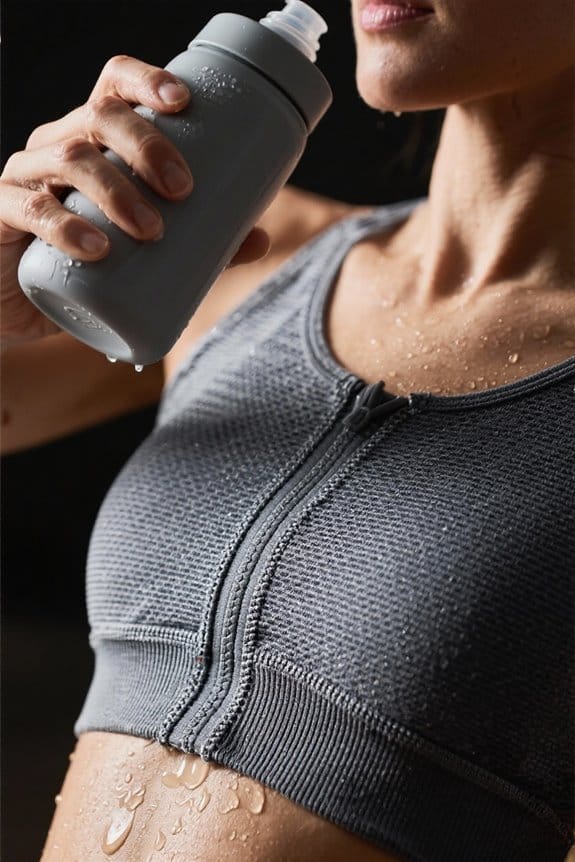
After establishing a pre-class hydration routine, the practitioner must manage fluid intake during the heated session to maintain balance, prevent symptoms, and avoid practice disruption.
Guidelines: Small, frequent sips, one of several sipping techniques, reduce sloshing, prevent bloating, and avoid bathroom interruptions during flow. Use shifts and rest poses for quick drinks, keep the bottle within reach, and avoid large gulps before twists.
Hydration cues and monitoring: Instructors prompt students with general reminders, watch for dry mouth, dizziness, or rapid heartbeat, and may suggest Child’s Pose or stepping outside to cool down.
Beverage choices: Prefer plain or electrolyte-enhanced water, avoid sugary sports drinks, and sip mindfully based on thirst and comfort. Instructors encourage breaks, and statistical data shows class prompts increase drinking during sessions. Choose breathable fabrics like cotton-spandex blend to help manage moisture during practice.
Post-Class Rehydration and Electrolyte Recovery

The practitioner should begin rehydration immediately, replacing both water and lost electrolytes to restore balance and support recovery.
Key actions
- Consume 16 to 24 ounces of water within 30 minutes, add electrolyte powder or coconut water for faster recovery.
- Monitor fluid intake by weighing before and after class, calculate sweat loss, replace accordingly.
Electrolyte balance
- Include sodium, potassium, magnesium sources: sports drinks low in sugar, bananas, avocados, leafy greens.
- For sessions over an hour or extreme heat, use electrolyte drinks or a homemade mix of water, lemon, pinch of salt.
Practical tips
- Avoid caffeine and sugary sodas, prefer filtered water and herbal teas, eat water-rich foods.
- Track symptoms: dizziness or muscle cramps indicate inadequate rehydration, adjust strategy. Maintain consistent hydration habits.
Wearing breathable fabrics post-class can help with cooling and comfort during recovery.
Choosing Moisture-Wicking Apparel
Many practitioners choose moisture-wicking apparel that balances fast drying, close fit, and durable stretch for hot yoga sessions lasting from 45 minutes to two hours.
fabric selection, fit importance, and function
- Use synthetic blends such as polyester, nylon and spandex, they move sweat outward and dry quickly.
- Avoid cotton, it soaks sweat, becomes heavy and chills the skin post-practice.
- Choose advanced quick-dry textiles, for example microporous 8C fabrics, they speed evaporation and reduce odor.
- Prefer form-fitting cuts, close contact with skin improves capillary transport of moisture and prevents bunching.
- Look for mesh panels, flatlock seams and lightweight construction to boost ventilation and reduce chafing.
- Consider durability and stretch, fabrics should retain shape through repeated heat and washing cycles.
- Verify stretch retention after multiple washes.
Consider choosing seamless, tagless pieces to minimize irritation during long sessions, since many top options emphasize seamless design for active wear.
Sweat-Reduction Clothing Tips and Accessories
Although sweat supports cooling, practitioners can reduce distraction and skin irritation by choosing targeted clothing and simple accessories, improving comfort and safety.
Key clothing choices
- Choose sweat resistant fabrics such as polyester nylon spandex blends, they wick moisture and dry fast to prevent chafing.
- Prefer breathable designs with mesh panels, perforations, or lightweight Lycra to boost airflow and avoid overheating.
Design and fit
– Select snug, minimal seam leggings or six inch inseam shorts with wide waistbands to stop rolling and bunching during inversions.
Accessories
– Use thin headbands, grippy socks, and lightweight wraps to keep sweat away from eyes, hands, and mat contact points.
Mat Towels and Sweat-Absorption Tools
Microfiber and bamboo towels, along with TPE or hemp alternatives, form the core choices for hot yoga sweat management. Overview: Practitioner guidance outlines towel materials and performance, selecting options that absorb quickly, resist odor, and dry. Key features:
- Microfiber: high absorbency, fast-drying; performs when saturated.
- Bamboo: eco-friendly, antibacterial, good moisture control.
- TPE/hemp: durable, extra grip, antimicrobial properties and rubber undersides.
- Avoid cotton: retains moisture and becomes heavy.
Grip features and placement:
- Non-slip bottoms or silicone dots prevent towel movement.
- Textured surfaces and silicone nubs increase wet grip, distribute moisture evenly.
Care and size:
- Wash regularly, skip fabric softener, hang to dry.
- Size and brands: 68–72 inch towels cover standard mats, Yogitoes and Jade offer varied grip technologies.
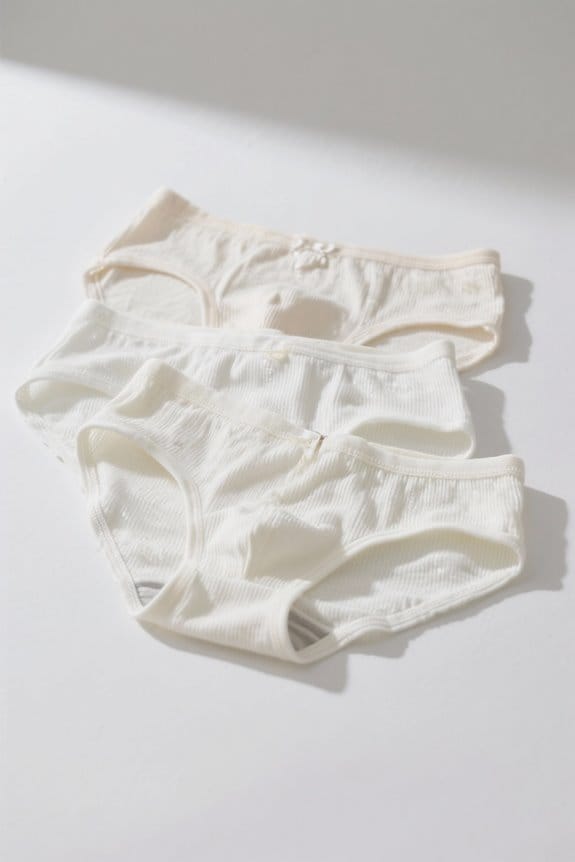
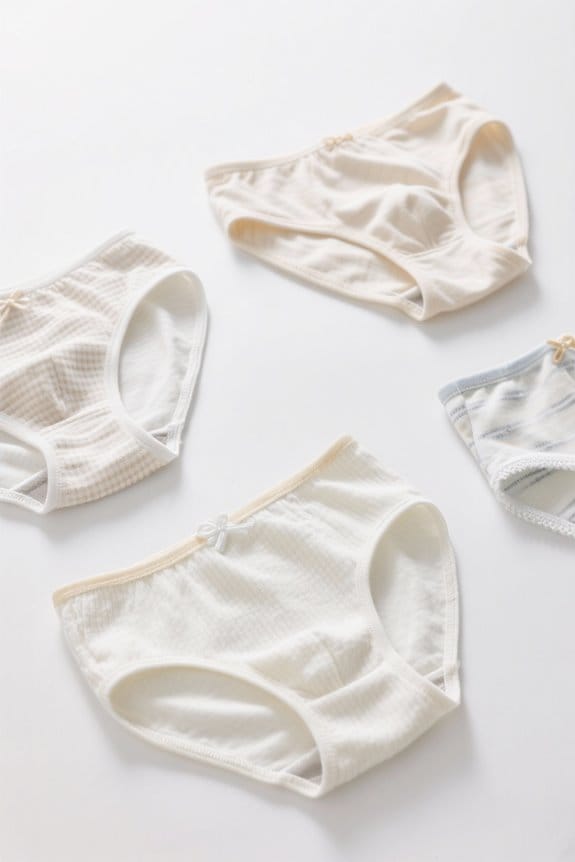
- Performance towels maintain traction when saturated, preventing slipping and pooling. Machine washable, portable. Many practitioners also choose products that complement breathable underwear materials such as cotton blends for post-practice comfort.
Skin Care After Sweaty Sessions
A quick, structured post-class skin routine helps the practitioner remove sweat, prevent breakouts, and restore hydration efficiently. Post-yoga cleansing: begin with warm water and a gentle, natural cleanser, double cleanse with an oil-based product followed by a water-based wash to remove sweat and oil; micellar wipes can substitute if showering is not possible. Moisturize and recover: pat skin dry, apply a lightweight, non-comedogenic moisturizer with hyaluronic acid or glycerin, avoid heavy actives until fully cooled for about two hours. Inflammation management and cooling: use cool towels, water mist, or a brief ice-cube application to reduce inflammation and puffiness, consider tea tree–infused ice for acne-prone skin. Exfoliation: use gentle salicylic or glycolic routines to unclog pores and support recovery. Consider choosing breathable, moisture-wicking fabrics for your workout wear to help keep skin drier and reduce odor- and bacteria-prone moisture buildup.
Hygiene Practices for Gear and Studio
When attending hot yoga, the practitioner should follow clear gear and studio hygiene routines, to limit bacterial growth, prevent skin infections, and maintain equipment longevity.
- Mat care: Wipe mats after each class with disinfectant sprays or eucalyptus solutions, towel off sweat, deep clean weekly via steam, hot wash at 60°C, and air-dry completely to avoid mold.
- Towels & clothing: Bring clean towels, avoid reusing damp items, wash clothes immediately inside out with moderate soap, no softener, consider vinegar or baking soda pre-soak, sun-dry for natural disinfection.
- Props & surfaces: Sanitize blocks, straps, bolsters after use, launder blankets hot, inspect wear, store dry.
- Studio protocols: Implement gear sanitation and routine studio disinfection for floors, high-touch surfaces, bathrooms, and lockers to reduce contamination. Follow posted schedules. Choose garments made from moisture-wicking materials to help keep skin dry and reduce bacterial growth.
Temperature and Humidity Management in Studios
Although heat creates the hot yoga experience, humidity must be actively managed to keep conditions safe, comfortable, and consistent for practitioners. Overview: The studio operator should target 90–105°F and 40–60% RH, pursue humidity control and temperature stability, and adjust for class size and floor warmth. Design & equipment: Use commercial humidifiers, integrated HVAC with wireless sensors, aspirating systems, and LED lighting to maintain set points. Operational practices: Monitor real-time RH and temperature, micro-manage during peak occupancy, guarantee proper air change rates and insulation, and keep floors dry to avoid mold. Consequences & maintenance: Excess humidity raises heat index and health risks, low humidity causes dryness and complaints, schedule calibration and filter changes regularly. Documentation of set points helps verify performance and meets regulatory expectations. Additionally, selecting materials with moisture-wicking properties like bamboo or nylon can help practitioners stay drier during and after class.
Nutritional Support for Electrolyte Balance
– Pre-hydration: consume about 16–20 ounces of water two hours before class, add a pinch of sea salt or a cup of coconut water when sessions are long or very hot, to boost sodium and potassium stores.
Purpose: The section explains nutrient timing and hydration balance for hot yoga participants.
Before class: Begin hydration 24 hours prior, eat potassium and magnesium foods like bananas, spinach, and almonds, maintain steady carbohydrate and protein intake.
During class: For sessions over an hour, sip electrolyte-enhanced water or coconut water, replace sodium to avoid cramps, monitor sweat loss.
After class: Replenish electrolytes with a balanced meal and an electrolyte drink, include calcium sources and protein for recovery.
Supplement guidance: Use clean electrolyte tablets or small amounts of sea salt when needed, avoid sugar-heavy sports drinks. Monitor symptoms and adjust intake accordingly.
Moisture-wicking fabrics like polyester and spandex maintain dryness during activities and support comfort in high-sweat environments, especially when combined with fitted designs that enhance thermal efficiency; consider choosing tops with Moisture-wicking fabrics for better performance.
Recognizing and Responding to Heat Stress
How quickly a hot-yoga practitioner recognizes and responds to heat stress often determines whether symptoms resolve quickly or escalate to an emergency. Key signs and symptom recognition: elevated pulse, dizziness, nausea, weakness, decreased sweating; note vision changes, confusion. Immediate actions: cease activity, move to cool area, sit with legs elevated, apply cold compresses or mist skin, call medical help if no improvement. Risk and prevention: older age, medications, pregnancy, chronic disease, obesity increase risk; heat awareness, acclimate slowly, hydrate before/during/after, wear lightweight clothing, modify intensity, avoid peak heat hours. Rapid cooling options: cool shower, ice packs to neck and groin, submerge if available, monitor until fully recovered. Persistent or worsening signs require emergency care to prevent heat stroke and organ damage, seek help immediately. Wearing lightweight, breathable fabrics such as combed cotton can help wick moisture and reduce irritation during practice.
Frequently Asked Questions
Does Hot Yoga Cause Hair Thinning or Affect Scalp Health?
Sweaty sessions? No — hot yoga doesn’t directly cause hair thinning; evidence suggests exercise isn’t causative. They note scalp hydration and hair care matter: rinse sweat, maintain hygiene, diet, gentle products to protect scalp and strands.
Can I Wear Contact Lenses During a Hot Yoga Class?
Generally one should avoid wearing contact lenses during a hot yoga class; eye protection is limited, for safety, so glasses or daily disposable lenses with rewetting drops are safer, removing lenses immediately if discomfort occurs.
Is Hot Yoga Safe While Taking Prescription Medications?
It depends; hot yoga can be unsafe for those taking prescription medications. They should consult clinician about medication interactions, monitor symptoms, adjust exertion, and follow hydration tips, stopping if dizziness, overheating, or bleeding risk occurs.
Will Regular Hot Yoga Reliably Promote Long-Term Weight Loss?
Not reliably—like Sisyphus’ uphill climb, hot yoga alone seldom secures lasting weight loss; increased caloric expenditure and transient metabolic rate boosts help, but long-term reduction requires dietary change, resistance training, and lifestyle shifts and commitment.
Do Studios Typically Provide Secure Lockers or Storage for Belongings?
Yes. Studios typically provide secure lockers or personal storage for belongings, offering locker security via built-in locks, keypad systems, or day lockers; larger studios may include dedicated locker rooms, showers, and checked storage for valuables.