As an Amazon Associate, we earn from qualifying purchases. Some links on this site are affiliate links at no extra cost to you. Our recommendations are based on thorough research and editorial judgment.


Natural Dyes Vs Chemical Dyes in Underwear

The reader should compare Natural: plant or animal extracts, lower toxicity, lower colorfastness, higher cost, gentle on sensitive skin; Chemical: synthetic azo and aniline-based dyes, high colorfastness, lower cost, potential heavy‑metal or allergen residues; Environment: natural is biodegradable but variable, synthetic uses more water and creates toxic effluent; Care: cold wash, mild detergent, air dry to extend life. More practical guidance follows if the reader wants detailed steps. See supplier labels and certifications for specifics.
Key Takeaways
- Natural dyes come from plants, animals, or minerals; chemical dyes are synthetic, made from petrochemical or coal-tar derivatives.
- Natural dyes typically have lower allergen/toxin risk, while some synthetic dyes can contain azo compounds, heavy metals, or formaldehyde.
- Synthetic dyes generally offer superior colorfastness and durability, often surviving 20+ washes versus 5–10 for many natural dyes.
- Chemical dyeing is more water- and energy-intensive and produces toxic effluent; natural dyes are more biodegradable but still need proper waste management.
- Natural dyeing raises costs and supply variability; synthetics are cheaper at scale, but certifications (OEKO-TEX, Bluesign) improve safety for both.
What Are Natural Dyes and Where Do They Come From
You may be interested


Stone-age roots and modern lab notes both matter. Natural dyes are defined as colorants from plants, invertebrates, fungi, or minerals, made of mixtures of chromophoric compounds with conjugated π-electron systems. Practical guidance:
Origins
- plant sources: roots, barks, leaves, flowers, seeds, wood yield flavonoids, anthraquinones, tannins, anthocyanins, examples include turmeric, madder, weld, indigo.
- animal sources: insects and invertebrates produce carminic or kermesic acids, examples include cochineal and kermes, yields vary widely and are labor intensive.
Extraction and use
- Methods include boiling, fermentation, oxidation, and mordanting, choices affect shade, fastness, and fiber compatibility.
- Consequences: variability in color, need for mordants, and historical cultural practices persist.
- Practical note: select dyes by fiber type, test small swatches, expect batch-to-batch variation and document recipes and mordant proportions for consistency.
Bamboo fabrics often feature moisture-wicking properties, which enhance comfort and temperature regulation.
What Are Chemical Dyes and How Are They Made
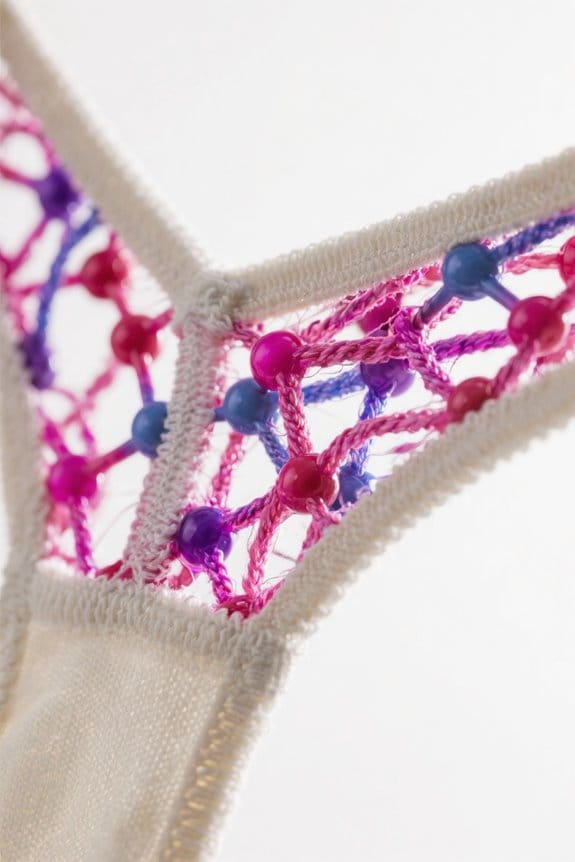
After covering natural dye sources and methods, the reader should now learn how modern chemical dyes are made and classified, and why they behave differently.
Definition and scope
Chemical dyes are synthetic colorants made from petrochemical or coal‑tar derivatives, engineered for high color strength, stability, and precise dye applications.
Raw materials and reactions
Key inputs include aniline, benzene, naphthalene and anthraquinone, transformed via sulfonation, nitration, diazotization, coupling and other steps to form chromogens and chromophores.
Processing and product forms
After synthesis, dyes are purified, dried and milled into powders, liquids or dispersions, then quality‑tested for purity, particle size and color strength.
Practical notes
Dye classification guides fiber choice, while intermediates and impurities affect performance and safety. Regulations encourage replacing toxic intermediates, improving overall safety. Many contemporary underwear combine chemical dyes with moisture-wicking fabrics to enhance colorfastness and comfort.
Environmental Footprint: Water Use and Pollution
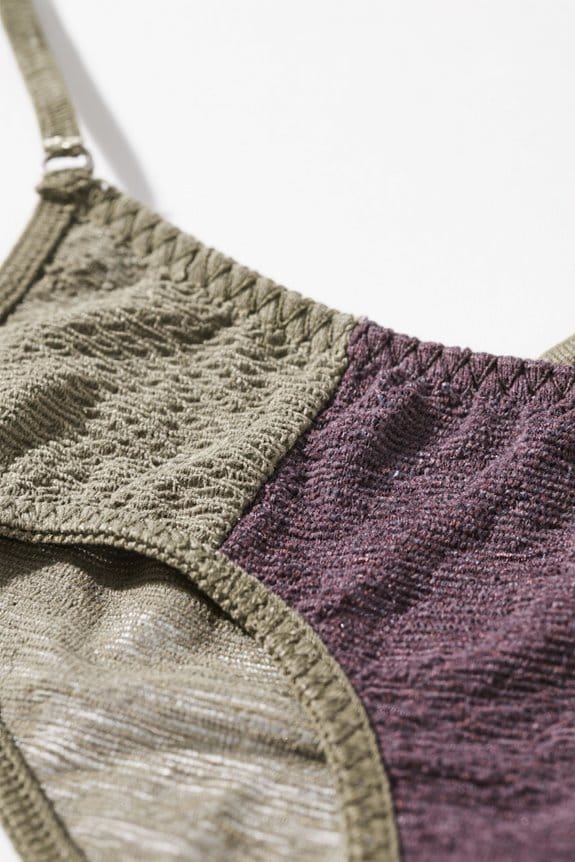
Water use and pollution from dyeing processes shape most of underwear’s environmental footprint, affecting freshwater supplies, local communities, and greenhouse gas totals.
Key impacts:
- Chemical dyeing consumes large volumes of water, drives energy use, and causes 36% of textile climate impacts, so water conservation is critical.
- Untreated effluent releases 10–20% of dyes into rivers, harming ecosystems, reducing safe drinking sources, and creating visible contamination.
- Natural dyes are biodegradable and often lower pollution, but some mordants can still cause harm without proper management.
Practical steps:
- Adopt closed-loop systems, low-impact dyes, and better wastewater treatment for pollution reduction and safer local water returns.
- Monitor and report effluent regularly, set measurable targets, train workers, and engage communities to protect water resources through policy and investment over time.
Many natural fiber underwear options use bamboo viscose for its moisture-wicking properties and softness.
Recommended Products

Sort your darks, lights and whites easily with our popular large size 3-Compartment Wicker Laundry Hamper, woven in heavy-gauge rattan over furniture-quality poles and a wood bottom.

46" by 12.5" by 17.25", extra tall end table or lingerie chest, convenient swivel casters

CALVIN KLEIN HOME: A collection of timeless and versatile modern pieces that will be your go-to bedding accessories, season after season.
Chemical Contaminants and Heavy Metals in Dyeing
Because textile dyeing introduces chemical contaminants and heavy metals, readers should learn which substances are hazardous, where they come from, and how to reduce exposure.
Common contaminants
– Synthetic azo dyes, formaldehyde, organotins, chlorine bleaches, and non-biodegradable auxiliaries, all contribute to chemical exposure and residue.
Heavy metals
– Chromium VI, lead, mercury, cadmium, copper and tin are used for fixation or pigments, they persist and bioaccumulate.
Consequences
– These substances can harm human health, disrupt ecosystems, and create long-term environmental impact when released in wastewater.
Mitigation
– Use certified dyes, enforce effluent treatment, avoid banned chemicals, and favor biodegradables, these steps reduce discharge and risk.
Regulation
– EU limits and certifications like OEKO-TEX help control hazards, but enforcement varies globally.
Consumers can prefer transparent supply chains and verified testing. Look for compostability certifications like ASTM D6400 to ensure true biodegradability and reduced environmental impact.
Recommended Products

SOFT, SKIN-FRIENDLY PREMIUM DIAPER PANTS: Breathable, flexible, stretchy comfort for active babies and toddlers. Unscented and gentle for sensitive skin, with a soft and underwear-like fit. Unisex pull-up training pants for potty training support.

COMBAT THE URGE TO SCRATCH: Wear this Eczema shirt as a base layer to protect your chest and offer relief from scratchy and irritating fabrics. RemedyWear Eczema clothing provides comfort for light activities and relief from discomfort caused by eczema, blisters, atopic dermatitis and dry patches of skin. With 35-50+ UV protection, wear this shirt to cover your fragile eczema skin when out in the sun and avoid harsh sunblocks.

Mid-Waist, Mid-Hip Cut for Natural Comfort: These organic cotton bikini underwear for women sit perfectly at the middle of the waist with a flattering mid-hip cut, offering a balanced, comfortable fit. Made for all-day wear, they’re the ideal choice for eco-friendly, breathable women’s underwear.
Skin Health and Allergic Risks of Dyed Underwear
Following concerns about chemical contaminants and heavy metals in dyeing, readers should assess how dyed underwear affects skin health directly, and which choices reduce personal risk. Overview: Natural dyes offer hypoallergenic benefits, often causing fewer rashes and less contact dermatitis than many synthetic options. Choosing underwear made from moisture-wicking fabrics may further reduce irritation and keep skin drier during prolonged wear. Risks from synthetics: Azo compounds, formaldehyde resins, and heavy metals can irritate skin, worsen eczema, and pose toxic risks with long contact. Practical guidance:
- Choose plant-based dyes or certified low-residue textiles to improve skin safety.
- Avoid garments with strong chemical odors or poor labeling.
- Prefer products screened for heavy metals, and test fabrics briefly on a forearm before extended wear.
Special groups: Children and sensitive individuals should prioritize natural dyes and verified hypoallergenic labels. Consult professionals when reactions become severe.
Colorfastness, Durability, and Washing Performance
A practical assessment of colorfastness, durability, and washing performance helps the reader choose underwear that balances appearance, longevity, and care needs.
Overview
- Natural dyes present colorfastness challenges, often fading after 5–10 washes, while some like indigo resist fading better.
- Synthetic dyes offer high wash resistance, commonly retaining color beyond 20 washes.
Durability comparison
- Natural-dyed fabrics may soften and lose intensity, care dependent on mordants and fiber prep.
- Synthetic-dyed underwear resists abrasion and maintains structural integrity after 30+ washes.
Washing guidance
- For natural dyes, recommend cold water, mild detergent, gentle cycles, wash separately early on.
- For synthetic dyes, machine washing at higher temperatures is acceptable, standard detergents work.
- Consequence: faded underwear appears older, risks staining other garments during early washes, reducing usable life and disposal.
Cotton blends are favored for their softness and breathability.
Recommended Products

Quality: 100% Modal from Beechwood; shrink and fade resistant

PREMIUM SWISS HERITAGE - Crafted by CALIDA, Switzerland's leading premium underwear brand since 1941. The Cotton Code line is CALIDA's signature collection of soft, dependable cotton basics for everyday wear.

Scalability, Cost, and Manufacturing Challenges
After considering wash performance and longevity, manufacturers must also weigh scalability, cost, and production constraints when selecting dye systems for underwear.
Scalability and Sourcing
- Natural dyes suit small-scale, artisanal runs, but face color variability, seasonal shortages, and supply chain limits that hinder mass output.
- Synthetic dyes support high-volume, standardized manufacturing, enabling automated lines and stable batch matching.
Cost and Efficiency
- Natural dyeing incurs higher labor, longer processing, mordant needs, and fluctuating raw material costs, raising unit price.
- Chemical dyes offer lower material and operational costs, improved production efficiency, but require effluent treatment and safety controls.
Manufacturing Challenges
– Natural dyes need skilled QC and more water, energy, time; synthetics trade environmental burdens for throughput.
Additionally, many underwear options emphasize breathability and moisture-wicking performance which can influence dye uptake and fabric choice.
Decision balances brand values, cost targets, and regulatory compliance demands globally.
Recommended Products
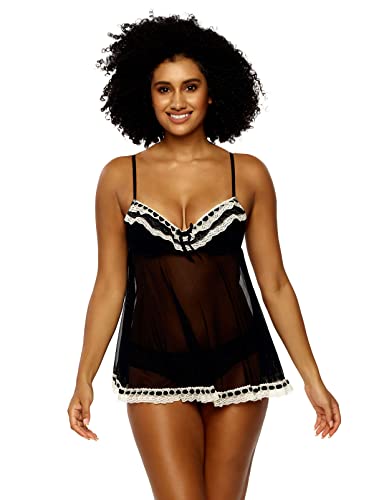

100% CERTIFIED ORGANIC COTTON next to you and inside to absorb - No chemicals, pesticides, or toxic materials; just pure natural cotton. Clinically proven to protect sensitive skin.
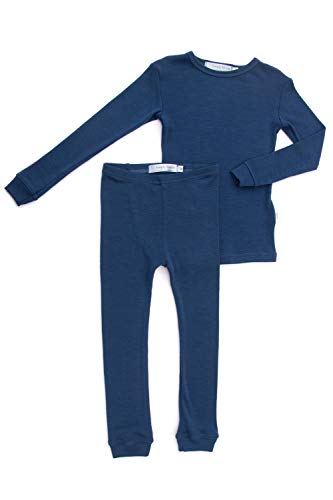
✅ 100% Pure Organic MERINO WOOL from Australia -Extremely soft, fine texture - so comfortable to wear and not itchy like typical wool. Our apparel is incredibly strong and MACHINE WASHABLE.
Innovations Reducing Dyeing Environmental Impact
Innovation drives recent shifts in dyeing, offering waterless, microbial, and precision techniques that lower environmental harm and improve production efficiency for underwear manufacturing. Key Technologies:
- AirDye and DyeCoo cut water and energy dramatically, enable faster runs, and reduce wastewater.
- Bio-FREED and NTX Cooltrans lower chemicals, energy, and score high on impact metrics.
- microbial innovations like Colorifix and Living Colour create pigments without heavy chemical baths.
Practical Impacts:
- Digital dyeing and inkjet methods target dye, reduce waste, and suit small batches and customization.
- Integrated pretreatment plus dyeing saves water, energy, and processing time.
- Consequences include lower effluent, faster color changeovers, and reduced material waste, aiding scale-up for more sustainable underwear lines. Manufacturers should evaluate lifecycle data, costs, and scalability before adopting new dye methods today. Many anti-chafe and performance boxer briefs incorporate moisture-wicking fabrics and no-ride-up leg construction to enhance comfort and reduce irritation.
Certification, Regulation, and Industry Standards
Facing a complex regulatory landscape, manufacturers and buyers must assess certifications, standards, and legal limits for underwear dyeing to guarantee product safety.
Key Standards and Certifications
- OEKO-TEX® Standard 100, Bluesign®, third-party testing, certification processes, offer tested limits for dyes, heavy metals, PFAS and SVHCs.
- EU bans over 1,500 textile chemicals, the US restricts about 40, affecting compliance, labeling, and import rules.
Practical Guidance
- Check certificate scope, renewal dates, lab reports, and limits for intimate wear.
- Monitor regulatory updates, CPSC rules for children, and regional differences that change sourcing and testing costs.
Consequences
– Noncompliance can lead to recalls, legal fines, reputational harm, and increased health risks for sensitive wearers.
Document decisions, keep records, and plan audits regularly for continuous compliance.
Soft cup bras often feature seamless design and high-stretch underbands that enhance comfort and fit.
Supply Chain and Ethical Sourcing Considerations
While evaluating dye sources and suppliers, the reader should prioritize documented environmental and labor practices, clear chemical inventories, and local discharge controls.
Supply chain integrity and transparency:
- Verify facility reports, water permits, and chemical lists, demand third‑party audits from mills and dye houses.
- Note that synthetic dyeing generates heavy wastewater, causing river pollution and ecosystem harm in high‑impact regions.
Ethical sourcing practices:
- Prefer suppliers who disclose mordants and prohibit chrome, copper, or tin, document safe alum use.
- Choose domestic dye houses when feasible, for clearer regulation of water use and discharge.
- Require chain traceability, sampling programs, and proof of worker safety, to reduce health risks from toxic colorants.
- Understand that opaque supply chains enable harmful chemicals to persist, damaging communities and environments and ecosystems.
OEKO-TEX Standard 100 certification indicates textiles have been tested for harmful substances and can help reduce irritation risks by verifying OEKO-TEX Standard 100.
Consumer Choices: Caring for Dyed Underwear Sustainably
How should the reader care for dyed underwear to maximize longevity and minimize environmental impact, while preserving color and fiber strength?
Washing: Hand wash in cold water, fully submerge fabrics, use minimal frequency, avoid hot cycles. Use eco friendly detergents, neutral pH soaps, lather in water first.
Drying: Shade dry flat or hung to avoid stretching and sun fade, never tumble dry.
Stain and pH care: Pretreat stains promptly, avoid bleach and softeners, use vinegar rinse sparingly to fine-tune hue, avoid excess acid.
Storage and upkeep: Air between wears to reduce washes, store folded in cool shade, treat soya milk–enhanced items as higher colorfastness.
Detergent tips: Use biodegradable formulas, avoid brighteners and fragrances, prioritize sustainable practices, powder options acceptable.
Follow labels for specific fiber care.
Recommended Products

Introducing the Owlcoxy M9-Plus Ozone Laundry System Enhance your laundry experience with the new and upgraded Owlcoxy M9-Plus ozone laundry system, designed with the safety of your little ones in mind. Featuring patented micro-bubble swirling technology, ozone dissolves in water in just 0.5 seconds, providing effective disinfection and odor removal. This makes it ideal for washing delicate baby clothes and mixed loads, ensuring they are clean and safe for your infant.

Introducing the Owlcoxy M9-Eco Ozone Laundry System . The upgraded Owlcoxy M9-Eco ozone laundry system revolutionizes your laundry experience. Using patented micro-bubble swirling technology, it ensures efficient ozone dissolution in water within just 0.5 seconds. This results in effective odor removal and a fresher wash, perfect for delicate fabrics, mixed loads, and even hard water stains.

WAVE BLOCKING – Our E M F protection underwear is designed to block 99% of 5 G, WiFi, Bluetooth, etc. The E M F wave blocking fabric maintains healthy sperm production, crucial for male fertility.
Future Trends: Can Natural Dyes Replace Synthetics
Although synthetic dyes currently dominate production, natural dyeing shows measurable potential to substitute synthetics in underwear manufacturing, provided certain technical, economic, and regulatory hurdles are addressed; the reader should consider practical trade-offs, supply-chain changes, and consumer expectations.
Outlook: natural dyes offer clear environmental and health benefits, and growing premium demand supports adoption, showing future possibilities.
Market realities: market challenges include cost, color consistency, scaling raw materials, and regulatory compliance, all requiring investment.
- Production steps: pilot programs, safer mordants, mordant-free methods, and tech like ultrasound reduce risks.
- Supply-chain: work with certified artisans, build reliable plant-sourcing, guarantee fair-trade factories.
- Consequences: higher price points, slower color range, but better recyclability and lower pollution.
Practical plan: test small collections, measure impact, educate consumers, scale when consistent results appear.
Frequently Asked Questions
Are Any Natural Dyes Derived From Animals Suitable for Vegan Underwear?
Less than 1% of natural dyes are animal-derived; so they are not suitable for vegan underwear. Industry standards mean brands avoid animal derived dyes when labeling vegan fabric, opting instead for plant or mineral alternatives.
Do Natural Dyes Alter Fabric Softness or Breathability Compared to Chemical Dyes?
Natural dyes generally do not noticeably alter fabric softness or breathability compared to chemical dyes; fabric texture depends more on mordants and fixatives, while dye penetration influences handfeel and porosity, with safer mordants preserving comfort.
Can Natural Dyes Cause Color Transfer Onto Other Clothing in Storage?
Like a slow leak, they can transfer color onto adjacent clothing in storage; natural dyes may bleed if not fixed, so colorfastness testing and fabric care—dry, separated storage and washing—significantly and effectively reduce migration risk.
Do Natural Dyes Affect Underwear Biodegradability in Home Composting?
Yes, natural dyes generally improve underwear biodegradability in home composting, offering biodegradable benefits by integrating with microbial activity; they support typical composting processes, though fabric fibers, mordants, labels and trims also influence overall breakdown rates.
Are Returns or Refunds Handled Differently for Naturally Dyed Underwear?
No; like two seeds in one soil, brands treat natural and chemical dyes the same: their returns policy and refund processes hinge on hygiene rules. They require unworn, unwashed items, rarely accepting opened underwear returns