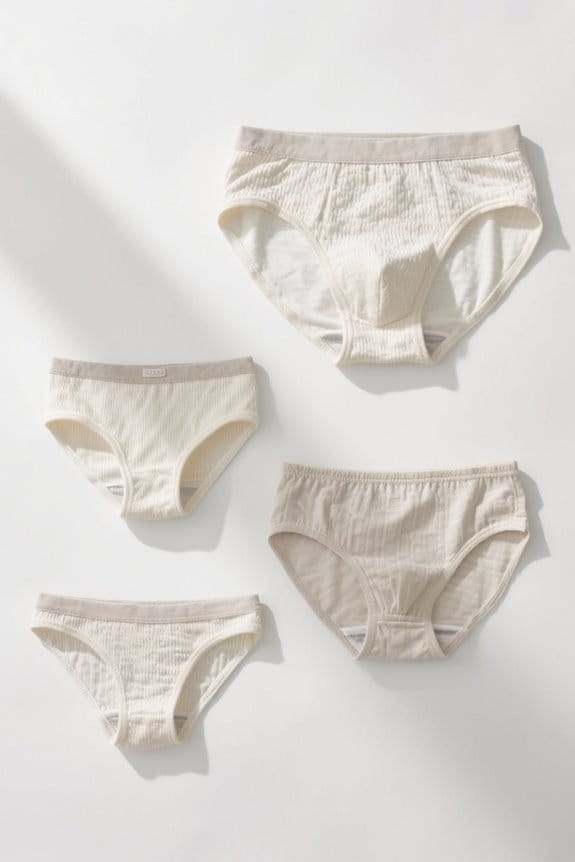
As an Amazon Associate, we earn from qualifying purchases. Some links on this site are affiliate links at no extra cost to you. Our recommendations are based on thorough research and editorial judgment.


How Waistbands Influence Comfort and Fit

Overview: Waistband choice affects fit, pressure distribution, posture, and breathing, guiding comfort for the wearer during daily activities. Types: cut-on casing, stitched-on casing, facing waistbands, knit or woven elastics, each offering different stretch and shape. Effects: tight bands restrict diaphragmatic breathing, impair circulation, increase back stiffness, and limit pelvic motion. Adjustability: elastic, drawstrings, internal adjustors, hook-and-loop and snaps allow quick relief and precise fit. Continue for details and practical solutions ahead, more tips follow soon.
Key Takeaways
- Waistband construction (cut-on, stitched-on, facing) determines softness, shape, and how garments sit on the waist.
- Elastic type (knit vs woven) controls stretch, recovery, and how firmly the waistband supports the body.
- Tight waistbands increase intra-abdominal pressure, restricting breathing, circulation, and pelvic mobility, reducing comfort.
- Adjustability features (drawstrings, internal adjustors, hook-and-loop) let wearers fine-tune fit after meals or activity.
- Seam placement, seamless construction, and fabric choice affect chafing, bulk, ventilation, and overall wearability.
Types of Waistbands and Their Comfort Profiles
You may be interested
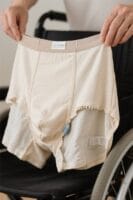


Waistband selection shapes everyday comfort, fit, and garment function, so a reader should evaluate construction, elastic type, and fabric before choosing. Types influence waistband flexibility and waistband styles, and knowing differences helps select garments that suit activity and body shape.
Common constructions
- Cut-on casing: casual, elastic enclosed by folded fabric, offers soft stretch and easy care.
- Stitched-on casing: tailored, separate piece encloses elastic, gives firmer shape and cleaner finish.
- Facing waistbands: no elastic, uses closures for smooth, ideal for garments.
Elastic and fabrics
- Knit and sports elastic: high flexibility and comfort for activewear and loungewear.
- Woven or braided elastic: firmer support, less flexible, better for heavy fabrics.
Contoured and drawstring options offer tailored fit or manual adjustment for varying waistlines and clothing types today. Many comfortable waistbands are paired with moisture-wicking technology in undergarments to enhance all-day comfort.
How Waistband Pressure Affects Body and Movement
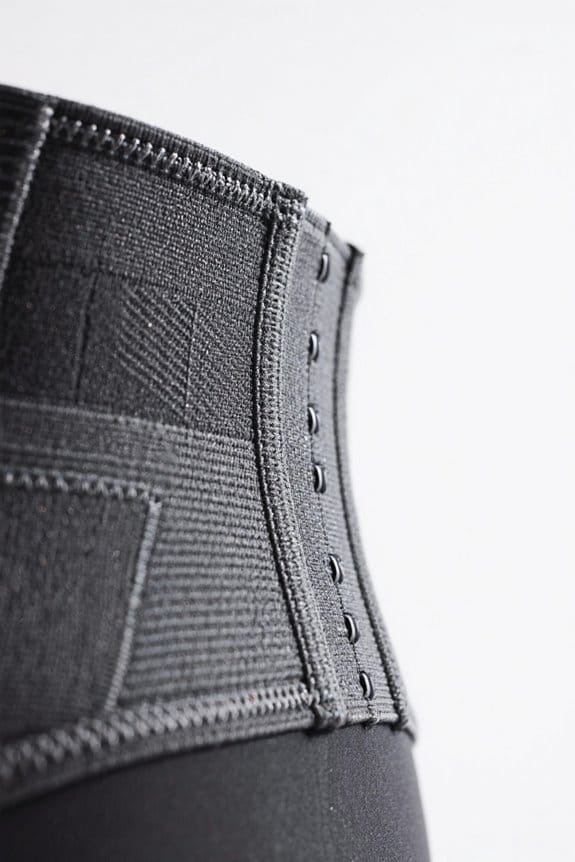
Although many garments aim for a snug fit, excessive waistband pressure can change breathing, circulation, posture, and nerve function in measurable ways. Respiration and movement: The reader is shown that tight waistbands restrict diaphragmatic excursion, cause shallow breathing during activity, and increase upper back tension, reducing exercise efficiency. Circulation and sensation: Compression impairs lower back and leg blood flow, increases swelling and clot risk in vulnerable people, and can cause tingling or numbness from nerve compression. Posture and core: Waistband ergonomics affect body alignment, limit pelvic mobility, raise intra‑abdominal pressure, and weaken stabilizing muscles, which may worsen GERD and back stiffness. Practical note: select looser, supportive designs and monitor symptoms during squats and daily tasks. Seek medical advice if persistent pain, numbness, or swelling. Consider choosing underwear made from moisture-wicking fabrics to reduce skin irritation and maintain comfort.
Adjustability Features: Elastic, Drawstrings, and Internal Systems
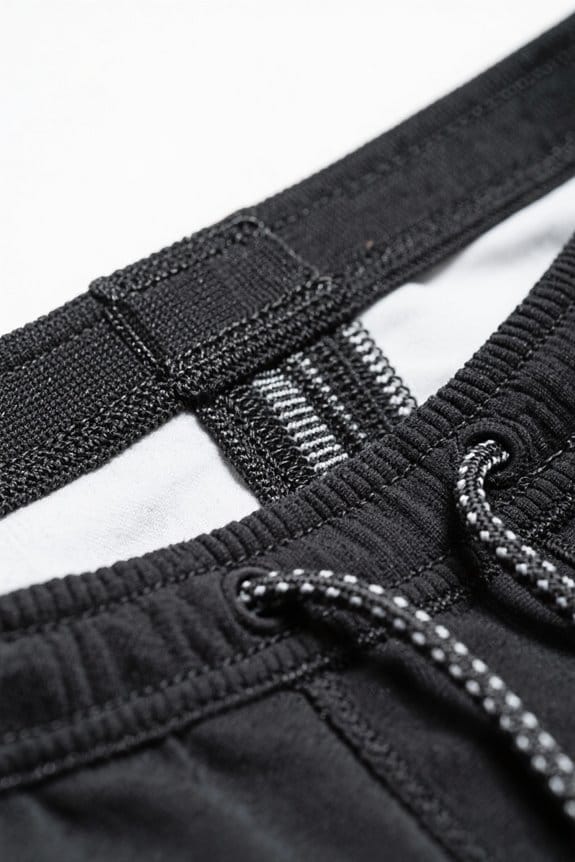
The reader should consider adjustable features after learning how tight bands affect breathing, circulation, and posture, because adjustability lets fit be changed quickly to relieve pressure and preserve function. Overview of Adjustment Benefits** Adjustable waist systems offer quick relief, accommodate daily fluctuations, and reduce strain on soft tissues. Elastic and Drawstrings – Elastic provides even pressure and stretch, useful for all-day comfort and sportswear, accommodating weight changes. – Drawstrings allow personalized tightening or loosening, help with post-meal comfort and bloating, and are simple to operate. Internal Systems and Hidden Panels – Internal adjustors and hidden panels enable fine tuning, preserve a tailored look, and suit formal garments. – Hook-and-loop closures aid users with limited dexterity, commonly used in adaptive wear. Lace options sometimes include a bulge pouch** for enhanced support and natural contouring.
Fabric and Construction: Stretch, Seamless, and Sustainable Options
Three main fabric and construction choices determine comfort, durability, and function in waistbands, guiding the reader toward suitable options.
Elastic types
- Knit elastic: soft, looped structure, flexible and breathable, suits light to medium fabric like cotton or rayon, gentle fit for long wear; fabric composition often blends elastane or rubber.
- Woven elastic: ribbed, stable, holds shape under stress, best for denim or twill, needs precise fit to avoid pressure.
Seamless and bonded
– Bonded knit and seamless construction reduce seams, bulk, and chafing, improve ventilation with mesh inserts, require specific construction techniques.
Sustainable options
– Recycled or natural blends offer lower impact, can match performance needs, choice affects durability and care.
Readers should match elastic type to activity level, fabric weight, and desired lifecycle expectations. Check regularly. Many premium underwear options incorporate moisture-wicking properties to keep the wearer dry during activity.
Design Innovations Improving Donning, Doffing, and Fit
When evaluating waistband design innovations, a reader should focus on donning, doffing, and fit features that reduce effort, increase accessibility, and maintain secure wear.
Key mechanisms:
- Hook-and-loop and magnetic adaptive closures enable quick fastening, reduce fine-motor demand, and speed garment entry and exit.
- Two-way zippers, full-length side seams, and head-to-waist entries permit varied opening orientations, aiding caregivers and independent users.
Fit systems:
- Graduated elastic bands, modular waist modules, and front-adjustable straps allow on-the-fly size changes, distribute pressure, and limit chafing.
- Snap or hook-in waistband options support rapid loosening, preserving stability while easing removal for limited mobility.
Accessibility note: strategic closure placement and ergonomic access features minimize reach and exertion during use. Designers should test these systems with representative users regularly. Many users prefer high-waisted designs for added comfort and support.
Consumer Preferences and Measuring Waistband Satisfaction
– Purpose and scope: define whether the study targets fit, comfort, or appearance, because each focus requires different questions and test conditions. In this section, guidance shows how to measure waistband satisfaction, combine consumer feedback with objective metrics, and align results to sizing standards.
Key components
- Sample selection: include diverse body sizes, ages, incomes, measure body cathexis and social comparison effects.
- Survey tools: use Likert scales for fit, comfort, and appearance, include open comments for qualitative insight.
- Physical tests: record fabric weight, elasticity, waistband compression and durability, compare to declared sizing standards.
- Analysis and action: link dissatisfied segments to material or construction changes, estimate value tradeoffs, report clear recommendations for designers and merchandisers.
Use results to update labels, mannequins, and return policies promptly for consumers. Additionally, testing should evaluate moisture-wicking properties because fabrics like polyester, spandex, or viscose significantly influence comfort and dryness during activity.
Frequently Asked Questions
How Should I Care for and Wash Elastic Waistbands?
They should hand wash or use gentle machine cycles, employing mild detergent; elastic care, washing tips, include turning garments inside out, air drying away from sun, low dryer heat, avoiding bleach, chemicals, overstretching, rotating items.
How Long Do Different Waistband Types Typically Last?
60% report woven elastics last over five years. Woven offers greatest band durability, about five years, knit lasts 1–3 years depending on waistband materials and use, braided often 6–18 months; exposure and care shorten lifespans.
Are Waistbands Safe for People With Hernias or Medical Devices?
They can be safe for people with hernias when fitted and used under medical supervision, supporting hernias safety and avoiding damage; however they may interfere with medical devices and require clinician assessment and regular monitoring.
Do Waistbands Affect Clothing Resale or Recycling Value?
Yes. Waistband materials influence resale trends and recycling value; durable, structured bands and premium elastane blends often boost resale appeal, while mixed materials, worn or overstretched elastics lower desirability and hinder recycling and reduce longevity.
How Do Waistband Choices Influence Garment Price?
A 2023 survey found 68% of brands cite waistband materials as key price factors. Manufacturers note premium fabrics, complex construction, labor intensity, and sustainability raise costs, so waistband choices directly elevate retail pricing and margins.