As an Amazon Associate, we earn from qualifying purchases. Some links on this site are affiliate links at no extra cost to you. Our recommendations are based on thorough research and editorial judgment.


Camping and Backpacking Underwear Strategies

The hiker should choose quick-dry synthetics or merino blends, avoid cotton for long trips, and favor flatlock seams and stretch for comfort. Fabrics: polyester-spandex for fast drying, merino for odor control. – Fit: snug, four-way stretch, low-friction seams. – Care: wash with biodegradable soap, hang to dry, rotate two pairs. – Consequences: cotton traps moisture, increases chafing and hypothermia risk. Pack a spare, launder nightly when possible, and prefer treated fabrics. More practical guidance follows.
Key Takeaways
- Avoid cotton; use moisture-wicking synthetics or merino to prevent chafing, prolonged dampness, and odor buildup.
- Prefer polyester/nylon blends with spandex for fast-drying, four-way stretch, and snug, non‑bunching fit.
- Choose flatlock or seamless construction and soft waistbands to minimize friction and hotspots on long hikes.
- Pack one to two quick-dry pairs, wash nightly with biodegradable soap, and air‑dry away from water sources.
- Prioritize odor-control treatments or merino blends for multi-day trips to reduce laundering frequency and stink.
Choosing the Right Fabrics for Backcountry Underwear
You may be interested

– Breathability and moisture management: synthetic fibers like polyester, nylon, polypropylene, and rayon move sweat away from skin quickly, they dry fast and lower chafing risk, so choose them for high-output days or wet weather.
Fabric choices
– The reader should prefer performance fabrics with polyester or nylon blends, these use fabric technology to wick moisture and dry rapidly.
Fit and stretch
– Include spandex for snug, flexible fit, which reduces friction, maintains shape during long hikes, and eases layered use.
Durability and odor control
– Synthetics tolerate abrasion and machine washing, treated blends can add antimicrobial properties, untreated fabrics may trap bacteria and smell on multi-day trips.
Consequences
– Poor fabric choice increases chafing, rash risk, slower drying, and reduced comfort, making trips less safe and more uncomfortable.
Quick-dry technology and odor-control treatments help keep underwear fresh and reduce bacteria buildup on multi-day trips.
Merino Wool vs. Synthetics: Pros and Cons

Because campers and backpackers must balance moisture control, odor, comfort, durability, and environmental impact, this comparison summarizes how merino wool and synthetic fabrics perform in those key areas, so the reader can choose the best underwear for specific trip needs.
Breathability & Moisture
- Merino offers merino advantages: absorbs moisture up to 30% without feeling wet, regulates temperature, stays warm when damp.
- Synthetics wick and dry fastest, but can feel clammy when sweating, a noted synthetic drawbacks.
Odor & Hygiene
- Merino resists odor naturally, suitable for multi-day wear.
- Synthetics may hold odor unless treated, treatments can fade.
Durability & Care
- Synthetics are tougher and endure frequent washing.
- Merino requires gentler care or blends for rugged use.
Choice depends on trip length, activity, and personal priorities. Also, choose machine-washable options to simplify care in the field.
Recommended Products

Merino blend seamless brief

WOOL ZIP SWEATER: This zip up wool hoodie fits perfectly under jackets as a mid layer with thumb loops to keep sleeves in place and hands warm & a fitted hood for warmth & protection

MIDWEIGHT 100% MERINO WOOL base layer ideal for cold weather activities
Why to Avoid Cotton on the Trail
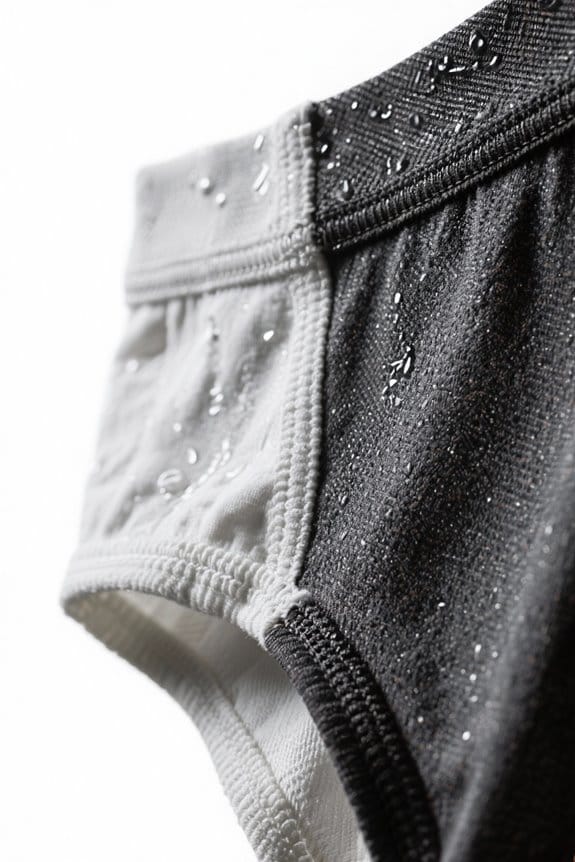
After comparing merino and synthetics, attention now turns to why cotton performs poorly for underwear on extended hikes and backpacking trips.
Moisture and Comfort
– Cotton traps sweat and stays wet, increasing chafing, odor, and risk of heat loss.
Fit and Durability
– Cotton lacks stretch, it bunches and loses shape, causing rubbing under packs and seams.
Health and Hygiene
– Prolonged dampness promotes bacteria and fungal growth, raising infection risk and persistent smells.
Practical Consequences
– Wet cotton reduces insulation and dries slowly, creating hypothermia hazards in cool conditions.
Readers should prioritize cotton alternatives, understand comfort limits, and select fabrics that manage moisture and retain fit for multi-day use. They should carry quick-changing spare underwear when drying opportunities are scarce. Consider fabrics with moisture-wicking properties such as polyester/elastane or bamboo viscose blends to ensure quick drying and odor control.
Ultralight and Fast-Drying Options for Multi-Day Trips
While choosing ultralight underwear, the hiker should weigh drying speed, weight, and odor control, since those three factors drive daily comfort and gear decisions. Key performance attributes:
- Fabrics: polyester-spandex dries fastest (under three hours), nylon dries quickly, merino-nylon balances odor control and drying.
- Design: mesh panels and minimalist designs reduce fabric volume, speed drying, and aid ventilation.
- Fit: four-way stretch and flatlock seams cut chafe, maintain close fit, and help fabric shed moisture.
Additionally, bamboo viscose is about 30% more breathable than cotton, offering a cooling advantage for multi-day trips.
Practical choices and trade-offs:
- Wash-and-wear: quick-dry synthetics let hikers launder nightly, save weight, but may wear faster.
- Example brands: Uniqlo AIRism for speed, Smartwool for odor control.
- Consequences: less bulk allows shorter drying times, fewer spare pairs carried, but increases potential for fabric failure on long trips. Choose wisely, deliberately.
Recommended Products

【Warmer Design】Combination of envelope and mummy sleeping bag - Mummy upper body, fits the head more compact and keeps warm; Rectangular lower body, can move or expose the feet. Our sleeping bag is large enough and comes in two sizes: 82.7” x 29.5”(Medium) / 86.6” x 33.5”(Large)
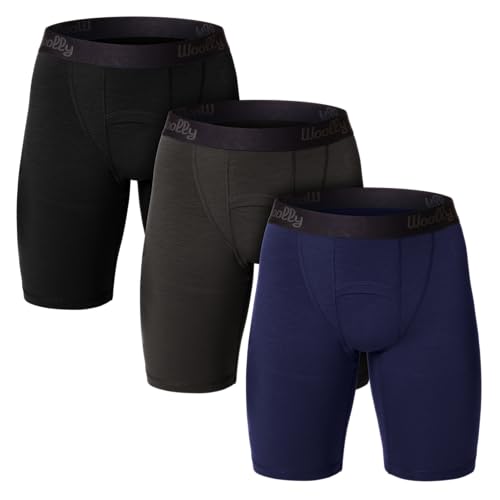
Merino Boxers Made to Move | Our MerinoAire boxers take ultralight 100% merino fabric to the next level with vented panels for targeted breathability. Tag-free with smooth flatlock seams, they keep you cool, dry, and moving freely—whether you’re at the gym, on the trail, or pushing your limits. Available in multiple inseam lengths for the perfect fit.

Your Favorite Bikini Undies | Woolly’s merino underwear blends barely-there softness with all-day comfort. Light, breathable, and tag-free it moves effortlessly with you—whether you’re on the go or unwinding. Available in a variety of styles for your perfect fit.
Balancing Durability and Comfort in Fabric Blends
Although some ultralight fabrics seem attractive, the hiker must weigh durability against comfort and moisture control to avoid gear failure or skin problems on long trips. Overview: Blends aim to balance fabric longevity with comfort, combining merino and nylon or nylon-spandex for stretch and wear resistance. Durability vs feel: Nylon and polyester resist abrasion, adding fabric longevity, while merino adds temperature regulation and odor control. Practical choices:
- Merino+12% nylon: boosts longevity, preserves warmth and odor resistance.
- Nylon-spandex: increases material elasticity, offers buttery feel, faster drying.
- Thick nylon blends: durable but can bulk and trap heat.
Consequences: Choosing wrong increases chafing, fabric breakdown, or dampness. Test combinations before long trips. Field trials and care instructions extend service life, follow wash guidelines and rotate garments. Brands like ExOfficio and Hanes offer moisture-wicking, machine-washable options favored by outdoor enthusiasts.
Styles and Fits That Prevent Chafing and Riding Up
Because chafing and riding up create discomfort and skin damage, the hiker should prioritize fit, seam construction, and fabric choice when selecting underwear. Key fit choices – Boxer briefs or hipsters with longer inseams stabilize fabric, reduce riding up, and limit inner thigh friction. – Snug, not tight, fits prevent bunching, allow fit adjustments, and reduce excess material that moves. Seams and surfaces – Choose seamless or flatlock seams, printed tags, and strategic seam placement to avoid hotspots and groin irritation. – Smooth microfibers, modal, or treated merino lower friction, support fabric layering, and dry quickly. Support features – Contoured pouches, elastic waistbands, and stretch panels maintain position during extended movement. – Choose moderate leg openings that neither gape nor bind, preserving freedom and stability. Moisture-wicking fabrics such as Cool Comfort and X-Temp technologies help manage sweat and body temperature on long hikes.
Moisture Management and Odor Control Strategies
If moisture and odor are not managed, skin irritation, chafing, and persistent smells can quickly make multi-day trips uncomfortable and unsanitary. Practical strategies help maintain fabric breathability and effective moisture transfer, reducing bacterial growth and odor buildup.
Choose materials: Polyester, nylon, modal, microfiber blends and Merino wool perform best; avoid untreated cotton for long use.
Design and treatments: Seek mesh ventilation zones, four-way stretch, and reliable antimicrobial or DWR treatments, note treatment wear reduces performance.
Care practices: Wash with soap, rinse thoroughly, wring or roll in a towel to speed drying, reapply DWR when needed.
Consequences: Prolonged dampness increases bacteria, causes odor and skin issues; proper choices extend wear time and comfort. Pack spare pairs and rotate garments to allow full drying between wears.
Look for moisture-wicking technologies like Cool Comfort and Comfort Flex to enhance ventilation and fit.
Seams, Waistbands, and Construction Features to Look For
Construction features guide the reader in choosing underwear that balances comfort, durability, and fit under a pack, highlighting which details matter on multi-day trips.
Seams
- Flatlock and seamless knit reduce chafing, minimal seams lower hotspots, double-layer crotch adds durability.
- seam placement strategies favor avoiding high-contact zones, use body-mapped panels for mobility.
Waistbands
- Soft, seamless waistbands and ribbed self-fabric resist bulging, waistband elasticity factors include elastic strength and breathability.
- Firm but gentle elastic prevents slipping without cutting circulation, vent panels reduce heat.
Fit and durability
- Four-way stretch fabrics and zoned panels boost support, leg grippers and bindings prevent roll and chafe, reinforced stitching extends service life.
- Materials like nylon-elastane blends and merino-nylon blends balance stretch, breathability, quick-dry performance reliability.
Choosing fabrics like 100% cotton or moisture-wicking blends can improve breathability and odor control on multi-day trips.
Recommended Products

ABOUT THIS PRODUCT: Built for comfort from Tennessee to Timbuktu, this 2-pack of boxer briefs feature ultra-soft Merino wool that helps regulate temperature and manage sweat. A reliable, breathable foundation—times two—for every adventure.

Flatlock seam construction and offset shoulder and side seams designed to help increase comfort and minimize chafing Side seams wrap to front

MERINO 125 COOL-LITE BOXERS: Stretchy and slim-fit merino-blend men’s boxers made with Icebreaker's breathable Cool-Lite fabric, the Merino Blend Anatomica Cool-Lite Boxers offer the everyday support and comfort you need. These ultralight boxers feature a durable and stretchy blend of natural merino wool and Tencel Lyocell that helps manage moisture in any weather.
Washing, Drying, and Rotating Underwear in Camp
Several practical hygiene steps guide how to wash, dry, and rotate underwear while camping, balancing cleanliness, fabric care, and environmental protection.
Washing (effective washing):
- Use a gallon zip-top bag with water and biodegradable soap or dilute bleach, soak, scrub, rinse at least 200 feet from water.
- Mimic a spin by shaking or pressing 5 to 10 minutes, rinse thoroughly, wring tightly.
Drying (optimized drying):
- Hang on an 11-foot clothesline in a visible spot, leave loose for airflow, avoid ground contact.
- Use a microfiber towel to pat dry if cold or humid, do not wear damp.
Rotation and hygiene:
- Carry two pairs, change every 2 to 3 days, inside-out only in emergency.
- Dispose rinse water in a dispersed camp sump. Synthetics dry fastest, reducing odor.
For best comfort and odor control, consider choosing underwear made from moisture-wicking fabrics when conditions favor quicker drying and reduced dampness.
Packing Minimalist Underwear for Lightweight Backpacks
Backpacking underwear choices guide the hiker to balance weight, hygiene, and comfort over multi-day trips, keeping pack bulk minimal while ensuring quick drying and low odor.
Fabric choices: Synthetics dry fastest and are light, merino resists odor but adds slight weight, silk compresses well for minimalist packing.
Quantity and fit: Carry one to two pairs, choose briefs or bikini cuts to reduce fabric and aid weight reduction, prefer seamless, thin gussets to avoid chafe.
Packability: Roll and compress slim profiles, use mesh panels or thin gussets to save space, avoid bulky high-waisted or thick merino styles.
Trail care: Wash and air dry nightly, merino delays washing, quick-dry synthetics reduce odor and discomfort.
Minimalist strategies lower pack weight and simplify hygiene on long routes daily. Also, prioritize moisture-wicking materials to stay dry and comfortable during extended activity.
Recommended Products


QUALITY EXPEDITION BASELAYER: 100% Merino Wool is super soft and extremely comfortable. This merino wool thermal bottom has the versatility and warmth to make this an essential part of your outdoor gear. ENVIRONMENTALLY FRIENDLY: The best in easy care technology means your merino wool is machine washable and dryable. Our 100% Merino Wool is a renewable fabric. Its moisture wicking properties means you won t have to wash it as often so you ll use even less water.

ODLO Essentials Printed Graphic Running T-Shirt
Budget and Sustainable Choices for Outdoor Underwear
After prioritizing minimal weight and quick-dry performance on long routes, the hiker must also weigh cost, materials, and lifecycle impacts.
Budget picks
- Choose recycled synthetics like Econyl, they cost less over time and retain moisture-wicking and durability.
- Select organic cotton or bamboo for softness, breathability, lower pesticide impact, and clear certifications.
Sustainability and disposal
- Prefer TENCEL™ and merino wool for biodegradability, and brands with compostable packaging or take-back programs.
- Verify sustainable materials claims and ethical production, check certifications, factory transparency, and recycling options.
Consequences: cheap non-certified items may wear faster, create waste, or use harmful chemicals. Practical tip: balance price, lifespan, and end-of-life options to lower total cost and environmental harm. Look for brands like Patagonia, Organic Basics, PARADE offering certified, affordable options regularly.
Recommended Products


WARM MIDWEIGHT base layer for all cold weather activities

WARM HEAVYWEIGHT base layer for extreme cold activities
Special Considerations for Men’s and Women’s Support
While comfort and fit vary by body shape, the hiker should prioritize stable, breathable support that prevents chafing and genital shifting.
Men’s support
- Choose a supportive design with a pouch, elastic fabric, and a snug waistband to limit shift and skin irritation.
- Consider fly style, pouch elasticity, and longer inseams for activity, balancing snugness with freedom of movement.
Women’s support
- Select cuts and materials that match fit preferences, like boxer briefs to reduce inner-thigh chafe, or brief styles for less bulk.
- Look for flatlock seams, wide waistbands, and 4-way stretch fabrics to prevent bunching and pressure points.
Materials
– Prefer merino, recycled nylon blends, or micro-mesh for moisture control, quick drying, and retained shape during long outings.
Test options on short trips before committing first.
Frequently Asked Questions
How Do I Disinfect Underwear After Exposure to Bodily Fluids or Infections?
They should remove solids, prewash with hot water and detergent, apply disinfecting techniques (bleach or approved sanitizer), wash on longest hottest cycle, dry in heat or sun; guarantees infection prevention and reduces cross contamination risk.
Can Underwear Double as an Emergency Wound Dressing or Bandage?
Of course, underwear can serve as an emergency dressing, offering reasonable bandage effectiveness given adequate fabric absorption and clean handling, but sterile supplies remain preferable when available, but for delays it suffices short-term with caution.
Are There Fabrics That Repel Ticks and Other Biting Insects?
Yes, tick repellent fabrics like permethrin-treated textiles and tightly woven chemical-free barriers exist; insect resistant apparel pairs treatments, tight knits, gaiters and UPF designs to reduce bites and preserve effectiveness over repeated washes and wear.
How Should Underwear Fit Under Bulky Cold-Weather Base Layers?
Underwear should fit snugly without constricting, providing thin low-bulk layers that preserve thermal insulation while enabling effective moisture management; seamless, stretchy fabrics prevent pressure, chafing, and bunching beneath bulky base layers during varied activity levels.
What’s the Best Way to Repair Torn Underwear in the Backcountry?
A sudden snap—he repairs it: assess tear, trim edges, apply Tenacious Tape or fabric glue, using patching techniques or emergency sewing for larger rips; double‑patch inside and out, press firmly, check comfort and repeat later.