As an Amazon Associate, we earn from qualifying purchases. Some links on this site are affiliate links at no extra cost to you. Our recommendations are based on thorough research and editorial judgment.


Adaptive Underwear for Mobility Challenges

Adaptive underwear is designed for people with limited mobility, offering easy closures, seated comfort, infection‑reduction fabrics. Key features: magnets, Velcro, side openings, pull‑tabs, and higher back rises for wheelchair seating. Materials: cotton blends, bamboo, and stretch Lycra for breathability and swelling accommodation. Caregiver tips: open‑side designs, caregiver loops, and snapless closures reduce handling time and skin trauma. Consequences of wrong choice include pressure sores and dressing difficulty. Continued sections explain sizing, absorbency, and purchasing options.
Key Takeaways
- Choose adaptive underwear with side openings, magnetic or non-metallic snaps, and caregiver tabs to reduce bending and simplify dressing.
- Prioritize soft, breathable fabrics (cotton, bamboo blends) and seamless construction to prevent irritation and improve seated comfort.
- Look for adjustable waists, extra rise, and stretch panels to accommodate swelling, medical devices, and changing body shapes.
- Use Velcro, magnetic, or snap closures thoughtfully—consider dexterity limits, implanted devices, and skin-safe backings.
- Shop adaptive-specialty brands and check insurance, rental, or loan options for affordability and documented medical necessity.
Understanding Mobility Challenges and Clothing Needs
You may be interested


Understanding how mobility limitations affect clothing choices helps caregivers, clinicians, and designers select practical, comfortable garments. Overview: Mobility assessments identify limitations in shoulders, hips, dexterity, balance, and sitting tolerance, and inform adaptive strategies for dressing and garment selection. Key needs:
- Easy on/off, reduced bending, fewer fasteners, accommodating wheelchairs and transfers.
- Seated comfort, soft breathable fabrics, adjustable waistbands, and space for catheters or ostomy bags.
- Stretch or adjustable sizing to manage swelling, edema, and fluctuating body shape.
Shopping tips:
– Use clear product descriptions, measure seated dimensions, favor return-friendly retailers.
Consequences of poor fit include pressure sores, reduced participation, and loss of dignity.
– Consult occupational therapists for personalized fittings, and document changes to body shape regularly monthly.
These garments often use soft, breathable materials to enhance comfort during prolonged wear.
Key Features of Adaptive Underwear
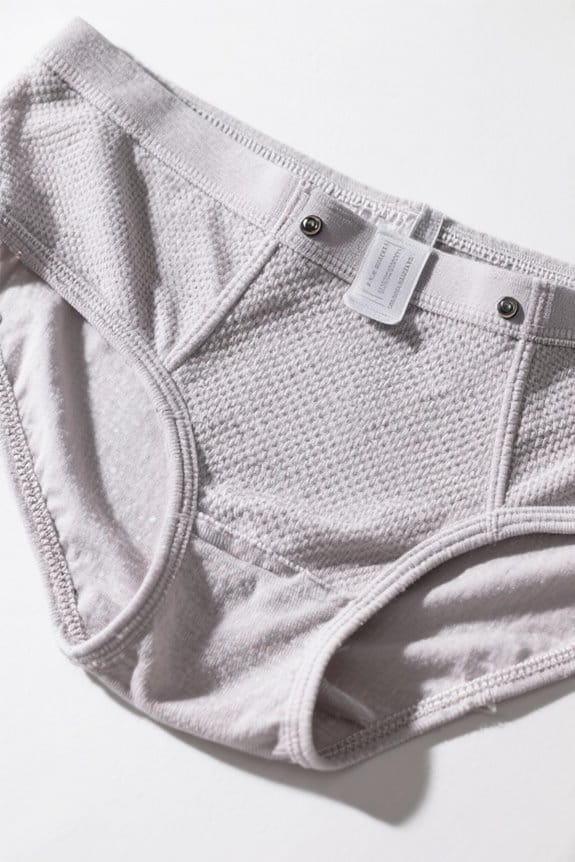
This section reviews key features of adaptive underwear, focusing on accessibility, fit, comfort, and ease of dressing to guide practical selection decisions.
Accessibility and Closures
– Non-metallic snaps, Velcro, and magnetic fasteners offer secure, simple options, enabling one-handed dressing and faster caregiver assistance.
Fit and Shape Adaptations
– Higher back rises, longer front hems, adjustable waists, and easy-access openings reduce pressure, prevent bunching, and accommodate medical devices.
Comfort and Sensory Design
– Seamless construction, hypoallergenic fabrics, moisture-wicking properties, and tag-free builds minimize irritation and skin issues.
Ease of Dressing
– Pull-on waists, wide leg openings, side or back openings, and caregiver tabs increase independence, lower strain, and speed dressing routines.
These innovations reflect current design trends and practical, innovative solutions for varied mobility needs. Consider options before purchase.
Many disposable brands include OdorLock Technology to neutralize odors.
Materials and Fabrics That Maximize Comfort

Because material choice directly affects skin health and daily comfort, caregivers and users should prioritize fabric properties when selecting adaptive underwear.
Natural Fibers
- Cotton provides hypoallergenic materials and natural breathability, absorbs moisture, and reduces irritation for sensitive skin.
- Bamboo and linen offer silky smoothness, antibacterial benefits, and stable temperature regulation during extended wear.
Blends and Stretch
- Cotton-spandex and cotton-polyester blends add durability, stretch, and spring-back, easing movement and dressing cycles.
- Modal offers breathable softness with lower environmental impact, while elastane improves fit without bulk.
Practical Guidance
- Choose tagless, soft linings, prioritize moisture-wicking and anti-microbial finishes, and consider frequent washing durability to prevent skin issues.
- Prefer natural fiber contact layers next to skin, reserve synthetic blends for outer support and long-term shape retention and durability.
Additionally, fabrics like bamboo viscose offer softness, breathability, and moisture-wicking that help regulate temperature.
Closure Systems: Velcro, Magnets, and Snaps
Choose the right closure system carefully, since Velcro, magnets, and snaps each affect independence, comfort, and safety in different ways.
- Overview: One should weigh innovation trends and user feedback, comparing ease, adjustability, and safety for daily use. Additionally, many adaptive underwear options incorporate moisture-wicking fabrics to enhance comfort.
- Velcro: Easy to use, adjustable for swelling, may irritate skin if backing is poor, place soft backing, test positioning.
- Magnets: Require minimal dexterity, mimic buttons, support self-dressing, avoid if implanted devices present, assess medical compatibility.
- Snaps: Non-metallic snaps are light, secure, gentle on skin, position on side or rear for seated dressing, use large snaps for grip.
- Design tips: Consider rear or side openings, caregiver access, aesthetics, and specific mobility limitations before choosing. Manufacturers should iterate with users, collect feedback, and document failure modes for safety testing.
Designs for Incontinence and Absorbency
After selecting an appropriate closure system, attention shifts to incontinence design, where fit, absorbency, and leak protection determine daily independence. Key design features: adaptive design emphasizes high waist and high leg construction for secure fit, reduced shifting, and discreet appearance. Absorbency innovations: super heavy absorbency layers combine microfiber and bamboo terry for daytime and overnight use, reducing changes and skin irritation. Leak protection: taped seams and waterproof linings, placed strategically, block escape and withstand repeated washing. Comfort and health: moisture-wicking gusset fabrics, cooling tech, and bamboo terry pull moisture away, lower odor, and support skin integrity. Care and sustainability: washable, reusable construction preserves performance with cold wash and hang dry, avoiding bleach and softeners. Selection balancing features simplifies daily routines, increases confidence and mobility. Many options are PFAS-free and made with sustainable materials, appealing to eco-conscious consumers.
Adaptive Solutions for Prosthetics and Medical Devices
Integrate smart sensors and adaptive materials early in the design process, to create prosthetic systems that respond reliably to user needs. Overview: Prosthetic adaptability combines sensors, AI, and smart materials to adjust motion and comfort automatically. Key components:
- EMG and microprocessors, interpret muscle signals, enable fine control and energy savings.
- Dynamic mechanisms, adjust stiffness and shock absorption for terrain, reduce fall risk.
- Advanced polymers and carbon fiber, lower weight, maintain strength, improve durability.
Rehabilitation and outcomes: Machine learning aids gait training, improves activity levels, reduces fatigue. Practical note: Regular maintenance and sensor calibration sustain performance, failure can limit mobility and increase discomfort. For prosthetic socket liners and adaptive garments, choose moisture-wicking fabrics to reduce skin irritation and manage sweat.
– Examples include smart knees and myoelectric limbs, which restore function, enable sports participation, and lower long-term joint strain and improve confidence.
Sizing, Fit, and Customization Options
Although body shapes and mobility needs vary widely, sizing, fit, and customization decisions determine daily comfort, function, and independence for users of adaptive underwear. Practical guidance highlights adaptive sizing ranges, tailored fit choices, and fastening options to match mobility limitations.
Sizing and Fit
- Multiple size ranges, from youth equivalents to extended large sizes, guarantee coverage for diverse body types.
- Adjustable features, like elastic waistbands and stretch panels, allow compensation for swelling or body changes.
Customization and Fastening
- Magnetic closures, velcro, hook-and-loop, and non‑metal snaps provide alternatives for dexterity and sensory needs.
- Side openings, convertible designs, and heavy-overnight liners support dressing methods, continence care, and extended wear.
- Tailored fit options, such as adjustable straps and cup support, guarantee stability without restricting movement.
Concise guidance reduces fitting errors, and increases daily independence. Most adaptive underwear is machine washable and should be washed on cold or gentle cycles to preserve fabric and closures.
Styling Tips for Discreet and Fashionable Looks
Styling guidance helps readers balance concealment, comfort, and personal expression by choosing closures, fabrics, colors, and coordinating layers effectively. Closures and silhouette
– Prefer magnetic or hidden snap closures, side Velcro® or side fastenings that stay unseen, maintain a conventional look, and allow easier dressing.
Fabric and texture
– Select bamboo, modal, or cotton, with seamless, tagless designs and moisture-wicking blends to reduce irritation and pressure points.
Color and pattern
– Choose neutrals or dark shades to conceal seams and closures, add subtle prints or trendy colors to express personal style discreetly.
Layering and coordination
– Match underwear to outerwear colors, use low-rise cuts and smooth edges under tight garments to avoid visible lines.
Brands integrate form and trend, advancing adaptive fashion while remaining ordinary in appearance. Consider fabrics that prioritize breathability and comfort, such as combed cotton, to minimize irritation and maintain shape.
Caregiver-Friendly Features and Dressing Techniques
When selecting adaptive underwear, the reader should prioritize features that reduce physical strain and speed dressing, because these choices improve safety, dignity, and routine efficiency. Key caregiver features: Velcro, magnetic, or snap closures allow quick dressing, open-front and side-opening designs reduce lifting and bending, and caregiver loops or pull tabs aid handling. Dressing techniques: Seated and lying-down methods use side-opening or wrap garments, minimal limb movement is required, and step-by-step routines follow intuitive closures to save time. Hygiene and medical access: Drop-fronts and full openings permit checks without full removal, hidden access points protect modesty, and moisture-wicking fabrics reduce skin risk. These adaptive clothing choices provide measurable caregiver support, lower fatigue, and improve care efficiency. Durable, seamless construction withstands frequent daily laundering, and reduces skin irritation risk. Additionally, choosing garments made from moisture-wicking fabrics can reduce skin irritation and improve comfort during prolonged wear.
Where to Shop: Retailers and Online Options
After choosing caregiver-friendly features, the reader needs practical guidance on where to buy adaptive underwear, comparing retailers and online channels. Major Retailers: Aerie, Victoria’s Secret VS & PINK, Zalando Adaptive, Buck & Buck, Silverts offer ready-to-wear lines, searchable filters, return policies, and in-store pickup options. Specialized Brands: Slick Chicks, IZ Adaptive, Undercare, Springrose, Benefit Wear focus on adaptive design, sensory fabrics, and customization, often with customer support. Marketplaces & Custom: Etsy and adaptive showrooms list handmade or tailored options, custom labels, alterations, and gift cards. Shopping Tips: Compare sizing guides, satisfaction guarantees, shipping limits, and Retail Partnerships that expand Inclusive Fashion access through mainstream stores, otherwise expect variable stock and slower restock for niche sizes. The reader should contact customer service for fit questions. Many adaptive underwear options also feature moisture-wicking properties to enhance comfort during extended wear.
Cost, Insurance Considerations, and Affordability
A careful review of costs, coverage rules, and payment options helps the reader plan for adaptive underwear and related equipment expenses, and reduces surprises from out-of-pocket bills.
Coverage basics: Medicare Part B covers 80% of medically necessary DME after the deductible, suppliers must be approved, prescriptions and records required. Medicaid, VA, and TRICARE often cover more items, eligibility varies by state and program.
Insurance challenges: Private plans vary, require pre-authorization, limit to network suppliers, and may leave coinsurance or denied claims.
Affordability options: Rent or buy used equipment, seek loans, veteran benefits, charity funds, or employer and marketplace plans to lower upfront costs and long-term burden. Document medical necessity clearly, get written estimates, compare suppliers, and track claims to avoid unexpected denials and costs.
Emerging Technologies and Future Innovations
The reader should expect rapid, practical changes in how adaptive underwear is designed, fitted, and produced, driven by digital tools and new materials.
Key technologies
- 3D body scanning and AI-driven fit create precise avatars, enable mass customization, and adjust patterns over time.
- Seamless knitting and 3D printing produce one-piece garments, reduce seams and material waste, and allow complex customization.
Functional materials
- Smart textiles and self-adjusting fabrics regulate temperature, monitor health, and respond to swelling, aiding lymphedema and arthritis management.
- Wearable technology integrates sensors for biometric feedback, improving safety and care coordination.
Design practices
- AR fitting rooms and modular, sensory-friendly features improve access, lower returns, and support universal design, using sustainable fabrics where possible.
- Manufacturers should track outcomes, guarantee affordability, and update standards, regularly, transparently.
Frequently Asked Questions
Are There Sustainable or Recyclable Adaptive Underwear Options?
Yes, a green thread weaves through options: brands offer eco friendly fabrics and biodegradable materials in adaptive underwear, combining leak-proof design, breathable organic cotton or bamboo blends, closed-loop production, and recyclable trims for reduced waste.
Will Adaptive Underwear Interfere With Airport Security Scanners or Searches?
Yes, adaptive underwear can sometimes interfere with airport security scanners or searches; its materials or features may trigger additional screening under security guidelines because scanner technology varies, so travelers should notify staff and carry documentation.
Can Adaptive Underwear Be Safely Worn During MRI or X‑Ray Procedures?
About 15% of clothing tests show metallic fibers; he states adaptive underwear is unsafe for MRI compatibility without verification, but often acceptable for X ray safety if metal-free or removed and radiology staff are informed.
Do Adaptive Underwear Support Active Exercise or Sports Participation?
Yes. Adaptive underwear supports active exercise by integrating ergonomic fit, compression, seamless fabrics and adjustable features that mirror adaptive clothing principles, broadly enhancing comfort, posture, muscle support and exercise accessibility for athletes with mobility challenges.
Are There Discreet Adaptive Underwear Designs Suitable for Sexual Activity?
Yes, like a secret seam, many discreet designs offer easy access, removable panels, and smooth silhouettes; users report maintained sexual comfort, hygiene fabrics, and minimal fastening that preserves intimacy and dignity during spontaneous encounters confidently.