As an Amazon Associate, we earn from qualifying purchases. Some links on this site are affiliate links at no extra cost to you. Our recommendations are based on thorough research and editorial judgment.


The Purpose of Flatlock Seaming

Purpose: Flatlock seaming creates a low‑bulk, flexible join that reduces chafing and preserves stretch in knit garments, improving comfort and performance. Uses: It is common in activewear, swimwear, and underwear, where seams must lie flat under layers and survive frequent washing. Machines/tools: Specialized flatlock machines and walking feet control loop formation and tension for durable interlocked stitches. Care: Minimal special care required, though attention to tension prevents skipped stitches. Continue for more setup and troubleshooting.
Key Takeaways
- Creates a flat, low-bulk seam that reduces chafing and increases wearer comfort.
- Produces stretchable, interlocking stitches that move with knit fabrics for improved flexibility.
- Strengthens joins against splitting, fraying, and frequent laundering for enhanced durability.
- Adds visible stitching as a design element, improving garment aesthetics and sporty appeal.
- Suits activewear, swimwear, lingerie, and children’s clothing by balancing comfort, performance, and easy care.
What Flatlock Seaming Achieves
You may be interested


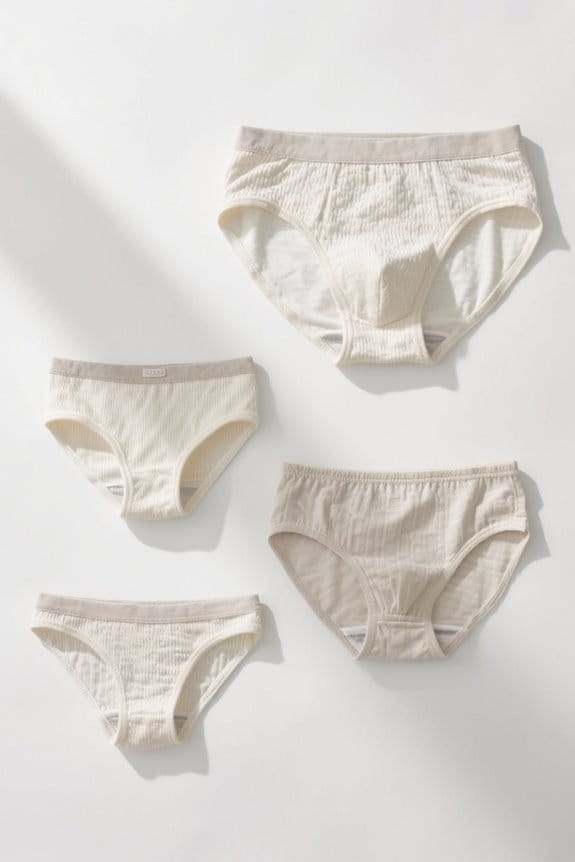
Flatlock seaming delivers multiple practical benefits for garments, and the reader should expect improved comfort, flexibility, durability, and visual finish from its use.
Overview
– Flatlock creates a flat, smooth finish that eliminates bulk, reducing irritation and enabling comfort improvement during movement.
Flexibility and Strength
– Stitches stretch with fabric, supporting performance enhancement by maintaining integrity under repeated motion, preventing seam breakage.
Durability
– Seams resist splitting and fraying, surviving frequent wash cycles and constant stress, extending garment lifespan.
Aesthetic and Functional Consequences
– Visible stitching can serve as a design element, while also minimizing pressure points, chafing, and indented lines for prolonged wear.
Care
– Minimal special care required, routine gentle washing preserves stitch elasticity, avoid high heat drying to maintain seam strength and appearance.
Routine checks help. Many bralettes use fabrics like nylon, spandex, and cotton to complement flatlock seams and improve comfort.
Recommended Products

WARM & WINDPROOF - With the revolutionary 3SP fabric, this women's ski pant offers a unique combination of warmth, breathability & stretch; Designed to block the wind up to 35 mph, the 3SP fabric ensures that you stay comfortable and protected

WARM & BREATHABLE - Constructed from 90% polypropylene and 10% spandex, the 3SP fabric ensures warmth in frosty conditions while maintaining breathability; It also offers stretch for freedom of movement, making these women's pants perfect for running, skiing, or biking in the cold without feeling restricted

Your Go-To Leggings | Made from Woolly's premium flex merino for luxuriously soft, breathable, and naturally stretchy feel. Designed to move with you, they offer all-day anywhere comfort for lounging, layering, or getting active. Available in a classic cut and 7/8th length with pockets for everyday ease or a vented MerinoAire upgrade for peak performance.
Where Flatlock Is Commonly Used

Because it combines low bulk and stretch, the technique is widely applied across apparel categories, serving both comfort and durability needs.
Common Uses
- Activewear applications: used in running shorts, sports bras, compression garments, and jerseys, reduces chafing, preserves stretch, and withstands repeated wash cycles.
- Swimwear designs and lingerie: provides flat, soft seams that maintain elasticity, minimize irritation at leg openings and waistbands, and keep shape after use.
- Underwear and intimate apparel: smooth fit for daily wear, strong seams for frequent laundering.
- Children’s and sensory-friendly clothing: soft seams prevent irritation during play.
- Casual and decorative uses: adds sporty aesthetic while reinforcing knit garments.
Designers choose flatlock when seam visibility, flexibility, and wearer comfort are priorities, balancing function with clean lines. They also reduce fabric bulk. Many modern garments pair flatlock with moisture-wicking technology to enhance performance and comfort.
Recommended Products
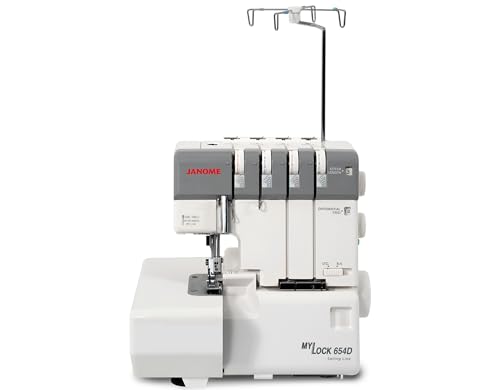
VERSATILE SERGER: Janome MyLock 654D serger delivers professional-quality finishes with clean, precise stitching for various fabric types. With 2, 3, or 4-thread overlock stitching options, this versatile machine handles a wide range of fabrics and techniques with ease.
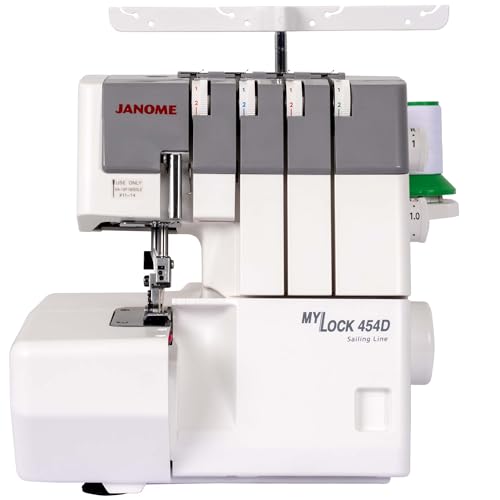
3 and 4 Thread Convertible with 1 and 2 needle operation

PREMIUM 100% MERINO WOOL PONTI FOR STRUCTURED WARMTH: Made from dense 375 gm² 100% Merino Wool Ponti with 19-micron fibers, this hoodie offers exceptional warmth and structure. The interlocking double-knit fabric provides natural stretch, thermoregulation, odor resistance, and itch-free comfort—perfect for alpine conditions, winter layering, or all-day cold-weather use.
Machines and Tools for Flatlock Seams
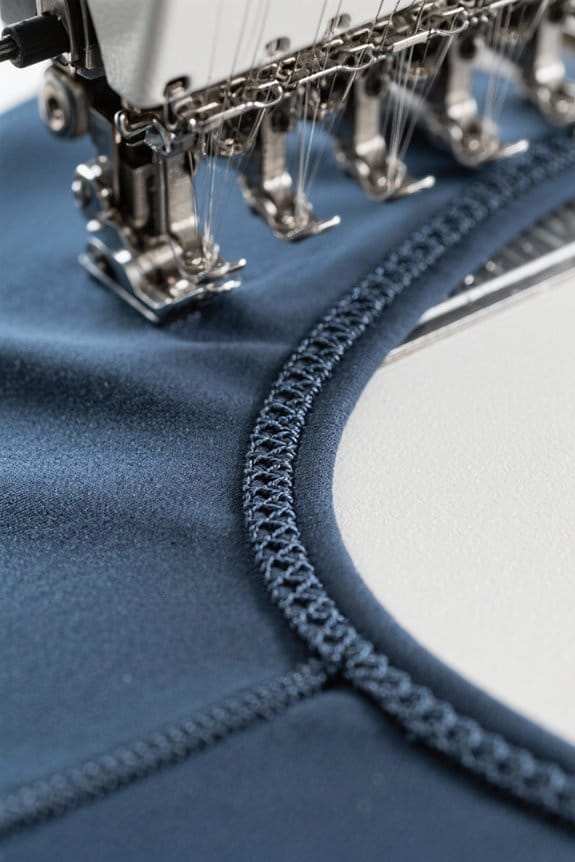
After selecting flatlock for low-bulk, flexible seams, the next decision is which machines and attachments will match fabric, production speed, and quality needs.
Key machine choices
- Kansai Special, Pegasus, Merrow, Juki and Yamato offer high-speed flatlock machines, four-needle six-thread setups, and differential feed to reduce puckering.
- Choose speed vs. control: Juki and Merrow reach 5,500+ spm for volume, Pegasus and Kansai offer enclosed drives to limit oil stains.
Attachments & maintenance
- Attachment accessories include air-operated hemming folders, walking presser feet, solenoid cutters, and see-through lights to improve uniformity.
- Use self-cleaning devices, suction systems, servo motors and automatic footlifters to cut downtime, keep seams clean, and raise productivity.
Select combinations based on fabric type, operator skill, and maintenance capacity to avoid defects, production delays, and costs. Many boxer brief designs emphasize moisture-wicking fabrics to keep wearers dry during activity.
Recommended Products

Cut and Finish Seams in One Pass

Brother Air1800 Air Serger with Jet-Air Threading, Accessory Bundle, & 80 Spool Polyester Thread Kit with Case

Brother Air1800 Air Serger with Jet-Air Threading and 250+ Accessories including 83 Spools of Thread
Brother Air1800 Air Serger with Jet-Air Threading, Accessory Bundle, & 250+ Accessories including 83 Spools of Thread
How Flatlock Seams Are Constructed
For consistent results, the operator must follow a stepwise process that balances fabric choice, tension settings, and precise edge alignment. – Preparation: Operator selects stretch knit, cuts accurately, checks fabric alignment, sets needle and looper thread tension for material thickness. – Setup: Position the upper fabric flat, disengage knife, choose two or three thread mode, set stitch length about 2.5–3.5. – Stitching: Feed raw edges meeting without overlap, guide edges under presser foot, monitor loop formation and tension balance to avoid skipped loops. – Finishing: Gently pull pieces apart to flatten loops, secure end knots, steam press to set seam and expose ladder detail. Consequences of error include incomplete stitches, seam failure, or visible misalignment. Operator may adjust upper looper tension for thicker fabrics regularly. Many manufacturers prefer seamless designs and silky-smooth microfiber fabrics to enhance comfort and reduce visible lines.
Recommended Products

METAL FRAME: The Brother 1034D is a durable serger made with a high-quality metal frame and interior components. Underlooper Threader-Yes

Premium 100% Cotton Thread Made from high-quality natural cotton for strength and softness—perfect for quilting, sewing, piecing, and topstitching.

One project has eight spools with each one 3,000 yards,total 24,000 yards.
Benefits Compared to Other Seam Types
A comparison of flatlock seams with other seam types clarifies practical advantages and trade-offs for garment construction, helping the reader select seams based on use, fabric, and wear conditions.
Comfort and fit: Flatlock delivers comfort benefits by eliminating bulk and ridges, reducing friction and pressure points against skin, ideal for activewear and underwear, prevents chafing during long wear.
Strength and longevity: Flatlock offers durability advantages through interlocking stitches that resist stress, stretch with fabric, and maintain shape after repeated washing.
Performance details: Flatlock improves moisture management and airflow, dries faster, and reduces visible lines under clothing, useful for layered and tight garments.
Trade-offs noted: Simpler construction choices may prioritize speed or decorative seams. Cost and equipment needs influence selection, consider production scale and skill requirements.
Many activewear pieces pair flatlock construction with moisture-wicking fabrics such as nylon-spandex blends to enhance comfort and performance.
Recommended Products

Warm Polartec Fleece: The Arc'teryx Kyanite womens hoody is crafted from Polartec Power Stretch Pro fabric, delivering exceptional warmth and comfort. With a soft brushed interior and a durable nylon face, this fleece hoodie ensures you stay warm during chilly outdoor activities.

High-Performance: The Arc'teryx Kyanite Women's Jacket, made with Polartec Power Stretch Pro fabric, provides warmth without bulk. A durable nylon face adds abrasion resistance, while synthetic fleece offers warmth and breathable comfort through air-permeable properties.
WARM & BREATHABLE - Constructed from 90% polypropylene and 10% spandex, the 3SP fabric ensures warmth in frosty conditions while maintaining breathability; It also offers stretch for freedom of movement, making these women's pants perfect for running, skiing, or biking in the cold without feeling restricted
Limitations and Care Considerations
Flatlock seams offer clear comfort and performance benefits, but they also impose limits that garment makers must manage during design and care.
Limitations
- Mock flatlock from home machines often lacks backup threads, reducing seam strength and risking breakage under stress.
- Not ideal for high-stress areas like leggings or sports bras, unless reinforced with secure stitching or tape.
- Thick or woven fabrics create bulk, discomfort, or seam separation, showing poor fabric compatibility.
Care
- Wash gently, avoid high agitation and heat, check seams after laundering for runs or loosened threads.
- Use correct thread tension and careful pressing, to preserve appearance, flexibility, and long-term performance.
- Inspect stitches after repeated use, consider specialized flatlock machines for true seams, domestic faux flatlock limits application.
Adjust patterns for layer thickness. Designers should also consider fabric choices that balance durability and moisture-wicking performance.
Frequently Asked Questions
How Did Flatlock Seaming Originate and Evolve Historically?
Flatlock seaming originated in the nineteenth century from overlock and serger developments and evolved through mechanization, multiple-needle machines and computerized controls; its historical significance lies in textile innovations improving knit durability, speed, precision and comfort.
How Much Does Industrial Flatlock Seaming Add to Garment Production Cost?
Like a slow river, it adds roughly 5–15% to garment production cost depending on machine, labor and thread; production efficiency gains often offset some expense in specific cost comparison certain scenarios.
Can Flatlock Seams Be Used Decoratively With Contrasting Thread Colors?
Yes. Flatlock seams can be used decoratively with contrasting thread colors; they create decorative stitching that highlights seam construction, where thread contrast emphasizes ladder-like detail, texture, and graphic accents on garments and upcycled pieces projects.
What Adjustments Are Needed for Flatlock on Heavy or Layered Fabrics?
It’s like moving mountains; they loosen needle, upper looper, tighten lower looper, add wooly nylon, use flatlock guide foot, increase seam allowance, cut width slightly — heavy fabric adjustments and layered fabric techniques guarantee flat seams.
How Do You Troubleshoot Skipped Stitches or Uneven Tension on Flatlock Seams?
First, they check stitch formation and thread paths, adjusting needle and looper tensions incrementally; next they verify fabric alignment, correct threading, clean/replace needles, slow machine speed, and test on scraps until stitches are even again.