As an Amazon Associate, we earn from qualifying purchases. Some links on this site are affiliate links at no extra cost to you. Our recommendations are based on thorough research and editorial judgment.


Understanding Cradle-to-Cradle Design in Underwear

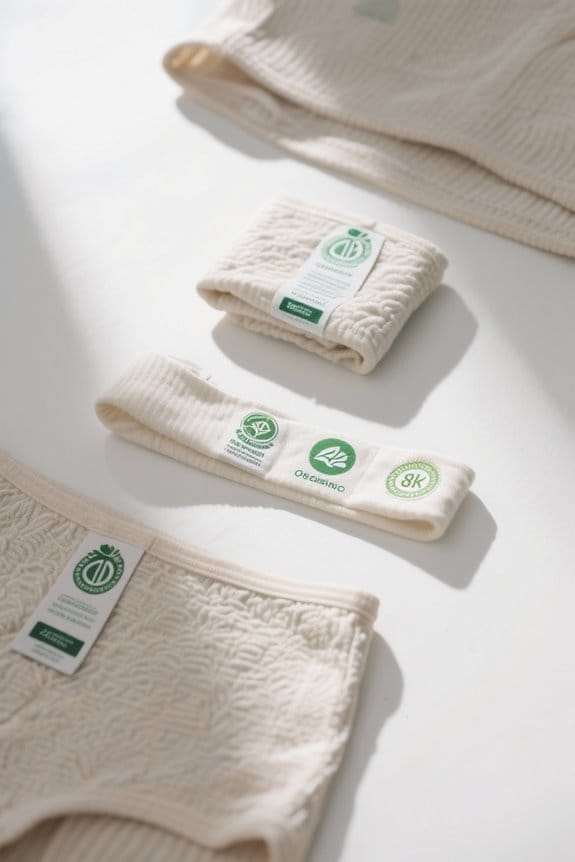
What it means: Cradle-to-cradle underwear treats garments as material systems, specifying safe inputs, recyclability, and circular recovery. Core practices: Choose non-toxic, certified fibers like Tencel or OEKO-TEX approved elastane, design mono-materials, enable easy disassembly, and provide take-back programs. Benefits: Reduces landfill waste, lowers lifecycle emissions, and builds brand trust. Challenges: Material availability and recycling infrastructure require pilots and partnerships. Continue for implementation steps, certification details, with supplier case studies included, and practical design templates soon.
Key Takeaways
- Cradle-to-cradle underwear prioritizes non-toxic, certifiable materials to protect skin and enable safe reuse or biodegradation.
- Design emphasizes mono-materials, easy disassembly, and durable construction to simplify recycling and extend product life.
- Use certified fibres (e.g., Lyocell, Roica V550) and hypoallergenic dyes, with documented closed-loop processing for material safety.
- Implement take-back, repair, and recycling partnerships while piloting collection systems to address scalability and economic challenges.
- Pursue C2C (and complementary) certifications to verify material health, product circularity, and social fairness, boosting trust and market differentiation.
What Cradle-to-Cradle Means for Apparel
You may be interested



How does cradle-to-cradle thinking change the way garments are designed, made, and recovered at the end of life?
Overview
Cradle-to-cradle reframes apparel as materials systems, prioritizing safe inputs, circularity, and measurable standards like certification levels from Bronze to Platinum.
Practical implications
- Design: garments use recyclable or compostable components, clear material lists, intentional reuse pathways.
- Production: manufacturers track air, water, and social impacts, adopting cleaner energy and waste reduction.
- Market effects: brands gain reputation, attract sustainable fashion consumers, and access conscious markets.
- Recovery: post-consumer textiles are reclaimed, remade, or safely returned to biological cycles.
Outcomes
Improved consumer awareness, reduced raw material dependence, and progressive environmental and social performance. Certification requires ongoing improvement, creating measurable targets, documented audits, and visible labels that signal verified commitments publicly. Many antibacterial underwear use moisture-wicking fabrics to reduce odor and improve comfort.
Core Principles Guiding Cradle-to-Cradle Design

Core principles organize design choices so materials, energy, and labor form safe, circular systems that can be measured and improved.
Purpose
The framework centers on waste elimination and continuous material cycles, making products reusable, recyclable, or compostable at end-of-life.
Key Actions
- Material health: specify non-toxic inputs, disclose ingredients, avoid contamination, audit regularly to prevent harmful releases.
- Design for disassembly: use modular parts, reversible fasteners, clear labeling, enable repair, refurbishment, and multiple life cycles.
- Energy and carbon: prioritize renewable power, measure emissions, set reduction targets, use offsets for unavoidable impacts.
- Water and social: treat and return water, limit pollution, guarantee fair wages and safe conditions, monitor supply chains.
Consequences are explicit: reduced landfill, sustained resource value, measurable environmental and social benefits. Assess performance over time. Many eco-friendly underwear lines use bamboo viscose as a soft, breathable material that requires less water than conventional cotton.
Choosing Materials Safe for Skin and Cycles

When selecting fibers and finishes for underwear, designers and specifiers should prioritize materials that are safe for skin, verifiable across certifications, and compatible with circular end-of-life systems.
Material standards
– Use Cradle-to-Cradle, OEKO-TEX, Hohenstein and Material Health Certificates to confirm chemical safety, skin compatibility, and clear assessment levels.
Recommended materials
- Prefer biodegradable fibers like Roica V550, Tencel Lyocell, and SeaCell blends for compostable end-of-life and quick decomposition.
- Avoid traditional elastane where possible, its long persistence undermines circularity.
Processing and verification
- Require documented closed-loop processing, chemical-free finishing, and LCAs.
- Specify certification levels (Bronze to Platinum) and tested hypoallergenic dyes to reduce risk and guarantee recyclability.
- Check compatibility with recycling streams, compost standards, and skin-sensor testing to prevent irritation, maintain performance, and enable material recovery.
Document expiry dates. Also consider common fabric blends like 95% cotton and 5% spandex for everyday comfort and fit.
Design Strategies for Circular Underwear
Designers should integrate material choices with form, construction, and end-of-life systems to make underwear that adapts, is repairable, and can be recovered.
Versatility and Adaptability: Build reversible, adjustable, or modular pieces, include straps, sliders, hidden elastics, drawstrings, and stretch panels to fit many bodies and sizes.
Disassembly and Repair: Use screwable buttons, fabric loops, minimal component types, thermal bonding or circular knitting, and offer repair kits or services to avoid disposal.
Material Cyclability: Favor mono-materials, match trims and thread, avoid blends, enable take-back programs for recycling or biodegradation.
Longevity and Use Models: Prioritize durable seams, classic styles, clear care guides, and consider rental, leasing or sharing to extend useful life.
Include sustainable sourcing and collaborative design with suppliers and recyclers. Measure impacts, track progress.
Choose fabrics with 95% organic cotton to ensure softness, durability, and easier recycling.
Certification Criteria and How Brands Qualify
Although certification can seem complex, a brand qualifies by meeting clear rules across five categories, documenting choices, and proving improvement over time.
Overview: The five categories measure Material Health, Product Circularity, Clean Air & Climate Protection, Water & Soil Stewardship, Social Fairness. Certification levels are Bronze, Silver, Gold, Platinum, set by the lowest category score.
Assessment process: Independent, accredited third-party assessors audit disclosures, material inventories, and optimization plans, verifying claims and required thresholds.
- Material Health: disclose chemicals, phase out Category X, meet banned list rules.
- Circularity: designate technical or biological cycles, meet minimum recycled or renewable content.
- Social: document worker rights, wages, safety.
Recertify every two years, submit updated data showing continuous improvement or face downgraded status. Transparency and documentation determine credibility and market access. Brands often seek OEKO-TEX Standard 100 as a complementary verification of safe textile practices.
Environmental and Business Benefits of C2C Underwear
Because C2C-certified underwear links material choices to lifecycle outcomes, brands and buyers gain measurable environmental and business benefits that affect production, sales, and disposal.
Environmental benefits
- Biodegradability reduces landfill waste, natural fibers decompose faster, lowering long-term pollution and protecting soil and water.
- Lower carbon footprint, renewable raw materials, and less water usage combine to cut emissions and conserve resources.
Business benefits
- Market differentiation boosts sales, builds brand trust, and responds to consumer behavior that favors verified sustainability.
- Compliance with regulations and cost savings in waste management improve resilience, cutting supply chain risk and long-term costs.
- Reduction of chemical pollution enhances worker and customer safety, and aligns with emerging market trends toward circular textiles.
These outcomes help firms scale responsibly, while preserving ecosystem services too. Many athletic garments use moisture-wicking fabrics like polyester and spandex, which can inform material choices for breathable C2C underwear.
Common Challenges and Practical Steps for Implementation
Many brands face technical, economic, and supply chain hurdles when trying to adopt Cradle-to-Cradle underwear, but clear, staged actions can reduce risk and improve outcomes.
Key Challenges
- Technical limitations: blended textiles resist recycling, sorting is complex, and advanced recycling lacks scale.
- Economic viability: recycled fibers and infrastructure raise costs, market demand varies, scaling requires capital.
- Supply chain: certified raw materials are scarce, traceability is weak, collaboration is fragmented.
Practical Steps
- Start small, pilot mono-material lines, test collection and sorting systems.
- Invest in partnerships with recyclers and certifiers, share costs and risks.
- Communicate transparently about materials, processes, prices, and trade-offs.
- Monitor outcomes, iterate product design and sourcing to improve circularity.
- Plan for regulatory changes, track standards, and budget for long-term adaptations, regularly reviewed.
Pursuing GOTS certification can help brands validate organic sourcing and reassure consumers.
Frequently Asked Questions
How Do I Launder C2C Underwear Without Harming Its Recyclability?
C2C underwear is laundered using cold water, gentle cycles and biodegradable detergents to protect recyclability; low-heat or air drying is recommended, softeners and bleach avoided, and laundry techniques and fabric care followed to preserve materials.
Will C2c-Certified Underwear Cost Significantly More Than Conventional Underwear?
?Is it considerably pricier? Yes, C2C-certified underwear typically costs more than conventional pairs, though measurable cost benefits and potential investment returns arise from durability, non-toxic materials, ethical labor, and circular design reducing lifetime expense overall.
Can I Return Worn C2C Underwear for Recycling or Take-Back Programs?
Yes. Consumers can often participate in worn underwear returns through brand take-back and recycling policies, though eligibility varies by program; some accept gently worn items, others require minimal wear or specific packaging and financial incentives.
How Does C2C Certification Affect Underwear Sizing and Fit Consistency?
C2C certification stabilizes sizing through material transparency and testing, supporting consistent sizing standards, but creates fit challenges when restricted materials limit stretch, adjustability, or shape retention across production runs thereby affecting consumer perceived fit consistency.
Are C2C Underwear Dyes or Finishes Safe for People With Sensitivities?
Like a pale linen washed by dawn, C2C-certified underwear generally proves safer for those with sensitivities: it emphasizes sensitivities awareness and dye safety, though residual risks and brand transparency warrant cautious verification and independent testing.