As an Amazon Associate, we earn from qualifying purchases. Some links on this site are affiliate links at no extra cost to you. Our recommendations are based on thorough research and editorial judgment.

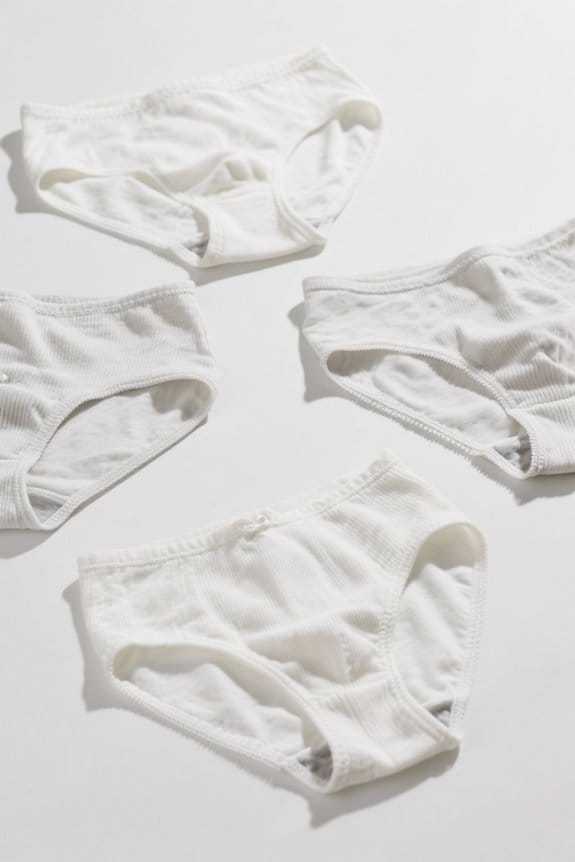
Why Proper Underwear Fit Matters For Health

Circulation and Skin: Proper underwear fit prevents vessel and nerve compression, reduces tingling and numbness, and limits chafing and fungal risk. Reproductive Health: Loose, breathable fabrics lower scrotal temperature, support sperm quality, and reduce moisture that invites infections. Care and Signs: The reader should change daily, replace stretched elastic, choose cotton or moisture-wicking blends, and watch for elastic marks or persistent rashes. More practical guidance follows to help make safer, comfortable choices and evidence-based tips.
Key Takeaways
- Proper fit prevents groin vessel and nerve compression, reducing numbness, tingling, and circulation problems.
- Well-fitting underwear minimizes friction and moisture, lowering chafing, rashes, and fungal infection risk.
- Loose, breathable underwear helps maintain optimal scrotal temperature, supporting sperm count and motility.
- Choosing breathable, moisture-wicking fabrics improves ventilation, reduces trapped moisture, and speeds skin healing.
- Regularly replacing and correctly sizing underwear prevents elastic pressure marks, bacterial buildup, and worsened skin or circulatory issues.
How Tight Underwear Affects Circulation and Skin Health
You may be interested


Although often overlooked, tight underwear can cause measurable changes in circulation, nerve function, and skin health, which warrant practical attention.
Circulation effects
- Compression of groin vessels causes circulation issues, causing tingling, numbness, swelling, and localized hypoxia in tissues.
- Prolonged restriction can contribute to varicose veins or, rarely, deep vein thrombosis, increasing medical risk.
Skin concerns
- Continuous friction and trapped moisture lead to skin irritation, chafing, rashes, and delayed wound healing.
- Synthetic tight fabrics worsen moisture retention, promoting fungal or bacterial overgrowth and dermatitis.
Practical guidance
– Choose breathable fabrics, avoid tight waist and thigh bands, alternate garment styles, and seek care if numbness, persistent rash, or swelling occur.
Early recognition prevents progression, and clinicians should evaluate persistent sensory changes or chronic dermatitis without delay. Opting for underwear made from a cotton-spandex blend can improve breathability and reduce skin irritation.
Underwear Fit and Risk of Urinary Tract and Vaginal Infections

Readers should recognize that underwear fabric, fit, and moisture control directly influence the risk of urinary tract and vaginal infections.
Overview: Underwear material affects moisture retention and bacterial growth, and breathability importance is central to infection correlation and health implications.
- Choose 100% cotton or breathable blends to promote air circulation, reduce moisture retention, and limit bacterial growth.
- Avoid tight synthetic garments, which increase skin inflammation, trap moisture, and raise Infection correlation with UTIs and vaginitis.
- Change underwear daily and after sweating, this reduces bacteria buildup and irritation.
- Note: thongs have not shown consistent infection increases; prefer cotton and avoid during heavy exercise.
- Proper fit means looser styles that allow ventilation, prevent rubbing, and lower inflammation, seek comfortable seams and cotton crotch panels for protection.
Additionally, selecting underwear made from moisture-wicking fabrics like nylon-spandex blends or bamboo viscose helps pull sweat away and reduce odor-causing bacteria.
Scrotal Temperature, Sperm Production and Underwear Choices
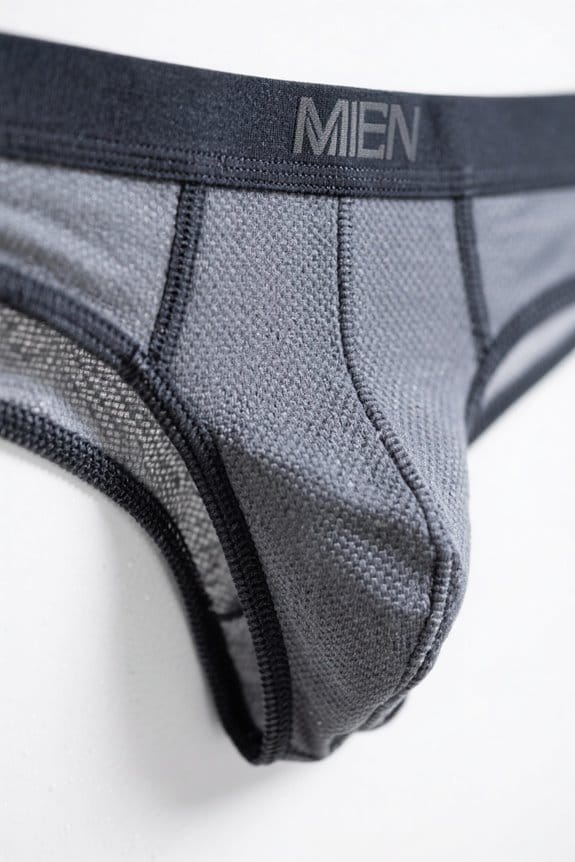
Because testicles require a cooler environment, underwear choices can raise scrotal temperature and consequently impair sperm production if heat is sustained, one should consider fit and fabric carefully. Athletic underwear with moisture-wicking fabrics can help reduce heat and improve comfort during activity.
Overview
– Scrotal temperature links directly to sperm optimization, higher heat reduces sperm count and motility, and can raise FSH levels.
Practical Guidance
- Choose loose, breathable fabrics like cotton, avoid tight briefs or insulating garments.
- Limit prolonged sitting, laptop-on-lap use, and heat-exposed occupations when possible.
- Note evidence: boxers associated with higher sperm concentration, tight underwear raises scrotal temperature by about 0.5–0.8°C.
Consequences
- Sustained increases of a few degrees can inhibit spermatogenesis, potentially causing reduced fertility.
- Seek medical advice if concerned, testing can assess reproductive impacts and offer actionable steps.
Record underwear habits to track changes over time.
Choosing the Right Size to Prevent Chafing and Nerve Pressure
When selecting underwear, the reader should prioritize a fit that is snug but not compressive, since correct sizing reduces friction, moisture buildup, and continuous pressure on nerves and blood vessels.
Fit guidelines
– Choose underwear types that allow movement without digging in, change size if elastic leaves marks, and prefer looser fit when between sizes.
Risks of tight fit
– Tight garments cause chafing at inner thighs and waistband, increase moisture, and can compress nerves causing numbness or tingling.
Practical tips
- Select comfortable waistbands and leg openings, replace stretched pieces to maintain fabric longevity, and change underwear daily, especially after exercise.
- If between sizes, choose larger to reduce pressure, test fit during movement, and seek medical advice for persistent pain or numbness, promptly today.
Look for moisture-wicking fabrics and technologies such as Cool Comfort to enhance ventilation and reduce moisture.
Recommended Products

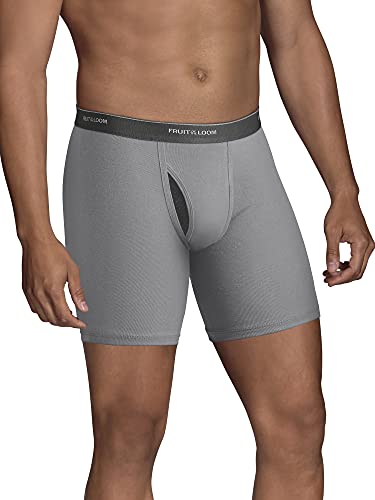
Eversoft fabric provides premium softness wash after wash
Eversoft fabric provides premium softness wash after wash
Eversoft fabric provides premium softness wash after wash
Best Fabrics for Breathability and Moisture Control
Fabric choice shapes breathability and moisture control, so the reader should pick materials that move moisture away from skin and dry quickly.
Natural breathable options
- TENCEL benefits: promotes airflow, wicks moisture, dries fast, lowers bacterial growth and irritation, compostable and gentle for sensitive skin.
- Bamboo advantages: lightweight, naturally antibacterial, soft, breathable, sustainable, blends well with spandex for stretch.
Engineered and performance fabrics****
- Synthetic efficiency: nylon and polyester wick sweat, dry quickly, provide elasticity for close fits, and resist odor.
- MicroModal qualities: very soft, superior airflow and moisture evaporation, outperforms cotton, reduces friction and stays comfortable.
Consequences: poor fabric choice traps moisture, raises infection risk, and increases chafing. Selection should match activity level, climate, and personal skin sensitivity to prevent problems effectively. Many brands use 95% bamboo viscose blended with spandex to enhance softness and stretch.
Recommended Products

216 Pack, ships in a carton with 24 nine packs

144 Pack, ships in a carton with 24 six packs

Eversoft fabric provides premium softness wash after wash
Moisture-Wicking Options for Exercise and Hot Climates
Comfort and performance depend on selecting moisture-wicking underwear that moves sweat away from the skin, dries quickly, and reduces friction.
Key benefits:
- Reduces moisture retention, lowers chafing, and prevents bacteria growth that causes irritation and odor.
- Regulates temperature by moving sweat to fabric surfaces for evaporation, sustaining exercise intensity.
- Quick-drying synthetic blends, such as polyester or bamboo viscose mixes, use fabric technology like capillary action to transport sweat outward.
- Ergonomic cuts and breathable panels prevent bunching, improve mobility, and reduce rubbing in hot climates.
- Antimicrobial finishes and odor-control treatments limit bacterial proliferation, supporting skin health and confidence.
Practical choices:
- Choose seamless designs, test fit during activity, and replace when performance degrades.
- Prefer lightweight layers, check labels for drying, avoid cotton for outdoor use regularly.
Many trusted brands also offer multipack options that provide greater value and convenient replacement cycles.
Recommended Products
Eversoft fabric provides premium softness wash after wash

LEGENDARY EXPEDITION HOODIE: 95% Merino Wool 5% Spandex means your hoodie is super soft and extremely comfortable. The best in easy care technology means your merino wool is machine washable and dryable. Maximum insulation and awesome style makes the Minus33 merino wool full-zip hoodie an essential part of your everyday go-to-gear.

UA Storm technology repels water without sacrificing breathability
Signs Your Underwear Is Too Tight or Worn Out
– Red marks and deep elastic imprints that remain for more than 30 minutes after removal, indicating excessive compression and possible circulation problems.
Visual and fit cues
– Muffin-top, visible bunching, excess fabric or distorted shapes show wrong sizing, and elastic discoloration signals wear.
Sensory and mobility signs
– Persistent wedgies, pinching, digging sensations, and movement restriction during bending or sitting suggest too-tight garments.
Circulation and nerve warnings
– Numbness, tingling, pins and needles, or temporary nerve compression resolve when removed, but can worsen existing conditions.
Skin and infection risks
– Chafing, rashes, trapped moisture, and increased fungal growth arise from poor ventilation and constant rubbing.
Reproductive concerns
- Elevated scrotal temperature from tight underwear correlates with lower sperm counts and reduced fertility potential.
- Replace when seams frayed, elastic fails.
Choose underwear made from fabrics with moisture-wicking properties to help maintain dryness and reduce odor.
Laundry and Hygiene Habits to Reduce Infection Risk
Worn or ill‑fitting underwear that caused chafing, irritation, or trapped moisture can also create conditions that promote infections, so laundry and hygiene routines matter for reducing those risks.
Practical steps
- Wash underwear between 104℉ and 140℉, separate from other clothes, avoid mixing with items from sick household members.
- Change underwear daily, more often when wet from sweat or discharge, replace every 6 to 12 months to limit bacterial buildup.
- Use gentle detergents, avoid harsh chemicals that irritate genital skin, choose cotton crotch panels or breathable, moisture‑wicking fabrics.
- Limit vaginal washing to external cleansing once daily, avoid douching, prefer showering over bathing.
- Combine underwear laundering with basic hygiene education, to reduce risk of yeast infections, UTIs, rashes, and cross‑contamination.
Follow these measures, outcomes improve measurably. Materials like bamboo viscose provide superior moisture-wicking and breathability, helping reduce bacterial growth.
Underwear Tips for Comfort During Physical Activity
When exercising, the reader should select underwear that balances support, breathability, and fit to reduce chafing and maintain hygiene.
Fit and Support
– Choose boxer briefs or compression trunks for maximum support, they hug the groin, limit bounce, and protect alignment.
Materials and Moisture
– Prefer moisture-wicking underwear materials like nylon, polyester, or spandex blends, they move sweat away and reduce heat buildup.
Chafe Prevention
– Use seamless, full-coverage styles with four-way stretch and extra thigh fabric to prevent ride-up and friction.
Hygiene and Odor
– Select antimicrobial, odor-resistant treatments to limit bacterial growth during long or intense sessions.
Activity-Specific
– Match underwear to the sport, running favors snug, cardio-proof designs, strength training benefits full-coverage briefs and tailored pouches.
Proper choice improves comfort, performance, and reduces injury risk. For example, bamboo viscose is 30% more breathable than cotton, which helps lower skin temperature and reduce sweat accumulation.
Recommended Products

Ultra Super Soft Comfort: Crafted for premium men’s underwear comfort, these boxer briefs deliver complete comfort, total freedom of movement and all-day softness in a relaxed fit design.

DESIGN: Exclusive McDavid Cross Compression Technology warms and stabilizes muscles by mimicking taping methods used by athletic trainers, adding support to hamstrings and quads; 6-thread flat-lock technology for strength at the seams and added comfort

Overview: 1 Pair of men’s knee-high ski socks; designed for optimal warmth and comfort on the slopes.
When to Replace Underwear and How Often to Change
One practical guideline recommends replacing underwear every six to twelve months, with more frequent changes for heavy use or high-activity routines. When to Replace: Elasticity loss, holes, stains, or stretched fabric signal immediate replacement, regardless of calendar reminders, because worn garments increase chafing and infection risk. How Often to Change Daily: Daily changing is advised to reduce bacteria and moisture build-up; wearing the same pair two days in a row raises health risks. Factors Affecting Replacement Frequency: Wash cycles, activity level, and fabric quality determine lifespan, high-quality organic cotton or bamboo viscose lasts longer than synthetics. Practical Tips: Rotate pairs gradually, set phone reminders, keep at least seven pairs, mend minor issues quickly. Replace immediately when severe odor or persistent stains remain after proper washing. Consult a clinician promptly. Additionally, choosing 100% cotton or moisture-wicking blends can extend underwear lifespan and comfort.
Recommended Products

144 Pack, ships in a carton with 24 six packs
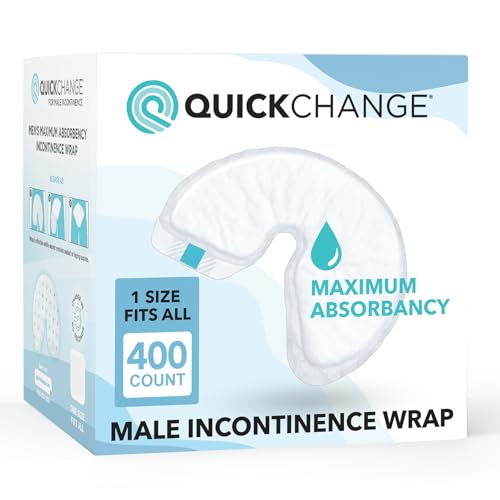
Designed for men with reduced mobility who are bed-bound or in a wheelchair. The wrap is designed to work while the user remains prone or seated.

72 Pack, ships in a carton with 12 six packs
Frequently Asked Questions
Can Underwear Fit Affect Sexual Comfort or Pain During Intercourse?
One study found 43% of respondents reported genital discomfort; yes, underwear pressure can raise discomfort levels, increase friction and restrict blood flow, potentially causing soreness or pain during intercourse if fit is tight or non-breathable.
Does Underwear Choice Impact Healing After Pelvic or Abdominal Surgery?
Yes, underwear choice affects postoperative recovery; healing fabrics and appropriate surgical support reduce friction, protect incisions, manage swelling, accommodate dressings or ostomy needs, allow temperature therapy, and provide gentle compression without restricting circulation during healing.
Are Special Underwear Recommended During Pregnancy or Postpartum Recovery?
Yes, about 80% of new mothers report needing extra abdominal support; clinicians recommend maternity underwear for comfort and secure postpartum support, offering gentle compression, absorbency, incision-safe fit, and thermal pack compatibility during recovery and healing.
Can Underwear Fabrics Interact With Medications or Topical Treatments Applied to Genitals?
Yes. Underwear fabrics can interact with genital medications: chemical residues and occlusive synthetics alter absorption, disrupt microbiota and pH, exacerbate underwear allergies, and poor fabric breathability increases irritation, reducing topical treatment effectiveness and causing inflammation.
Do Antimicrobial-Treated Underwear Cause Long-Term Microbiome Changes or Resistance?
Evidence indicates antimicrobial-treated underwear does not cause long-term microbiome changes or resistance in healthy users; antimicrobial properties produced subtle, transient shifts yet preserved overall microbiome balance and showed no pathogenic resistance emergence in clinical trials.