As an Amazon Associate, we earn from qualifying purchases. Some links on this site are affiliate links at no extra cost to you. Our recommendations are based on thorough research and editorial judgment.


Understanding Yeast Infection Prevention Through Fabric Choice

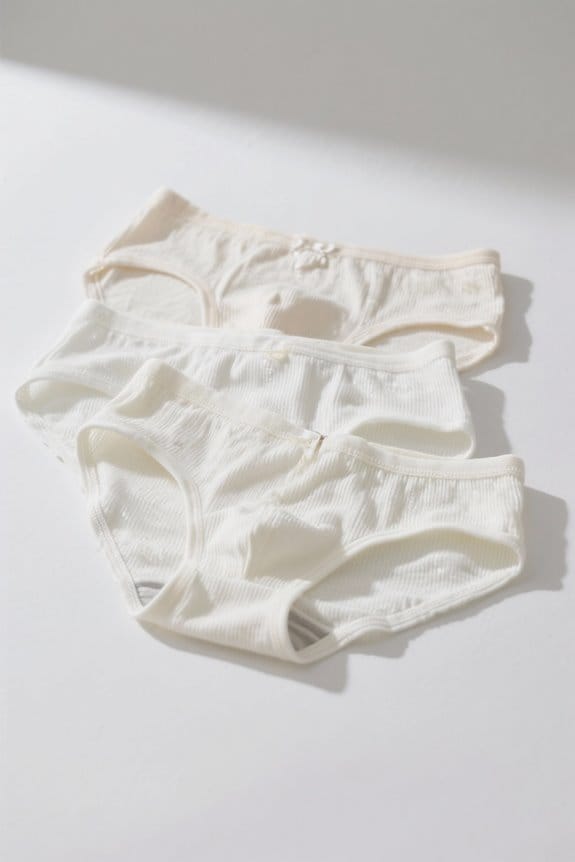
Fabric effects: Natural fibers like cotton and bamboo improve airflow, wick moisture, and reduce yeast-friendly dampness, while synthetics trap heat and increase risk. Treatments: Antimicrobial coatings, such as zinc or silver, can lower yeast load, choose durable options with wash-tested claims. Care: Launder often in hot water, dry completely, avoid fabric softeners, replace worn items. • Examples: cotton, bamboo, linen. The reader can consult product labels and safety data to learn more for safer choices.
Key Takeaways
- Choose breathable natural fibers (cotton, bamboo, linen, silk) to reduce moisture and lower yeast growth risk.
- Avoid tight-fitting synthetic fabrics (polyester, nylon, spandex) that trap heat and moisture, promoting infections.
- Prefer bamboo fabrics for moisture-wicking and mild antifungal properties when selecting underwear or activewear.
- Use garments with durable antimicrobial treatments (zinc, silver) verified by safety data and wash-resistance standards.
- Wash frequently in hot water, avoid fabric softeners, and fully dry before storage to prevent fungal proliferation.
How Fabrics Affect Yeast Growth
You may be interested


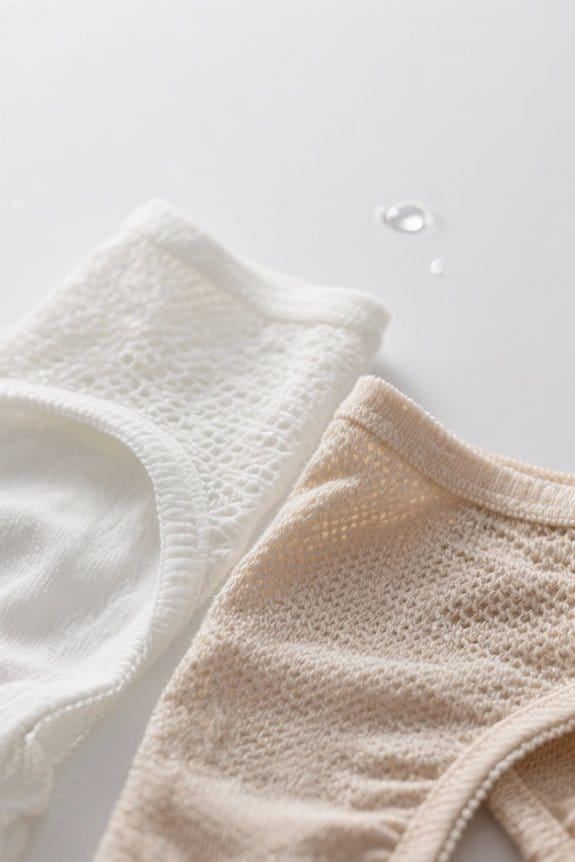
One clear factor influencing vaginal yeast growth is the fabric next to the skin, because breathability and moisture control determine fungal survival. Key point: Natural fibers like cotton and bamboo offer superior fabric breathability, reducing dampness that feeds yeast. Consequences: Synthetic fibers trap heat and increase moisture retention, raising infection risk. Practical guidance:
- Choose loose-fitting cotton or bamboo underwear, both improve airflow and limit persistent dampness.
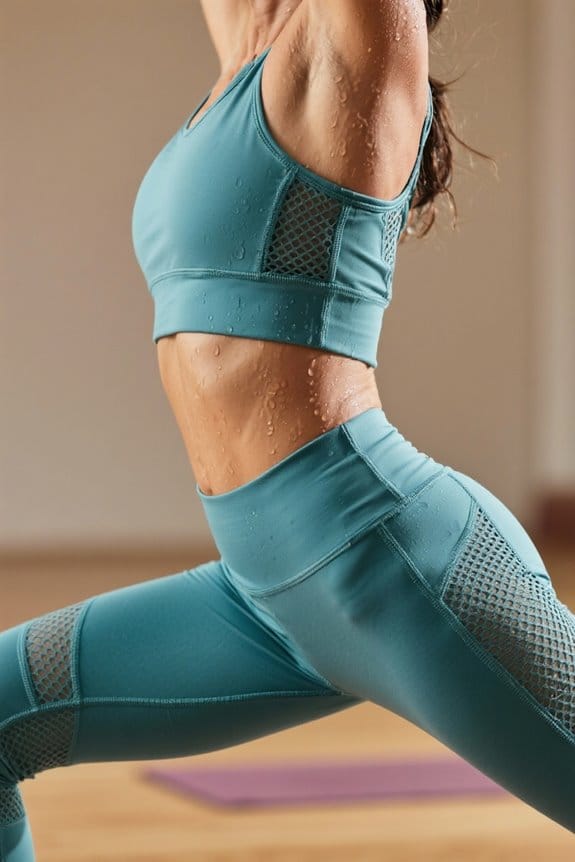
- Prefer bamboo for higher moisture-wicking and mild antifungal benefits, especially during exercise.
- Avoid polyester, nylon, spandex for prolonged wear, they trap sweat and heat.
- Consider silk or Tencel for occasional use, they balance airflow with comfort.
This guidance helps lower recurrence and supports vaginal health. Regular laundering and dry storage further reduce infection risk. Products with organic cotton often reduce water usage and CO2 emissions during production.
Antimicrobial Treatments for Cotton and Polyester
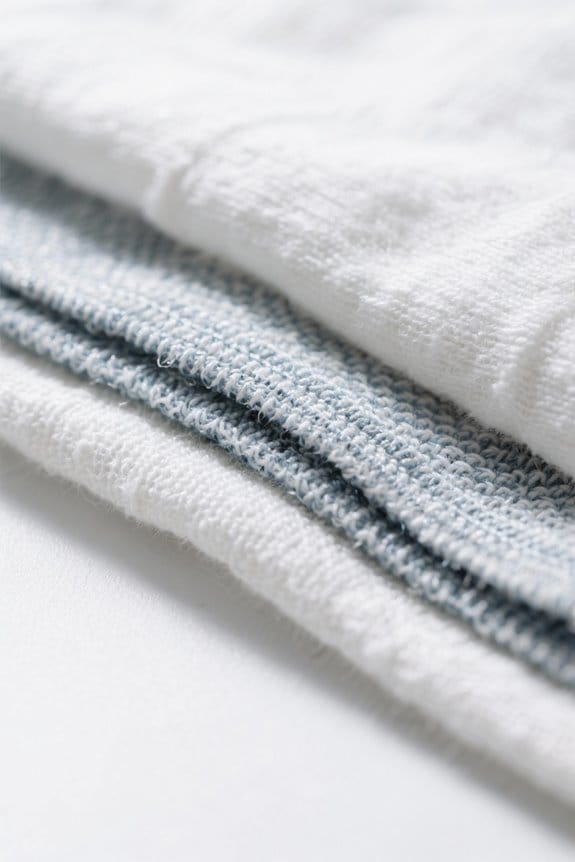
Because the fabric next to the skin affects yeast risk, the reader should consider antimicrobial treatments for cotton and polyester, which change how textiles manage microbes and moisture.
Overview: Natural fabrics and synthetic options can receive antimicrobial coatings, offering reduced bacteria and fungi, and improved odor and moisture control.
Cotton treatments: Silver, gold, zinc oxide, copper oxide, Aloe vera, QAC, PHMB, and silane grafting are applied by pad-dry-cure or microencapsulation, examples include durable zinc composites and silver ion finishes.
Polyester and blends: In situ zinc nanocomposites and synthetic agents give >99.999% bacterial reduction, with wash durability.
Practical note: select durable, wash-resistant technologies, check safety data, and prefer proven systems for long-term protection. Consult product labels and independent test reports before choosing treated garments today. Many treated garments also combine cotton linings to enhance hygiene and comfort.
Recommended Products

Lightweight outer shell is constructed from a technologically advanced impact resistant thermoplastic in two sizes

Lightweight outer shell is constructed from a technologically advanced impact resistant thermoplastic in two sizes
Lightweight outer shell is constructed from a technologically advanced impact resistant thermoplastic in two sizes
Metal Oxide Nanoparticles and Yeast Control
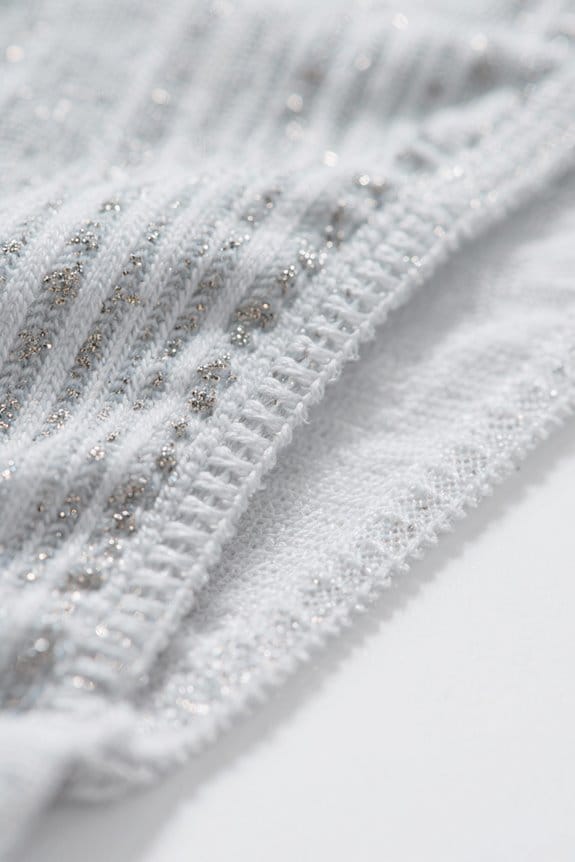
While metal oxide nanoparticles offer potent antifungal effects, the reader should understand their mechanisms, uses, and practical limits for yeast control.
Overview: Nanoparticles like ZnO, MgO, TiO2 damage yeast by membrane disruption, oxidative stress, and ROS generation, reducing viability and biofilm formation.
Key points:
- Metal nanoparticle efficacy depends on concentration, charge, and size, higher doses often needed to reach MIC levels.
- Biosynthesis benefits include controlled size and shape, scalability via extracellular fungal methods, and enhanced multimetal activity.
- Examples: nMgO shows MIC near 1.4–1.6 mg/mL versus Candida, AuNPs and CuO reduce ergosterol and virulence.
Limitations: toxicity, dosing, and formulation influence practical use. Careful testing, regulatory review, and textile-compatible formulation are required before applying nanoparticles in fabrics, to balance efficacy and safety. Monitor for environmental impact. In textiles, combining nanoparticle treatments with moisture-wicking fabrics can improve antifungal performance by reducing moisture that promotes yeast growth.
Durability and Washing: Sustained Antimicrobial Performance
Evaluating wash durability is essential, as textile treatments must retain antimicrobial resilience through repeated laundering, drying, and real-world wear. Key measures and standards: Industry tests like AATCC 61-2A, AATCC 135, ISO 20743, and JIS L 1902 define expected performance, often 50HL as baseline, one wash per week for a year. Examples of durable treatments: – Zinc nanocomposite cotton: >99.999% bacterial reduction after 50 and 100 washes, no loss of function. – DuraTech cotton: up to 99.99% inhibition after 75 washes, stable fabric properties. – Cross-linked protonated textiles: >92% antibacterial efficacy after 50 washes, electrical stability retained. – Silver nanoparticle fabrics: good retention when hydrothermal synthesis and mercerization used. Practical advice: Match treatment durability to washing habits and garment type for comfort and safety. Choose treatments that complement breathable materials and user-friendly designs to maintain comfort during frequent washing.
Recommended Products

3-peat Winner of Good Housekeeping "Best Bedding Award" 2023, 2024, and 2025: Evercool Comforter won with proprietary premium fabric; Lab tested 2x cooler than silk for hot sleepers and night sweats; Comfortable all night with superior breathability and moisture wicking

WARMEST MERINO WOOL HOODIE FOR WOMEN: Engineered for alpine extremes, the Mammoth Hoodie is Ibex’s warmest hoodie to date. Built with a dual-layer Merino wool construction, this heavyweight jacket is ideal for skiing, climbing, travel, or après. Designed to lock in warmth without sacrificing breathability, it offers unmatched comfort for cold-weather layering during high-output activities or downtime by the lodge.
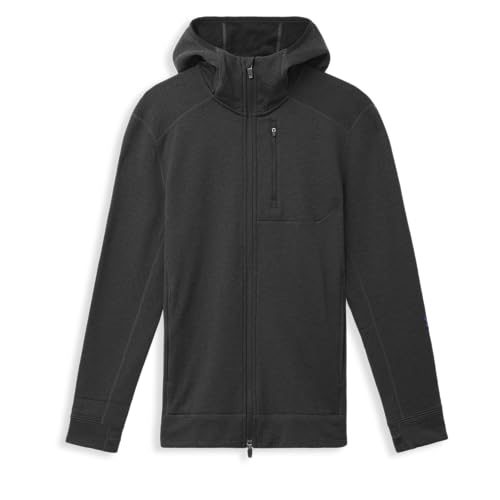
WARMEST MERINO WOOL HOODIE FOR MEN: Engineered for alpine extremes, the Mammoth Hoodie is Ibex’s warmest hoodie to date. Built with a dual-layer Merino wool construction, this heavyweight jacket is ideal for skiing, climbing, travel, or après. Designed to lock in warmth without sacrificing breathability, it offers unmatched comfort for cold-weather layering during high-output activities or downtime by the lodge.
Clinical Evidence of Antifungal Textiles in Healthcare
Clinical trials and ward-based evaluations show antifungal and antimicrobial textiles can substantially reduce microbial contamination on patient gowns, bedding, and staff uniforms.
Evidence summary: Studies report ZnO-coated fabrics cut multidrug-resistant contamination, and 23.8% of samples remained microbial-growth-free during hospitalization.
Examples and textile types: Zinc oxide, silver nanoparticles, guanazole-metal complexes, and natural extracts were tested on linen and cotton, producing inhibition zones up to 5 cm, and durable action for months.
Antimicrobial mechanisms and safety: Coatings act by metal ion release, membrane disruption, or contact-killing quaternary ammonium action, with minimal skin reactions reported.
Clinical implications: Lower fabric bioburden may reduce HAI risk, improve infection control, and support targeted laundering protocols. Further ward-based trials should quantify infection-rate changes, cost benefits, and long-term coating durability and outcomes.
Additionally, ward studies suggest that using fabrics made from bamboo viscose can enhance breathability and moisture control, potentially reducing yeast infection risk in vulnerable patients.
Choosing and Caring for Yeast-Resistant Bedding and Clothing
Three practical criteria guide selection and care of yeast-resistant bedding and clothing, focusing on fabric choice, moisture control, and routine maintenance.
Key fabrics: Cotton (Egyptian, Pima, organic) offers breathability and tight weaves, bamboo provides natural antimicrobial action, linen regulates moisture, silk resists bacteria, microfiber wicks quickly. These bedding materials and clothing choices reduce humidity that favors yeast.
Care practices:
- Wash frequently in hot water to remove oils and microbes.
- Dry completely, avoid damp storage to prevent fungal growth.
- Skip fabric softeners, they trap residues and impair treatments.
- Consider antifungal laundry additives or treated textiles for higher risk settings.
Consequences: poor fabric or care increases moisture, supports yeast colonization, and raises infection risk. Routine inspection and replacement of worn items further reduces contamination and risk. Choose fabrics with a high percentage of bamboo viscose (around 95%) for optimal softness and breathability.
Recommended Products

Adjustable Head Lift: Easily customize your sleeping position with the adjustable head lift feature. Raise the head of the bed from a flat 0 degrees to 60 degrees, and fine-tune the angle to your comfort. Ideal for relieving acid reflux, congestion, and heartburn, or simply for relaxing, reading, and reducing pressure.

Made from 100% CleanBamboo Lyocell — organic non-toxic solvents used for material processing. No caustic soda, toxic dyes, formaldehyde or other harsh chemical used.

Luxury GOOSE DOWN comforter provides medium warmth for year-round comfort
Frequently Asked Questions
Do Antimicrobial Fabrics Alter the Natural Skin Microbiome Long-Term?
Yes. Studies indicate antimicrobial fabrics can alter skin microbial communities, risking disrupted microbiome balance; some changes reverse after discontinuation, but potential long term effects include ion accumulation, resistance development, and microclimate shifts, remaining incompletely understood.
How Should Treated Textiles Be Disposed of or Recycled Safely?
Like a book returned to a library, they should segregate treated textiles for sustainable disposal via incineration or controlled landfill, prioritize chemical, enzymatic or mechanical recycling methods where feasible, use wastewater-safe treatment and take-back programs.
Are These Antifungal Treatments Safe for Pregnant Women and Infants?
Topical antifungal treatments are generally considered safe for pregnant women and breastfeeding infants; antifungal safety is favorable. Pregnancy concerns focus on avoiding systemic azoles, high-dose fluconazole, and using oral or newer agents only when necessary.
What Are the Typical Costs and Insurance Coverage for Treated Bedding?
Treated bedding typically costs $20–$100 per item, with specialty sets up to $200; bedding prices vary by fabric and treatment. Insurance policies rarely cover treated bedding unless deemed DME with a prescription, subject to deductibles/coinsurance.
Do Regulations or Certifications Verify Antimicrobial Fabric Safety and Efficacy?
Yes. Regulatory agencies enforce antimicrobial standards, requiring registration, testing and labeling, while independent fabric certifications (e.g. OEKO-TEX®, ISO-related audits) verify safety, environmental compliance, and documented antimicrobial efficacy through standardized test methods, third party accreditation inspections.