As an Amazon Associate, we earn from qualifying purchases. Some links on this site are affiliate links at no extra cost to you. Our recommendations are based on thorough research and editorial judgment.

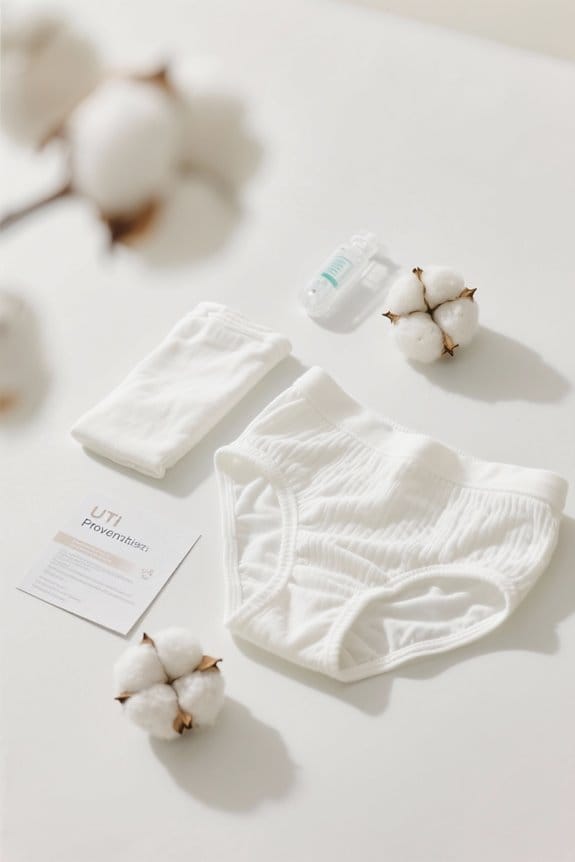
Understanding UTI Prevention and Underwear Choices

The reader should prioritize breathable, cotton underwear and avoid synthetic, tight garments that trap moisture, increasing UTI risk. Underwear: • cotton or moisture‑wicking fabrics, loose fit, change daily. Hygiene: • front‑to‑back cleansing, urinate after sex, avoid scented products. Hydration: • drink 2–3 liters daily, void every 3–4 hours. Medical: • consider cranberry, D‑mannose, probiotics, or topical estrogen for postmenopausal people. Check care labels, avoid damp swimwear, and change after exercise.
Key Takeaways
- Choose breathable natural fibers (organic cotton) to wick moisture and reduce bacterial growth.
- Avoid tight, synthetic underwear and clothing that trap heat and moisture.
- Change underwear daily and promptly after exercise or swimming to stay dry.
- Practice front-to-back cleansing, urinate before and after sex, and void every 3–4 hours.
- Consider non-antibiotic prevention: cranberry (PAC), D-mannose, probiotics, and topical estrogen for postmenopausal individuals.
Global Trends and Who’s Most at Risk
You may be interested


How are global underwear trends affecting UTI prevention, and who should pay attention to fabric, fit, and antimicrobial features?
Overview
The market shows underwear innovation focused on sustainability, moisture control, and antimicrobial fabrics, which can lower infection risk by keeping skin dry and ventilated.
Key groups
- Women, especially sexually active and premenopausal, face higher UTI risk, so choose breathable natural fibers like organic cotton and moisture-wicking blends.
- People with incontinence need high‑absorbency, washable or disposable protective underwear with antimicrobial treatments to reduce bacterial growth.
- Older adults benefit from comfortable, well‑fitted options that reduce friction and skin breakdown.
Practical tips
Select fit that minimizes rubbing, prioritize breathable fibers, and consider tested antimicrobial finishes when hygiene concerns exist. Manufacturers should validate claims with independent laboratory testing. Bamboo viscose blends such as 95% bamboo viscose can offer superior softness and moisture-wicking properties that support dryness.
How UTIs Develop and Common Causes

The following summary explains how urinary tract infections usually begin, what organisms cause them, and which conditions increase risk, helping the reader make informed prevention choices.
How infections start
- Uropathogenic Escherichia coli (UPEC) typically cause bladder infections, originating from the gut and colonizing the periurethral area before ascending the urethra.
- Bacterial entry occurs via adhesion with type 1 pili, then invasion of superficial epithelial cells, creating intracellular reservoirs.
Other pathogens and mechanisms
- Klebsiella, Proteus, Enterococcus, Staphylococcus saprophyticus, and sexually transmitted agents like Chlamydia may cause urethritis or UTI.
- Internalized bacteria exploit host pathways for immune evasion, neutralize lysosomes, and form quiescent reservoirs, causing recurrence.
Risk enhancers
– Shorter urethra, incomplete emptying, low fluids, obstruction, and immune suppression raise infection risk.
Consequences include pain, fever, sepsis.
Choosing underwear made from breathable fabrics like cotton or blends with ventilation holes can help reduce moisture and lower UTI risk.
Essential Bathroom and Personal Hygiene Habits

After explaining how bacteria reach and colonize the urethra, attention turns to practical bathroom and personal hygiene steps that reduce infection risk.
Basic bathroom techniques
- Cleanse front to back, use mild fragrance-free soap or water, pat dry to avoid irritation and spread.
- Replace toilet paper often, wash hands before and after use, sit to urinate to improve emptying.
Sexual and clothing hygiene
- Urinate before and after intercourse, wash external genitalia gently, avoid spermicides and diaphragms which raise risk.
- Wear breathable cotton underwear, change daily, launder in hot water, avoid damp swimwear.
General habits
- Avoid douching, do not share towels, monitor symptoms, maintain bowel regularity, consider probiotics after antibiotics.
- Use disposable toilet seat covers in public restrooms, and guarantee clean hands to limit bacterial exposure daily.
Consider choosing underwear made from organic cotton certified by recognized standards.
Hydration and Urination: Simple Protective Steps
Because adequate fluid intake increases urine volume and flushing, readers can lower UTI risk by adopting simple hydration and voiding habits.
Key points
- Hydration benefits: drink 2–3 liters daily as a target, adjust for activity and climate, include water-rich foods.
- Mechanism: higher urine volume, dilute urine, less bacterial growth, reduced urinary stasis and colonization.
Practical steps
- Schedule fluids and voiding, aim for regular urination frequency of every 3–4 hours during daytime.
- Increase intake if symptoms recur, record volumes, seek medical advice when fluid needs are limited.
Evidence
– Trials show added water halved recurrent cystitis in women with low baseline intake, fewer antibiotics used.
Older adults benefit from scheduled drinks and monitoring, which reduced hospital visits and may lower falls related to dehydration. Adjust individually daily. Choosing breathable, moisture-wicking underwear and undershirts can help reduce moisture retention and skin irritation, especially when fabrics include moisture-wicking technology.
Sexual Activity and Practical Prevention Tips
Although sexual activity increases the chance of urinary tract infection, readers can follow simple, evidence-based steps to lower that risk and spot trouble early. Key risks: Sexual intercourse raises UTI risk, risk increases with frequency, bacteria can enter the urethra from genital or anal regions, new sexual partners show weak link, multiple sexual partners not significant. Practical tips:
- Urination timing: always urinate after intercourse, and before when possible, this reduces bacterial residence.
- Contraception: avoid diaphragm with spermicides if recurrent UTI, consider alternatives.
- Hygiene: clean front-to-back, limit anal-to-genital transfer.
- Monitoring: watch for symptoms within days, seek care early.
Consistent habits, simple actions, and informed contraceptive choices reduce UTI likelihood. Evidence supports low-cost, low-risk measures, even when immediate post-coital infection is uncommon. Clinicians recommend these steps as reasonable preventive actions for patients. Choosing underwear made from breathable fabrics and moisture-wicking materials can further reduce UTI risk by helping keep the genital area drier.
Underwear Materials That Reduce Infection Risk
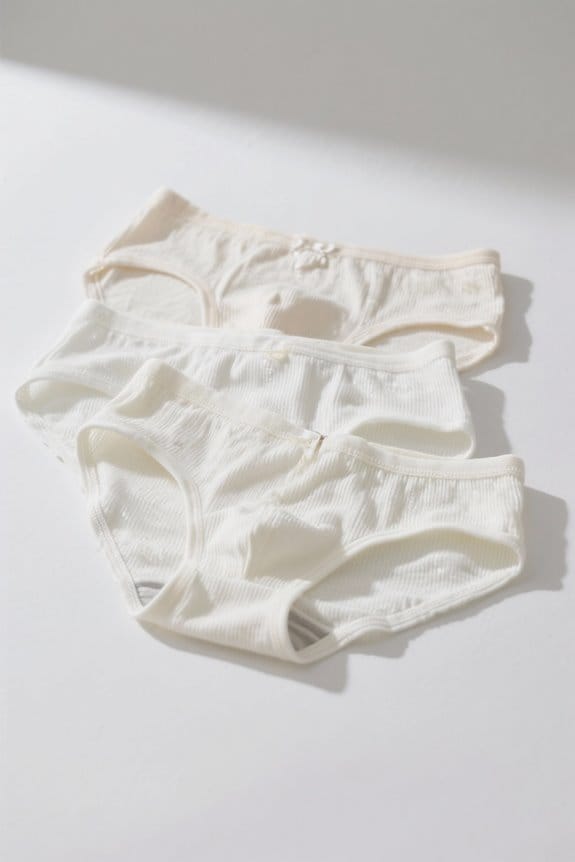
When choosing underwear, the reader should prioritize breathable, natural fabrics such as cotton, since these reduce moisture, heat, and bacterial growth. Key materials:
- Cotton benefits include breathability, moisture wicking, lower irritation, and lower UTI rates in studies, which keep skin drier and bacteria lower.
- Avoid synthetic drawbacks such as polyester, nylon, lycra, and spandex, which trap heat, retain dampness, and increase bacterial growth risk.
Practical guidance:
- Choose 100% cotton, loose cuts, change daily and after exercise.
- Avoid scented or chemically treated underwear.
- Note: blends and tight styles, like thongs, raise transfer and irritation risks, increasing infection probability.
Selecting cotton underwear supports skin barrier health, reduces yeast and bacterial proliferation, and complements other hygiene practices that collectively lower urinary tract infection likelihood over time gradually. For best results, aim for underwear made from 95% cotton or higher to maximize breathability and moisture management.
Clothing Choices and Breathability Matters
While tight, synthetic clothing may look fashionable, it reduces airflow and raises moisture around the vulva and urethra, creating conditions that favor bacterial growth.
Overview
- Fabric types: prefer cotton and other natural weaves for airflow benefits, avoid polyester, nylon, and lycra that trap heat and moisture.
- Clothing fit: choose loose-fitting garments and avoid thongs or very tight pants, which can increase bacterial growth and irritation.
- Moisture levels: remove wet bathing suits and sweaty workout clothes promptly to lower moisture levels that support microbes.
- Infection prevention: changing clothes after exercise, selecting breathable innerwear, and considering climate are simple steps toward better health considerations.
- Personal comfort: breathable fabrics improve comfort and ventilation, while preventing dampness that raises infection risk.
- Practical tip: inspect fit after activity daily.
Choose underwear made from a breathable blend such as 95% cotton for improved airflow and comfort.
Medical Prevention Options Beyond Daily Hygiene
Because recurring urinary infections often persist despite good hygiene, the person should consider medical prevention options that add targeted treatments and supplements to daily care.
Non-antibiotic supplements
- Cranberry efficacy: choose pills with 36 mg PAC, combine with hydration to cut recurrences considerably.
- D-mannose: 2 g/day prevents bacterial adhesion, lowers recurrence risk.
- Probiotic benefits: Lactobacillus strains, oral or vaginal, restore flora, reduce UTI recurrence.
Hormonal and medical options
- Vaginal estrogen: postmenopausal use may reduce UTIs by over 50%, discuss risks with a provider.
- Methenamine: non-antibiotic option, effective in acidic urine, requires medical review.
- Combination use of cranberry, D-mannose and probiotics cut UTI rates noticeably, and greatly reduced antibiotic use in studies.
Review with a provider guarantees safety, dosing, plans. Choose breathable fabrics like cotton or bamboo blends to improve comfort and moisture-wicking.
Antibiotic Prophylaxis and Resistance Concerns
How effective is antibiotic prophylaxis, and what trade‑offs should the patient expect? Overview: Antibiotic prophylaxis reduces recurrent UTI rates during treatment, showing strong prophylaxis effectiveness but no lasting protection after stopping. Who benefits: Patients with frequent, rapid recurrences or failed conservative measures, emergency visits and admissions decrease. Regimens: Continuous, postcoital, and intermittent courses show similar efficacy, typically 6–12 months, monitor for side effects. Risks: Continuous use raises antibiotic resistance, more resistant urine cultures appear during and sometimes after treatment, methenamine causes less resistance while used. Practical advice: Expect common side effects, avoid long‑term use when possible, prefer nonantibiotic options first, reassess regularly, consider referral for complex cases. Balance benefits and harms, document outcomes, and stop prophylaxis if resistance or harms emerge; notify clinician promptly. Choose moisture-wicking materials like bamboo viscose for breathability and comfort.
Special Measures for Postmenopausal People
Antibiotic prophylaxis can lower recurrence temporarily, but postmenopausal people often need targeted, nonantibiotic measures that address hormonal changes and local tissue health. Key measures:
- Topical estrogen applied intravaginally restores mucosal thickness, usually twice weekly, and cuts UTI risk substantially over months.
- Probiotic supplements with Lactobacillus aim to rebalance vaginal flora, reducing pathogen overgrowth and recurrence.
- Hydration and timed voiding dilute urine and expel bacteria, aim for about 1.5 liters daily, and urinate after sex.
- Avoid irritants and practice front‑to‑back wiping to limit rectal spread of bacteria.
- Consider combining nonantibiotic options, like cranberry or d‑mannose, with local estrogen for greater protection.
- Expect benefits in six to twelve weeks, if ineffective seek clinician review for GSM assessment, urine testing, or alternate therapies and personalized care plans.
Adaptive underwear made from soft, breathable fabrics and moisture-wicking designs can improve comfort and reduce skin irritation, which may help limit bacterial growth and moisture-related issues adaptive underwear.
Environmental and Community Factors Affecting UTI Rates
Where do environmental and community factors intersect to raise urinary tract infection risk, and what practical influences should the reader consider? Key environmental influences
- Temperature and weather: warm, humid seasons raise bacterial burden near the urethra, reduce hydration, and increase UTI odds.
- Water and sanitation: contaminated taps, streams, and ponds elevate E. coli exposure, raising community infection rates.
Community practices
- Hygiene and behaviors: diaper use, sexual practices, and contraceptive choices influence bacterial transfer.
- Socioeconomic context: lower SDI and crowded neighborhoods link to higher UTI prevalence, zoonotic strains, and limited sanitation.
Recommendations: improve hydration, hand and genital hygiene, safe water access, and community sanitation to reduce transmission and risk. Monitoring local conditions guides prevention choices, and supports public health planning effectively.
Recognizing Warning Signs and When to See a Clinician
Because urinary infections can range from mild irritation to serious kidney involvement, readers should watch key symptoms, note how quickly they start or worsen, and seek care based on specific warning signs and timing.
Warning Signs to Monitor
– Burning on urination, frequent small voids, cloudy or bloody urine, pelvic pressure, these indicate lower tract disease and require symptom awareness.
When to Seek Care
- High fever, chills, flank pain, nausea or vomiting, seek immediate evaluation for possible upper tract infection, sign of increased infection severity.
- Blood or pus in urine, worsening symptoms, or symptoms persisting beyond a few days, contact a clinician for assessment and likely antibiotics.
- Recurrent episodes or urinary retention warrant specialist referral.
Early intervention reduces complications, preserves kidney function, and shortens recovery.
Frequently Asked Questions
Are There Vaccines to Prevent Urinary Tract Infections?
Yes, vaccines exist to prevent urinary tract infections. Clinical sublingual and injectable candidates (e.g., MV140, Urovac) show reduced recurrences; vaccine development focuses on inducing durable mucosal immune response, with variable duration and limited evidence currently.
Do Cranberry Supplements Reduce UTI Risk?
Yes. A meta-analysis reported a 30% risk reduction (RR 0.70). Evidence suggests cranberry efficacy depends on supplement dosage—about 36 mg PAC daily (or 240–300 ml juice) may lower recurrent UTI risk, especially with continuous use.
Can Oral Probiotics Help Prevent Recurrent UTIS?
Yes, oral probiotics can help prevent recurrent UTIs. They, specific probiotic strains like Lactobacillus rhamnosus and bifidobacteria, restore vaginal flora, reduce coliforms, extend time between infections, and support urinary health as a adjunct preventive option.
Do SGLT2 Diabetes Medications Increase UTI Risk?
Like a double-edged sword, SGLT2 inhibitors modestly increase UTI risk, particularly in older women; clinicians weigh medication side effects against diabetes management benefits, monitor closely, and individualize therapy rather than routinely discontinuing these agents outright.
Are Reusable Menstrual Products Linked to Higher UTI Risk?
Yes. Evidence indicates reusable products can increase UTI and other urogenital infection risk when menstrual hygiene—washing, drying, storage, and frequent changing—is inadequate; proper maintenance mitigates risk but lack of water/sanitation raises infection odds, especially in communities.