As an Amazon Associate, we earn from qualifying purchases. Some links on this site are affiliate links at no extra cost to you. Our recommendations are based on thorough research and editorial judgment.


The Impact of Dyes and Chemicals on Skin Health

Overview: Dyes and chemical finishes can irritate skin, penetrate damaged barriers, and cause allergic or systemic effects. Types: textile dyes (acid, reactive, disperse), cosmetic FD&C dyes; Risks: irritation, contact allergy from disperse dyes, aromatic amines from azo cleavage linked to genotoxicity; Exposures: residues, metals, heat/microbes increase leaching. • Prevention: barrier creams, patch tests, certified low‑chemical fabrics, PPE for workers. The reader who continues will find practical guidance and deeper explanations, and simple actionable safety steps.
Key Takeaways
- Dyes and chemicals can penetrate damaged skin, increasing absorption and causing irritation, inflammation, or oxidative stress.
- Disperse dyes in synthetic fabrics commonly cause allergic contact dermatitis, especially with heat, sweat, or friction.
- Azo dyes can be microbially or thermally cleaved to aromatic amines, some of which are genotoxic and carcinogenic.
- Residual dye chemicals pose occupational dermal and inhalation hazards; PPE, ventilation, and hygiene reduce worker and consumer risk.
- Children, infants, and atopic individuals are more vulnerable; patch testing, barrier creams, and certified low-chemical textiles lower exposure.
What Are Common Types of Textile and Cosmetic Dyes?
You may be interested


How does one categorize the many dyes used in textiles and cosmetics? Overview: Common categories separate by chemistry and source, listing examples and effects. Textile dyes: – Acid dyes: water-soluble, for wool, silk, nylon; need acidic pH, vivid shades. – Reactive dyes: form covalent bonds with cellulose, used on cotton and viscose, excellent wash fastness. – Disperse dyes: non-ionic, for polyester and acetate, require high temperatures. – Vat and sulphur dyes: insoluble pigments for durable dark shades, applied via reduction or sulphur chemistry. Cosmetic and natural sources: – FD&C and D&C synthetic dyes, water-soluble, regulated for cosmetics. – plant based dyes like indigo or madder, and mineral based dyes like ochre, provide traditional colorants with variable fastness, readers should note storage, application differences. Many modern garments incorporate blends such as 95% cotton and 5% spandex and use moisture-wicking fabric to enhance breathability and reduce skin irritation.
Recommended Products

WARMEST WETSUIT AVAILABLE FROM BARE: The wetsuit is designed with a 7MM Neoprene material woven with a unique Graphene Omnired fabric into the liner. This material has been proven to react to your body heat and convert it into infrared energy for maximum body warmth

High-Quality Material - Crafted from 100% high-quality cotton, these beach towels feature a velour finish on one side for a luxurious feel and cotton terry loops on the other for high absorbency. These versatile towels are perfect for beach, pool, or bath use.

PROFESSIONAL FACE CRADLE PILLOW COVERS - For professional providers of massage chair or massage table therapies, Simplicity Poly/Cotton Massage Face Cradle Covers offer a combination of comfort and durability that might just make you as easeful as your clients.
How Dyes Penetrate and React With Skin

Although the stratum corneum blocks many substances, dyes can pass through several routes, raising risk when the barrier is damaged.
Penetration routes and measurements
- Passive diffusion through intercellular spaces is primary, with intracellular and appendageal routes less common, researchers use fluorescent tracers.
- Tape-stripping removes ~0.4 µm per strip, allowing depth estimates to ~2 µm, confocal imaging maps distribution.
Factors increasing penetration
– Barrier damage, surfactants like SDS, longer dwell time, higher humidity and temperature, and small molecular size raise skin permeability and alter dye membranes interaction.
Consequences and detection
- Increased penetration can cause irritation, inflammation, oxidative stress, and sensitization, monitored by TEWL and bioengineered 3D models.
- Practical note: barrier creams reduce penetration, reuse avoidance and patch testing recommended for sensitive skin, and limit surfactant exposure during cleaning. Choosing breathable fabrics like 100% cotton can reduce moisture and lower dye penetration risks.
Azo Dyes and the Risk of Carcinogenic Aromatic Amines

The breakdown of barrier function increases the chance that surface-applied dyes reach skin microbes and underlying tissue, creating conditions for azo dye cleavage and release of aromatic amines.
Overview: Azo dyes can be cleaved by skin microbes and enzymes, producing aromatic amines via dye metabolism.
Key points:
- Microbial reduction: skin bacteria like Staphylococcus aureus cleave azo bonds, forming amines that absorb more easily.
- Non-biological cleavage: heat and light also release harmful amines from dyes.
- Health risks: aromatic amines are genotoxic, linked to liver and bladder tumors in animals, no safe threshold.
- Exposure sources: textiles, inks, papers, and degraded products contact skin or are ingested, gut flora can also liberate amines.
- Regulatory note: authorities flag azo dyes yielding carcinogenic amines, focus on genotoxicity, exposure reduction advised.
Using moisture-wicking fabrics in textiles can reduce prolonged skin contact and lower the risk of dye breakdown.
Recommended Products

100% FRENCH PURE LINEN: This 4 piece sheet set is made of 100% French pure linen, a natural and one of the strongest fibers people commonly use, naturally grown and processed, harvested in an friendly way, without chemicals or additives, certified AZO-free, not bleached or dyed, and safe for even the most sensitive skin

Made from 100% long staple combed cotton with 800 thread count sateen weave for softness, breathability and durability
![Bella Coterie Luxury Bamboo Viscose King Size Duvet Cover Set | 100% Organically Grown | Corner Ties | Ultra Soft | Cooling | Two Pillow Shams | 106 x 94 | No Insert [White]](https://m.media-amazon.com/images/I/31Gd2Vl2hFL._SL500_.jpg)
LUXURY BEDDING AT ITS FINEST- Dive into luxury with our best-in-class bed set. Designed with utmost care, our king sized duvet cover sets offer unmatched quality and style. We provide the highest thread count possible of pure viscose made from bamboo bedding. Due to the 400 thread count, every touch feels cozy and refined. The sateen weave creates the silky, smooth shine. No other comforter set can match the elegance of this duvet cover set.
Disperse Dyes, Polyester, and Contact Sensitization
One important clinical concern is that disperse dyes used in polyester frequently cause allergic contact dermatitis, especially with repeated heat and sweat exposure.
- Clinical patterns: Disperse dyes provoke an allergic response, producing well-demarcated, itchy patches on feet, axillae, groin, hands, and face, often worse with occlusion.
- Risk factors: Textile exposure to polyester, sweating, friction, female sex, and prior atopic dermatitis increase skin sensitivity and chance of sensitization.
- Mechanism and testing: Hydrophobic dye molecules leach with heat, penetrate impaired skin, and trigger T cell mediated Type IV reactions, diagnosis by patch testing to common dyes like DB106 and DB124.
- Prevalence: In studies, about 3.7% of patch-tested patients reacted to textile dye mix, children showed 4.6% sensitization to disperse dyes, clinicians should consider testing common allergens.
Antibacterial treatments in textiles can improve freshness and reduce odor by providing antimicrobial features that limit bacterial growth.
Recommended Products

𝗖𝗢𝗠𝗣𝗟𝗘𝗧𝗘 𝗢𝗡𝗘-𝗪𝗢𝗥𝗞𝗘𝗥 𝗦𝗬𝗦𝗧𝗘𝗠 – Includes 1 full mask respirator, a ¼ HP oil-less rotary vane breathing air pump, and one 50’ (15.24 m) braided vinyl air hose for reliable low-pressure supplied air
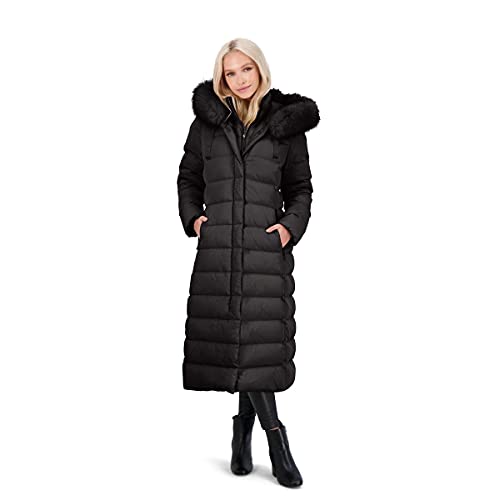

Right side Napoleon chest pocket makes for less bulky layering
Heavy Metals and Mordants in Finished Fabrics
Several common heavy metals used in dyeing and finishing, such as chromium, nickel, and copper, remain in fabrics and can irritate skin or be absorbed into the body over time. Overview: Heavy metal accumulation occurs from mordant exposure, dyes, and finishing agents, and natural fibers may bioaccumulate metals from polluted soils. Health impacts: Skin irritation, allergic contact dermatitis, sensitization, and systemic toxicity are possible, especially for children. Sources and examples: Lead, cadmium, arsenic, chromium, copper, nickel, cobalt, antimony; mordant dyes, metal complexes, phthalocyanines, flame retardants. Practical steps: Test finished fabrics, prefer certified low‑metal products, wash new garments before wear, choose light colors and simple patterns. Regulation note: Standards limit residues, methods like atomic absorption confirm compliance. Manufacturers should pursue safer alternatives and testing. Manufacturers and consumers should also consider moisture-wicking technologies like Cool Comfort and bamboo blends when selecting fabrics to reduce skin irritation.
Recommended Products

Cal King Size Memory Foam and Innerspring Mattress: This 10 inch hybrid mattress features the enhanced support of pocketed innerspring coils and the cooling comfort of gel memory foam for an overall medium firm feel

Sink-In Softness with Everyday Support: Enjoy 2 inches of plush memory foam that gently cradles pressure points, paired with a 4-inch high-density base that resists sagging. Great for nightly sleep or casual lounging without noise or motion transfer.

Your mattress will expand fully in 24-72 hours. Warmer temperatures accelerate memory foam expansion, while colder temperatures at delivery may cause a slight delay. Expansion time varies with surrounding conditions.
Chemical Residues From Dyeing Processes and Worker Exposure
Many dyeing operations produce chemical residues on fabrics, equipment, and in the air, posing clear risks to workers and nearby communities.
Exposure routes and chemical residues:
- Dermal contact is common, especially when handling dye powders, wet fabrics, or contaminated machinery.
- Inhalation occurs when residues volatilize or form dust during mixing, dyeing, and drying.
- Ingestion can result from poor hygiene, contaminated surfaces, or food in work areas.
Health consequences and examples:
– Skin disorders, respiratory problems, neurological symptoms, and increased cancer risk from aromatic amines.
Prevention and controls:
- Use PPE, ventilation, surface monitoring, hygiene, and training, prioritize tasks like weighing and cleaning to reduce exposure routes.
- Regular monitoring of wastewater and remediation prevents environmental exposure and protects communities.
Periodic medical screening is recommended for workers. Moisture management using moisture-wicking fabrics can reduce prolonged skin contact with damp dye residues, lowering irritation risk.
Allergic Contact Dermatitis and Irritant Reactions From Dyes
Some textile and hair dyes cause allergic contact dermatitis or irritant reactions, producing localized or widespread skin problems that require diagnosis and prevention. Key Facts: – Disperse dyes like Blue 106, Blue 124, Orange 3 show >1% prevalence in screening, these dye allergies affect sensitized persons. – Para‑phenylenediamine (PPD) causes 0.1–2.3% general prevalence, higher in patch‑tested patients and hairdressers. – Lesions appear at contact sites, can spread, reactions may be severe, irritation symptoms include redness, blistering, itching. Diagnosis and Prevention: – Patch testing is gold standard, confirm clinical relevance against suspected textiles, verify dye purity in tests. – Regulatory limits exist for PPD in some regions, occupational avoidance and safer formulations reduce risk. Clinical follow‑up and education lower recurrence, early recognition limits severity. Report reactions to authorities promptly. Choosing textiles made from organic cotton and produced under recognized sustainable standards can reduce exposure to certain chemical residues and dyes.
Genotoxicity: DNA Damage Linked to Certain Dye Compounds
Although dye-related genotoxicity varies by compound and tissue, clear patterns of DNA damage emerge across studies, indicating specific risks and mechanisms the reader should understand. Mechanisms and examples: Azo dyes form nitrenium ions that bind guanine or adenine, creating DNA adducts and blocking repair. Synthetic red dyes (amaranth, Allura Red, Red 40) induce colon DNA damage within hours, increase p53 signaling, and show dose responses. Consequences: DNA adducts and oxidative stress produce strand breaks, impaired replication, and potential genetic mutations, varying by tissue sensitivity. Practical notes: Colon shows high sensitivity, liver and kidney often show no effect, model systems differ, and some dyes lack genotoxicity under tested conditions.
- Note: exposure dose, timing, and metabolism matter.
- Use model-specific data when evaluating skin risk. Sustainable materials such as Bamboo Viscose and organic cotton offer biodegradable and lower-impact alternatives.
Endocrine Disruption and Systemic Effects of Dye Chemicals
When evaluating cosmetic and dye-related products, the reader should recognize that certain chemicals act on hormone systems, travel through the body, and produce delayed health effects. Overview: Dyes and additives, including phthalates, benzophenones, hydroquinone, and heavy metal contaminants, can disrupt hormonal health by mimicking or blocking hormones, altering secretion, transport, or receptor activity. Key systemic effects:
- Reproductive impairment, menstrual irregularities, and fertility decline linked to mercury, lead, cadmium, and phthalates.
- Developmental delays, thyroid dysfunction, and increased cancer risk associated with long-term UV filter and plasticizer buildup.
Practical guidance: Limit toxic exposure by checking labels, choosing tested products, and seeking regulatory updates.
– Bioaccumulation, mixture effects, and limited long-term studies increase uncertainty, readers should prefer products with independent safety data and labeling transparency.
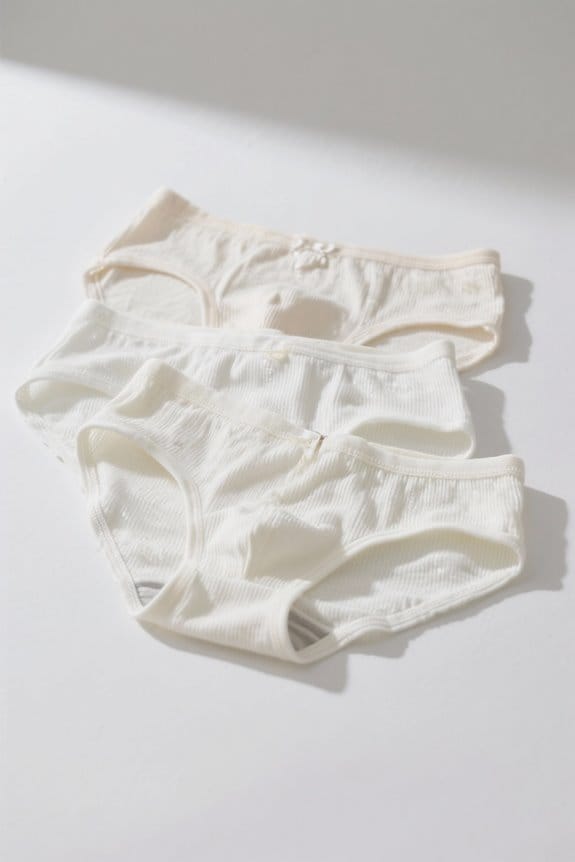
Adaptive underwear crafted from soft, breathable materials (often 95% cotton and 5% spandex) can reduce skin irritation and improve comfort during recovery.
Vulnerable Populations: Children, Babies, and Sensitive Skin Conditions
Because children have thinner skin and higher surface-area-to-body-weight ratios, readers should prioritize safer textile choices for infants and other vulnerable individuals.
When possible, caregivers should select garments with OEKO-TEX certification to reduce exposure to harmful substances.
Risks and mechanisms: Vulnerable children’s skin and sensitive populations face dye leaching, sweat‑activated release, and friction, increasing allergic reactions and dermatitis.
- Eczema and sensitive skin, exposure to disperse dyes or azo residues, often cause redness, itching, blisters, and chronic inflammation.
- Water‑soluble dyes and manufacturing residues, including heavy metals or formaldehyde from reactive dyes, increase sensitization risk.
- Clothing choices should favor uncolored, certified low‑chemical textiles, pre‑washing, and breathable fabrics to reduce contact and overheating.
Practical steps: Monitor rashes, remove suspect garments, consult dermatology for persistent reactions, report products causing hives or photosensitivity.
Advise caregivers to choose tested, labeled garments and keep records of reactions.
Occupational Hazards and Long‑Term Health Outcomes for Dye Workers
Many dye workers and supervisors must recognize that routine tasks expose skin, lungs, and the body to multiple hazards, with both short‑term dermatitis and long‑term diseases possible.
Key hazards
– Inhalation of dye dust, skin absorption during wet work, and ingestion from poor hygiene increase risk of dermatitis, respiratory disease, and systemic toxicity.
Prevalence and outcomes
– Contact dermatitis rates often reach 10–28%, occupational skin disease up to 27.5%, chronic dermatitis and nail disorders occur, cancer risk rises with carcinogenic dyes.
Prevention notes
- Emphasize safety training, correct PPE use, hygiene, and enforcement of health regulations, because low compliance and inadequate rules lead to irreversible illness.
- Examples include benzidine dyes linked to bladder cancer, azo dyes linked to nasal and lung tumors, cumulative exposure causes permanent harm.
Safer Practices, Alternatives, and Consumer Precautions
After outlining occupational risks for dye workers, focus moves to practical measures that reduce skin and systemic harm for consumers and handlers, offering safer choices and clear precautions.
Safer materials
- Prefer natural dyeing techniques and plant-based dyes like indigo, madder, henna, beetroot, which lower allergy and toxicant risks.
- Choose organic cotton, linen, hemp, lighter or undyed fabrics to reduce dye load.
Processing and mordants
- Use certified azo-free synthetics or mild mordants such as alum, tannins, citric or tartaric acid, avoid heavy-metal mordants.
- Explore mordant-free methods, clay or ultrasound to minimize skin sensitization.
Consumer precautions
- Wash new garments before use, patch test on skin, check GOTS and azo-free labels, limit dark saturated colors.
- Increased consumer awareness supports safer purchasing and reduced skin injury and illness.
Recommended Products

Eco-Friendly Stuffing, Grown in India

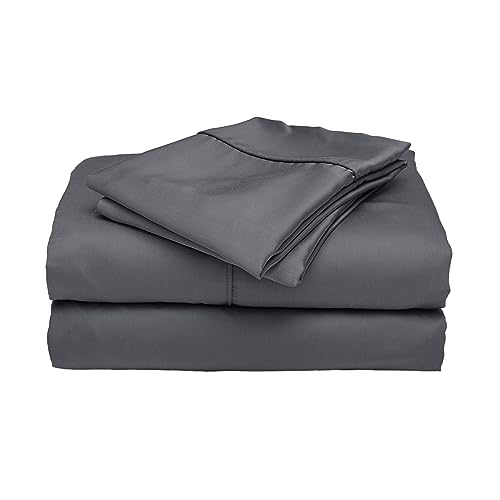
Made from 100% CleanBamboo Lyocell — organic non-toxic solvents used for material processing. No caustic soda, toxic dyes, formaldehyde or other harsh chemical used.
Frequently Asked Questions
How Do Dye Chemicals Affect Wastewater and Aquatic Ecosystems?
Wastewater laden with dyes reduces light penetration, raises BOD/COD, and causes aquatic toxicity; persistent compounds undergo dye bioaccumulation in organisms, disrupt photosynthesis, deplete oxygen, and propagate toxins up food webs, severely globally collapsing ecosystem functions.
Will Washing New Clothes Remove Harmful Residual Dyes Effectively?
About 40% of excess dye can wash out initially. Fabrics washing lowers surface dye and reduces dye absorption risk, but reactive dyes, mordants and bonded chemicals persist, requiring repeated or specialized treatments for complete removal.
How Can Consumers Test Garments at Home for Toxic Dye Residues?
Consumers can perform fabric testing: soak swatches, press wet white cotton to check transfer, salt soaks and pH-strip rinse checks, repeated washes to assess dye stability; note any dye sensitivity or skin reactions before wear
Are Secondhand or Vintage Clothes More Likely to Contain Hazardous Dyes?
Yes. Secondhand and vintage garments are more likely to contain hazardous dyes due to older production and weaker regulations; experts advise attention to vintage clothing safety and ongoing dye toxicity concerns when buying or wearing.
What Legal Protections Exist for Consumers Harmed by Dye-Related Skin Injuries?
Consumers have legal recourse through product liability, breach of warranty, false advertising, and state acts; investigating whether manufacturers knew risks reveals accountability, underscoring the importance of consumer awareness in swiftly pursuing compensation and regulatory complaints.