As an Amazon Associate, we earn from qualifying purchases. Some links on this site are affiliate links at no extra cost to you. Our recommendations are based on thorough research and editorial judgment.

The Birth of Modern Performance Underwear

The birth of modern performance underwear is traced to practical garments and sport-driven inventions. Origins: loincloths, codpieces, and 19th-century jockstraps provided function, protection, and support; Key innovations: 1930s Y-front briefs, nylon and Lycra, seamless knitting improved fit, moisture control, and durability; Modern focus: compression shaping, ventilation zones, and sustainable fabrics enhance comfort and performance. The reader should expect clear examples, design tradeoffs, care tips, and historical context as further sections continue to guide decisions today.
Key Takeaways
- The jockstrap (1874) set the performance-underwear precedent by prioritizing genital protection and support for cyclists and athletes.
- Early 20th-century bras and corset alternatives shifted womenswear toward comfort, function, and mass-produced sizing for active lifestyles.
- Jockey briefs (1935) revolutionized men’s underwear with a supportive Y-front pouch and streamlined, performance-oriented fit.
- Sports-driven materials and construction—Lycra, seamless knits, and moisture-wicking fabrics—enabled improved support, chafe reduction, and ventilation.
- Contemporary innovation emphasizes sustainable fibers (Tencel, organic cotton, recycled polyester) and ethical manufacturing alongside performance features.
Ancient Undergarments: Loincloths to Braies
You may be interested



When examining ancient undergarments, the reader should focus on functional forms, material choices, and social meanings, since these factors shaped designs and use. Overview: The loincloth evolution shows simple to complex forms across regions, materials, and social roles, providing a basis for later braies. Key examples:
- Egyptian schenti, linen or cotton, triangular flap tied front, worn by classes differently, influenced kilt styles.
- Roman subligaculum, wool, linen or silk, used under togas or as outerwear, status indicated by fabric.
- Indigenous and African styles, plant fibers or hides, practical and symbolic uses, clear cultural significance.
Consequences: Material and status choices guided longevity, function, and regional variation.
– Global variations, Mesoamerican wound loincloths, Philippine bahág, Japanese fundoshi, Indian lungi, show adaptation. Practical continuity persists.
For care and longevity, many modern embellished undergarments recommend hand-wash instructions to preserve delicate details.
Medieval Innovations: Codpieces and Practicality
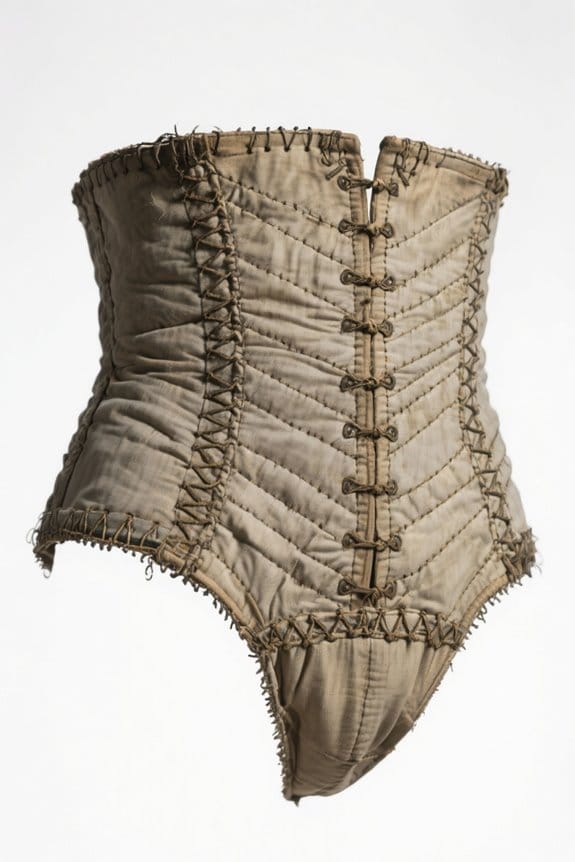
Several late medieval innovations combined function and fashion, and the codpiece stands out as a clear example of this practical evolution.
Overview
- Origin: emerged in the 14th century as a triangular flap to cover the gap between hose legs, designed for modesty and practical protection.
- Military use: metal codpieces developed with plate armor, guarded the groin, and were noted during the Hundred Years War.
Civilian shift
- Changeover: fabric codpieces became common by the 15th century, served as pockets and indicators of status, and varied across classes.
- Fashion arc: padded, jeweled forms peaked in the 1540s, then declined by 1600 as trends shifted.
- Legacy: inspired later protective garments like athletic cups and breeches.
Historical significance and societal implications include protection, masculinity, and changed dress functions. The emphasis on protection is echoed in later garments that prioritize targeted construction for specific body areas.
19th-Century Needs: The Invention of the Jockstrap
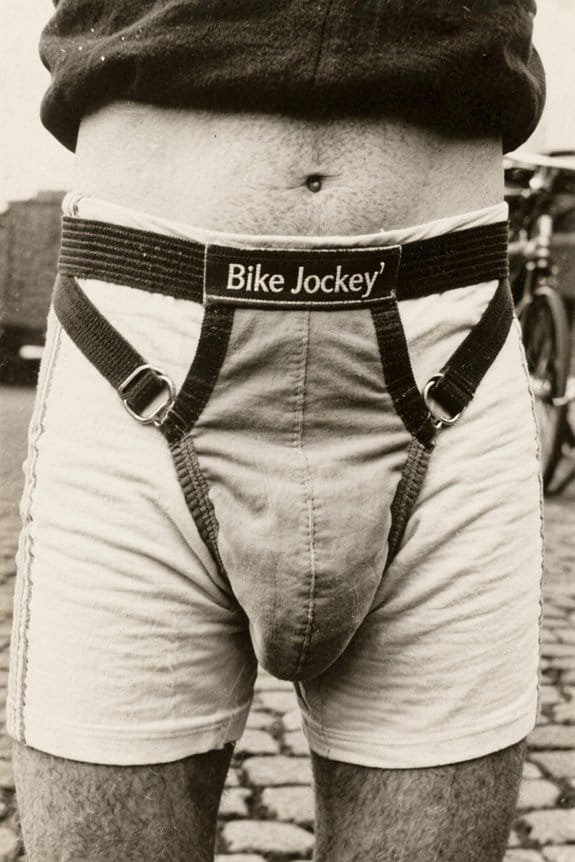
Although cyclists rode long distances over uneven cobblestones, Charles F. Bennett invented the Bike Jockey Strap in 1874 in Boston to reduce discomfort during long rides. The device set a practical precedent.
Design and Function
- Support pouch, waistband, two elastic straps, holds genitals in place, straps run under the buttocks.
- Allows hard protective cup, breathable mesh later added.
Usage and Impact
- Quickly adopted by cyclists, then contact sports like football and hockey, preventing genital injury.
- Brands such as Spalding produced versions in the 1870s.
Evolution
– Cup introduced in the 1920s, compression shorts later accommodated cups.
Jockstrap innovations appear throughout Athletic history, shifting from utility to cultural symbol, while remaining essential athletic gear. Design choices now emphasize safety and comfort. Modern performance underwear also incorporates moisture-wicking fabrics such as polyester and spandex to improve sweat management and breathability.
The First Modern Bras and Women’s Shift in Comfort
Because late 19th- and early 20th-century innovations prioritized mobility and comfort, garments evolved from restrictive corsets to practical breast support devices. This change introduced the first modern bras, shifting priorities toward modern comfort and movement.
Key developments
- 1869: Cadolle split the corset, upper piece supported breasts, lower shaped waist, more freedom.
- 1907–1911: “brassiere” named in Vogue, entered dictionary, marked fashion evolution and language shift.
- 1914: Jacob patented a backless brassiere from handkerchiefs and ribbon, lightweight and soft.
Practical consequences
- Women gained mobility for work and activity, less back strain, easier wartime clothing changes.
- Mass production followed, widespread use by 1920s, industry profit and standard sizing emerged.
- Sizing and availability improved, readers saw options for support levels, materials, and alteration possibilities.
Consider function over ornament. For longevity, manufacturers often recommend hand washing to preserve fabric and fit.
Rise of Men’s Briefs: The Jockey Revolution
When a simpler, more supportive undergarment was introduced in 1935, it quickly changed men’s underwear habits and retail practice; the Jockey brief, developed by Cooper’s Inc. and designed by Arthur Kneibler, removed leg sections, added a Y-shaped overlapping fly, and delivered focused support that earlier boxers and union suits did not offer, so the reader can understand how design choices drove rapid consumer adoption and industry shifts.
Overview: Jockey innovation shifted habits, retail displays, and branding worldwide.
- Origins: invented 1934, prototype #1001, inspired by Riviera swimwear, trademarked Y-front.
- Market impact: launched January 19, 1935, sold 600 pairs before noon, 30,000 in three months.
- Design effects: improved support, new waistband branding, packaging changes.
- Legacy: underwear evolution influenced fashion, athletic endorsements, and later product lines globally.
Many later underwear designs incorporated breathable fabric blends like polyester and spandex to enhance comfort and performance.
Boxer Shorts and the Pursuit of Breathability
While rooted in athletic needs, boxer shorts evolved into a design that prioritized airflow and comfort, using loose cuts, lightweight fabrics, and elastic waists to reduce heat and moisture around the groin. Overview: The garment began as a practical boxing item, then spread through military issue and civilian fashion. Key features:
- boxer innovations: loose cut, elastic waistband, lightweight cotton, improved footwork and ventilation.
- breathable materials: cotton weaves, later blends and bamboo, provide air flow, reduced moisture and heat.
Practical effects: Soldiers tolerated heat better, civilians gained comfort, designers added style without losing ventilation.
Considerations: Choose true loose cuts for maximum airflow, prefer natural or blended yarns for moisture control, note that tighter modern variants trade breathability for fit. Boxers remain a breathable, practical choice. Many modern designs also incorporate moisture-wicking technology to manage sweat and odor during activity.
Fabric Breakthroughs: Nylon, Lycra, and Seamless Knits
After the era of breathable boxers, fabric science reshaped underwear performance, bringing synthetic fibers and knit methods into everyday use. Nylon and Lycra Basics: Nylon properties include strength, elasticity, mildew resistance, and light weight, enabling sheer, form-fitting garments and mass production. Lycra advantages are superior stretch, recovery, sweat resistance, and comfort, replacing rubber in foundation pieces. Seamless Technology: Seamless technology uses circular knitting to eliminate chafing, reduce bulk, and allow precise fit, improving moisture management. Practical Consequences: Fabric durability increases garment lifespan, resists oils and lotions, and enables faster drying, easier care. Design Outcomes: Targeted support, shaping without stiffness, and new silhouettes emerged. Bullet points summarize facts, give examples, and anticipate user questions about care, fit, and longevity. Readers may compare fibers and costs. Many modern undergarments incorporate moisture-wicking technologies like Cool Comfort and Cool Dri to enhance ventilation and dryness.
The Role of Sports and Fitness in Underwear Design
Performance needs drove underwear design, turning sporting demands into practical features like support, moisture control, and chafe prevention for the reader to evaluate. Historical drivers: Early inventions like the jockstrap, boxing trunks, and Y-front briefs set engineering precedents, combining support and comfort for athletes. Design implications: Sports influenced materials and cuts, prompting Lycra, seamless knits, and moisture-wicking fabrics, which reduced sweat and chafing during activity. Practical checklist:
- Support: cup, Y-front and snug fits for impact control.
- Mobility: shorter leg, flexible fabrics, sit and move testing.
- Hygiene: breathable fibres, quick-dry performance.
Aesthetic note: athletic aesthetics grew alongside function, balancing looks with performance priorities. Manufacturers continued iterative testing, quantifying fit and fabric metrics, to meet athlete needs and retail market expectations globally accepted. Many modern fabrics provide moisture-wicking performance and are reported to be 20-30% more breathable than cotton.
Shaping, Compression, and Aesthetic Performance
Sports-driven engineering set the stage for shaping and compression, pushing design from simple support toward deliberate body contouring and targeted muscle aid. Overview: Modern underwear applies shaping techniques and targeted compression to enhance fit, posture, and comfort. Materials & Methods: Uses elastane blends, seamless knitting, molded pouches, moisture-wicking microfibres; examples include anti-muffin top elastics and Ball Hammock® style pouches. Practical Effects: Compression benefits include reduced muscle fatigue, improved circulation, and stabilized anatomy during activity; consequences include heat retention if improperly ventilated. Guidelines: Select correct size, prioritize breathability, prefer zoned compression for key muscle groups. Aesthetic Notes: Sleek lines, color choices, and contoured pouches balance visual appeal with function, supporting confidence without sacrificing performance. Designers continue refining fits, fabrics, and targeted zones for improved outcomes.
Sustainability and the Future of Performance Underwear
While sustainability becomes central to apparel design, the future of performance underwear will hinge on material choices, manufacturing methods, and consumer behavior. Overview: The market shows strong growth, eco-options gain share, and brands must plan for costs, certifications, and transparency. Key materials: sustainable materials include organic cotton, Tencel Lyocell, bamboo, linen, and recycled polyester, each with tradeoffs in water, processing, and durability. Production practices: ethical production and eco dyeing reduce harm, made-to-order models lower overstock, and certifications like GOTS guide sourcing. Consumer actions: the reader should seek labels, prefer transparent supply chains, and weigh lifecycle impacts. Consequences of ignoring sustainability include regulatory risks, consumer loss, and higher long-term costs. Innovation in processing and scale can cut costs, increase access, and improve durability considerably. Manufacturers and consumers should prioritize certifications like GOTS to verify organic and ethical production.
Frequently Asked Questions
Who Holds the Earliest Patents for Modern Performance Underwear Designs?
C. F. Bennett and the Bike Web Company hold the earliest patents for modern performance underwear designs, reflecting patent history and design evolution from union suits and elastic innovations through jockstraps, Y-fronts, and breathable fabrics.
How Did Underwear Marketing Differ Across Non-Western Cultures?
Who defines modesty when markets and morals collide? Observers note non-Western underwear marketing emphasized local cultural perceptions, community norms, utility, and modest imagery; marketing strategies favored tradition, functional messaging, and localized branding over sexualized advertising.
What Are Common Labor Conditions in Underwear Supply Chains Today?
Garment workers in underwear supply chains commonly endure unsafe conditions, long hours, low wages, and risks of forced labor; advocates call for ethical sourcing, strengthened labor rights, transparency, wages, and enforcement to adequately protect workers.
How Should Performance Underwear Be Washed to Preserve Function and Fit?
They should be washed in cold water on delicate cycles to preserve fit and function; like a swimmer easing into pool, follow care instructions for fabric types, use mild gentle detergent, mesh bag, air dry.
Are There Documented Health Risks From Long-Term Compression Underwear Use?
Yes, evidence suggests long-term compression underwear can pose health risks, including compression fatigue and circulation issues, plus nerve entrapment, digestive or respiratory restriction, skin infections, and potential reduced mobility or muscle discomfort over time often.