As an Amazon Associate, we earn from qualifying purchases. Some links on this site are affiliate links at no extra cost to you. Our recommendations are based on thorough research and editorial judgment.

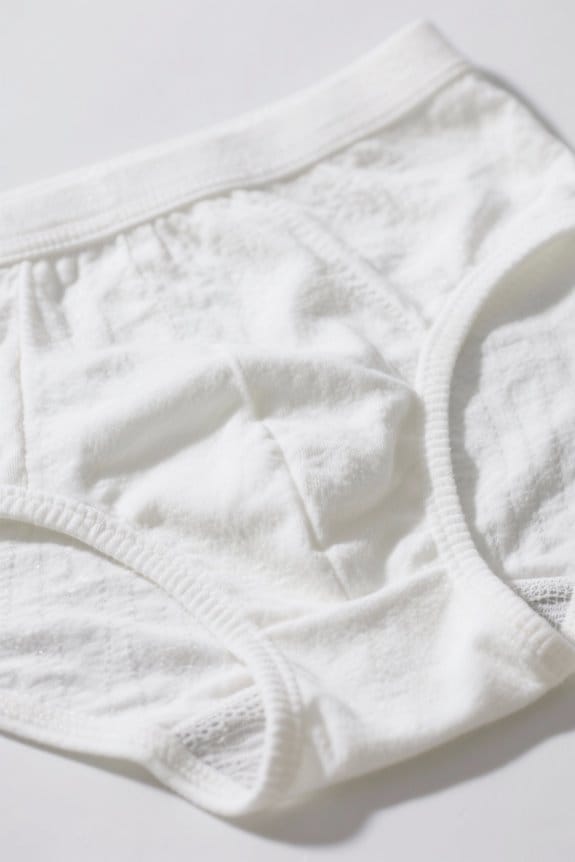
Preventing Jock Itch Through Proper Underwear Selection

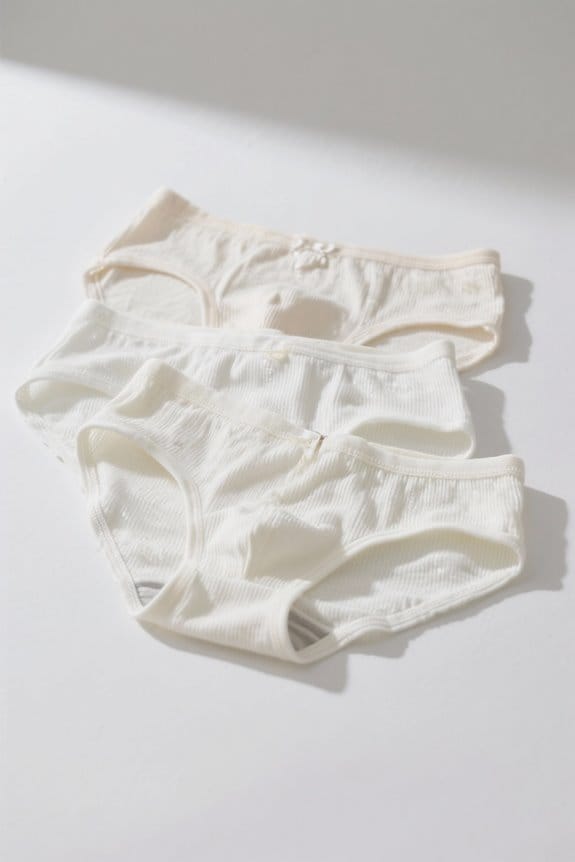
The reader should choose breathable, moisture‑wicking underwear to prevent jock itch, prioritize natural fibers like cotton, bamboo, linen or merino wool. Fit: select snug, supportive boxer briefs or trunks that reduce friction and keep skin dry. Avoid: tight, wet, or odor‑retaining synthetics, change damp underwear immediately and rotate pairs after heavy sweating. Medical risks include diabetes, obesity, and immunosuppression, so see a clinician for persistent or spreading rashes, continue for practical care and detailed options.
Key Takeaways
- Choose breathable natural or moisture-wicking fabrics (cotton, bamboo, TENCEL, or merino) to reduce moisture and microbial growth.
- Prefer snug, supportive cuts like boxer briefs or trunks to minimize friction and keep skin dry without restricting circulation.
- Use underwear with mesh panels or quick-dry synthetic blends for high-sweat activities and change immediately after sweating.
- Replace underwear showing holes, stretched elastic, or persistent odor regularly and launder with hot water when appropriate.
- For heavy sweaters or athletes, rotate multiple pairs, wear moisture-wicking base layers, and dry thoroughly before dressing.
Why Fabric Choice Matters for Groin Health

You may be interested


Because fabric choice directly affects heat, moisture, and friction in the groin, the reader should select underwear that minimizes conditions favorable to fungal growth and skin breakdown. Key principles: Fabric innovations focus on moisture management and airflow, moving sweat to the surface for rapid evaporation, so surfaces stay drier and less hospitable to fungi. Practical guidance:
- Choose garments with engineered moisture-wicking and quick-dry construction to reduce dampness.
- Prefer breathable designs that promote air circulation, preventing heat and moisture buildup.
- Select smooth, flat-lock seams or seamless construction to limit friction and skin breakdown.
- Opt for snug, non-restrictive fit that prevents chafing without trapping heat.
Consider materials like bamboo fabrics, which offer high breathability and moisture-wicking properties.
Consequences of poor choice include increased irritation, prolonged infection, and slower healing. Consider treated fabrics when appropriate.
Best Natural Fibers for Preventing Jock Itch

The following natural fibers are recommended for preventing jock itch, each offering specific moisture control, breathability, and antimicrobial properties.
Cotton benefits
- Cotton absorbs moisture, allows airflow, and reduces fungal risk compared with many synthetic fabrics.
- Organic and loose cotton minimize chemical irritation and chafing, lowering infection risk.
Bamboo advantages
– Bamboo is antibacterial and antifungal, dries quickly, and feels soft against sensitive skin.
Linen properties
– Linen wicks moisture, resists bacteria, and stays lightweight to reduce chafing.
Hemp characteristics
– Hemp is durable, breathable, moisture-absorbing, and naturally hypoallergenic.
Wool effectiveness
– Merino wool regulates temperature, wicks moisture, and resists microbes for active or humid use.
The reader should choose based on activity level, climate, and skin sensitivity, prioritizing breathable natural materials for daily hygiene. Replace damp underwear promptly. Choosing underwear made from breathable materials like cotton or bamboo can significantly reduce moisture buildup and lower the risk of fungal infections.
Moisture-Wicking and Quick-Dry Fabric Options
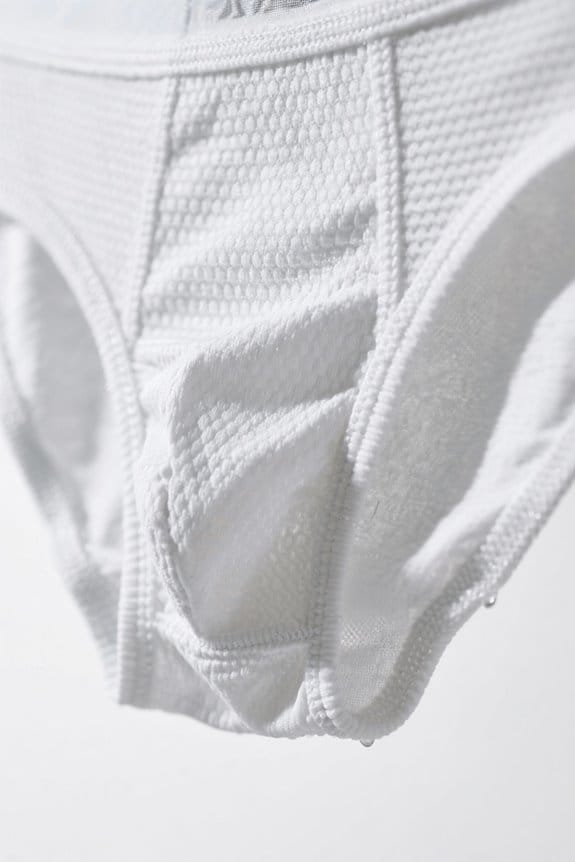
Several moisture-wicking and quick-dry fabrics offer practical options for preventing jock itch, keeping skin drier and cooler during activity.
Overview
– Micro-modal blends and synthetics reduce moisture absorption, move sweat outward, and lower fungal risk.
Quick-dry benefits
– Polyester, nylon, and microfiber with spandex enable fast evaporation, limit skin wetness, and reduce chafing.
Design features
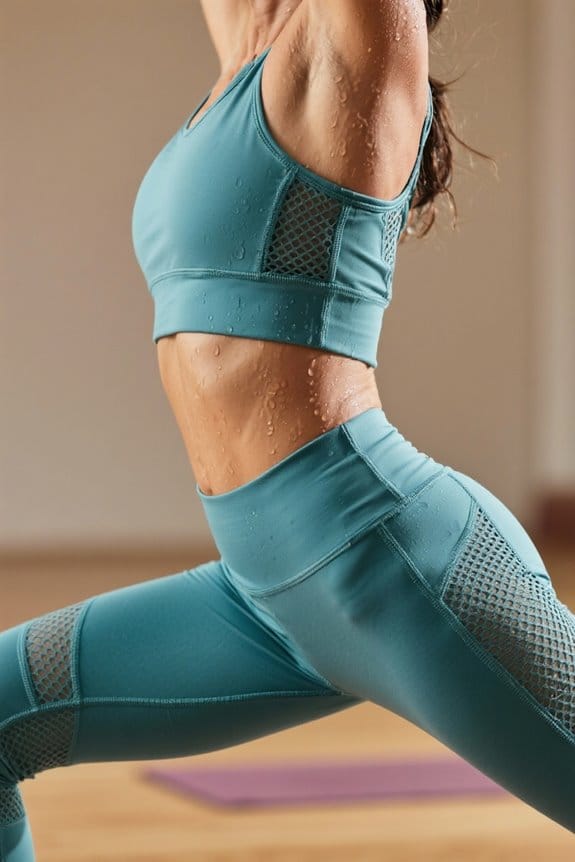
– Mesh panels, anatomically shaped pouches, flat seams, and stretchy elastane improve fabric breathability and prevent moisture trapping.
Additional protections
- Antimicrobial treatments, such as zinc oxide in certain fibers, inhibit microbial growth and control odor, aiding skin health.
- Prefer blends for active use, replace saturated underwear promptly to reduce infection risk.
Many top options use blends like nylon, polyester, spandex to enhance breathability and durability.
Synthetic Materials to Avoid
A person selecting underwear should avoid certain synthetic materials, which trap heat and moisture and raise the risk of fungal infections like jock itch. Problematic synthetic fabric types: polyester, nylon, rayon, acrylic, spandex blends often reduce airflow and trap sweat. Why this matters: non-breathable underwear materials prevent evaporative cooling, raise skin temperature, and keep skin damp, promoting fungal growth and skin maceration. Common examples:
- Polyester and spandex athletic blends, trap moisture and may cause recurrent infections.
- Nylon and rayon budget blends, restrict airflow and can irritate skin.
- Acrylic-containing garments, increase sweating and discomfort.
Practical note: choose alternatives with proven breathability, and avoid high-percentage synthetic blends in daily underwear. Seek fabrics like cotton, TENCEL™, bamboo, or merino wool blends when possible, regularly. Additionally, consider fabrics like bamboo viscose or modal, which offer moisture-wicking breathability and softness.
Choosing the Right Fit and Underwear Style
One should match fabric choices with proper fit, because avoiding high-percentage synthetic blends alone will not stop heat, moisture, and rubbing in the groin. Proper fit and style choices reduce chafing, control moisture, and improve airflow, they prevent skin-on-skin friction and trapped sweat.
Fit guidelines
- Snug but not restrictive, supports genital separation, minimizes friction and irritation.
- Check underwear sizing, try sizes if between measurements, prefer stretch for mobility.
Style recommendations
- Boxer briefs with 5–6 inch inseam reduce ride-up and thigh chafing.
- Trunks balance coverage and breathability for daily wear.
- Boxers allow airflow but lack support for an active lifestyle.
- Briefs give support, monitor airflow to avoid restriction.
Features
– Look for moisture-wicking, flat seams, soft waistbands, and pouch designs.
Prefer quick-drying fabrics for humid climates.
Look for breathable materials like bamboo rayon and moisture-wicking fabrics to stay dry.
Signs It’s Time to Replace Old Underwear
Warning signs indicate when underwear has passed its useful life, offering clear cues such as holes, stretched elastic, persistent odor, and heavy discoloration that affect hygiene and comfort.
Key indicators
- Holes and thin spots: Holes expose skin, reduce protection, increase irritation risk, and show compromised fabric integrity.
- Elastic failure: Stretched waistbands cause slipping, pinching, poor fit, hygiene impacts from chafing and contamination.
- Persistent odor: Lingering smells after washing suggest bacterial build-up, moisture retention, and reduced fabric performance.
- Discoloration and stains: Fading and permanent stains mean weakened fibers, loss of softness, and greater irritation chance.
Guidance
Replace underwear every six to twelve months, sooner with heavy use, athletic activity, or persistent signs above. Regular rotation and proper selection extend usable life and reduce infection risk. Additionally, choosing underwear made from moisture-wicking fabrics such as polyester or bamboo can reduce sweat buildup and lower infection risk.
Laundry and Detergent Tips to Reduce Irritation
Begin treating laundry as a core step in preventing skin irritation and fungal recurrence, because cleaning choices directly affect fabric hygiene and skin health.
Laundry Methods: Wash underwear and close-contact clothing after every use, separate contaminated items, use hot water above 140°F and long or sanitize cycles to kill spores.
Detergent Additives: Choose mild, fragrance-free detergents, prefer antifungal options like Persil Antibacterial or Tide Hygienic Clean, add laundry sanitizers such as Lysol or Eradicil, or natural options like white vinegar or baking soda to boost disinfecting.
- Use full rinse cycles to remove residue.
- Dry completely in high heat or sun, check seams.
- Wash hands after handling contaminated laundry.
Machine cleaning is recommended periodically, to prevent fungal buildup in washers regularly now. Choose moisture-wicking materials like bamboo viscose for increased breathability and comfort.
Effective Moisture Management After Activity
Several practical steps help manage moisture after activity, reducing skin wetness, chafing, and the risk of fungal recurrence. Quick actions: Change out of sweat-soaked underwear immediately, use a towel to roll and squeeze moisture from fabric, then hang in a well-ventilated spot to speed evaporation. Fabric choices: Prefer synthetic or MicroModal-elastane blends for faster wicking and quick drying, avoid cotton unless treated, seek odor-control finishes to limit bacteria. Fit and handling: Choose snug, supportive fits to prevent bunching and thigh sweating, remove damp garments promptly to lower microbial growth. Post activity routines include prompt showering, thorough drying, and optional antifungal powders or sprays after skin is dry. These steps support moisture management, reduce chafing, and recurrence risk. They improve skin resilience. Choosing underwear made from moisture-wicking fabrics and quick-drying blends further enhances these measures.
Clothing and Layering Strategies for Ventilation
When managing groin ventilation for jock itch prevention, a layered clothing approach gives controlled airflow, moisture removal, and fungal deterrence, all while keeping skin cooler and drier. Layering basics: choose moisture-wicking base layers, breathable mid-layers, loose outer garments that allow air exchange. Ventilation techniques: include using synthetic wicking fabrics like MicroModal or Capilene next to skin, rotating garments to dry, and selecting flat-lock seams to reduce chafing. Practical steps:
- Base layer: moisture-wicking briefs, antifungal powder optional.
- Mid layer: loose cotton blend shorts for airflow.
- Outer layer: roomy athletic shorts with vents.
Maintenance and consequences: replace performance briefs every three to four months, wash after each use, failure raises moisture and fungal risk. Antimicrobial treatments can complement layering, but are secondary only. Additionally, selecting underwear made of 95% cotton or cotton blends can improve breathability and comfort.
Tips for Athletes and Heavy Sweaters
A practical approach helps athletes and heavy sweaters manage heavy sweating, reduce friction, and prevent jock itch outbreaks. Material and fit recommendations: Choose breathable underwear materials like micro-modal, viscose bamboo, or TENCEL with zinc oxide, which wick moisture and reduce fungal growth. Prefer snug, supportive cuts, boxer briefs or pouches, to separate skin and limit chafing. Hygiene and frequency: Change underwear after heavy activity, wash daily, dry fully, and consider drying powders or prescription antiperspirants for excessive perspiration. Consequences of poor choices: Loose cotton or polyester that traps moisture increases fungal risk, while tight, non-breathable elastic can cause heat, irritation, and recurring infections. Practical routine: Rotate multiple pairs, launder promptly, and match fabric technology to activity level. Monitor skin daily, seek prompt medical care. Consider moisture-wicking fabrics such as nylon and spandex blends to stay dry during workouts.
Medical and Lifestyle Risk Factors to Watch for
Risk factors for jock itch fall into medical and lifestyle categories, each contributing to susceptibility in predictable, and often preventable, ways.
Medical risk factors:
- Being assigned male at birth, obesity, diabetes mellitus, immunosuppression, and topical steroid use increase fungal growth.
- Consequence: more frequent flare-ups, harder-to-treat infections, spread to other sites.
Lifestyle risk factors:
- Tight or wet underwear, excessive sweating, poor personal hygiene, sharing towels or gear, and delayed clothing changes raise exposure.
- Consequence: faster transmission, recurrent infection, skin breakdown.
Practical steps:
- Choose breathable underwear, change damp clothes promptly, launder towels, manage weight and blood sugar, avoid unnecessary topical steroids.
- Monitor athlete’s foot, treat promptly, replace contaminated gear, dry groin thoroughly after bathing, and wash hands after contact.
- Use breathable fabrics, change daily and often.
When to Consult a Healthcare Professional
After addressing prevention and proper underwear choices, the reader should know when professional medical help is needed, based on clear signs, worsening symptoms, or failure of self-care.
When to seek care
- Persistent rash symptoms beyond two weeks despite OTC antifungal treatment.
- Worsening rash, spread beyond groin, blisters, oozing, or crusting.
- Fever, chills, intense pain, swelling, pus, or red streaks suggesting cellulitis.
- Rapid spread, large body area involvement, or high fever requiring immediate evaluation.
- Immunocompromised individuals, diabetics, or difficulty walking or urinating need urgent assessment.
- Recurrent or chronic cases, unclear diagnosis, or need for skin scraping or lab tests for confirmation.
Prompt professional evaluation prevents complications, guides appropriate prescription therapy, and clarifies alternative diagnoses when topical measures fail, and reduces recurrence risk in susceptible individuals.
Frequently Asked Questions
Are Antimicrobial-Treated Underwear Fabrics Safe for Long-Term Skin Health?
Yes antimicrobial-treated underwear fabrics are safe for long-term skin health. Clinical trials show sustained antimicrobial efficacy without disrupting microbiome; skin sensitivity remains comparable to controls, with stable pH, TEWL, and moisture measures over extended wear.
Can Underwear Cause Allergic Contact Dermatitis Instead of Fungal Infection?
Yes — contrary to common belief, underwear can cause allergic contact dermatitis rather than a fungal infection. Careful evaluation distinguishes fabric reactions from infection; localized allergy symptoms, timing after exposure, and poor antifungal response indicate dermatitis.
How Should You Store Underwear to Prevent Mold or Fungal Contamination?
Underwear should be stored in dry, ventilated spaces using storage techniques that prioritize moisture control: clean, dry garments in airtight plastic bins with silica gel, elevated off floors, periodically aired and inspected to prevent mold.
Does Underwear Choice Affect Condom Use or Sexual Activity Comfort?
15% reported increased comfort; yes, underwear choice affects condom use and sexual comfort, as proper underwear fit and moisture management influence condom positioning, slippage, and overall acceptability, enhancing consistent, effective barrier protection during varied activity.
Can Family Members Catch Jock Itch From Shared Laundry Baskets?
Yes, family members can contract jock itch from shared laundry baskets; fungal transmission via contaminated fabrics is documented, so strict laundry hygiene, separating infected items, high‑temperature washing, and disinfecting baskets greatly reduce overall risk thereby.