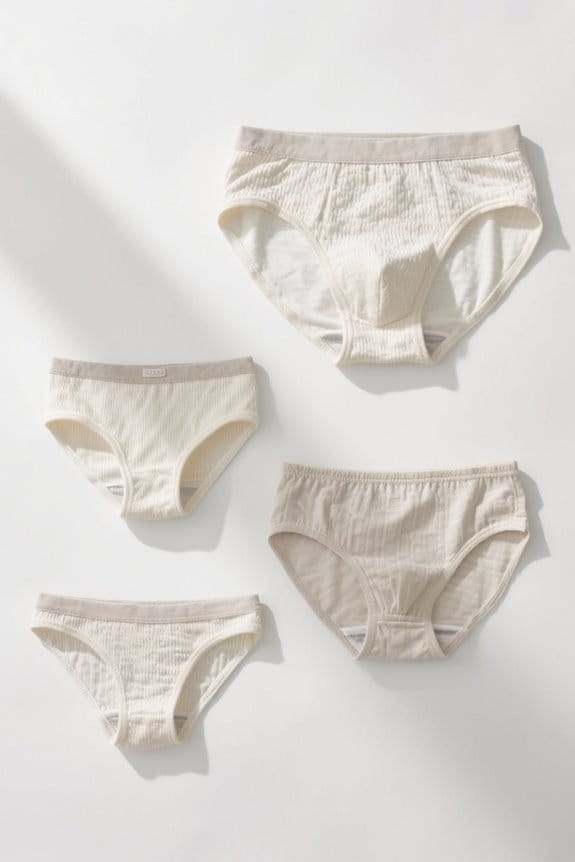
As an Amazon Associate, we earn from qualifying purchases. Some links on this site are affiliate links at no extra cost to you. Our recommendations are based on thorough research and editorial judgment.


Hiking and Outdoor Adventure Underwear Guide

The guide tells the hiker which underwear fabrics work best, highlighting merino, polyester and nylon blends for moisture control, odor resistance, and quick drying. Fit matters, choose snug ergonomic cuts, flatlock seams, and gussets to prevent chafing and bunching on long miles. Care tips include cool wash and avoid fabric softener to keep wicking. Brand options range from Smartwool and Icebreaker to ExOfficio and Patagonia, with budget picks noted. Continue for buying and care details.
Key Takeaways
- Avoid cotton; choose quick-dry synthetics or merino blends for moisture management, temperature control, and reduced chafing.
- Prioritize moisture-wicking, fast-drying fabrics with antimicrobial treatments for multi-day freshness and odor control.
- Opt for a snug, ergonomic fit with flatlock seams, gussets, and longer cuts to minimize chafing and bunching.
- Use merino for superior odor resistance and thermoregulation, or synthetic blends for faster drying and greater durability.
- Consider reputable brands (ExOfficio, Patagonia, Smartwool, Saxx) or budget options (REI Co-op, New Balance, Alpkit) based on needs and price.
Why Fabric Choice Matters for Hiking Underwear
You may be interested


Because fabric controls sweat, temperature, odor, and durability, the hiker should prioritize material choice before any gear purchase. Key functions: Material determines moisture management, thermal behavior, odor resistance, and longevity, so selection affects comfort and skin health. Practical guidance:
- Moisture management, choose quick-dry fabrics, avoid cotton, prevent chafe and salty-sweat abrasion.
- Temperature control, pick materials that release or retain moisture appropriately for climate, blends add versatility.
- Odor and trips, favor naturally antimicrobial fibers or treated synthetics for multi-day freshness.
- Durability and seams, prefer abrasion-resistant fabrics and flatlock stitching for long use.
Considerations: Assess sustainability considerations and comfort innovations like tagless waists and stretch blends when balancing performance and environmental impact. The hiker should test garments during training hikes before committing. Also consider advanced moisture-wicking fabrics for prolonged dryness during activity.
Best Fabrics for Hiking: Merino, Synthetics, and Blends
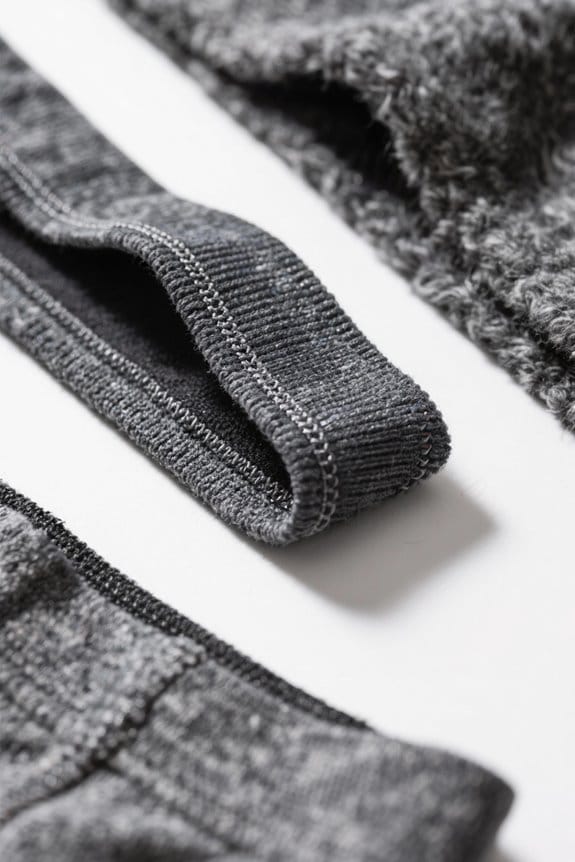
Material choice shapes comfort and performance on trail, so the hiker should weigh merino, synthetics, and blends carefully.
Synthetics: Nylon and polyester dry fast, resist abrasion, accept anti-odor treatments, and often include spandex for stretch, consequences include faster drying times and higher durability, but odors depend on treatment effectiveness.
Merino Blends: Typical mixes (88/12, 83/12/5) keep merino benefits while adding durability and fit, they dry slower than pure synthetics yet wick well and resist odor.
Alternatives & Innovations: Tencel, alpaca, recycled nylon, mesh panels, flatlock seams, and other fabric innovations improve comfort, breathability, and sustainability practices.
Recommendations: choose blends for balance, synthetics for durability and quick-dry, merino blends for odor control and comfort. Pack multiple pairs, replace when worn, follow care labels to prolong life. Also, consider fabrics with moisture-wicking properties to keep skin dry during activity.
Recommended Products
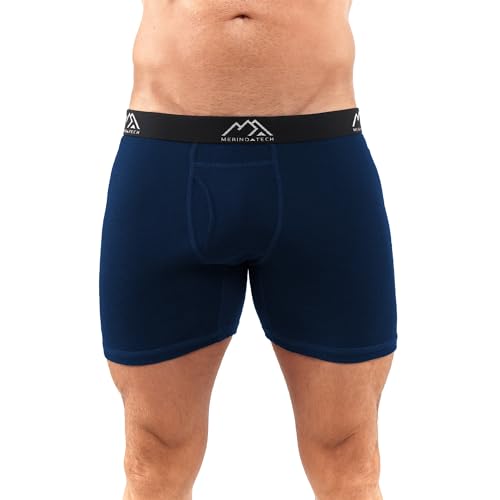
Super soft & Comfortable: 100% Superfine 17.5 Micron merino wool underwear for men provide all day comfort and no itch! Designed for daily wear without rubbing and overheating of regular cotton.
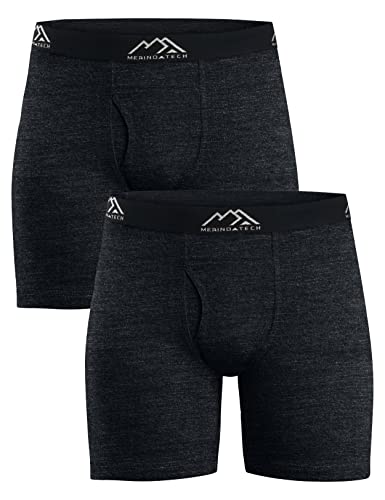
Super soft & Comfortable: 100% Superfine 17.5 Micron merino wool underwear for men provide all day comfort and no itch! Designed for daily wear without rubbing and overheating of regular cotton.
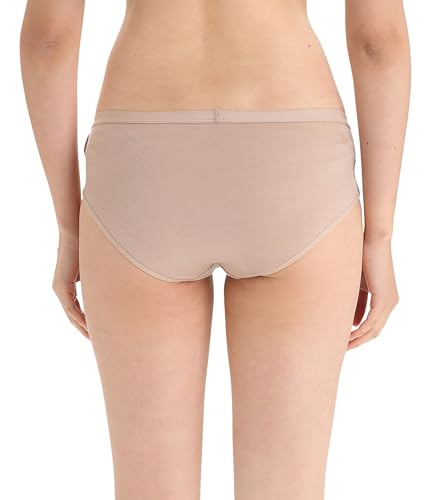
WOOL UNDER SHIRT: An ultralight T-shirt with super soft & durable merino wool blend. This crewe tee provides the versatile, breathable comfort you need for both active pursuits & daily life
Merino Wool Underwear: Benefits, Drawbacks, and Use Cases

After comparing synthetics and blends for trail use, merino wool underwear deserves focused attention for hikers who value odor control, comfort, and temperature responsiveness. Some brands offer 100% Superfine merino wool in Lightweight, Midweight, and Heavyweight options to match activity and climate.
Benefits
- Moisture management: draws sweat away, keeps skin dry, reduces chill.
- Thermoregulation: adapts to cold and warmth, suited to variable conditions.
- Odor resistance and softness support multi-day wear, reducing laundry needs.
Drawbacks
- Longer drying times and higher cost, require gentler care to preserve fibers.
- Pure merino can wear faster under heavy friction, seams may irritate in some activities.
Use cases
- Multi-day backpacking, alpine hiking, travel and high-intensity exertion benefit from merino versatility, especially when blended for durability.
- Blends with nylon or elastane improve fit, elasticity, and abrasion resistance without losing core benefits.
Ideal for temperature-variable, long-haul outdoor scenarios and travel.
Recommended Products

Soft Modal Meets Merino Comfort — Made with 65% Modal, 30% Merino Wool and 5% Spandex, these boxer briefs bring together a smooth handfeel, breathable comfort and easy stretch. Modal feels soft against the skin, while merino wool helps manage moisture and comfort through changing daily routines.

Lightweight: Womens Merino Base Layer Available in: Lightweight 165 g/m², Midweight 250 g/m², Heavyweight 320 g/m². Merino Wool Hiking Socks ($21 Value!) - Package includes Merino Wool Base Layer Women Wool Leggings Lightweight 165 g/m² and Merino Wool Hiking Socks. Cool Packaging! Makes A Great Gift!
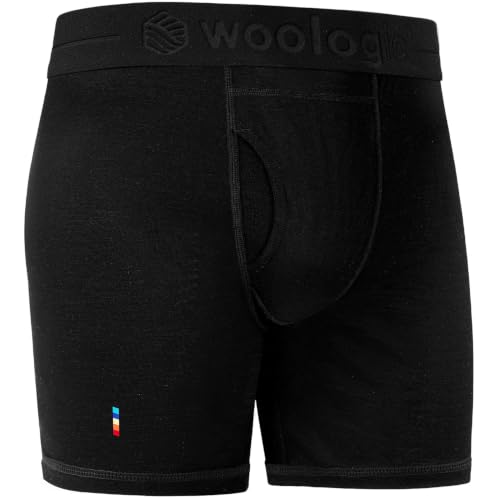
【100% MERINO WOOL | PREMIUM COMFORT】 Crafted from 100% Ultra-Fine 17.5 Micron Merino Wool, this mens underwear delivers exceptional softness that is naturally itch-free. Noticeably lightweight and more breathable than traditional wool, it provides all-day comfort—keeping you warm in the cold and cool in the warmth.
Synthetic Underwear Options: Polyester, Nylon, and Performance Blends
Many hikers rely on polyester, nylon, and performance blends for underwear, because these fabrics wick moisture fast, dry quickly, and resist abrasion.
Overview
Synthetic types offer strong moisture management, quick drying, and durable wear suitable for hiking, layered systems, and hot conditions.
Properties
- Polyester: nearly zero water absorption, fast evaporation, durable under repeated friction.
- Nylon: moderate moisture regain, reduced odor buildup versus polyester, good abrasion resistance.
- Blends: often include spandex for stretch, maintain shape, enable lightweight cuts.
Considerations
- Odor: synthetics can retain smell, treatments help but expect limits on multi-day trips.
- Longevity: resists pilling, shrinkage, and retains fit after many washes, outperforming cotton.
- Care: wash in cool water, avoid harsh detergents to preserve treatments and fabric performance.
Durability favors synthetic choices for rugged use. Look for underwear with a Total Support Pouch design to enhance comfort and reduce chafing on long hikes.
Recommended Products

Quick Dry - Made of polyester and spandex, these quick dry travel underwear are comfortable and quick dry. Keeping you feeling cool and wicking moisture away from the skin, these hiking underwear for men are suitable for travelling, hiking, and outwork in hot summer.

Excellent Breathability: With micro-mesh fabric tech, the men's boxers ensure excellent breathability and moisture-wicking capabilities. Unlike heavy and stuffy cotton, it provides superior airflow and lightweight, eliminating odors and keeping you fresh all day

Lightweight: Mens Merino Base Layer Available in: Lightweight 165 g/m², Midweight 250 g/m², Heavyweight 320 g/m². Merino Wool Hiking Socks ($21 Value!) - Lightweight Merino Wool Pants for Men 165 g/m² and Wool Socks. Cool Packaging! Makes A Great Gift!
Fit, Seams, and Construction: Preventing Chafing and Bunching
When selecting hiking underwear, the reader should prioritize a snug, flexible fit and flat, well-placed seams to reduce rubbing, bunching, and hotspots on long walks.
Fit and adjustments
- Choose close, not compressive garments, with elastane blends for stretch and breathability, longer legs prevent thigh chafe.
- Use adjustable waistbands or choose stable wide elastic that balances grip and comfort, proper fit adjustments limit slipping.
Seams and construction
- Prefer flatlock or minimal seam designs, place seams away from crotch and inner thighs, seam techniques reduce hotspots.
- Look for gussets, ergonomic panels, elastic leg cuffs and durable synthetic fabrics to prevent bunching and maintain shape.
- Test garments during activity, replace items that pill or lose elasticity, early fixes prevent blisters, hotspots, and long-term discomfort on hiking trails.
Additionally, choose materials such as polyester blends for superior moisture-wicking and quick drying during hikes.
Care, Drying, and Maintenance for Long-Lasting Performance
Several simple care habits, if followed consistently, keep hiking underwear functional, odor-free, and long-lasting through multiple seasons. Washing techniques: Hand wash in cold water with mild detergent to preserve moisture-wicking and elasticity; machine wash on gentle cycle, use mesh bag; avoid fabric softeners and bleach; add extra rinse to remove soap residue; wash after every use or every few days depending on sweat. Drying methods: Air-dry in shade, hang flat or on a line to retain shape; avoid direct sun and dryers, heat weakens fibers and fades colors; ascertain complete dryness before storage to prevent mold. Maintenance: Inspect seams, repair small tears promptly, rotate pairs, store in breathable containers, do not overcrowd. Rinse crotch area when full washing is not possible, reduce odor buildup. Adaptive underwear is often made from 95% cotton blended with a small amount of spandex to maximize comfort and minimize skin irritation.
Selecting Underwear by Climate and Activity Level
Proper care habits preserve fabric performance, and choosing underwear by climate and activity guarantees those preserved properties meet on-trail demands, preventing discomfort and garment failure.
Climate and Weight Selection
- Microweight for warm weather variations, summer hikes, high activity intensity, quick-drying fabrics and merino or polyester preferred.
- Midweight for cool to cold, balancing insulation and moisture transfer, useful for fall hiking and moderate exertion.
- Heavyweight for below-freezing low-activity periods, polyester fleece or heavyweight wool for maximum thermal efficiency.
Fit and Layering Guidance
- Formfitting boxer briefs reduce chafing, maintain wick contact.
- Layering with multiple light pieces allows adjustable insulation, store extras in a daypack to prevent overheating.
- Loose-fitting designs compromise wicking, increasing chafing risk and rapid heat loss during wet conditions.
Choose fabrics accordingly, consistently. Also, prioritize moisture-wicking fabrics like polyester blends or merino to pull sweat away from skin and speed drying.
Recommended Products

Super soft & Comfortable: 100% Superfine 17.5 Micron merino wool underwear for men provide all day comfort and no itch! Designed for daily wear without rubbing and overheating of regular cotton.

Midweight: Womens Merino Base Layer Set Available in: Lightweight = 165 g/m², Midweight = 250 g/m², Heavyweight = 320 g/m². Merino Wool Hiking Socks ($21 Value): Package includes Midweight Merino wool base layer top, Merino Leggings 250 g/m² + Merino Wool Hiking Socks. Cool Packaging. Makes A Great Gift!
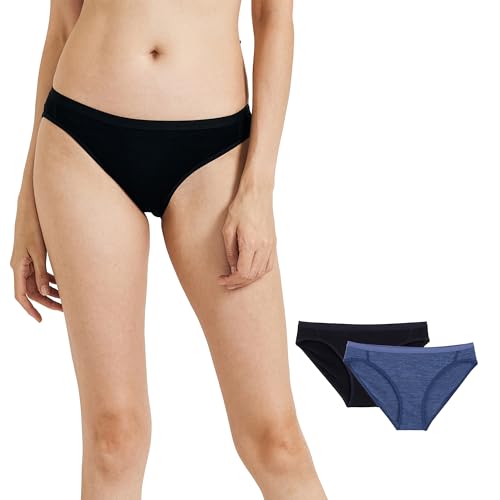
PACKAGE INCLUDES - 2pcs womens wool bikini briefs,color black and denim blue,size opt,S-XL.
Popular Brands and Recommended Models for Outdoor Adventures
Although brand choice often reflects personal fit and budget, selecting models with proven materials and construction prevents common trail failures, such as chafing, odor buildup, and loss of insulation when wet.
Top Synthetic Blends
- ExOfficio Give-N-Go Sport Mesh: nylon/elastane, anti-odor, flatlock seams; affordable, reliable.
- Patagonia Active Hipster: seamless, quick-drying, Fair Trade, proven durability in long use.
- Saxx Kinetic HD: separated pouch design, popular with backpacking groups for comfort.
Merino & Specialized
- Smartwool, Icebreaker, EDZ, Ridge Merino: odor control, warmth when wet, soft next-to-skin feel.
- PAKA, David Archy, Boody: trending materials and eco friendly options, unique fiber blends.
Budget Picks
- REI Co-op, Alpkit, Under Armour, New Balance: value choices that perform on trail.
- Mack Weldon AIRKNITx HD and Saxx praised for moisture-wicking and fit reliability.
Many everyday brands such as Hanes and Amazon Essentials are noted for including moisture-wicking fabrics to help manage sweat on longer hikes.
Recommended Products

Lightweight, Performance Tech fabric is insanely soft and breathable


HIGH-QUALITY MATERIAL: Our men's boxer briefs are crafted from 92% bamboo viscose and 8% spandex, offering superior softness, breathability, and moisture-wicking properties. Compared to cotton, they are 20-30% more breathable and 2-3°C cooler, keeping you fresh and comfortable all day long
Frequently Asked Questions
How Many Pairs of Hiking Underwear Should I Pack per Day?
They should pack roughly one to one-and-a-half pairs per day, adjusting for activity; packing strategies should reflect daily uses, climate, and laundry access—more for high-sweat days, fewer with frequent washing or cooler conditions and comfort.
Can Hiking Underwear Double as Swimwear at Lakes or Rivers?
75% of hikers report using quick-dry underlayers; they can double as hiking swimwear for lakes and rivers due to fabric versatility, though durability, coverage, and prolonged water exposure may favor dedicated swimwear for frequent swimmers.
Do Hiking Underwear Fabrics Offer Sun Protection (Upf Ratings)?
Yes, many hiking underwear fabrics provide sun protection with UPF ratings, especially synthetics and treated blends; however fabric longevity and washing can reduce protection over time, so users should verify lab-tested ratings and care recommendations.
Can I Effectively Repair Torn Underwear on the Trail?
Yes — by coincidence a small repair often succeeds on trail: one uses patching techniques and emergency supplies like adhesive tape, Tenacious Tape or dental-floss stitching; results are temporary, uncomfortable, and unsuitable for large crotch splits.
Are Hiking Underwear Materials Biodegradable or Environmentally Friendly?
Yes and no: hiking underwear materials range from biodegradable materials (merino, Tencel, hemp, organic cotton, alpaca) to petroleum-based synthetics; eco friendly options exist but synthetics cause microplastics and higher environmental costs and demand mindful purchasing