As an Amazon Associate, we earn from qualifying purchases. Some links on this site are affiliate links at no extra cost to you. Our recommendations are based on thorough research and editorial judgment.

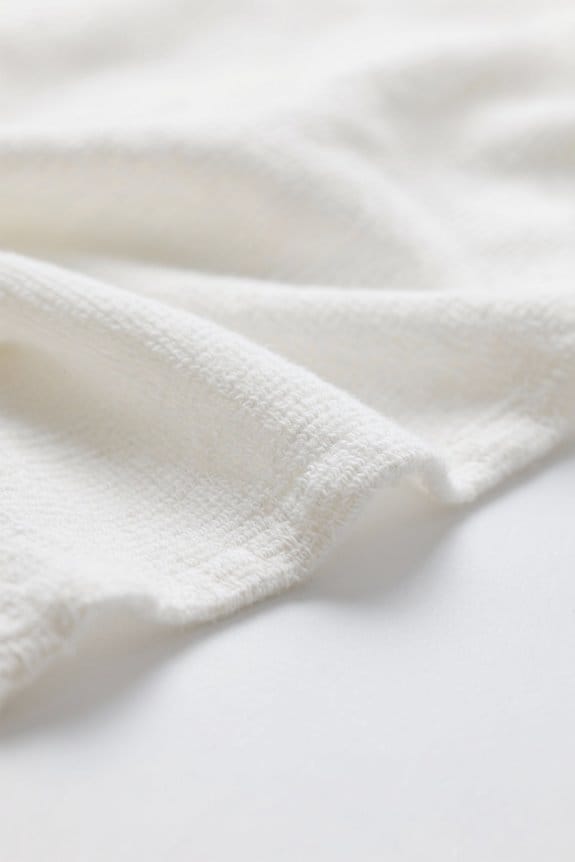
Preventing Odors Naturally With Fabric Choice

Quick: Fabric choice controls moisture, airflow, and bacteria, so the reader should prefer breathable, natural fibers. Natural options: merino wool, bamboo, cotton, linen, hemp, which wick moisture, resist microbes, and release odor during washing. Synthetics: polyester and nylon trap oils and bacteria, causing persistent smells unless washed with hot water and enzymes. Care tips: gentle detergent, air dry in sun, rotate garments, store ventilated. Examples and troubleshooting appear in subsequent sections.
Key Takeaways
- Choose breathable natural fibers (wool, cotton, silk, bamboo) that wick moisture and release odors faster than nonporous synthetics.
- Prefer merino wool or bamboo blends for superior antibacterial properties and long-wear odor control.
- Avoid hydrophobic synthetics (especially untreated polyester) that trap sweat, oils, and odor-causing bacteria.
- Opt for performance blends or antimicrobial treatments when synthetic durability is needed to reduce odor retention.
- Wash gently, air-dry in sunlight, and store garments ventilated to prevent bacterial growth and persistent smells.
Why Fabric Choice Matters for Odor Control
You may be interested
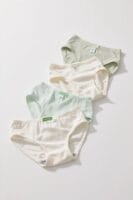


Because fabric fibers and construction determine moisture movement and airflow, choosing the right fabric directly reduces odor development and makes washing more effective. Why this matters: Fabric type and weave change moisture, airflow, and bacterial growth, so odor science shows hydrophobic synthetics trap sweat and smell. Practical guidance:
- Choose breathable, porous constructions to speed odor release and drying.
- Prefer sustainable fabrics with natural moisture handling to limit bacterial multiplication.
- Avoid tight, nonporous synthetics that adsorb volatile molecules, making smells hard to wash.
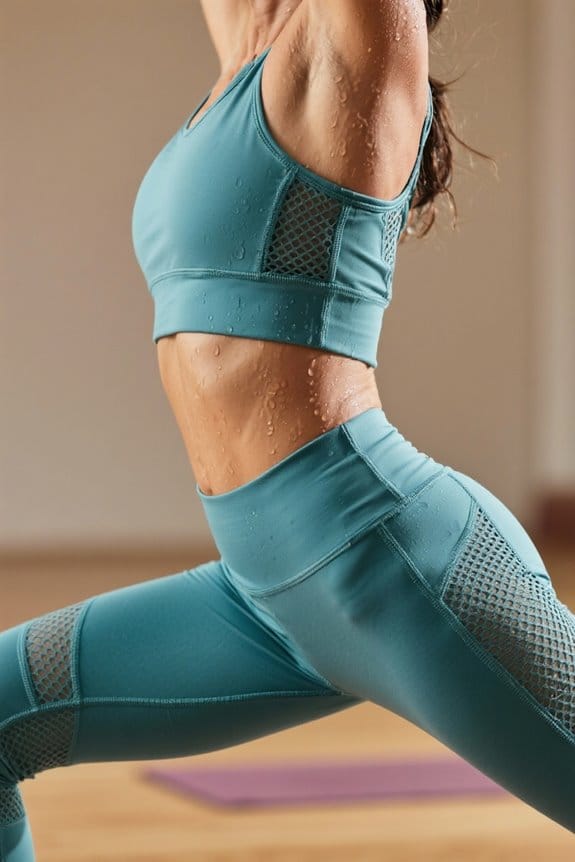
- Use garments with vents or mesh in sweaty zones to improve airing.
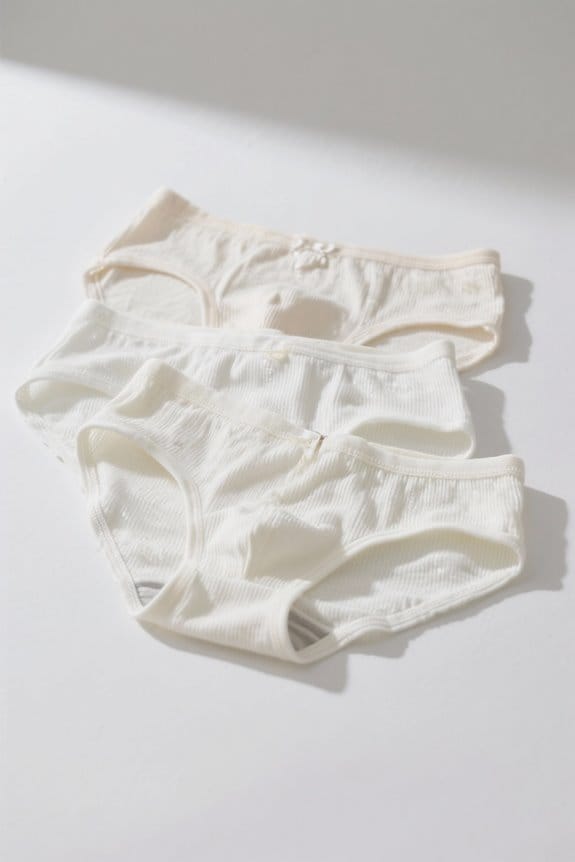
Consequences: Poor choice increases odor persistence, washing difficulty, and skin microbial risk. Simple swaps reduce odor, enhance comfort, and extend garment life. Choose fabrics deliberately today. Many absorbent underwear brands include features like odor guard technology to help maintain freshness.
Natural Fibers That Prevent Odors

When choosing fabrics for odor control, the reader should prioritize natural fibers that manage moisture, inhibit bacteria, and dry quickly, because those traits reduce smell and improve comfort.
Overview: Natural fibers offer natural antimicrobial action and are often breathable textiles, reducing odor buildup and skin irritation.
Key examples:
- Wool: lanolin, keratin, overlapping scales limit bacteria, absorbent, less odor than polyester or cotton.
- Bamboo: contains bamboo kun, highly breathable, absorbent, used in blends to boost odor resistance.
- Silk: smooth fibroin surface, hydrophobic protein prevents bacterial adhesion, sheds oils and odors during washing.
Treatments: Chitosan and plant enzymes enhance durability without synthetic chemicals, extending garment life and odor control.
Practical choice: prioritize blends with these fibers for activewear and everyday garments to reduce smell and moisture.
Consider garments made with moisture-wicking fabrics such as bamboo viscose blends for superior odor control.
Recommended Products

Superior Comfort With Bamboo Viscose Blend: Experience unmatched comfort with our Men's Flex Hoodie. This men's hoodie combines the softness of bamboo viscose with the durability of synthetic fibers, perfect for everyday wear and outdoor activities.

Versatile Wardrobe Essential - Our high-waisted flare leggings are more than just black maternity leggings; they are the ultimate building block for stylish outfits during pregnancy and beyond

Experience The Bamboo Viscose Difference: Enjoy natural performance benefits without compromising on comfort. Our fabric is crafted with the ultimate blend of bamboo viscose and polyester. It’s ultra-soft and breathable with quick-dry properties to keep you cool and dry.
Merino Wool: Performance, Odor Resistance, and Care
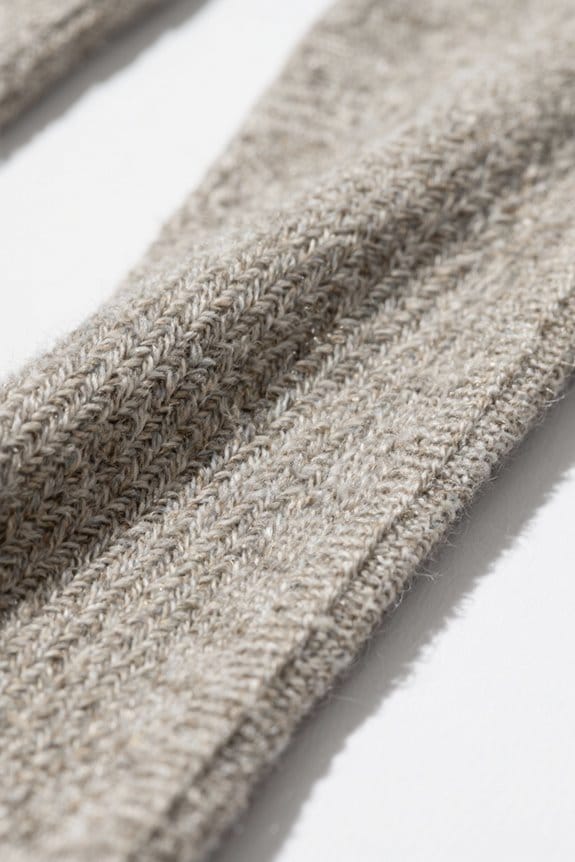
Merino-performance and care combine moisture management, natural antibacterial action, and gentle maintenance needs, giving the reader a practical fabric choice for active and travel use. Performance: Merino wool, with overlapping scales and high vapor absorption, wicks sweat, regulates microclimate, and prevents damp chill during cold exposure. Odor resistance: natural properties, lanolin and sulfur bonds reduce bacterial growth, trap odor molecules within protein structure, and release them during washing, lowering retained smells. Practical care: Wash gently, use mild detergent, rinse thoroughly, air dry completely before storage to avoid trapped bacteria and lanolin buildup. Benefits include multi-day wear for hiking or travel, fewer laundry cycles, and reduced packing. Consequences of poor care: persistent odors, reduced antimicrobial action, and shortened garment life. Follow care labels, they help. Many moisture-wicking garments also use blends like nylon, polyester and spandex to boost durability and stretch for active wear.
Recommended Products

MIDWEIGHT 100% MERINO WOOL base layer ideal for cold weather activities

Sustainably sourced

MIDWEIGHT 100% MERINO WOOL base layer ideal for cold weather activities
Bamboo Fabric and Its Antimicrobial Benefits
One clear advantage of bamboo fabric is its built‑in antimicrobial action, supplied by natural compounds that reduce microbial growth and limit odor at the source.
How it works: Bamboo contains bamboo kun, a natural bio-agent that disrupts microbial cells, producing antibacterial properties without synthetic treatments.
Evidence and performance:
- Inhibition rates reach up to 99.8%, considerably lowering odor-causing bacteria on textiles.
- Regenerated and enzymatically produced fibers show 70%+ bacteriostatic activity, useful for bedding and activewear.
Processing notes:
- Proper extraction preserves lignin and functional groups, enhancing efficacy.
- Mild processing and heat treatment can improve antimicrobial outcomes.
Practical consequence: Fabrics retaining bamboo kun reduce washing frequency and skin irritation risk, while untreated plant fibers lack comparable bacterial resistance. They are suitable for baby items and athletic gear.
Many consumers also appreciate the moisture-wicking properties that help regulate temperature and keep skin dry during activity.
Cotton, Linen, and Hemp: Breathable Everyday Options
Quick overview: Although hemp and linen share high breathability and natural antimicrobial traits, the three fibers differ in moisture handling, durability, and environmental impact.
Breathability: Hemp and linen offer high airflow and fast drying, reducing bacterial growth, while cotton breathes but holds moisture, increasing odor risk.
Durability and comfort: Hemp benefits include strong, long-lasting fibers that soften with wear; linen is strong but less durable, cotton is softer first, wears faster.
Care guidance: Wash cotton more often, dry thoroughly to limit smells; choose linen choices that balance texture and laundering needs.
Sustainability and skin health: Hemp requires less water and chemicals, is hypoallergenic and biodegradable, linen uses fewer resources than cotton, cotton demands most care.
Select blends for comfort, durability, and reduced washing frequency. Consider selecting blends that include moisture-wicking fabrics to manage sweat and reduce odor between washes.
Recommended Products

⛅[Comfortable Cloud Couch] Made of high-quality hemp velvet, the 4-seat couch is wear-resistant, wrinkle resistant, hard to deform, and as new as after long use. Built in pine frame for moderate softness and hardness, comfortable sitting, restoring natural relaxation

DURABLE AND TEXTURED WOVEN BACKREST: The walnut brown grid-woven rope back is built for everyday use — sturdy, weather-resistant, and designed to last. At the same time, its breezy, coastal-inspired texture brings effortless style to any space, indoors or in a covered outdoor area

⛅[Comfortable Cloud Couch] Made of high-quality hemp velvet, the 4-seat couch is wear-resistant, wrinkle resistant, hard to deform, and as new as after long use. Built in pine frame for moderate softness and hardness, comfortable sitting, restoring natural relaxation
Synthetic Fabrics and Common Odor Challenges
After comparing breathable natural fibers and their odor benefits, attention turns to how common synthetic fabrics behave, and what that means for smell control. Overview of issues: Synthetic fabrics show specific synthetic drawbacks that increase odor longevity, they trap oily sweat, reduce detergent action, and host different bacteria. Practical consequences: Polyester holds oils and bacteria, causing persistent stink after exercise; nylon and acrylic also retain odor, though nylon clears somewhat faster. What readers can do: Wash synthetics promptly with hot water when safe, use enzymatic detergents and extra rinse cycles, air garments fully before storage, and prefer blends only when treated for odor control. These steps reduce buildup, improve freshness, and limit malodor formation over time. Follow care labels and test treatments first always. Choosing fabrics with moisture-wicking properties helps reduce bacterial growth and odor by drawing sweat away from the body.
Blends and Performance Fabrics: Balancing Comfort and Durability
Although blends combine natural and synthetic fibers to improve function, they require careful selection to manage comfort, durability, and odor.
Selecting fabrics with high bamboo viscose content (e.g., 95% bamboo viscose) increases softness and breathability.
Overview: Blends use blend technologies to mix fibers, balancing moisture control, strength, and odor resistance for everyday and active garments.
- Wool-polyester blends with ≥20% wool reduce body odor versus polyester, offering durability and natural odor control.
- Bamboo-viscose and cotton-polyester blends improve softness, wick moisture, and lower odor accumulation.
Performance treatments: Nanotechnology and silver or zinc-based antimicrobials can provide durable odor control without losing comfort.
Sustainability: Choosing sustainable performance blends, with organic or biodegradable components and non-toxic finishes, reduces environmental impact and washing frequency.
– Consequences: poorly chosen blends trap moisture, promote bacteria, shorten garment life; testing, labels, and care extend usefulness.
Check product labels.
Recommended Products
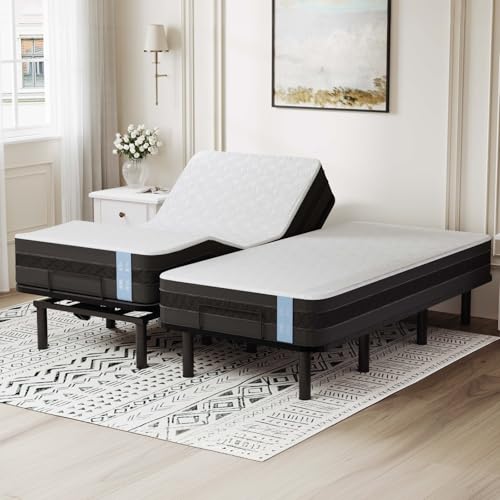
CUSTOMIZABLE COMFORT: Independent head incline from 0 to 60 degrees, foot incline from 0 to 45 degrees. Zero-gravity position to treat yourself with the feeling of weightlessness and release stress after a hard day's work. The intuitive wireless remote is responsive and allows you to quickly adjust functions just with a single tap.

Premium Gel Memory Foam Mattress: Certified by OEKO-TEX and CertiPUR-US, the FlexiSpot Gel Memory Foam Mattress combines advanced cooling technology with a breathable, multi-layer design for temperature regulation, and lasting comfort—backed by a 10-year warranty.

Customizable Comfort: Personalize your perfect sleep or lounge position. Adjust the head from 0–60° and the foot from 0–45° to ease pressure and support your favorite activities—reading, watching TV, or simply unwinding. All functions respond instantly to the intuitive wireless remote.
How Weave, Fiber Structure, and Breathability Affect Odor
Because fabric structure controls airflow and surface area, it determines how odors form, hold, and release over time.
Overview
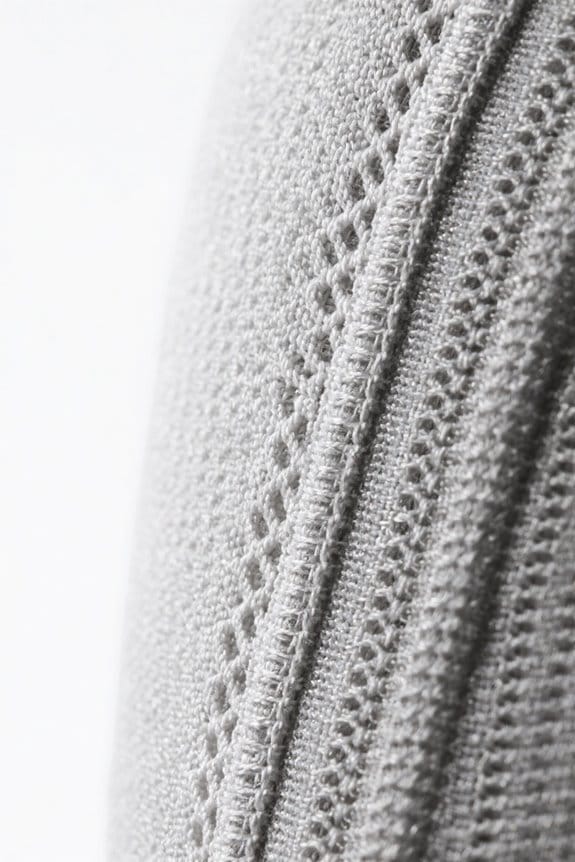
- Weave effects: Tight weaves and higher density trap volatile molecules, delaying release and increasing temporary odor retention.
- Fiber selections: Wool and cotton resist bacterial growth differently; wool repels microbes via cuticular scales, cotton adsorbs and holds fragrances longer, polyester allows buildup.
Breathability and consequences
- Breathability impact: Open structures allow faster air exchange, speeding odor release, while porous dense weaves retain scent longer.
- Practical advice: Choose natural fibers and balanced weave density to reduce long-term malodor and improve scent longevity.
- Tradeoffs: Denser fabrics may trap odors longer but limit immediate release, the reader must weigh long-term retention against quick airing practically.
Selecting fabrics with moisture-wicking properties and antimicrobial features helps reduce bacterial growth and maintain freshness throughout the day.
Moisture Management and Wicking for Odor Prevention
Moisture management, which follows fabric structure decisions, determines how long skin stays damp, and that directly affects bacterial growth and odor production.
Key function
– Fabrics that wick use capillary action or absorption, draw sweat from skin to surface, enable faster evaporation, lower moisture retention, and reduce bacterial colonization.
Material choices
- Synthetic fibers like polyester, nylon wick fast and dry quickly, lowering bacteria growth.
- Merino wool, bamboo wick by absorption, feel less damp, offer natural bacteriostatic action.
Practical outcomes
- Faster drying halves damp time, cuts bacterial counts, improving antibacterial effectiveness and reducing odor.
- Blends combine properties, give balanced wicking, breathability, durability, and allow recycled polyester options for sustainability, while proper washing prevents odor buildup and maintains performance.
The reader can select fabrics wisely.
Many nursing bralettes use soft stretchy blends like nylon and spandex for comfort.
Antimicrobial Treatments vs. Natural Alternatives
When choosing between antimicrobial treatments and natural fiber alternatives, the reader should weigh effectiveness, durability, environmental impact, and practical care needs.
Summary: Antimicrobial treatments use coatings or embedded agents to limit microbes, demonstrating strong antimicrobial effectiveness across multiple wears and washes. Natural fibers like hemp, linen, and indigo-dyed cotton exhibit inherent natural resistance, plus breathability and moisture wicking that reduce odor formation.
Considerations:
- Durability: chemical coatings often persist through ten or more cycles, natural fibers retain strength but may need gentler care.
- Environmental impact: synthetic agents lower microbial load, advanced chemistries reduce metal use, while natural options minimize added chemicals.
- Use cases: medical and athletic gear require treated textiles, everyday apparel benefits from natural fibers.
- Trade-offs: treated fabrics offer rapid odor control, natural fibers reduce chronic chemical exposure.
Choosing OEKO-TEX Standard 100 certified textiles can further reduce exposure to harmful substances and lower the risk of skin irritation.
Washing, Storage, and Care Practices to Maintain Odor Resistance
To maintain odor resistance, the reader should follow proper washing, drying, and storage practices that limit bacterial growth and preserve fiber function.
Washing guidance: Use cold or warm water, avoid hot cycles that damage wool or bamboo, select mild detergents, omit fabric softeners, add vinegar or baking soda as washing additives to neutralize odors, wash frequently but follow care labels.
Drying techniques: Air-dry in sunlight when possible to reduce microbes, use low heat or no heat for wool and bamboo blends, avoid over-drying synthetics which degrades fibers.
Storage and routine care: Store in ventilated, dry spaces, avoid plastic bags, guarantee complete dryness before storing, rotate clothing, use charcoal or baking soda sachets. The reader should spot-clean stains promptly to prevent trapped odors and residue.
Environmental and Health Factors in Fabric Selection
After following proper washing, drying, and storage practices, the reader should consider environmental and health factors when choosing fabrics for long-term odor control and overall safety. Key environmental trade-offs: Natural fibers like wool, cotton, linen, hemp and silk biodegrade, support sustainable textiles, and reduce microplastic pollution compared with polyester and acrylic. Health and chemical exposure: Synthetics can release irritant chemicals, cause skin reactions, and shed microplastics during washing, while organic fibers and plant-based dyes lower chemical risk. Practical guidance: Choose merino wool for odor resistance and less washing, select organic fibers when possible, prefer LENZING™ ECOVERO™ or hemp for lower water use, avoid acrylic and heavily dyed synthetics, and repair garments to extend lifespan and reduce environmental harm. Consider certifications and local manufacturing choices.
Frequently Asked Questions
Do Fabric Dyes or Finishes Change a Fabric’s Odor Retention?
Yes, dyes and finishes alter a fabric’s odor retention: dye properties can create binding sites or leave residues that trap odor molecules, while finish impacts (hydrophobicity or antimicrobial treatments) increase or reduce bacterial odor accumulation.
Can Fabrics Be Infused With Long-Lasting Pleasant Scents That Survive Multiple Washes?
Like a time-release capsule, fabrics can be infused with long-lasting fragrances too using encapsulation and fixatives; targeted fabric treatment and structural choices enhance scent longevity, often surviving multiple washes while balancing durability, safety, and biodegradability.
Which Fabrics Work Best for Pet Beds to Minimize Fur-Related Odors?
Microfiber, canvas and indoor/outdoor performance fabrics work best for pet beds to minimize fur-related odors; breathable materials and durable fibers repel hair, resist stains, allow easy cleaning, and reduce moisture and microbial buildup over time.
How Can I Test a Fabric’s Odor Resistance at Home Quickly?
They perform a quick smell test: wear or rub moist samples, incubate briefly in airtight bags, then do a direct smell test and record results for fabric comparison, repeating after washing to assess odor durability.
Are There Certifications or Standards for Verified Odor-Resistant Textiles?
Clearly concise: no widely recognized odor resistant certifications exist; manufacturers rely on textile standards (e.g., ISO 17299-3 gas chromatography) and internal testing to substantiate odor control claims rather than consumer-facing certification labels at present globally.