As an Amazon Associate, we earn from qualifying purchases. Some links on this site are affiliate links at no extra cost to you. Our recommendations are based on thorough research and editorial judgment.

Antimicrobial Fabrics: How They Work

Antimicrobial fabrics act by three main mechanisms. Contact agents: QACs and PHMB bind membranes, disrupt cells. Ion release: silver nanoparticles release Ag+ that damage proteins and DNA. Oxidizers: N‑halamines and triclosan oxidize or inhibit enzymes. • Non‑leaching finishes bind fibers for wash durability. • Combination biocides give synergy, but raise compatibility and resistance concerns. Tests (AATCC, ISO) measure log reductions and wash life. Details follow. See product labels, safety data, and certification results for specifics.
Key Takeaways
- Antimicrobial fabrics use chemical agents (QACs, PHMB, AgNPs, triclosan, N‑halamines) that disrupt cell membranes or oxidize microbial components.
- Non‑leaching finishes bind to fibers for long‑lasting, wash‑fast antimicrobial protection, while leaching types release biocides over time.
- Combining agents (e.g., AgNPs+PHMB or QACs+N‑halamines) can produce synergistic, faster microbial kill with lower individual doses.
- Efficacy and durability are measured by standardized tests (AATCC TM100, ISO 20743), reporting log10 reductions and post‑wash performance.
- Safety requires regulatory compliance, resistance‑management, ecotoxicity assessment, clear labeling, and consumer guidance for laundering and recharge.
How Quaternary Ammonium Compounds Inactivate Microbes
You may be interested



Because quaternary ammonium compounds carry a permanent positive charge, they bind to negatively charged microbial surfaces and destabilize cell membranes, causing leakage of contents and loss of viability.
Overview
– QAC structure controls membrane disruption and antimicrobial efficacy, chain length and charge density matter.
Mechanism
- Primary action is membrane disruption, leading to cytoplasmic leakage and rapid loss of viability.
- Dual action variants also inhibit intracellular targets, slowing growth when membranes are not fully breached.
Consequences
– Resistance mechanisms include efflux pumps, altered lipid composition, and biofilm protection, which reduce QAC potency.
Practical notes
- Selecting chain length and counter anion optimizes efficacy for bacteria or fungi, while modified scaffolds can lower toxicity and environmental persistence.
- Example: C14 for Gram-positive, C16 for Gram-negative optimizes killing and safety balance.
These compounds are often incorporated into fabrics with moisture-wicking properties to help reduce odor and bacterial growth.
Silver Nanoparticles and Ion Release Mechanisms
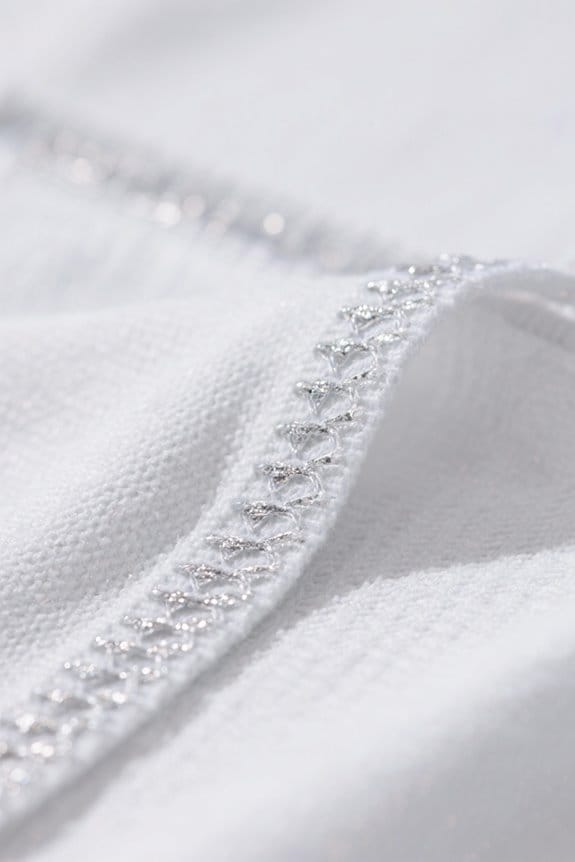
The release of silver ions from nanoparticles on fabrics drives most of their antimicrobial action, and it depends on several controllable factors.
Mechanism and Factors
- Smaller, high-surface AgNPs release ions faster, increasing silver ion release and rapid microbial disruption.
- Shape and charge alter penetration and activity; triangular and positive particles show stronger antimicrobial efficacy.
- Surface coatings, moisture and pH control rate, sustaining release and reducing human cell toxicity.
Practical implications
- Functionalized AgNPs resist aggregation, remain on fibers, and provide durable protection after many washes.
- Faster release gives quick kill, slower release prolongs protection; balance is needed for safety and longevity.
- Example: fabrics with >180 mg kg−1 Ag show >99.9% reduction, durable through 30 washes, implying effective long-term microbial control and preserved fabric performance too.
Relevant fabric technologies like moisture-wicking can influence silver ion release by altering fabric wetness and drying times.
Triclosan’s Modes of Antimicrobial Action
Although often marketed as a broad-spectrum antimicrobial, triclosan displays multiple, concentration-dependent modes of action that the reader should consider when evaluating fabric treatments.
Primary inhibition (low concentrations):
– Triclosan binds ENR (FabI), stabilizes an ENR–NAD+ complex, halting fatty acid synthesis, which stops growth, not kills.
Higher concentration effects:
– At higher levels triclosan damages membranes, disrupts ion transport, and causes bactericidal outcomes, effectiveness depends on CT (concentration×time).
Tolerance and resistance:
- Triclosan induces ppGpp tolerance induction by inhibiting SpoT hydrolase, increasing ppGpp, promoting antibiotic tolerance and biofilms.
- Triclosan resistance mechanisms include target mutation, efflux, overexpression, and enzymatic degradation, which can cross‑protect against antibiotics.
- Vertebrates lack ENR, so FabI inhibition is selective, but misuse risks resistance and reduced antibiotic effectiveness in clinical settings, choose products carefully and sparingly.
Moisture-wicking fabrics enhance comfort by keeping skin dry.
Polyhexamethylene Biguanide (PHMB) and Membrane Disruption
Understanding PHMB gives readers a clear view of how this cationic polymer targets and disrupts microbial membranes. Overview: PHMB mechanism centers on positive biguanide repeats binding negative phospholipid heads, increasing membrane rigidity and causing leakage of cell contents. Key points:
- Structure and action: polymer chain length (2–30 units) affects efficacy, resembling antimicrobial peptides, biguanide is active site.
- Membrane interaction: PHMB binds phosphate head groups, partially penetrates without forming rapid pores, disrupts integrity, leads to leakage.
- Selectivity and safety: membrane selectivity arises from higher negative charge on microbes, lower binding to mammalian membranes, reduced nuclear entry.
- Outcomes: bacteriostatic at low doses, bactericidal at higher doses, effective against bacteria and fungi. Laboratory studies show rapid killing below 10 μg/mL in many cases, but spores resist PHMB. Moisture-wicking materials like bamboo viscose enhance breathability and help reduce microbial growth by wicking moisture away from the skin.
N‑Halamines: Halogen-Based Mechanisms of Killing
After exploring PHMB’s membrane-focused action, the reader can compare a very different approach, one that uses bound halogen atoms to oxidize and inactivate microbes.
How N‑halamines work
– N‑halamine compounds carry halogen atoms bound to nitrogen, formed by grafting precursors then oxidizing, they transfer oxidative halogen to microbes.
Modes of action
- Contact sterilization, direct transfer of halogen to cell surfaces.
- Release sterilization, slow release of active halogen like hypochlorous acid that diffuses and inactivates enzymes.
Practical points
Many textiles incorporate moisture-wicking properties to enhance comfort alongside antimicrobial function.
- N halamine applications include healthcare textiles, water lines, and antimicrobial coatings.
- N halamine stability stems from covalent bonding, and activity can be regenerated by bleach, enabling repeated use.
- Broad spectrum efficacy covers Gram-positive, Gram-negative bacteria, fungi, and drug-resistant strains.
- Characterization uses FTIR, NMR, XPS and EDX methods regularly.
Application Methods: Sol‑Gel Coatings and Plasma Treatments
While combining sol-gel coatings and plasma treatments can extend antimicrobial performance, the reader should consider compatibility, process parameters, and durability from the start.
Sol-gel application: basics and tips
- The sol-gel process lets metal ions and nanoparticles, like Ag, Cu, TiO2, bond to fibers, applied by dip, spray, padding, or roll-to-roll, then cured to form a thin network.
- Control sol concentration, pH, temperature, and curing to avoid agglomeration, improve adhesion, and retain flexibility.
Plasma treatment: surface activation
- Cold plasma treatment increases surface energy, adds polar groups, and improves coating adhesion, without bulk change.
- Sequence matters, plasma before sol-gel boosts bonding, but parameters must match fabric type and downstream curing.
- Examples include silica-encapsulated Ag for UV stability, and combined Ag-Cu sols to widen antimicrobial spectrum effectiveness.
When applied to garments, the treatments must be compatible with existing moisture-wicking properties of underlayers to preserve comfort and performance.
Leaching Vs Non‑Leaching Finishes and Durability
Although both finish types aim to reduce microbes on textiles, they differ in how active agents work, and in durability, safety, and fabric effects.
Overview
- Leaching finishes release actives into the environment, creating zones of inhibition, offering rapid kill, cited as leaching advantages, but they lose potency with washing.
- Non-leaching finishes bind to fibers and remain fixed, providing sustained contact action and superior wash fastness.
Durability and Effects
- Non leaching disadvantages include potential changes to hand, stiffness, and altered fabric performance when heavy grafting or nanoparticles are used.
- Antimicrobial longevity favors non-leaching treatments, while leaching types decline.
Safety and Innovation
- Ecological safety and reduced resistance risk support non-leaching choices in textile innovation.
- Testing includes repeated washing and measuring zones of inhibition for durability assessment.
Many antimicrobial textiles are designed to remain effective while being machine washable to meet consumer care expectations.
Combination Biocides and Synergistic Performance
Many textile formulations combine multiple biocides, creating synergistic effects that improve kill rates, lower needed doses, and slow resistance development.
Overview
– Combining agents with different modes increases biocide synergy, boosts microbial inactivation, and reduces required concentrations.
Common pairs
– PHMB + QACs for broad spectrum, silver nanoparticles + PHMB for dual mechanisms, N‑halamines + QACs to disrupt electron transport and membranes.
Mechanisms
– One agent raises membrane permeability, allowing the second to penetrate, increasing kill rates and speed of action.
Benefits and risks
– Benefits: faster inactivation, lower toxicity, delayed resistance. Risks: formulation incompatibility, cost, regulatory limits.
Practical guidance
– Select complementary modes, verify synergy with assays, monitor for reduced selectivity and environmental impact.
Documentation of results and safety data is essential for product approval.
Many textile products also integrate moisture-wicking technologies to enhance wearer comfort alongside antimicrobial treatments.
Assessing Antimicrobial Efficacy and Laundry Longevity
The practitioner should begin testing with standardized, quantitative methods, such as AATCC TM100 or ISO 20743, to produce reproducible data on bacterial reduction and durability after laundering, and should pair these with qualitative screens for rapid comparisons when needed. Overview: Quantitative test methods measure log reduction, while qualitative screens like AATCC TM147 detect zones of inhibition. Key parameters: – Inoculum level, contact time, artificial soils, and controls must be defined. – Neutralizers stop activity for accurate counts. Laundry longevity: – Retest after specified wash cycles, commonly 5, 10, 20 or more, using same protocols. – Loss of activity implies finish loss or agent degradation. Reporting: – Use log10 reduction, triplicates, and compare to untreated controls, to meet efficacy standards and support claims. Document methods rigorously. Materials such as bamboo viscose often provide both breathability and inherent antimicrobial properties that help reduce odor.
Recommended Products

ALL NEW, NEXT GENERATION SHEET: This is the next generation GroundLuxe sheet! Now contains DOUBLE the silver fiber at 10%. Even softer and more luxurious than the previous generation sheet. Every fitted sheet now comes with an accessories kit including a cord, safety adaptor and outlet tester.
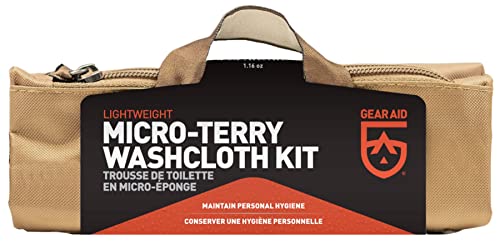
Stay fresh anywhere with a lightweight and compact washcloth kit that neatly fits into packs and ruck sacks for deployment and travel

Top Picks, One Kit: Features the bestselling colors from the Modin Signature 12" Sample Kit—curated to help you find your perfect floor faster. The kit contains cut samples of Dorset, Palka, Nakan, Kora, Kingswood and Jova Signature.
Managing Safety, Resistance, and Rechargeable Treatments
When managing antimicrobial textiles, the practitioner must balance safety, resistance prevention, and rechargeability, following regulatory, testing, and labeling requirements. Brands like Hanes and Fruit of the Loom use moisture-wicking fabrics to enhance comfort. Regulatory and testing:
- Follow EPA registration rules, provide active ingredient data, avoid claims that forfeit treated article exemption.
- Use AATCC 100, ISO 20743, ASTM E2149, and simulate washing to verify longevity.
Safety, resistance, recharge:
- Implement safety compliance, conduct human and ecotoxicological assessments, prevent silver buildup to reduce toxicity.
- Apply resistance management, limit broad claims, rotate modes of action, monitor efficacy over time.
- Design rechargeable treatments with clear labels, disposal guidance, and third-party certification, or face fines, recalls, and legal action.
- Maintain records of testing and consumer instructions, document recharging protocols, and provide examples of safe concentrations to support approvals, and track environmental release metrics regularly.
Frequently Asked Questions
Are Antimicrobial Treatments Safe for Babies and Sensitive Skin?
One study found 30% of parents choose antimicrobial fabrics. They can be safe for baby safety and sensitive skin if OEKO-TEX 100 certified, triclosan-free, and independently tested; nevertheless, caution, washing, and untreated alternatives are advised.
How Are Treated Textiles Disposed of or Recycled Responsibly?
They should undergo segregation, decontamination and chemical or enzymatic recycling pathways enabling textile recovery; hazardous finishes require neutralization or incineration with energy recovery if needed. Sustainable disposal prioritizes closed-loop recycling and regulated waste handling protocols.
Do Antimicrobial Finishes Affect Fabric Softness, Breathability, or Dye Colorfastness?
They can alter softness, breathability, and colorfastness: treatment effects vary by chemistry and application, with polymerized, non‑leaching finishes preserving fabric performance while leaching, thick, or high‑concentration treatments often reduce softness, air permeability, and dye stability.
What Are the Long-Term Environmental Impacts of Nanoparticle-Treated Fabrics?
Up to 70% of released silver precipitates in wash water, and nanoparticle-treated fabrics contribute persistent residues that, due to limited nanoparticle degradation and evolving environmental toxicity, accumulate in sludge, soils, sediments, and impair ecosystems long-term.
How Do Regulations and Labeling Requirements Vary Internationally for Antimicrobial Textiles?
Regulations vary: EU demands BPR authorization, stringent environmental assessment and specific labeling guidelines; the U.S. requires EPA/FDA registrations and restricted claims; international standards (ISO, AATCC, ASTM) harmonize testing but national labeling guidelines often differ markedly.