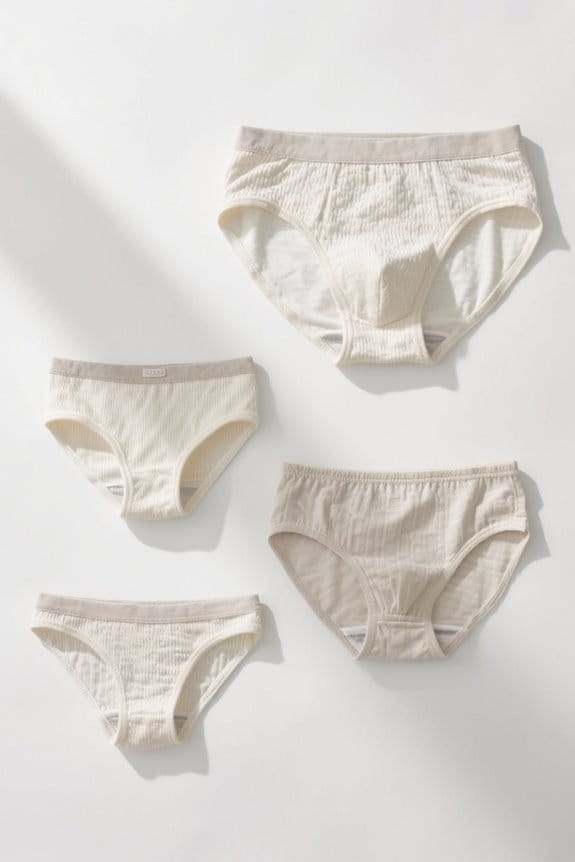
As an Amazon Associate, we earn from qualifying purchases. Some links on this site are affiliate links at no extra cost to you. Our recommendations are based on thorough research and editorial judgment.

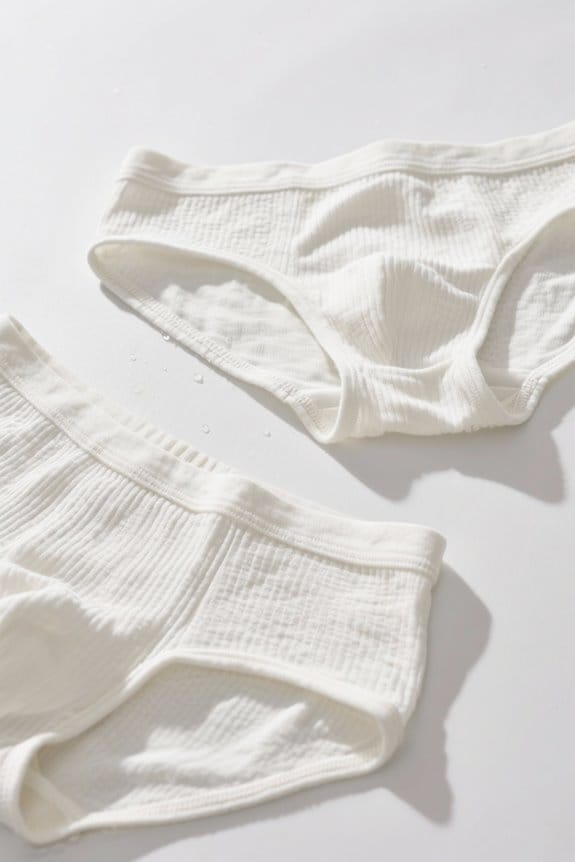
Underwear Choices for Hot Climates

The reader needs breathable, moisture-wicking underwear for hot climates, prioritizing natural fibers like bamboo and merino, or synthetic blends of nylon, polyester and spandex for quick-dry performance; Fabric: choose mesh panels and lightweight weaves to increase airflow and reduce chafing; Design: prefer boxer briefs or brief cuts with flat seams and tagless waists for secure fit; Care: wash often and choose quick-dry items to prevent odor and bacteria. More specifics follow in varied activity levels.
Key Takeaways
- Prioritize breathable, moisture-wicking fabrics like high-viscose bamboo, merino wool, or performance nylon/polyester blends to stay dry and cool.
- Choose blends with spandex for stretch and shape retention to prevent sagging and friction during activity.
- Look for mesh ventilation panels, flat seams, and tagless waists to maximize airflow and minimize chafing.
- Match style to activity: boxer briefs for thigh protection, briefs for secure support, and moisture-wicking synthetics for high-intensity use.
- Pack quick-dry, antibacterial pairs and plan frequent changes; launder and fully dry overnight to prevent odor and bacteria buildup.
Why Fabric Matters in Hot Climates
You may be interested


Although fabric choice may seem minor, it determines comfort, hygiene, and skin health in hot climates, so the reader should prioritize material properties when selecting underwear.
Key functions
- Breathability: promotes airflow, reduces dampness and chafing, lowers risk of infections, supports thermal regulation.
- Moisture management: wicks sweat to fabric surface for fast evaporation, quick-drying fabrics cut odor and bacterial growth.
- Antimicrobial and skin health: choose bamboo or MicroModal to inhibit bacteria, reduce irritation and odors.
Selection guidance
- Balance fabric durability with breathability, pick materials that withstand repeated washing without losing cooling function.
- Consider climate adaptation, weight, and stretch, test samples for fit and sustained comfort.
- Consequences: prolonged dampness causes rashes, persistent odor, and increased infection risk; poor choices hamper performance.
Test fabrics in similar conditions.
Blends with spandex provide stretch and shape retention.
Best Natural Fabrics for Staying Cool
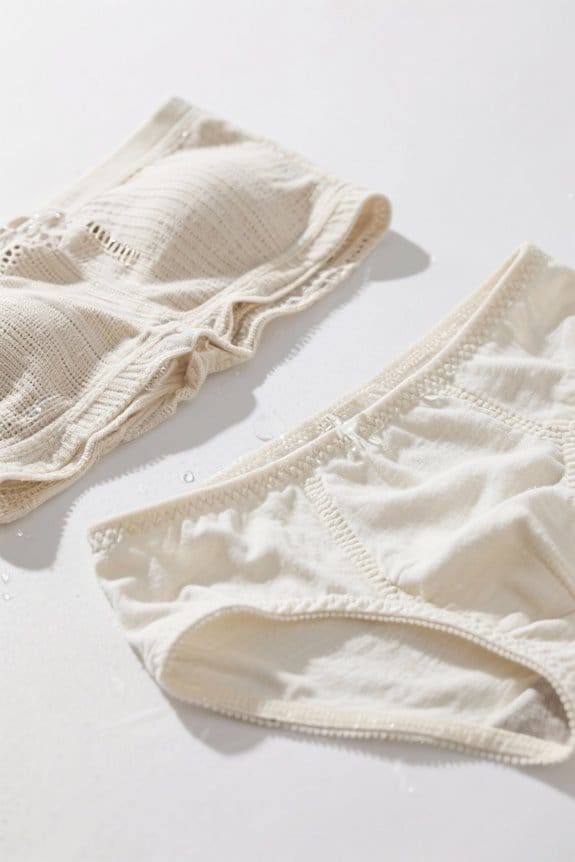
Because natural fibers combine breathability, moisture control, and skin-friendly properties, choosing the right material is the most important step for staying cool in hot climates.
Key natural options
- Bamboo: bamboo benefits include thermo-regulation, fast moisture-wicking, smooth fibers that reduce friction, and antibacterial properties that limit odor and irritation.
- Merino wool: wool advantages include temperature regulation, high moisture absorption without feeling wet, and natural biodegradability, useful for sustained comfort after activity.
- Cotton and silk: cotton allows airflow and softness but holds moisture longer; silk feels cool, is lightweight, and blends well with wool for added softness.
Practical guidance: prioritize bamboo for active, sweaty conditions, choose merino for varied temperatures, and prefer organic cotton or silk blends for everyday comfort. Match fabric blends to preference.
For best softness and breathability, look for bamboo fabrics with a high viscose content (e.g., 95% bamboo viscose).
Top Synthetic and Performance Fabrics
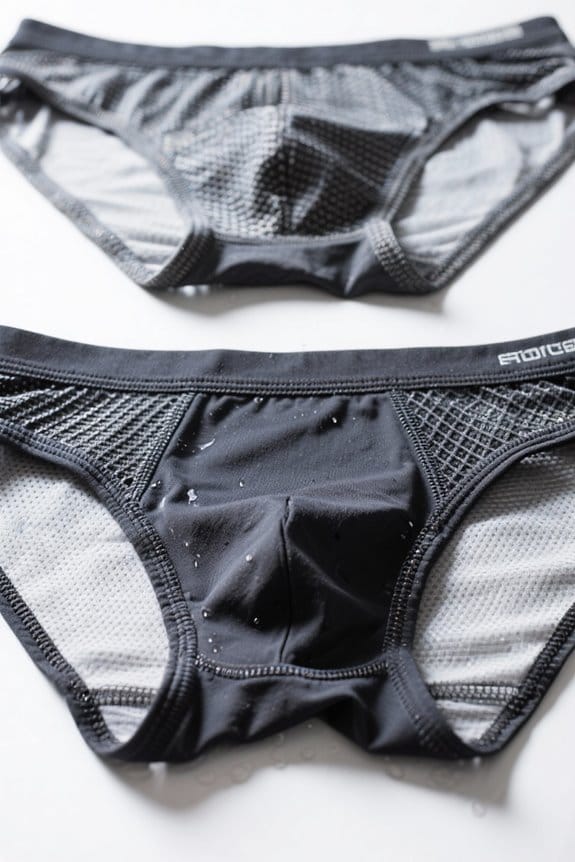
The wearer should consider synthetic and performance fabrics when choosing underwear that manages sweat, retains shape, and withstands frequent washing in hot climates. Overview: Nylon benefits include lightweight, quick-drying, and durable weave that resists sagging, ideal for frequent use. Polyester comparison highlights faster drying, good shape retention, and variable breathability that depends on knit. Practical guidance:
- Choose blends with spandex for stretch and shape memory, reducing chafing and fit issues.
- Prefer mesh nylon panels for added airflow, avoid tight knits that trap heat.
- Expect synthesized fibers to sometimes hold odor, wash regularly, use vented designs.
Consequences: Poor choices lead to discomfort, increased skin moisture, and faster garment wear, so prioritize breathability and durable construction. Select lightweight, tested blends, and check care labels before purchase. Also, look for fabrics with moisture-wicking technology such as Cool Comfort or Cool Dri to stay dry longer.
Moisture-Wicking Technologies Explained
Many wearers should understand how moisture-wicking systems move sweat away from the skin, improving comfort and reducing skin problems in hot climates.
How it works: Capillary action in engineered fibers draws sweat outward, using moisture transport mechanisms that spread liquid thinly, increasing surface area for evaporation.
Materials and treatments: Hydrophobic polyester, nylon, and treated cotton blends repel water, and coated fibers speed drying, reducing bacterial growth and chafing.
Performance traits: Fabric breathability enhancements include lightweight weaves, mesh zones, and yarn arrangement that promote airflow and quick-drying, maintaining thermal comfort.
Consequences of failure include damp spots, irritation, and odor.
Selection advice: choose fabrics with proven wicking claims, engineered yarns, and fast-dry tests for hot climate use.
Check lab reports, user reviews, and care instructions regularly.
Many base layer tops incorporate anti-odor technology to keep garments fresh during prolonged wear.
Style Choices That Maximize Breathability
Several styles balance airflow and coverage, offering options that suit activity level, fabric preference, and the demands of hot climates.
Recommended breathable cuts
- Lightweight briefs, high-rise briefs and boyshorts use thin fabrics, minimal seams, providing coverage while allowing airflow.
- Laser-cut edges and seamless designs reduce bulk, lower chafing, improve ventilation in key areas.
When to choose mesh styles
- Open-knit nylon mesh blends maximize airflow, dry fast, resist odor for athletic use.
- Cotton gussets in synthetic underwear add targeted absorption, preventing moisture buildup without blocking ventilation.
Consequences and fit notes: select ultralight open-knit materials to avoid heat trapping, confirm fit prevents riding, prefer quick-dry blends for travel.
Specific fabric choices determine cooling performance during outdoor exertion and sustained outdoor activity comfort.
Design Features That Improve Cooling and Comfort
Guidance: design features that improve cooling and comfort focus on fabric technology, airflow zones, structural fit, and surface finishes to reduce heat and moisture.
Fabric and finishes
– Use moisture-wicking, quick-dry blends and anti-microbial finishes, include breathable cotton or bamboo gussets to manage sweat and odor.
Airflow and structure
– Incorporate mesh ventilation panels, micro‑perforations, and thin layers to promote air exchange and lower skin temperature.
Fit and support
– Employ ergonomic designs such as semi-custom pouches, no-roll waistbands, and elastic zones to prevent bunching and reduce skin‑to‑skin contact.
Consequences are clear: poor design traps moisture, increases friction and bacteria, causing chafing and discomfort. Practical choice guidance: prioritize softness, stretch, and targeted ventilation for reliable, long‑wear comfort in hot climates. Choose blends with 90-95% cotton and 5-10% spandex for softness, breathability, and added stretch.
Care and Maintenance to Preserve Performance
Users should protect cooling and comfort features through careful care routines that preserve fabric function, fit, and finish. Choose moisture-wicking blends like Cool Comfort fabric to help preserve cooling performance. Practical maintenance strategies and care tips reduce wear, preserve wicking, and prevent shrinkage.
Washing: Use cool or warm water (30–40°C), gentle cycles, mesh bags for delicates. Avoid hot water, bleach, and fabric softener to prevent elasticity loss.
Drying: Air dry in shade, lay flat or hang for shape, use low dryer heat only if necessary, remove promptly to avoid over-drying.
Storage & Repair: Store folded in a cool, dry place away from sunlight, rotate garments, repair small holes and loose seams quickly.
Consequences: Overwashing, hot water, or softeners degrade performance and shorten garment life. Users should follow manufacturer labels for best results, especially with synthetic blends and promptly.
Choosing Underwear by Activity Level
When selecting underwear for different activity levels, the wearer should prioritize fabric, fit, and ventilation to match intensity and duration.
Low to Moderate Activity
– Choose breathable underwear materials like cotton hybrids, silk, or light Merino wool for casual heat, providing cooling, comfort, and easy air flow.
High Activity
– Prefer moisture-wicking synthetics, spandex blends, or Merino wool, for rapid drying, sweat management, and compression support to limit chafing and fatigue.
Style and Fit
– Boxer briefs reduce thigh chafe, briefs offer secure support, thongs dry fast but may discomfort on long hikes, seamless designs prevent irritation.
Design Features
– Look for mesh panels, flat seams, tagless waists, and UPF where needed, to improve activity compatibility and reduce skin issues. Test garments before use.
Look for moisture-wicking fabrics that pull sweat away from the skin to maintain dryness and reduce chafing.
Packing and Travel Tips for Hot Destinations
After choosing underwear by activity level, the traveler should plan packing quantities, fabrics, and storage to match heat, sweat, and laundry access.
Packing strategies
- Pack one pair per anticipated shower, add 2–5 backups, expect two or more changes per day in humid climates.
- For ten days, prepare about 20–22 pairs, adjust for activity, laundry options, and climate intensity.
Fabric and care
- Choose moisture-wicking, breathable, antibacterial fabrics, avoid dense foam or pure cotton that traps moisture.
- Use quick-dry, washable or disposable options for beaches, hand-wash at sinks, and dry overnight.
Organization
– Roll or bundle, use mesh laundry bags, keep a dirty bag and one fresh carry-on pair.
This method reduces odor, prevents infections, saves space, and guarantees a clean spare for flight delays and comfort. Choose quick-dry fabrics with proven moisture-wicking and breathability to reduce sweat and odor.
Frequently Asked Questions
Are Period Underwear Comfortable and Safe in Very Hot Climates?
Yes, users find period underwear comfortable and safe in very hot climates when made from breathable materials and moisture wicking fabrics; proper fit, regular changing, and washing maintain hygiene and reduce irritation or infection risk.
Can Certain Underwear Choices Increase Risk of Yeast or Fungal Infections?
Moisture-magnifying, mold-making materials do increase infection risk; one should choose breathable fabrics and practice hygiene for yeast infection prevention, while avoiding tight synthetics that trap heat and moisture and promote fungal growth, especially in summer.
Do Antimicrobial Fabric Treatments Cause Skin Sensitivities or Long-Term Effects?
Evidence indicates antimicrobial fabric treatments can cause skin irritation and disrupt the skin microbiome; perceived antimicrobial benefits may persist but can provoke allergic reactions, dryness, and long-term microbial imbalance in sensitive individuals over time particularly.
Can Underwear Color Affect Heat Absorption or Sun Exposure?
Absurdly, yes; one finds underwear color affects heat absorption and sun exposure: light hues reflect, dark hues absorb more heat. Color psychology influences choices, while fabric technology and fit often determine skin temperature and comfort.
How Often Should You Replace Underwear Used Daily in Hot, Sweaty Conditions?
Replace underwear used daily in hot, sweaty conditions every six to nine months, or sooner if wear, odor, or loss of elasticity appear; frequency recommendations advise swapping more often with heavy sweating and disposable options.