As an Amazon Associate, we earn from qualifying purchases. Some links on this site are affiliate links at no extra cost to you. Our recommendations are based on thorough research and editorial judgment.

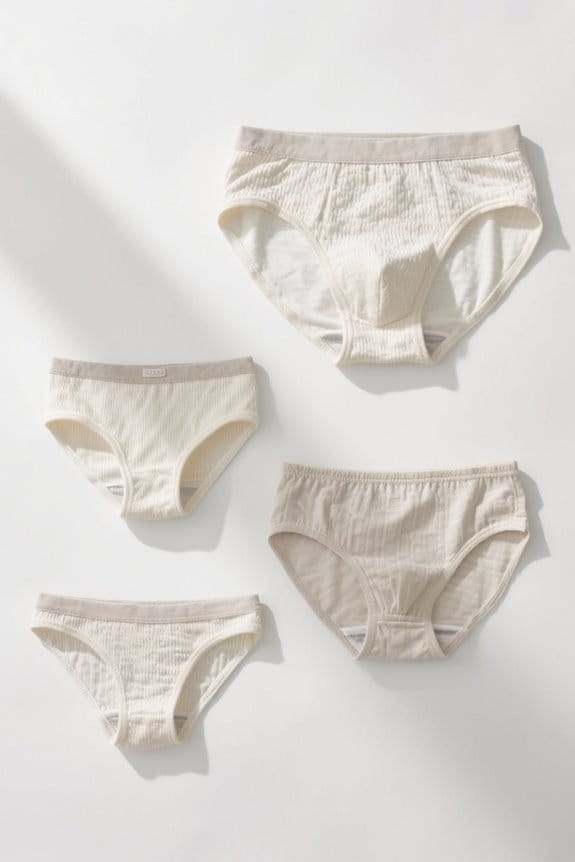
Senior-Friendly Underwear Design Features

Fabric and fit: Recommendations favor hypoallergenic, breathable fabrics like organic cotton or bamboo, flat seams, tagless labels, higher waists to prevent pressure and leaks; Absorbency: designs layer wicking fabric, an absorbent core holding 40–50 mL, and breathable outer shell to reduce rash risk; Fastening: specify magnetic or low‑force Velcro, side openings, and tear‑away panels for one‑handed dressing; Care: advise machine cold wash, avoid bleach, softeners, air dry. More specifics follow for design, use, and maintenance.
Key Takeaways
- Soft, hypoallergenic fabrics (organic cotton, silk blends, bamboo/modal) with tagless labels and flat seams reduce irritation for sensitive senior skin.
- Moisture-wicking layers plus an absorbent, breathable core prevent dampness, rashes, and odor while providing reliable incontinence protection.
- Easy closures—magnetic, low‑force Velcro, or tear‑away designs—enable one‑handed dressing and reduce caregiver effort and skin‑tear risk.
- Gender‑specific cuts and accurate sizing (waist, hip, bust) ensure comfortable fit, appropriate coverage, and targeted absorbency.
- Durable, machine‑friendly construction with clear care instructions (cold wash, no fabric softener, air dry) prolongs lifespan and hygiene.
Fabric Choices for Sensitive Skin
You may be interested


– Organic cotton: a breathable, hypoallergenic option that reduces allergic reactions and moisture buildup, for example GOTS-certified cotton used without dyes or chemical finishes; consequence — fewer rashes and longer-wearing comfort.
Overview
– The section summarizes sensitive fabrics and hypoallergenic choices, focusing on materials that reduce irritation for seniors.
Recommended fabrics
- Organic cotton: elastic-free designs, durable softness after washes, fewer pressure marks and contact dermatitis risks.
- Silk and blends: smooth fibers, low friction, thermoregulatory benefits for varying temperatures.
- Bamboo and modal: antimicrobial or soft cellulose-based options, gentle, resilient, and suitable for dermatitis-prone skin.
Design notes
- Tagless, flat seams, latex-free trims, and minimal chemical finishes reduce irritation and improve daily comfort.
- Durable construction preserves softness, extending garment life and reducing replacement frequency for caregivers and users alike.
Products with GOTS certification ensure adherence to organic growth standards and more sustainable production practices.
Moisture-Wicking and Breathable Materials
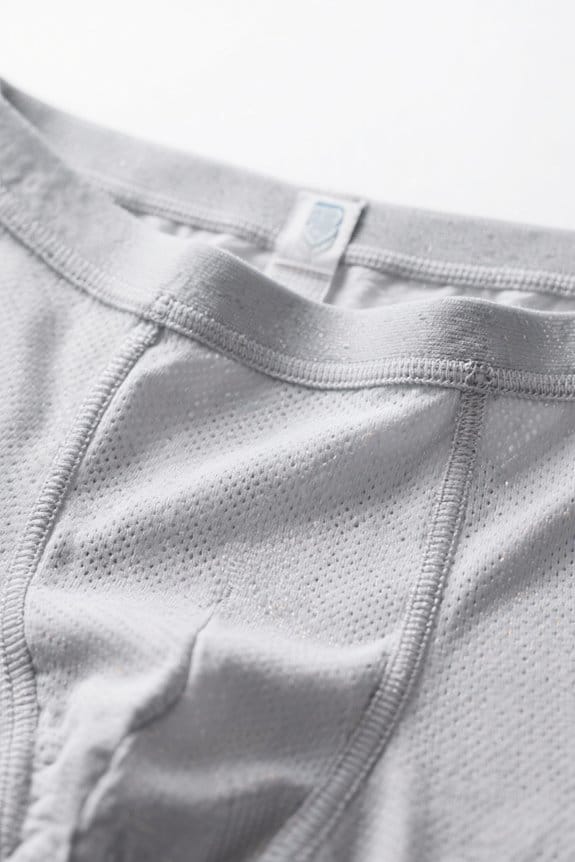
Moisture-wicking and breathable materials: this section explains how fabrics move moisture away from skin, allow airflow, and protect skin health for prolonged wearers.
How it works: Moisture-wicking layers draw sweat away, fast-drying fabrics reduce dampness, supporting moisture management and preventing rashes.
- Examples: ProCool CoolMax®, ProCool Dri-Qwick, Supima cotton blends, Dryshield™ and ConfioAir® for breathability.
- Layer design: Wicking layer, absorbent core, breathable waterproof outer barrier, work together to lock liquid and release vapor.
- Benefits: Reduced skin irritation, improved comfort, maintained microclimate, supports fabric longevity, and lowers infection risk.
Design notes: Include mesh panels, stretch contours, and breathable cores to enhance airflow and guarantee reliable daily wear. Choose blends that balance softness with quick-dry performance, and test wash cycles to confirm sustained performance for fabric longevity.
For seniors, high-waisted designs often provide extra coverage and support.
Antimicrobial Treatments and Odor Control

After establishing moisture management, antimicrobial treatments are applied to fabrics to control bacteria and odors during prolonged wear.
Overview
Antimicrobial agents such as silver chloride, copper, and bamboo-derived extracts are integrated during manufacture, offering proven antimicrobial effectiveness and lasting performance.
Practical Benefits
- Odor neutralization: treatments reduce bacterial metabolism, cutting unpleasant smells and washing frequency.
- Infection risk: fabrics can kill up to 99% of harmful bacteria, lowering irritation and complications.
- Durability: treatments remain effective through multiple washes, maintaining protection for seniors.
Safety and Selection
- Choose REACH-compliant, bluesign or Oeko-Tex accredited options, and consider non-silver alternatives for sensitive skin.
- Plant-based antimicrobial treatments, like natural dyes, provide chemical-free odor control and suit sensitive skin.
- Certified products, like Polygiene, undergo sensitivity testing, supporting safe wear.
- Reduced laundry burden.
Look for materials like bamboo viscose that combine breathability with inherent antimicrobial properties.
Elastic-Free and Gentle Waistband Designs
Comfort design for waistbands emphasizes pressure-free support, using soft stretch fabrics and cuts that stay in place without elastic bands, which reduces skin marks and irritation for seniors. Materials like bamboo viscose provide 20-30% more breathability than cotton, enhancing moisture management for sensitive skin. Design Principles:
- waistband innovation uses micro-modal and microfiber blends, offering gentle stretch and moisture management for sensitive skin.
- comfort enhancements include wide fold-over bands, contoured cuts, and lightweight compression that hold garments without elastic.
Benefits and Trade-offs:
- Eliminates red marks, chafing, and pressure ulcers, improving daily comfort and skin integrity.
- Requires accurate sizing, careful laundering, and may cost more due to advanced fabrics.
Practical Tips:
- Choose seamless construction and breathable polyamide blends, check care labels to preserve stretch and longevity.
- Test fit while sitting and standing, guarantee gentle hug without compression, replace when fabric loses recovery.
Closure and Fastening Options for Limited Mobility
When mobility or hand strength is limited, choosing the right closure can preserve independence, reduce caregiver work, and protect skin.
Magnetic Closures: magnetic benefits include easy alignment and strong hold, ideal for arthritis or dexterity issues, available in hybrid magnet-hook designs to prevent accidental release.
Velcro and Velcro Alternatives: soft hook-and-loop is low effort, gentle on fragile skin; alternatives include softer adhesive tapes and fabric tabs for less friction.
Snaps and Side Snaps: provide secure closure, require moderate finger strength, useful when seated or supine.
Tear-Away/Detachable Crotch: uses hook-and-loop for hygiene access without full removal, reduces transfers and exposes only needed areas.
Consequences: choosing wrong closures increases caregiver time, risks skin tears, and reduces user autonomy.
Have caregivers and users trial options together first.
Many adaptive underwear designs also use moisture-wicking fabrics to help maintain dryness and reduce skin irritation.
Pull-On and Adaptive Undergarment Styles
Consequences: easier routines, fewer transfers, reduced caregiver awkwardness, and improved safety during dressing.
Functional Elements – Slip-on footwear integration and internal non-slip grips support standing transfers, reduce fall risk, and simplify dressing for caregivers.
Designs prioritize dignity, autonomy, comfort. Many adaptive garments include tear-away designs and hook-and-loop closures to enable quick changes and preserve user dignity.
Incontinence Absorption and Leak-Proof Layers
Absorbency systems combine multiple materials and design elements to lock fluid away from skin, control odor, and reduce leakage during daily activities or overnight wear.
Core materials and function: Multi-layer cores use SAP, rapid wicking layers, and breathable fabrics to offer targeted absorbency levels and preserve skin health.
– SAP locks fluid, linear embossing spreads liquid to prevent bulky spots, odor control reduces embarrassment.
Barrier and fit: Soft antileak guards, contoured seams, and gentle elastics form secure seals, aiding leakage prevention for active or sleeping users.
– Reinforced edges and bariatric stretch panels accommodate size variation, tab closures assist caregivers with heavy incontinence.
Usage guidance: Choose capacity matched to duration, prefer disposable for prolonged protection, and change promptly to protect fragile skin and comfort.
Some brands, like EcoPeriod, provide higher-capacity options holding up to 40-50 mL to meet needs for heavier incontinence.
Seamless Construction and Wire-Free Support
After selecting appropriate absorbent cores and leak barriers, attention shifts to seamless construction and wire-free support, features that reduce friction and pressure for seniors with fragile skin.
Seamless benefits
- Eliminates side seams, reducing friction and irritation that often cause redness, especially on sensitive or thinning skin.
- Tubular knit adapts to body shape, also provides a smooth second-skin fit, prevents bulky seam ridges and pressure points.
- Breathable mesh zones and moisture-wicking fibers promote airflow, reduce sweating, and lower risk of rashes.
Many seamless designs use nylon/spandex blends for stretch and breathability.
Wire free comfort
- Removes underwires, preventing indentations and bruising, while elastic nylon/spandex blends provide gentle containment.
- Enhances circulation, reduces chafing, and extends wear time, improving skin health and daily comfort.
Durable construction aids repeated wash and wear for caregivers.
Accessibility Features for Easier Dressing
Several practical accessibility features make dressing easier for seniors, reducing strain, preserving dignity, and improving independent use or caregiver assistance.
Core options: magnetic fasteners, Velcro, non-metallic snaps, and easy-touch closures replace buttons and zippers, enabling quicker fastening with less finger strength.
Opening strategies: Side-opening pants, back-opening tops, and front closures limit twisting and allow seated dressing, facilitating caregiver tasks and self-care.
One handed designs: Front magnetic snaps, elastic waistbands, and pull-on styles support dressing with limited arm function, reducing time and risk of falls.
Incontinence and medical access: Side flaps, waterproof panels, and discreet pad pockets allow hygiene care without full undressing.
Consequences: These choices reduce caregiver strain, preserve skin integrity, and improve autonomy, while adaptable fit supports comfort and device access and movement safety. Incorporating seamless construction and breathable fabrics can further improve comfort and reduce irritation.
Gender-Specific Cuts and Proper Sizing
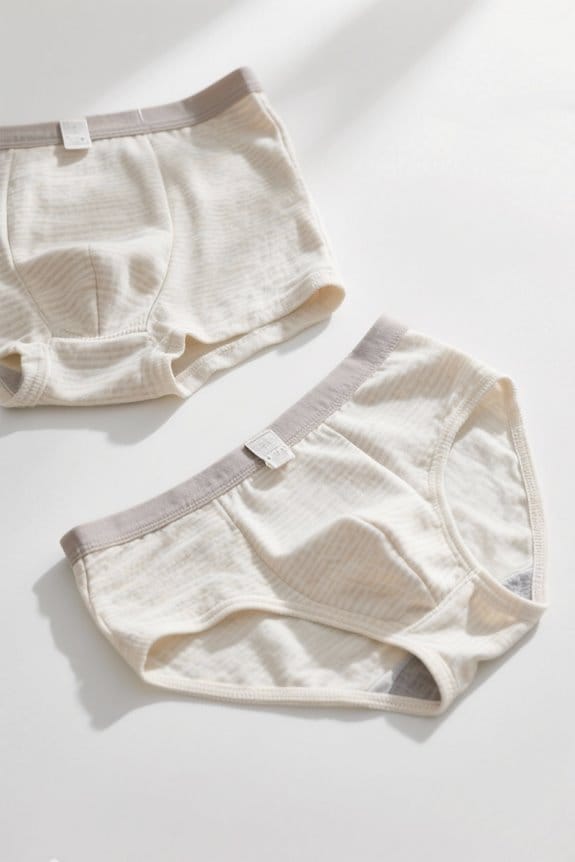
Proper cuts and sizing build on accessibility choices by matching shape, closure, and material to a senior’s body, mobility, and care needs, so garments fit and function together. Overview: Clear gender specific features guide selection, addressing anatomical differences and practical needs with tailored support and coverage. Female cuts: – Higher waists, fuller coverage, front-closure or racerback bras for ease, breathable fabrics, discreet absorbent layers to reduce leaks. Male cuts: – Contoured pouches, adjustable waistbands, breathable mesh, front-focused absorbency for male leakage, reduced elastics to prevent irritation. Sizing guidelines: – Use waist, hip, and bust measurements, consult senior-specific size charts, choose adjustable bands and stretch fabrics. Consequences of poor fit include skin irritation, pressure points, and increased leakage risk. Recommendations improve dignity and daily comfort. Choosing breathable fabrics like cotton blends improves comfort and helps manage moisture for seniors.
Style, Modesty, and Aesthetic Considerations
How should style, modesty, and aesthetics be balanced in senior underwear to support dignity, comfort, and practical needs throughout daily wear? Key style principles: The designer or purchaser should favor simple, classic cuts that avoid complex fasteners, use wire-free construction, and rely on breathable, stretchy fabrics for movement and temperature control.
Style and Fit:
– Prioritize full coverage, seamless silhouettes, soft-elastic or elastic-free waistbands, modest colors, and discreet patterns.
Practical Features:
– Integrate absorbent layers, ventilation zones, and antimicrobial finishes without visible bulk, preserving modesty.
Adaptation and Sensory:
– Offer adjustable straps, front openings, and natural fibers to reduce irritation.
Designers should follow current aesthetic trends, while testing design innovations for usability, durability, and unobtrusive appearance. Evaluation includes fit trials, caregiver feedback, and simple laundering checks regularly.
Care, Washing, and Longevity for Reusable Pieces
– Machine wash in cold to lukewarm water, keeping temperature below 40°C/105°F to protect fabrics and waterproof coatings. Proper care preserves wearing comfort and extends usable life.
Preparation
– Rinse solids and urine promptly, turn garments inside out, cold soak within 24 hours for blood stains.
Washing
– Use delicate cycle, standard duration around one hour, avoid quick or eco cycles, do not use bleach, fabric softener, antibacterial sprays, or strong fragrances.
Drying
– Air dry inside out, avoid tumble dryers, radiators, direct sun, and hot surfaces.
Longevity and maintenance tips
- Follow manufacturer guidance, strip buildup if needed, accept normal wear, replace when PUL delaminates.
- Hand wash option exists for gentler care, avoid wringing, press excess water, hang to dry promptly, preventing mildew.
Frequently Asked Questions
Does Medicare or Insurance Cover Incontinence Underwear?
Medicare generally does not cover incontinence underwear. Original Medicare treats incontinence products as personal hygiene; Part B covers DME but not absorbent garments. Coverage eligibility may exist through Medicaid, Medicare Advantage, VA, or assistance programs.
Are There Specialized Underwear Options for Catheter or Ostomy Compatibility?
Yes, specialized underwear exists for catheter or ostomy compatibility, providing catheter accessibility and ostomy comfort through discreet pouches, secure tubing channels, drain access, breathable fabrics, size inclusivity, and easy maintenance for daily use and durability.
How Should I Size for Weight Fluctuations or Swelling?
By Dickensian candlelight, they should size using the largest waist or hip weight measurement and allow fit adjustments via stretch panels, multiple tabs, and periodic re-measurement to accommodate swelling while ensuring comfort, breathability and protection
What Is the Environmental Impact of Disposable Vs Reusable Options?
Reusable options have much lower environmental impact than disposables: far less landfill waste, emissions, and resource use. Disposables create long‑lasting plastic pollution; reusables benefit from eco friendly materials and recycling options when available over time.
Can Undergarments Be Custom-Made for Unique Medical Needs?
Necessity is the mother of invention. Undergarments can be custom-made for unique medical needs, combining custom fabric choices, fittings, and mobility considerations with prosthetic or wound access, prototyping, and strict hygiene to guarantee safety, comfort