As an Amazon Associate, we earn from qualifying purchases. Some links on this site are affiliate links at no extra cost to you. Our recommendations are based on thorough research and editorial judgment.

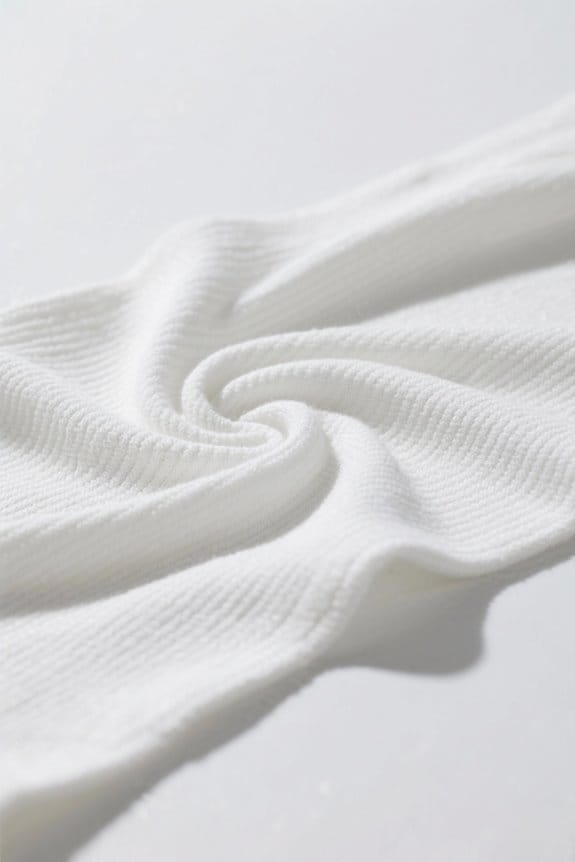
Understanding Four-Way Stretch Technology

Definition: Four-way stretch fabric stretches and recovers along both warp and weft, allowing multidirectional motion and even compression. Construction: It uses spandex/Lycra blended with polyester or nylon, knit or engineered weave, often 3–20% elastic fiber for targeted support. Benefits: Better fit, reduced seam strain, injury prevention, moisture control, and durability when cared for properly. Care: Cold wash, no softener, air dry preserves recovery. More specifics follow for material choices and tests in later sections soon.
Key Takeaways
- Four-way stretch fabric stretches and recovers in both warp and weft directions, enabling full multidirectional mobility.
- Typical constructions blend polyester or nylon with 3–20% spandex/Lycra for durable, elastic recovery and targeted compression.
- Circular and weft-knitting techniques with controlled loop density and elastic yarn grids produce uniform stretch and seamless fit.
- Benefits include enhanced comfort, reduced muscle fatigue, better fit retention, and injury prevention in dynamic sports and active wear.
- Preserve recovery and longevity by washing cold, avoiding fabric softeners and heat, and air-drying garments flat or hung.
What Four-Way Stretch Means in Textiles
You may be interested


Definition: Four-way stretch fabric stretches and recovers in all four directions, allowing movement horizontally and vertically, and returning to its original shape. It means omnidirectional elasticity, which supports complex motion, and differs from one- or two-way stretch fabrics. Practical implications, material choices, and user needs guide applications development and design decisions.
Key properties
- Omnidirectional movement: stretches along warp and weft, enables seamless body motion during sports and travel.
- Material blends: polyester or nylon bases with spandex provide lightweight, breathable, elastic recovery.
User impacts
- Consumer preferences favor comfort, durability, and fit, leading to body-hugging garments for climbing, running, or long flights.
- Consequences include improved range of motion, longer garment life, and integration potential for sensors.
Manufacturers must test stretch, recovery, and durability under repeated use. Many activewear brands combine four-way stretch with moisture-wicking technology to enhance comfort during exercise.
How Four-Way Stretch Fabric Is Constructed
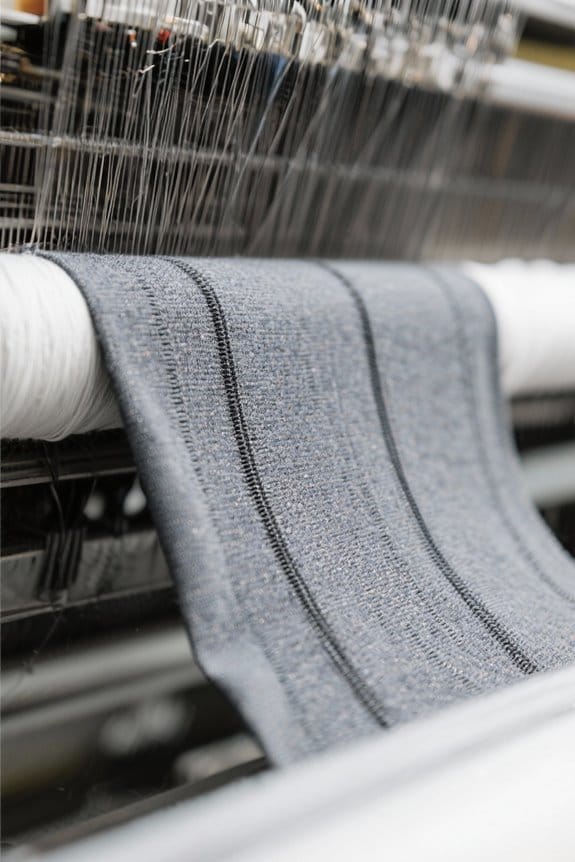
Construction of four-way stretch fabric combines precise yarn choices, spandex integration, and controlled finishing steps to create omnidirectional elasticity and reliable recovery.
Yarn and spandex integration: Spandex may be twisted with base yarn, wrapped in single or double layers, and fed with controlled lengths to set elasticity levels, typically around 3% spandex in blends.
Directional control: Warp and weft elasticity are engineered simultaneously, altering crossgrain or lengthwise dominance to form specific stretch patterns for garments.
Process control and outcomes: Elongation is managed during finishing, crimp and texture are applied, and recovery durability is assured through spandex bonds, preventing deformation in high‑stress areas.
Practical note: Fabric types must match intended stretch and recovery performance.
Testing protocols confirm elasticity, longevity, and wearer comfort under repeated use.
Many options combine fabrics such as polyester and spandex to balance comfort, breathability, and flexibility.
Key Fibers Used: Polyester, Nylon, Spandex, and Lycra
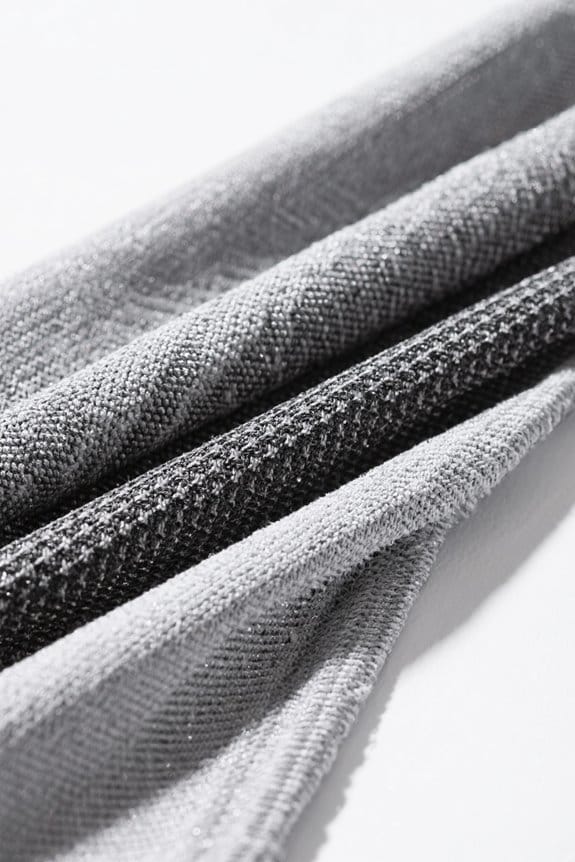
The section outlines the primary fibers used in four-way stretch fabrics, their typical blends, and the practical consequences for fit, durability, and end-use. Four-way stretch compositions rely on polyester or nylon bases, with spandex or Lycra delivering elasticity, and cotton blends or laminates offering specialty textures and functions. Key points for the reader include fiber properties and blend ratios, performance examples, and end-use guidance.
Primary fibers
- Polyester: common base, often 80% polyester/20% spandex, durable, resists repeated stretch.
- Nylon: alternate base, typically 80/20 nylon/spandex, softer, moisture-wicking.
Elastic component
– Spandex/Lycra: 15–20% of blend ratios, enables multidirectional recovery, used in swimwear, medical gear.
Cotton blends and laminates
– Add breathability, comfort, or specialty finishes.
Choose higher spandex for fit, polyester bases for durability, nylon for comfort and wicking. Many absorbent garments also feature 6-layer protection for added reliability in heavy-use situations.
Knit and Weave Techniques That Enable Multidirectional Stretch
Knit and weave methods explain how fabrics gain reliable stretch in multiple directions, showing practical choices, trade-offs, and expected performance.
Knit foundations
- Circular knitting forms seamless tubes, creating loops that stretch circumferentially and along length, useful for fitted garments.
- Weft knitting uses back-and-forth loop formation, permitting pattern variation to tune stretch, recovery, and hand.
Design variables
- Loop size, knit density, and stitch structure determine multidirectional give and stability, larger loops increase stretch but reduce shape retention.
- Elastic yarn placement in crisscross grids adds diagonal resiliency, resisting bagging and improving durability.
Machine programming controls stitch structure, enabling predictable four-way behavior for targeted applications.
– Trade-offs include uniform elasticity versus directional control, looser knits favor comfort, tighter patterns favor shape and longevity.
Examples inform selection decisions practically.
Many compression garments also combine knit techniques with moisture-wicking fabrics like polyester-spandex blends to enhance comfort and performance.
Stretch Capacity: Measuring Elasticity and Recovery
Stretch capacity determines how far a fabric can safely stretch, how well it returns, and what limits designers and manufacturers must respect. Four-way stretch is measured by standard stretch testing, using controlled tensile cycles to record elongation, elastic recovery, and strength. Practical guidance:
Definitions and metrics: stretch percentage is (stretched ÷ original)-1, reported as 60% for a 1.6× increase, elasticity definitions include elastic modulus, recovery percentage, and residual elongation.
Testing protocol: follow ASTM D2594 or BS EN 14704-1, test warp, weft, and bias angles, record maximum elongation and tensile strength.
Implications: poor recovery causes growth and bagging, high recovery preserves fit. Blends and yarn twist should be chosen to match performance, considering fiber mix and use.
Materials like bamboo viscose can enhance breathability, offering 20–30% greater air flow than cotton, which can affect wearer comfort and moisture management in stretch garments.
Performance Benefits for Athletic and Activewear
Many readers will recognize that four-way stretch fabrics offer clear, measurable benefits for athletic and activewear, combining mobility, support, and long-term performance.
Mobility and Agility
– Allows unrestricted movement horizontally and vertically, enabling deeper stretches and more powerful movements, which aids performance enhancement.
Support and Recovery
– Provides uniform compression and targeted support, maintains pressure during motion, reduces muscle fatigue, and assists recovery.
Durability and Fit
– Distributes tension evenly, resists deformation after repeated use and washing, and conforms to body contours to eliminate bunching.
Practical outcomes
- Reduced resistance improves stamina, and better joint support contributes to injury prevention during high-impact or multidirectional sports.
- Designers can combine fabric density and seam placement to target support zones, improving fit and specific muscle stabilization during activity, and prolong lifespan.
Manufacturers often incorporate moisture-wicking materials to help keep wearers dry during activity.
Breathability, Moisture Management, and Comfort Features
Three core areas determine comfort in four-way stretch fabrics: breathability, moisture management, and physical fit, each affecting performance and skin health.
Breathability: Polyester-cotton blends and knit structures allow airflow, reduce heat build-up, and prevent skin irritation during long wear.
Moisture-management: Wicking fibers, low-friction surfaces, and quick-dry polyester-spandex blends move sweat away, limit bacterial growth, and reduce cling.
Fit-and-comfort: Four-way elasticity conforms like a second skin, reduces chafing, and supports movement without pressure points.
Practical-choices: Balance fabric versatility by choosing cotton-spandex for tactile softness or polyester-spandex for faster drying, per activity needs.
User-experience-note: Proper construction and fiber mix deliver consistent ventilation, faster drying, and sustained comfort in active or medical settings.
Consequences: Poor breathability or wicking leads to overheating, odor, skin irritation, and reduced performance.
Durability and Long-Term Shape Retention
A focus on recovery and construction helps one assess durability and long-term shape retention in four-way stretch garments, guiding material choices and care practices for sustained performance. Key metrics: elasticity testing, recovery percentage, and fabric lifespan, inform selection of spandex blends and woven versus knit constructions. Practical guidance:
- Choose polyester-spandex or nylon-spandex blends for higher durability, they resist abrasion and sagging in high-stress zones.
- Prefer woven constructions when snag-resistance and longer lifespan matter, knits offer comfort and adequate recovery with proper care.
- Wash gently, avoid heat, air dry when possible, these practices slow loss of elastic recovery and preserve fit.
Consequences of poor recovery include bagging, seam strain, and shortened fabric lifespan. Regular elasticity testing predicts performance decline over time accurately. Moisture-wicking technologies like Moisture-wicking technologies help maintain dryness during intense activities.
Practical Applications Across Sports and Everyday Wear
Because four-way stretch fabrics move in both warp and weft, the reader can choose garments that match sport demands and daily comfort.
Sports Applications:
– Enables CrossFit, gymnastics, martial arts, soccer movements, allows jumps, twists, lunges, squats without fabric resistance, improving agility and shape retention.
Everyday Wear:
– Conforms to body shapes for leggings, dresses, swimwear, supports long wear, breathability, moisture control, wrinkle recovery, and fashion versatility for varied looks.
Specialized Uses:
– Compression, cycling, swim and workwear gain support, durability, chemical and abrasion resistance, useful for intense or industrial tasks.
Consequences: better performance, prolonged garment life, reduced fit loss.
Recommendations: select blends with spandex or elastane and verify stretch recovery and moisture-wicking specs.
Reader should prioritize tested garments labeled for active lifestyle and measured recovery specs.
Many top underwear options also feature moisture-wicking fabrics to keep wearers dry during activity.
Comparing Four-Way Stretch With One- and Two-Way Stretch
Although many fabrics claim stretch, the reader should learn how one-, two- and four-way stretch differ in performance, recovery, and typical uses, since direction affects comfort, fit, and durability.
Performance and Movement:
- Four-way stretch permits multidirectional motion, ideal for bending, twisting, dynamic sports and close-fitting garments.
- two way stretch, or one-directional fabrics, allow limited movement along a single axis, suitable for casual wear and simpler designs.
Recovery and Durability:
- Four-way blends with elastane or spandex generally recover well, resisting sagging and preserving shape.
- one way stretch constructions may not snap back reliably, causing long-term fit loss.
Selection Guide:
– Choose four-way for activewear, compression, swimwear; choose two way stretch for dresses, skirts, denim, where modest give suffices.
Consider activity level, fit goals, and fabric composition.
Many bodysuits use blends like nylon and spandex to achieve four-way stretch, softness, and recovery.
Care, Maintenance, and Best Practices for Longevity
When caring for four-way stretch fabrics, the reader should follow straightforward routines that protect elasticity, maintain fit, and extend garment life, because small mistakes compound into major damage over time.
*Pre-wash and wash*: Pre-wash before cutting, use cold water, turn garments inside out, hand wash or gentle cycle in mesh bags, avoid softeners and bleach; these care tips preserve stretch and color.
*Stain and odor*: Treat stains promptly with mild detergent paste, gentle brushing and thorough rinse, use bicarbonate for odors, seek professional dry cleaning for heavy oil stains.
*Drying and storage*: Air dry flat or hang away from sun, avoid tumble drying and wringing, smooth wrinkles, fold or hang.
*Sewing and handling*: Use stretch needles and zig-zag stitches, pin lightly, trim seams, maintenance techniques.
Frequently Asked Questions
Are Four-Way Stretch Fabrics Recyclable or Made From Recycled Materials?
They can be partially recyclable and sometimes contain recycled inputs; fabric sustainability relies on emerging recycling processes, especially chemical methods to separate elastane, while mechanical recycling yields lower-value applications and recycled elastane remains still limited.
How Does Four-Way Stretch Affect Tailoring and Alteration Options?
Like a rubber band woven into cloth, four-way stretch limits tailoring: it preserves fabric fit but reduces tailoring flexibility—alterations risk seam distortion, compromised elasticity, and often require specialist techniques, needles, and cautious seam placement, carefully.
Do Four-Way Stretch Fabrics Cause Skin Allergies or Chemical Sensitivities?
Yes, four-way stretch fabrics can cause skin reactions and chemical exposure risks, especially from dyes, resins, antimicrobials and elastic additives; individuals with eczema or prolonged contact face higher risk, testing and natural alternatives are advised.
Can Four-Way Stretch Fabrics Be Used in High-Heat or Flame-Resistant Applications?
Like a steel mesh warmed by sun, it can be used in high-heat or flame-resistant applications when engineered accordingly; polyester-based blends provide heat resistance and, with FR treatments or inherently flame-retardant fibers, deliver flame retardancy.
How Do Production Costs Compare to Conventional Non-Stretch Fabrics?
Production costs for four-way stretch fabrics are considerably higher than conventional non-stretch fabrics; production factors like specialized fibers, complex processes and R&D mean cost analysis shows two to four times costs and increased labor expenses.