As an Amazon Associate, we earn from qualifying purchases. Some links on this site are affiliate links at no extra cost to you. Our recommendations are based on thorough research and editorial judgment.

Understanding Different Waistband Styles

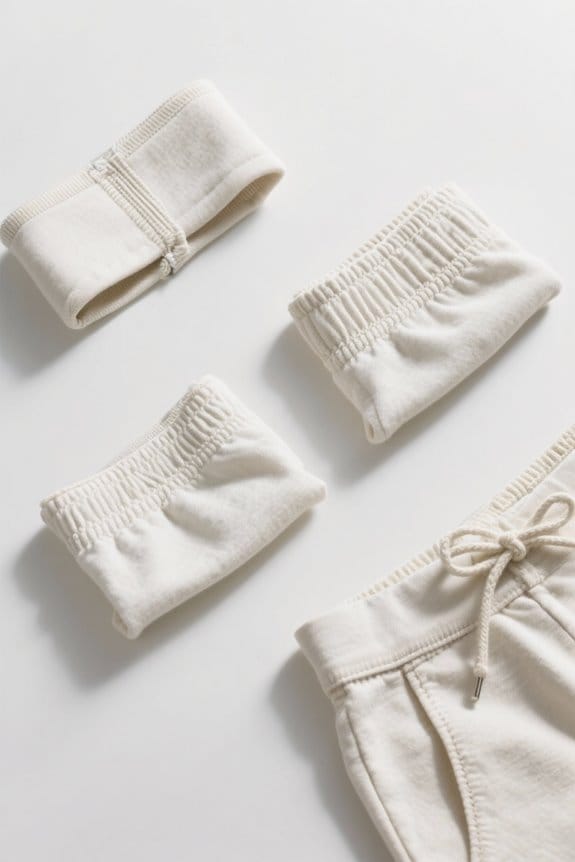
Faced Waistbands: Provide a smooth, low‑bulk finish for lightweight fabrics, ideal for dresses and tailored skirts; Fold‑Down Waistbands: Create elastic casings for casual wear, comfortable and adjustable for yoga or lounge; Contoured Waistbands: Follow body curves to prevent gaping, use interfacing or stay tape for stability; Straight Bands: Offer structured, low‑bulk rectangles for trousers. The reader should expect fit, fabric, and closure choices to affect comfort and durability, and further specifics follow in later sections.
Key Takeaways
- Waistbands range from faced and straight bands to fold-down, contoured, and elastic/drawstring styles, each suited to specific fabrics and silhouettes.
- Fabric choice and interfacing determine waistband stability, bulk, and longevity; lightweight fabrics need facings, heavier ones benefit from interfacing.
- Contoured and shaped waistbands follow body curves to prevent gaping and improve fit, especially for high-rise or hourglass shapes.
- Elastic, braided, woven, or knit elastics and drawstrings provide adjustability; choose type based on rolling resistance and fabric weight.
- Closure choices (buttons, hooks, zippers) affect access, durability, and appearance; placement and reinforcement prevent gaping and failure.
Faced Waistbands: Smooth Finishes for Lightweight Fabrics
You may be interested


Faced waistbands offer a smooth, low-bulk finish for lightweight fabrics, and the sewist should consider them when preserving drape and comfort is essential. They use an outer fashion fabric and a lighter inner facing to reduce bulk, preserving garment flow. For comfort considerations, many garments use fabrics blended with 95% cotton and 5% spandex to provide stretch and breathability.
Overview
– Purpose: smooth edge, low bulk, comfort for fine materials.
Materials and choices
– Ideal fabric choices include silk, linen, fine wool knits, with lightweight fusible interfacing, and ribbon stays for stability.
Techniques and details
– Construction challenges include precise alignment, folding, fell stitching to secure ends, accurate interfacing placement, and careful pressing.
Applications
- Best for skirts, trousers, dresses where a flat, drape-preserving waistline is required.
- Consequences of poor technique: visible bulk, bagging, distorted grain, reduced comfort, shortened garment life.
Hand basting prevents shifting during assembly.
Fold-Down Waistbands for Casual Comfort

Fold-down waistbands offer a simple, low-bulk alternative to faced styles, using the garment fabric folded to form an elastic casing.
Construction and function:
- Fold down variations use the same fabric folded over, creating a casing for elastic, often straight rather than shaped.
- Elastic is threaded with a safety pin or bodkin, allowing stretch and contraction for pull-on garments.
Comfort and use:
- Wide fold-over bands give gentle support, reduce visible indentations, and suit yoga, lounging, and low-impact movement.
- Can be worn rolled down or unfolded for different rises, enabling casual styling and simple outfit variation.
Materials and care:
- Preferred fabrics include cotton-spandex blends for stretch, breathability, and durability.
- Elastic bands inside the casing provide core stretch, replaceable if worn, aiding long-term fit.
Minimal sewing required.
Many users value cotton-spandex blends for their moisture-wicking capabilities.
Shaped and Contoured Waistbands for a Tailored Fit
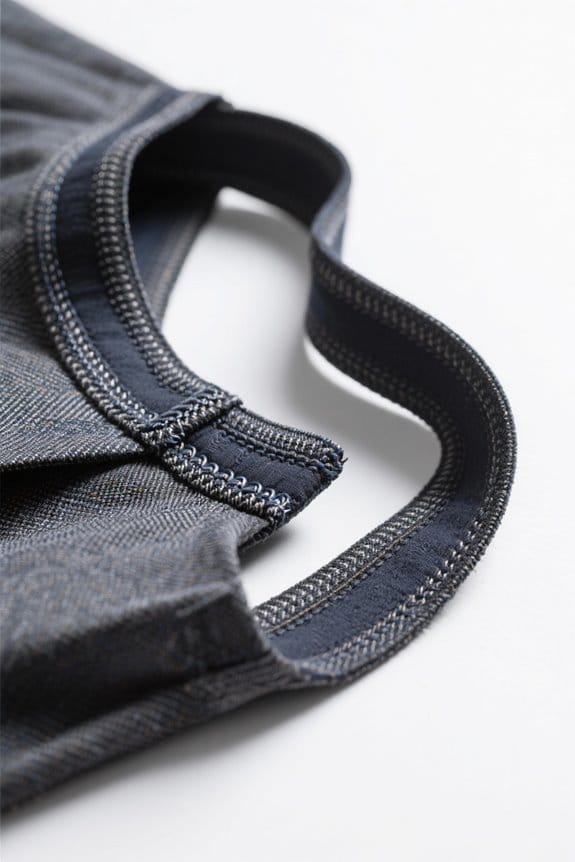
Although often overlooked, a contoured waistband follows the body’s curves, preventing gaping and giving a neater fit for skirts and trousers. Definition and Purpose: A curved waistband narrows at the top, matches lowered waists, and reduces gaping, improving silhouette and comfort. Construction Notes: Cut often on the bias, stabilized with interfacing or stay tape, requires micro-easing to avoid puckers when attached. Fit and Alterations: Fit adjustments include changing top-edge taper, altering seam allowances, and adding interfacing to control stretch. Practical Outcomes: Better fit for hourglass shapes, fewer darts needed, and secure waist positioning without excess tightness. When to Choose: Use for tailored skirts and pants needing smooth waists, applying contour techniques with flexible or shaped fabrics. Additionally, many plus-size underwear and briefs emphasize high-rise designs to provide full coverage and prevent ride-up.
Straight Waistbands for Structured Skirts and Trousers
A straight waistband provides a clean, rectangular finish at the waist, commonly used for structured skirts and trousers. The section explains practical waistband construction, fit adjustments, and sewing tips for stable, minimal-bulk finishes.
Design basics
- Rectangular piece drafted double the finished height, length equals half waist plus extensions for closures.
- Notches mark center front, sides, and extension edges for alignment.
Sewing and stabilization
- Stay-stitch curved seams, use lightweight interfacing, trim seam allowances to reduce bulk.
- Typical seam allowance about 1.5 cm, extensions around 0.75 inches for buttons.
Fit and use
- Best for low-curvature waists, alter length for high hips, allow about one inch ease for comfort.
- Buttons or hook closures require added length, test fit before final topstitching.
For added stability you can apply a narrow strip of lightweight interfacing—a technique also recommended to reduce bulk and improve durability.
Wrap Waistbands and Adjustable Ties
When sewing a wrap waistband, the maker should understand how overlapping panels and ties form the closure, because fit and security depend on overlap, tie length, and attachment points. Structure and closure: Wrap waistbands use overlapping panels secured with ties, buttons, or snaps, the closure itself becomes the waistband so panel alignment matters. Tie mechanics: Adjustable tie styles include side attachment, end attachment, or threaded holes, longer ties give wider adjustment, ties can knot front, side, or back. Advantages: wrap waistband benefits include one-size flexibility, comfort during movement, and sharing across wearers. Fabric notes: Choose lightweight fabrics for drape, or stiffer cloth to reduce bulk, test tie width for ease. Quick tips: Combine ties with snaps for extra security. Adjust fit before final sewing.
Drawstring Waistbands: Function Meets Flexibility
While planning a drawstring waistband, the maker should consider the casing, drawstring type, and entry reinforcements for durability and fit.
Overview
A drawstring system combines a casing, drawstring, and reinforced eyelets, offering adjustable comfort and simple size control.
Construction tips
- Sew a casing at least 1/4 inch wider than the drawstring, fold and topstitch to prevent twisting.
- Reinforce entry points with interfacing, grommets, or buttonholes to avoid fabric tear.
- Use safety pins or bodkins to thread cords, and secure ends to prevent loss.
Materials and uses
- Choose ribbons, cords, or fabric strips for aesthetic and strength.
- Common in loungewear, activewear, and children’s garments for versatile styles.
- Test length and knot placement, too-short drawstrings can be hard to tie, excessive length may snag.
Adjust accordingly.
For improved comfort during long wear, consider fabrics with moisture-wicking properties to reduce sweat buildup.
Elastic Waistbands: Types and Best Uses
Drawstring designs often give way to elastic options, which change how fit, comfort, and fabrication are handled for a garment’s waist area. Elastic choices affect fit, elastic durability, and tailoring, so selection depends on fabric weight, intended wear, and finishing methods.
Braided Elastic
– Best in casings, narrows when stretched, rolls more, sewing reduces stretch.
Woven Elastic
– Heavy duty, resists rolling, keeps width, good for direct sewing on heavier fabrics.
Knit Elastic
– Soft, flexible, skin-friendly, suitable for lightweight garments and direct sewing.
Non-Roll & Specialty
– Non-roll keeps shape for polished garments; FOE, plush back, swim and clear elastics serve niche needs.
Mention sewing techniques: topstitching, casings, and allowance for stretch when attaching elastic. Incorrect elastic choice can cause discomfort, distortion, premature garment wear and failure. For garments intended to provide added support and coverage, consider high-waisted designs which offer superior waist and hip coverage and enhanced comfort.
Recommended Products

PRECISION SIZING SYSTEM: 12 soft-grip rolling wheels allow exact adjustments to bust, waist, and hips with inch/cm markings, plus a wooden neck adjustment finial with a built-in pin cushion; Ideal for creating and altering pants, jackets, gowns, and more

Ventilated beekeeper suit with collapsible fencing veil, heavy duty brass zippers, durable double-stitched pockets, cushioned kneepads, and deluxe canvas carrying case

Meet the Fjallraven Abisko Hybrid Trail Trousers, designed for explorers who demand comfort, durability, and adaptability. Featuring a laminated elasticized waistband, these mid-rise trekking pants provide a secure fit without sacrificing movement. T
Button, Hook, and Zipper Closures for Secure Fits
Closures are the primary methods for securing waist openings, affecting fit, durability, and user access in a range of garments.
Buttons
– Button closures advantages include a classic aesthetic, repairability, and resistance to jamming, useful on suits and blazers.
Hooks and Bars
– Hook and bar fastenings give a low-profile, very secure hold for tailored trousers, often paired with an internal jigger button to prevent gaping.
Zippers
– Zippers offer fast access and smooth operation; zipper durability comparison favors metal zippers for heavy use, plastic coils for lightweight garments.
Consequences: improper placement causes poor fit, straps that pull, or closure failure; correct selection improves comfort, appearance, and longevity.
– Examples: metal buttons on denim, hook-and-bar on dress trousers, two-way zippers on jackets for ventilation, repair notes included. Adaptive underwear often uses moisture-wicking fabrics to maintain dryness and comfort.
Recommended Products

14 Built-In Stitches including Utility Stitches, Stretch Stitches and a Simple to Use 4 Step Buttonhole

80-Stitch Portable Sewing Machine Perfect For Crafting, Sewing and Quilting

Stitch Varirty: Features 200 built-in stitches including utility, decorative, and alphanumeric patterns displayed clearly on the LCD screen
Choosing Self-Fabric and Decorative Elastic Designs
After selecting a closure type, attention shifts to the waistband, where choosing self-fabric or decorative elastic affects fit, durability, and the garment’s look.
self fabric advantages
- Uses same material, guarantees consistent behavior and cohesive appearance, reduces visible seams.
- Sewn right sides together, folded and stitched, allows crisp edges, minimal bulk, clean finishes at plackets.
decorative elastic trends
- Decorative elastic can be exposed or ornamental, adds visual interest, coordinates color or contrast with fabric.
- Can replace casings to reduce bulk, requires matching stretch to fabric, and stable seam joins to prevent distortion.
Practical tips: measure, pre-stretch elastic, test stitches on scraps, and secure joins with multiple rows for durability. The reader should consider fabric weight and intended wear when selecting options for best long-term performance. Also consider garments featuring advanced moisture-wicking technologies to maintain dryness and comfort during active wear.
Recommended Products

CLASSIC DESIGN: Tailored for timeless appeal, this men’s pajama set features a traditional long sleeve button-down top with a chest pocket and crisp white piping details - crafted for those who appreciate refined comfort.

Contemporary fit, mid rise, moderate flare leg pant

Soft stretch modal
Waistband Width, Grain, and Styling Considerations
When planning a waistband, the maker must balance finished width, fabric grain, and intended style, because these choices determine fit, appearance, and long‑term performance.
Key rules
- Cut on straight grain for stability, or on bias for stretch, use interfacing to prevent distortion.
- Calculate fabric as twice desired finished width plus seam allowances, or add one seam allowance plus 1/8-inch when using selvage or overlock techniques.
Fit and styling
- Accurate waistband measurement prevents twisting or buckling, and wider bands shape more, narrow bands lie flatter.
- Typical seam allowance ranges 1/4-inch–5/8-inch, adjust for fabric and finish in waistband construction.
- Use tight plain weaves for support, stabilize knits with interfacing.
Plan measurements consistently, document choices, test a muslin or prototype to confirm comfort, appearance, and durability results. Consider using moisture-wicking fabrics in athletic or performance waistbands to help manage sweat and reduce irritation during exercise.
Selecting Waist Rise: High, Mid, and Low Options
Choosing the waistband rise follows decisions about width, grain, and interfacing, because rise directly changes fit, comfort, and silhouette.
Overview: Waist rise is the vertical distance from the crotch seam to the waistband top, measured in inches, and determines where pants sit.
Low rise (under seven to eight inches):
– Sits on the hips, exposes midriff, a casual look, provides minimal torso support, may require adjustment.
Mid rise (eight to eleven inches):
– Versatile, sits at or below the natural waist, accommodates many body type needs, reduces bunching, works with classic cuts.
High rise (ten inches or more):
– Positions at or above the navel, elongates legs, offers support and smoothing, favored by taller or curvier figures.
Measure rise; it cannot be easily altered after purchase. Also consider breathable fabrics for comfort and moisture management.
Recommended Products
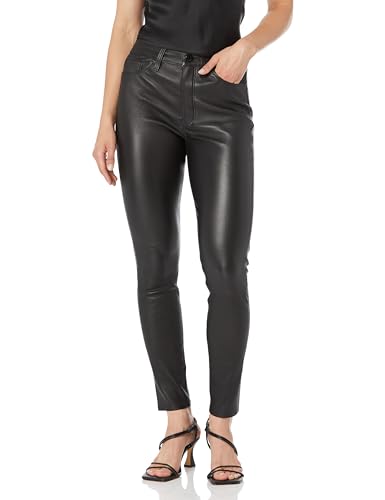
Capture the mix of edgy fashion and casual comfort

ROSIE HIGH-RISE WIDE LEG

Runs large; designed for a slouchy fit. For a higher and closer fit, size down, Intended for a mid-rise, straight-leg cut. Cropped inseam may hit at or above the ankle. Non-stretch denim will soften and give with wear.
Matching Waistband Styles to Garment Types
The reader should match waistband style to the garment’s purpose, fabric, and silhouette, because the wrong choice can distort fit, reduce comfort, or change the intended look. Quick Guide:
- Band waistbands: use with tailored pants and skirts, non-stretch fabrics, interfacing for structure, narrow to wide bands give clean, slim look.
- Elastic/drawstring: choose for pajamas, loungewear, casual pants, pull-on comfort, adjustable sizing for maternity.
- Facing/bandless: select for dresses and skirts needing smooth silhouettes, requires precise drafting.
- Contour/yoke: fit curves in tailored garments, prevents gaping, pairs with zippers or belts.
- Special styles: wrap, hip-hugger, high-waist change silhouette, follow current waistband trends and enhance garment versatility.
Explicit consequences include poor hang, visible bulk, or loss of intended drape; test samples before production.
Recommended Products

QUEEN FABRIC, GRADE 6A MULBERRY RAW SILK: This women's silk pajama set is crafted by durable selected high quality 6A Grade mulberry silk with charmeuse luster, no cheap satin, no cotton or polyester!
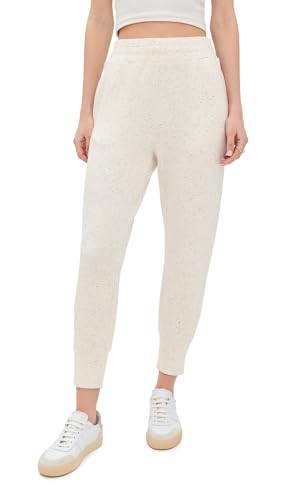
Fabric: Mid-weight, super-stretch jersey

Banded waist with elastic inserts and bi-swing back pleats for ease of movement
Frequently Asked Questions
How Do I Repair a Stretched-Out Elastic Waistband?
Of course the waistband betrayed them; they repair a stretched-out elastic waistband by seam-ripping the casing, removing old elastic, performing elastic replacement, joining and rethreading new elastic, then resewing—repair techniques yielding a snug, durable finish.
Which Waistband Is Best for Pregnancy and Postpartum Adjustments?
They find crossover panel and high-waisted options best for maternity pants and postpartum adjustment: crossover for adjustable growth and gentle support, high-waisted for coverage and abdominal support, with elastic or drawstring useful for fine-tuning fit.
How Should Waistbands Be Laundered to Preserve Elastic and Fabric?
Waistbands should be laundered gently: use mild detergent, cold water, and avoid bleach; employ low-heat or indoor hang-drying. These laundry techniques prioritize elastic care, minimizing heat, sun, and harsh chemicals that degrade elastic over time.
What Are Sustainable Materials for Eco-Friendly Waistbands?
More than meets the eye, designers recommend recycled fabrics, organic cotton, recycled polyester from bottles, bamboo blends, recycled leather and natural rubber foam for eco-friendly waistbands, combining durability, comfort, recyclability and reduced environmental impact footprint.
How Difficult Is Sewing Each Waistband Style for Beginners?
They vary: flat-front with elastic back is generally moderately easy; fully elasticated is easiest with careful handling; fold-down requires precision but is quick. Knowledge of waistband variations and beginner techniques reduces frustration and improves results


