As an Amazon Associate, we earn from qualifying purchases. Some links on this site are affiliate links at no extra cost to you. Our recommendations are based on thorough research and editorial judgment.


How to Build a Minimalist Underwear Collection

Minimalist underwear guide: The reader should assess routine, laundry cadence, and activities, then select neutral, durable basics like cotton or modal briefs, one shaping brief, a seamless thong, and 1–2 versatile bras (t‑shirt and sports). Choose convertible or multipurpose pieces to reduce count, prioritize fit and breathable fabrics, wash gently and air dry to extend life, rotate to avoid overuse, replace after stretching or persistent odor. Continue below for practical setup and counts, and tips.
Key Takeaways
- Assess your daily routines, activity levels, and laundry frequency to determine the number and types of underwear you need.
- Build a core collection of versatile, neutral pieces: seamless briefs, a thong, cotton/ modal bikinis, and one matching set.
- Prioritize durable, breathable fabrics (cotton, modal, bamboo blends) with elastane for fit and moisture management.
- Choose a practical quantity (7–10 for weekly laundry, 14–25 for less frequent washing or active lifestyles) and rotate regularly.
- Care mindfully: cold or hand wash, air dry, organize drawers, and replace items every 6–12 months or after visible wear.
Why Choose a Minimalist Underwear Wardrobe
You may be interested
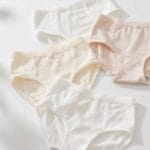
Why choose a minimalist underwear wardrobe**
Overview: A minimalist approach reduces items, focuses on durable fabrics, and lowers environmental impact for the wearer.
- Practical benefits: They select soft, breathable materials like organic cotton and modal, improving comfort and daily function.
- Sustainability benefits: Production uses fewer materials and classic colors, which extends garment life and reduces waste.
- Design features: Seamless cuts, no bulky seams or tags, and simple shapes increase mobility and outfit compatibility.
- Psychological satisfaction: Fewer choices reduce decision fatigue, save time, and promote confident, intentional ownership.
- Economic outcome: Investing in quality pieces lowers replacement costs and laundry burden over time.
- Examples: Start with three pairs: one seamless nude brief, one black modal trunk, one microfiber hipster for active days. They last longer too. Consider choosing garments with 95% combed cotton or higher cotton content for better breathability and durability.
Assess Your Daily Needs and Lifestyle
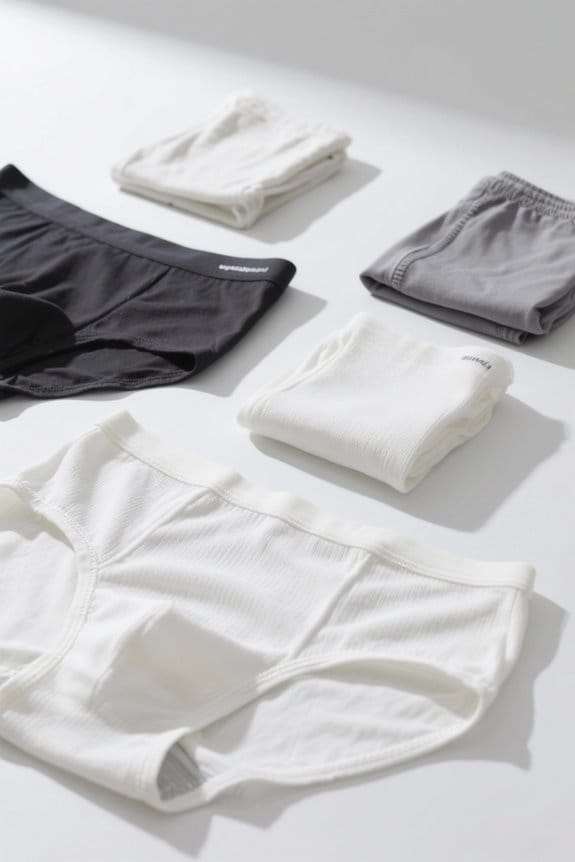
Typically, the reader’s daily routine and activity level determine how many pairs of underwear are practical to own and rotate. Lifestyle assessment: Review work, exercise, climate, travel, and hygiene habits to estimate replacement needs, examples include daily gym use or frequent travel. Activity consideration: More active lifestyles require more pairs, to prevent bacterial buildup, odor, and skin irritation; sedentary routines may need fewer, but daily changes remain recommended. Bullet list:
- Daily exerciser: 10–14 pairs, multiple changes possible.
- Office worker with weekly laundry: 7–10 pairs.
- Frequent traveler or physical job: 14+ pairs.
Consequences: insufficient rotation increases laundry frequency, odor, and health risks. Adjust counts for climate, medical needs, and laundering access. Reassess seasonally, and after lifestyle changes, to maintain hygiene and comfort. Choose fabrics with moisture-wicking properties to keep skin dry during high activity.
Core Pieces Every Minimalist Needs

After evaluating daily routines and laundry habits, the reader should assemble a compact set of undergarments that covers everyday comfort, shaping, and special occasions. Core items:
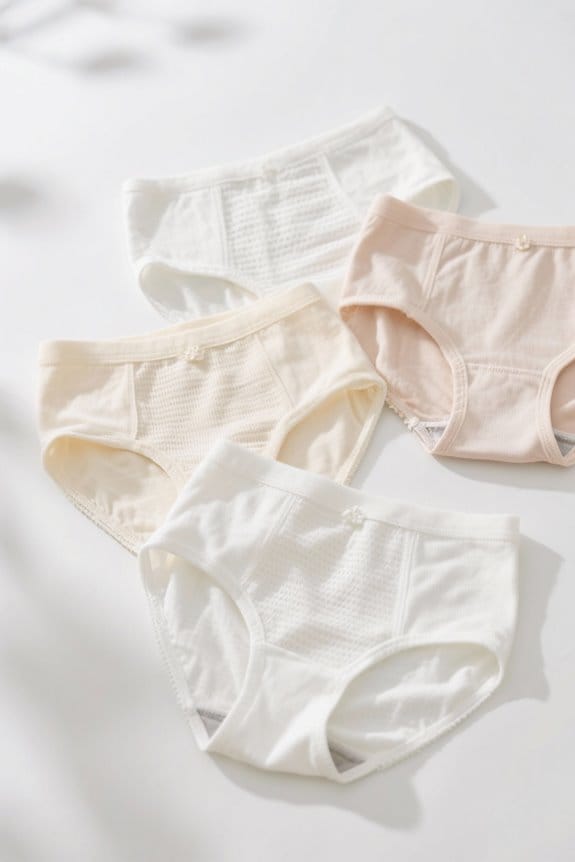
- Seamless everyday briefs, thongs, and cotton bikinis in neutral multipacks, providing daily comfort, breathability, and invisibility under fitted clothes.
- High-waisted briefs and mid-waist sculpting briefs for light shaping and a smooth silhouette, choose pieces with silicone underbands to prevent rolling.
- One coordinated matching set for special occasions, selecting seamless textures and a visually appealing style.
Fabric and fit:
- Prioritize essential fabric choices like cotton, modal, and blends with elastane for softness, breathability, durability.
- Follow ideal fit considerations: correct rise, gentle compression, adjustable bands, and breathable gussets for comfort during extended wear.
The reader benefits from consistency. Consider multipacks with moisture-wicking fabric for better value and comfort during active days.
Recommended Products

SEAMLESS UNDERWEAR FOR WOMEN: 82% Polyamide 18% Elastance. It is silky and smooth, won't irritate the skin and won't deformed by washing. 100% nature cotton layer to the crotch offers more protection and healthy. Laser cut, low rise bikini for a smooth look under clothes.
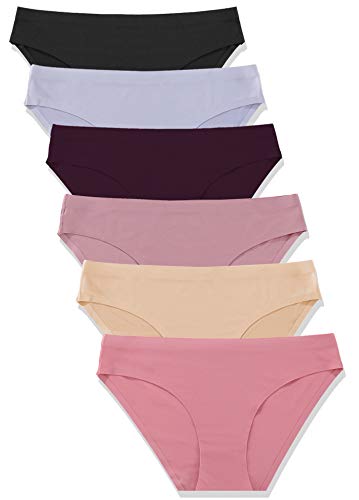
Size guide [Waist Measurements]: XS = 24 - 26"; S = 26.5-29"; M = 29-31.5" ; L= 31.5-35" ; XL = 35-39"; XXL = 39-43". [Hip Measurements]: XS= 34-36"; S = 36-38" ; M= 38-40" ; L = 40-42"; XL = 42-44"; XXL = 44-46".
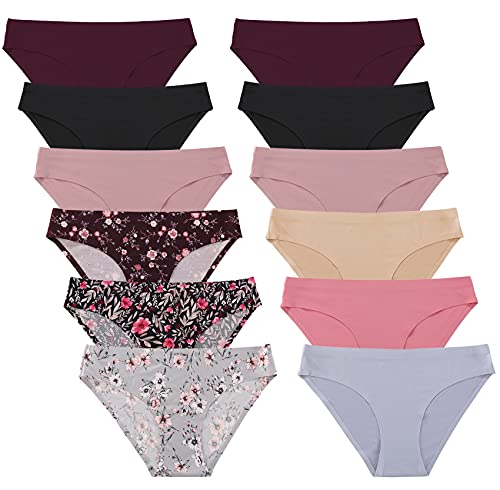
Size guide --- [Waist Measurements] XS = 24 - 28" ; S = 28 - 32"; M = 32-36" ; L = 36-40" ; XL = 40-44". [Hip Measurements]: XS = 30 - 34"; S = 34-38" ; M = 38-42" ; L = 42-46"; XL = 46-48".
Choosing the Right Bras for Versatility
Several key features guide the reader’s choice of versatile bras, and they should prioritize fit, fabric, and function for daily adaptability.
Key features
- Seamless construction, molded cups, wide band, reinforced sides for smooth support and no visible lines.
- Adjustable and multi-way straps allow crisscross, halter, strapless configurations, expanding outfit options.
Color and fabric
- Recommend nude, black, white, neutral tones to mix and match, reducing clutter.
- Fabric choices: microfiber, seamless technology, cotton blends, stretch lace, recycled materials, reflecting bra trends, fabric innovations, and sustainability.
Fit and support
- T-shirt, lightly lined, underwire, sports, strapless types match activity and outfit needs.
- Proper sizing and periodic reassessment guarantee comfort and ideal support.
- Professional fitting services recommended for best long-term results regularly.
Care is important; hand washing is recommended to preserve fabric quality and prevent damage.
Recommended Products
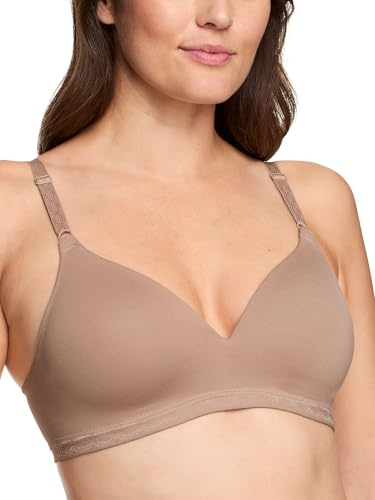

Stylish Deep V Bras for Women - The OEAK Wireless bra adopts a cute plunge design, which gathers and lifts your breasts, setting off the breast line to make your breasts more upright, round, and perfectly shaped. It showcases the seductive collarbones and cleavage under t-shirts and other clothing. The seamless Deep V bras are particularly effective in showcasing a beautiful neckline, making them ideal for wearing under low-cut tops and dresses, thus making your outfit simple and elegant.

【Elasticity Materiel】The Wireless tshirt bra is made of soft, skin-friendly fabric,lightweight, breathable and skin-friendly, breathable features wick away sweat and moisture to keep you dry all day long.
Underwear Styles: When to Wear Each Type
Many readers will select underwear styles based on garment fit, daily activity, and desired coverage, so choices should be practical and intentional. Thongs and G-strings: Ideal under tight dresses, leggings, and fitted pants to avoid visible panty lines, minimal back coverage gives a smooth silhouette for evening events, choose cotton for comfort or lace. Bikinis: Versatile daily option for jeans, skirts, and dresses, medium coverage suits mid-rise pants, balances comfort and appearance for office wear. Boyshorts and Hipsters: Offer fuller coverage for lounging, activity, or cooler days, reduce lines and improve freedom of movement. High-waist/High-cut: Provide shaping and smooth contours under high-waisted garments. Cheeky/Tanga: Progressive styles between bikini and thong, add flirty detail. Note underwear trends and seasonal styles influence fabric and cut choices. For longevity of embellished pieces, prioritize gentle care such as hand washing to preserve materials and rhinestones.
Building a Practical Color Palette
While assembling a minimalist underwear wardrobe, the reader should prioritize a neutral foundation, select nudes to match skin, and add limited accent tones.
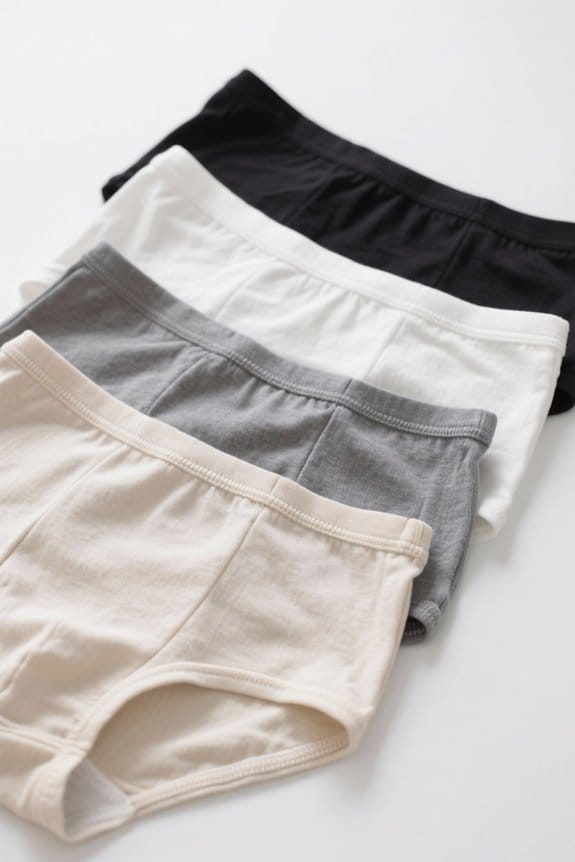
Neutral Foundation: Use pearl gray, white, black, and beige natural as daily base pieces, they suit every occasion.
Shade Matching and Nudes: Choose multiple nude shades, compare underwear directly to skin for discretion, successful shade matching reduces visibility under clothing.
Seasonal and Accent Rules: Rotate pastels in spring and summer, adopt deeper plums and burgundy for fall and winter, add one or two accent pieces like red or emerald for statement.
Practical note: follow color psychology when choosing accents, verify each color complements existing wardrobe, avoid patterned pieces under sheer garments. Keep selections minimal, replace worn items annually for consistency regularly. Also consider breathable cotton blends for enhanced comfort and moisture control.
Best Fabrics for Comfort and Breathability
After finalizing a compact color palette, the reader must select fabrics that control moisture, reduce irritation, and hold shape over time. Overview: Short guide to fabric comparisons and core comfort factors, focusing on breathability, moisture control, durability, and care. Recommended fabrics:
- Cotton: breathable, hypoallergenic, holds shape; choose organic to reduce environmental impact.
- Modal/Lyocell (TENCEL™): very soft, quick-drying, antibacterial, keeps shape.
- Bamboo: breathable, antimicrobial, gentle for sensitive skin.
- Synthetics: microfiber, polyester, nylon mesh wick moisture, resist wear, can trap odor.
- Silk/Merino: lightweight, absorbent, require gentle care, variable durability.
Tip: Match fabric to activity and climate for lasting comfort. Consider blends to balance performance and feel, test garments for irritation, follow care instructions to preserve fit, and replace worn pieces promptly regularly. Look for products with GOTS certification to ensure adherence to organic growth standards and sustainable practices.
Recommended Products
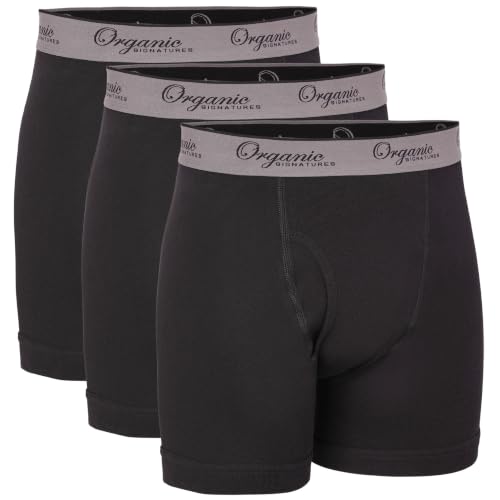
We are GOTS Certified: OT-030628 making mind-blowingly Soft Men’s Boxer Briefs Underwear – Looking for a full-coverage, supportive, and flattering pair of ultra-comfortable boxer briefs? The Organic Signatures breathable boxer briefs make an amazing undergarment, with their snug fit, low rise waist, and a supremely functional vertical fly. The high-quality, shrink-resistant cotton-rich fabric is lightweight, airy, boasting powerful cushioning, softness, and style in one go! A must-have upgrade!

Comfy Daily Underwear: Hip measurement in inches. X-Small:34-35.5; Small:36-37.5; Medium:38-39.5; Large:40-41.5; X-Large:42-43.5; XX-Large:44-45.5

QUALITY FABRIC - Girls’ hipster panties made from 100% pure organic ringspun cotton. Which means zero bleach, less dyes and more comfort for her throughout the day.
How Many Pieces Is Enough
The reader should start with a clear baseline, since collection size depends on laundry frequency, activity level, and clothing needs, a practical starting point is 20–25 everyday pairs for most people.
Baseline and Laundry
- Weekly laundry: 7–10 pairs suffice, but this requires strict routines and backups.
- Bi-weekly laundry: 14–16 pairs recommended to avoid shortages.
Composition and Ratios
- Use a 70/30 or 80/20 split, basics versus decorative pieces, so essentials dominate the underwear collection.
- Include three seamless microfiber thongs and three full briefs for coverage.
Fit and Special Cases
– Adjust counts for workouts, shapewear, or irregular schedules, sizing and body type affect choices.
This minimalist approach reduces clutter and aligns with practical use.
Collections above 25 remain acceptable when justified by lifestyle, activity level, or personal preference, and laundry frequency.
Consider adding adaptive underwear when recovery or mobility challenges require easier dressing and leak protection.
Multipurpose and Convertible Items to Include
Having established a practical baseline for how many pieces to keep, the reader can shift attention to selecting items that serve multiple roles, reduce total pieces, and simplify daily choices. Multipurpose pieces focus on fit, fabric, and neutral color, maximizing wearability across outfits.
Key Picks
- Multipurpose thongs: seamless, low-profile waistbands, moisture-wicking microfibers, ideal under tight silhouettes.
- Convertible bralettes: adjustable straps, removable hardware, seamless cups, function as strapless or cross-back.
Shapewear and Briefs
- High-waisted shapewear briefs: smoothing, support, double as occasion wear.
- Soft seamless bralettes and bodysuits: light shaping, layering, reduce separate pieces.
- Multipacks and travel fabrics: dark neutrals, cotton gussets, easy rotation, reduce laundry strain.
Choose two neutrals, prioritize breathable blends, and prefer tagless, laser-cut construction. Also consider fabrics with moisture-wicking properties to reduce odor and maintain freshness.
Recommended Products

Soft Comfortable Bras - 55% nylon and 45% spandex. This scalloped wireless bra are crafted from upgraded fabric for an ultra-soft touch, enhanced stretchability, and greater size inclusivity. They hug your curves and move with you, while the breathable material keeps you cool and comfortable all day. Perfect for everyday wear without any pressure, they feel like a second skin—lightweight, supportive, and incredibly cozy! Perfect for meeting the needs of women of all ages, from young to old.
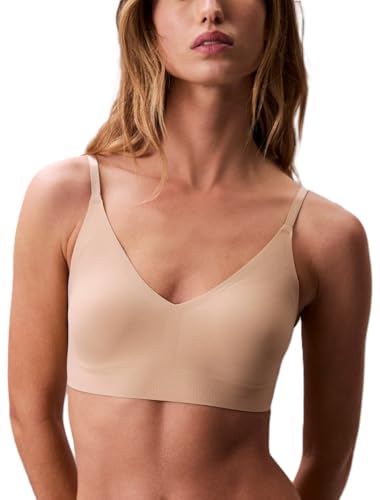
SUPER SOFT: Smooth microfiber feels soft against the skin, supports your natural shape, and makes CK’s signature bras for women lightweight and soothing to the touch.

Lightweight Wirelss Bra - 65% nylon and 35% spandex. This bras are crafted from upgraded fabric for an ultra-soft touch, enhanced stretchability, and greater size inclusivity,And the added jacquard pattern on the exterior makes this scalloped bra more sophisticated.This bra is highly elastic, comfortable, smooth, and breathable, ensuring unparalleled comfort without any pressure. It's perfect for daily wear, providing a "no feeling" sensation.
Care, Washing, and Extending Lifespan
While proper washing practices require a small time investment, they greatly extend the life and performance of underwear. Washing techniques: Hand washing in cold or lukewarm water preserves fabric integrity and elasticity, soaking briefly loosens oils, gentle swirling beats rubbing, machine use should be limited to delicates cycle with mesh bag. Detergent and fabric care: Use mild detergents for delicates, avoid bleach, phosphates, enzymes and fabric softeners which weaken elastic and fade colors. Drying methods: Air dry flat or hang in shade, avoid wringing and tumble dryers, gently press out excess moisture. Lifespan extension: Wash at 30°C or cooler, separate underwear from other laundry, regular gentle care reduces seam stress and prevents premature degradation, retaining fit and appearance longer. Inspect elastics regularly for damage. Many popular brands include moisture-wicking technology to help manage sweat during the day.
Smart Drawer Organization and Rotation
One’s drawer layout determines daily ease and garment lifespan, so clear zones and rotation routines reduce wear, save time, and simplify choices.
Layout and visibility
– Segregate briefs, bras, socks, pajamas into zones, place daily items in top drawers, seasonal or gym wear lower.
Organizers and folding
– Use drawer organizers, clear dividers, or 24-cell trays to keep slots; employ consistent folding techniques, fold into thirds to stand upright.
Rotation routine
– Keep freshest items front, cycle older pieces to back, audit monthly and align counts with laundry schedules (10–15) pairs.
Practical notes
– Store bras cups together, vertical socks, remove unrelated clutter, use removable bins for portability and easy reconfiguration.
Consistent routines reduce decision fatigue, extend garment life, and simplify replacements over time.
When to Replace Items and Choose Sustainable Options
When should underwear be replaced, and which sustainable choices will most reliably extend the reader’s usable garments and reduce waste over time? Guideline: Replace underwear every 6–12 months, or after about 50 washes, sooner if stains, holes, loss of elasticity, or persistent odors appear. Underwear used for intense exercise should be retired more often.
Practical steps
- Rotate a larger set of pairs, reduce wash frequency per item, extend underwear lifespan.
- Choose sustainable materials like organic cotton or bamboo, and prefer brands with eco production.
- Wash cold, air dry, repair minor frays, donate wearable items where programs exist.
- Replace immediately if chafing, irritation, or smell persists, to avoid infections and skin issues.
A clear replacement plan reduces waste, supports health, and simplifies minimalist wardrobes regularly.
Recommended Products

Thongs for women:95% premium cotton, 5% spandex. Our cotton thongs for women, with its unique comfort and softness, brings an unprecedented experience to the wearer. Made of high-quality pure cotton fabric, it is as light as a cloud and has a delicate touch, making people feel as if they are immersed in a warm embrace. Every time you touch it, you can feel the tenderness and care it brings.

Organic Cotton: Made with GOTS-certified fabric, this organic underwear provides a cozy fit. The premium cotton underwear keeps your bee comfortable from morning play through a restful night’s sleep.

Cotton Underwear For Women: Womens underwear is made of 95% combed cotton, 5% spandex. The blend of PREMIUM combed cotton and spandex makes these underwear soft, stretchy, breathable, and gentle on sensitive skin for comfortable wear.
Frequently Asked Questions
How Do I Pack Minimal Underwear Efficiently for Short and Long Trips?
Like a compass guiding journeys, they pack minimal underwear efficiently by choosing versatile fabrics, using packing techniques (ranger roll, packing cubes, mesh bags), scheduling laundry for long trips, and applying travel tips: rotate, separate, compress.
How Should My Underwear Collection Change During Pregnancy or Postpartum?
They should shift to breathable, stretchy pieces that prioritize pregnancy fits and adjustable waistbands, swap underwire for soft support, choose moisture‑wicking cotton blends, and retain flexible, hygienic styles for postpartum comfort during healing and mobility.
Are Antimicrobial or Silver‑Infused Underwear Worth the Extra Cost?
Not necessarily; users weigh antimicrobial benefits against cost, potential skin and environmental risks. Studies show strong silver infused performance and durability, but possible microbiome shifts, accumulation, and washing runoff make value case dependent on priorities.
What’s the Best Way to Manage Size Fluctuations Without Buying Many Pieces?
They manage size fluctuations by prioritizing stretch fabrics, adjustable styles, and wire‑free options, documenting size alternatives that work, rotating pieces seasonally, evaluating fit regularly, and keeping a concise capsule of versatile, and adaptive high‑quality essentials.
Can a Minimalist Collection Meet Lingerie Needs for Romantic or Special Nights?
?Can a minimalist collection provide romantic essentials for special occasions? Yes, they favor versatile high quality pieces like a lace bodysuit, satin camisole and matching set, offering elegance, comfort, seamless fit, cohesion and enduring simplicity.