As an Amazon Associate, we earn from qualifying purchases. Some links on this site are affiliate links at no extra cost to you. Our recommendations are based on thorough research and editorial judgment.

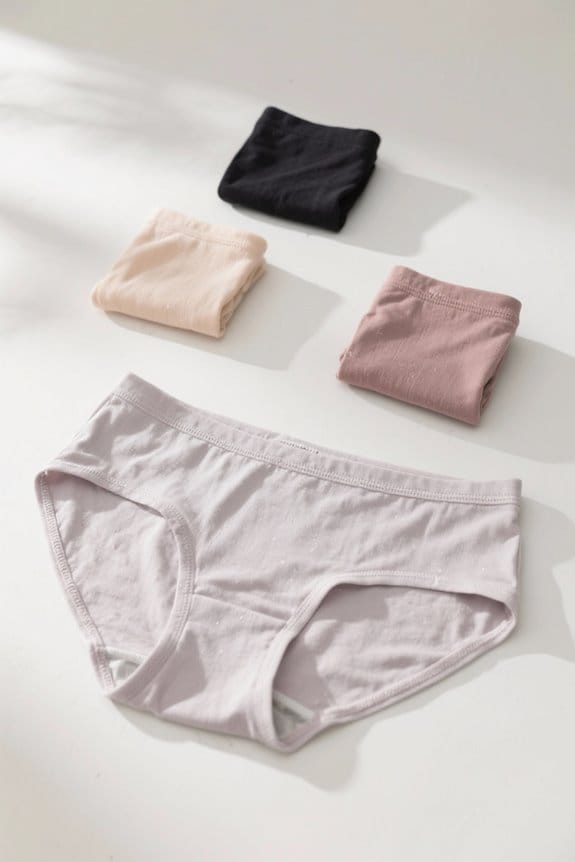
Color Trends in Everyday Underwear

The summary presents current color trends in everyday underwear, noting practical choices, fabric effects, and retail implications. Pink & Bold: powder pink, electric blue, fiery orange, and emerald drive visibility and confidence, consider dye care and fast fading. Neutrals: expanded nude ranges, second-skin modal, seamless cuts for disguise under clothing. Sustainability: solution dyeing, low-impact baths, bamboo viscose offer longer color life. The reader finds application tips and buying guidance ahead, with size-inclusive options for everyone.
Key Takeaways
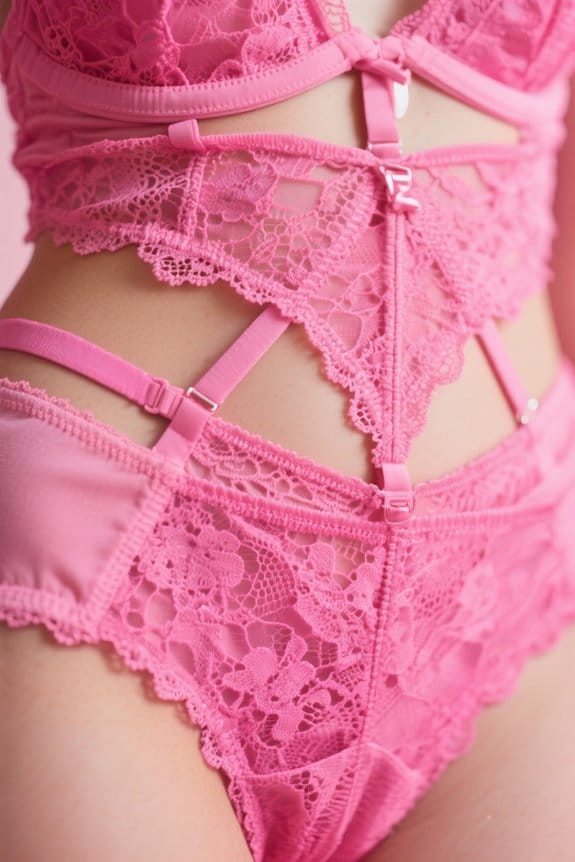
- Powder and soft pinks dominate lingerie, driving purchases and social buzz—stock pink-first assortments for everyday underwear.
- Electric blues, fiery oranges, and neon prints are rising seasonal choices for spring/summer everyday underwear collections.
- Everyday neutrals—expanded nude shades, modal blends and seamless cuts—offer versatility, comfort, and higher sell-through across sizes.
- Choose fabric and dye methods (solution dyeing, low-impact dyes) to improve colorfastness and durability for frequent washwear.
- Visible lingerie trends encourage bolder color thinking—contrast, layering, and embellishments as everyday style elements.
Why Pink Rules Lingerie and Underwear in 2026
You may be interested


Preference guides product decisions, and in 2026 that preference clearly points to pink across intimate apparel categories. Overview: The industry documents pink market dominance and consumer preference trends, showing clear category leadership and social engagement. Key facts:
- Market share: pink accounts for 20% in lingerie, 20% in bras, 26% in panties, outpacing whites and blues.
- Growth signals: powder pink up 39% year-over-year, social buzz up 600%, indicating sustained momentum.
- Product implications: prioritize powder and soft pinks in pointelle cotton, scalloped hems, and chiffon for multi-use appeal.
- Consumer impact: pink choices support confidence and self-expression, drive search and adoption, and shape assortment planning.
Action: align buys, merchandising, and marketing to pink-first assortments to capture demand. Review metrics monthly to adjust inventory quickly. Data shows powder pink is up 39% year-over-year, reinforcing the need to prioritize pink-first assortments.
The Rise of Bold and Electric Shades
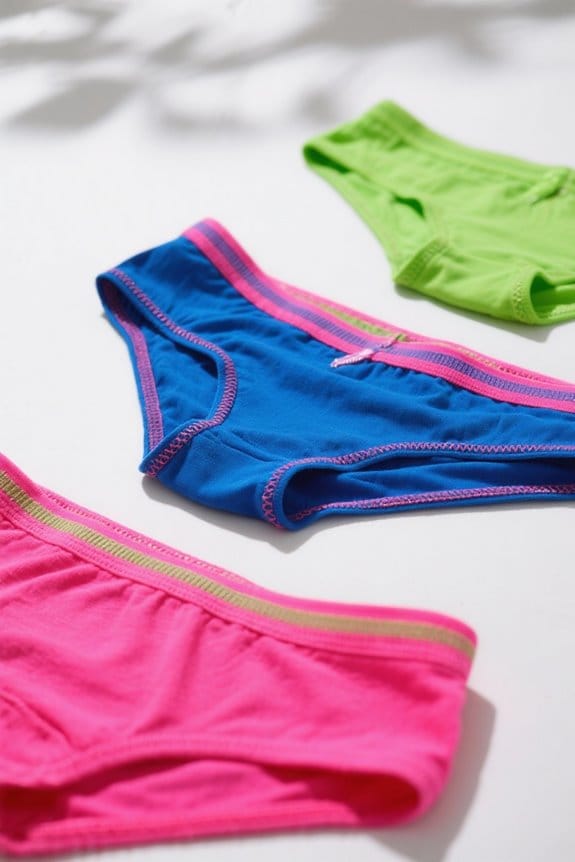
Although muted neutrals dominated recent seasons, bold and electric shades like cerulean and fiery orange are reshaping underwear assortments for 2026. This section outlines practical implications, examples, and selection criteria that explain adoption, market effects, and wearer considerations. Key Drivers:
- Electric blue leads spring/summer 2026, seen on runways and in mass market, signaling Vibrant self expression and cooling visual impact.
- Expansion includes fiery orange, emerald, neon prints, increasing choice across genders, inclusive cuts, and sizes.
How to choose:
- Consider Color psychology, garment function, and fabric dye fastness; bright dyes may require special care.
- Note patterns, tech features, and retailer sizing, assess resale and longevity implications before purchase.
- Track seasonal drops, test pairings, and prioritize comfort, durability, and wash instructions for long term satisfaction.
For best performance, choose fabrics with moisture-wicking technology to stay dry during activity.
Recommended Products

Warmth and Comfort in Any Climate: Elevate your comfort in every climate with our premium women's merino wool thermal underwear set. Naturally regulates body temperature, adapts to your activity level, and keeps you warm outdoors or indoors all year long.

PACKAGE INCLUDES: 1 – Men’s Merino Wool Half Zip Thermal Turtleneck Top in Electric Blue / Large | MATERIAL: 18.5 Micron, 100% Merino wool, 250g/m2 | FIT: Fitted

PERFECT ENTRY-LEVEL CYCLING SHORTS: Designed for beginner cyclists, these men’s bike shorts offer stretch, comfort, and support for road cycling, mountain biking, or indoor training rides.
Neutrals and Delicate Tones for Everyday Wear

After the visibility of bold, electric shades in runway and retail assortments, many consumers continue to favor neutral and delicate tones for daily underwear, because these colors offer versatility, concealment under clothing, and broader wearability across occasions. Practical guidance:
Key benefits and choices
- Neutral color psychology: choose winter white, extended nude ranges, or soft blush to match skin tones, reduce show-through, and support timeless basics.
- Materials and fit, delicate fabric choices: prefer second-skin modal, silky satin, or stretch mesh for comfort and layering.
- Design cues: select seamless cuts, minimalist lines, and adaptable silhouettes to avoid irritation, improve fit, and extend garment life.
- Consumer impact: muted palettes deliver sell-through, broad appeal, and reliability.
- Buying tip: check size guides, color swatches, and return policies before purchase. Consider blends like 95% cotton with spandex for breathability and stretch.
Recommended Products

Enjoy unbeatable comfort and a perfect fit with these Derek Rose pants, equipped with an adjustable drawstring and stretch elastic waistband for all-day ease and support

𝙋𝙍𝙀𝙈𝙄𝙐𝙈 𝙈𝘼𝙏𝙀𝙍𝙄𝘼𝙇 - Having come a long way with sustainable & natural materials, we decided to take their soft and breezy feel to new heights. We combine fiber and silk to invent a super soft, cool handfeel, better moisture wicking and breathability micro modal.

ATHLETIC FIT: Our athletic cut long sleeve t shirts for man flatters the chest and arms with comfortable room through the torso, so it wears sharp solo and layers cleanly without bulk. They're the ideal long sleeve mens t shirts for all occasions.
Sustainable Fabrics and Eco-Conscious Color Choices
Many buyers now prioritize fabric origin, dyeing methods, and supply chain transparency when choosing sustainable underwear, seeking both environmental benefits and everyday performance.
SUSTAINABLE FABRICS:
- Organic cotton remains common, it reduces pesticides, feels soft, and is easy to care for at home.
- Tencel lyocell and linen offer breathability, durability, low water use, suitable for sensitive skin and daily wear.
- Bamboo and recycled fibers give moisture control, lower landfill impact, but check processing disclosures before trusting claims.
ECO-CONSCIOUS COLOR CHOICES:
- Prefer natural palettes, undyed options, or plant-based and non toxic eco friendly dyes, they reduce water pollution and chemical waste.
- Brands publish supply chain data, certified labels and care instructions, this helps verify claims and predict long term garment life.
Choose durability over fast trends. Many shoppers also look for blend ratios like 95% cotton to ensure both comfort and durable stretch.
Recommended Products

Luxury for all seasons: made from 100% organic cotton fabric in a luxurious interlock weave, Subset’s Essential Robe is substantial enough for cooler weather but light enough to be comfortable in summer. Soft, smooth, and with a hint of stretch, you’ll fall in love with the quality the second you put it on.

Styled for all genders, this T-shirt is made from organic cotton jersey.

95/5 organic cotton vest with wide straps, crew neck
Retro Revivals: Vintage Hues and Prints
Building on sustainability’s emphasis on fabric origin and eco-friendly dyes, retro revivals reintroduce bold colors and prints while keeping material performance in mind. Overview: The trend pairs Retro Patterns with modern textiles, offering Vibrant Combinations that retain durability and washfastness. Practical guidance:
- Choose high-waisted cuts with polka dots, florals, or psychedelic swirls, for shape and vintage appeal.
- Match deep berry or Mocha Mousse bases with neon accents to balance retro mood and wearability.
- Prefer digital prints on stretch knit for longevity, addressing color bleed and fading.
- Use monochrome sets in pastel or cocoa as neutral anchors.
Consequences: improved comfort, visible longevity, and clearer styling options for everyday wardrobes. Manufacturers should test dye fastness and fabric stretch to guarantee results. When choosing retro revival pieces, prioritize GOTS certified organic cotton and non-toxic dyes to maintain sustainability and skin health.
Seasonal Shifts: Color Palettes Through the Year
When planning seasonal underwear palettes, the designer should prioritize color temperature, fabric breathability, and layering potential to match changing climates and wardrobes.
Spring: soft pastels like blush, lavender, mint, floral prints, light fabrics, mix with vibrant reds or sunny yellows for contrast, outcome: fresh moods and uplifted psychological impact.
Summer: vibrant jewel and citrus tones, breathable lace, mesh, cotton, contrast layering like baby pink with emerald, consequence: energetic looks, better heat comfort.
Autumn: warm burgundy, berry, earthy neutrals, muted greens, layer for texture, outcome: cozy, grounded appeal.
Winter: classic neutrals, deep navy, rich berries, luxe textures, consequence: timeless, polished results.
Neutral note: nude, black, white remain year-round, supporting seamless wear. The reader can combine seasonal colors deliberately, balancing contrast, tone, and function for wardrobes. Additionally, designers often choose soft fabric blends like nylon and spandex for breathability and comfort.
Recommended Products

Ultimate Comfort All Day Long: Our long-sleeve, footed thermal baby romper, crafted from a premium blend of merino wool and silk, ensures your little one stays cozy and happy in any weather. Perfect for baby boys and girls, it's designed for all-day comfort.
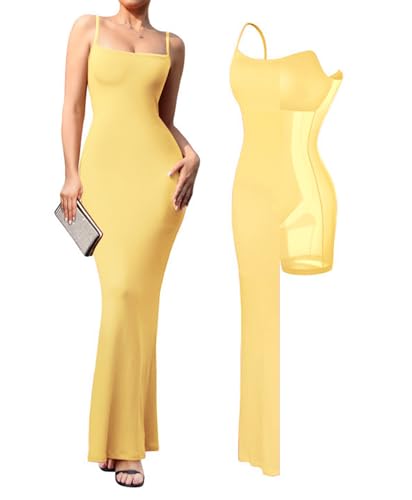
All-in-One Convenience: Make your comfort with removable pads and an overlapping crotch. Adjustable spaghetti straps allow you to customize the fit for your comfort. This padded maxi dress works for date nights

SIZE CONVERSION MADE EASY: Did you know Freya is sold in UK sizing? Please use the size chart to convert your US to UK size. To find your size, measure around the torso underneath the breast tissue to determine your band size. If measurement is an odd number, round up to the following even number. Measure around the fullest part of the bust to determine your bust size. To determine your cup size, subtract your band size from your bust size.
Color Choices That Prioritize Inclusivity and Fit
How should designers choose colors that prioritize inclusivity and fit, balancing skin tones, size range, functionality, and cultural context?
Guideline: Designers should expand nude palettes to represent diverse skin tones, provide multiple shades, and maintain color consistency across fabrics and sizes.
Sizing and Fit: Include inclusive sizing from XXS through 4XL and larger, adapt pattern making so colors hang and flatter varied body types, test cups to confirm visual balance.
Cultural preferences: Customize assortments by region, add vibrant patterns where preferred, retain neutrals for broad appeal, respect local color meanings.
Practical steps: Prototype on diverse models, test dyefastness and stretch, align imagery with real bodies, measure impact on comfort and purchase decisions.
Designers should consider using cotton blends for softness, breathability, and moisture-wicking properties to enhance comfort across sizes.
Using Underwear as a Fashion Statement
Designers should extend inclusive color thinking into visible lingerie, balancing skin tones, silhouette, and styling for outerwear use. It guides choices in Underwear aesthetics and practical layering, offering clear rules for combining pieces with blazers, sweaters, and trousers.
Key guidance:
- Contrast and match colors to silhouette, choose pastels or jewel tones to shift mood, test under open cardigans or slip dresses.
- Prioritize fit and support, select high-waisted panties and longline bralettes designed for display.
- Use vintage textures like lace and silk to add nostalgia, pair bullet bras or bustiers with structured coats.
Outcomes:
- Visible lingerie signals confidence, acts as Self expression elements, and broadens wardrobe functionality.
- Test combinations in daylight and under shop lighting to confirm color. For added comfort and invisibility under clothes, consider underwear with seamless construction to reduce visible lines.
Dyeing, Durability, and Low-Impact Manufacturing
Because color retention, environmental impact, and fabric strength interact closely, this section guides the reader through dye selection, process control, and low‑impact choices. Dye selection: Acid dyes suit nylon and silk, disperse dyes suit polyester, solution dyeing embeds color at fiber stage for longevity. Process control: Control immersion time, temperature, and salt or acid to set dye, rinse in cold water dyeing to lock color. Low impact dyeing practices: Use cold or low water baths, organic acid dyes, natural mordants, recycle baths to cut waste. Durability tips: Avoid under-dyeing, balance concentration to prevent weakening, set with heat when safe for the fabric. Equipment basics: Stainless pots, scales, gloves, plastic tubs. Solution dyeing reduces water use considerably, improving fabric sustainability and colorfastness overall. Choosing underwear with high bamboo viscose content (e.g., 95%) can enhance softness, breathability, and dye uptake.
Market Insights: What Brands Are Betting On
When evaluating market moves, brands prioritize color strategies that balance trend-driven jewel tones, reliable neutrals, and inclusive palettes to reach varied consumers.
Overview: Brands use color psychology and brand collaborations to shape collections, choosing pinks, winter white, blues, and jewel tones for specific appeals.
- Strategy examples, Love & Lemons favors pink and playful reds, Cosabella pushes Poire and Framboise for elevated sensuality.
- Inclusive ranges, TomboyX and multi-size brands emphasize varied hues for gender diversity and fit, sustainable labels add bolder shades slowly.
- Embellishment impact, jewels, rosettes, and metal hardware amplify color, creating statement pieces and higher perceived value.
Consequence: clear palettes drive buying, help segmentation, and enable targeted marketing.
Examples: deep raspberry for premium lines, bright green for youth, winter white as essential staple.
Brands also highlight seamless construction to minimize visible panty lines and enhance everyday comfort.
Recommended Products
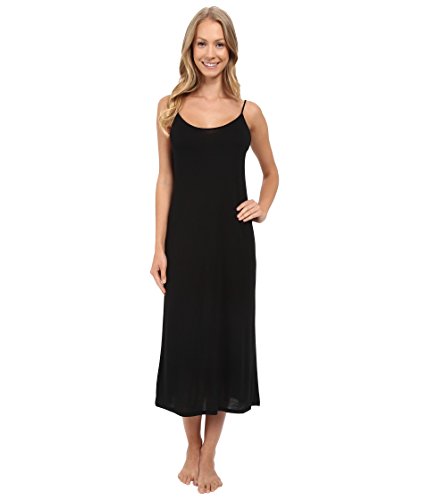
Sleeveless gown in midi length featuring scoop neck and back

SIZE CONVERSION MADE EASY: Did you know Freya is sold in UK sizing? Please use the size chart to convert your US to UK size. To find your size, measure around the torso underneath the breast tissue to determine your band size. If measurement is an odd number, round up to the following even number. Measure around the fullest part of the bust to determine your bust size. To determine your cup size, subtract your band size from your bust size.

Sensational Backless Design Showcase your back with adjustable lace-up detailing paired with a deeply flattering cowl neckline for effortless allure
Frequently Asked Questions
How to Conceal Underwear Color Under Sheer or White Clothing?
They should choose skin-tone seamless underwear matched to their complexion, use matte, lightweight fabrics, and employ color layering with nude shapewear beneath sheer fabrics to minimize visibility and eliminate contrasting outlines under different lighting conditions.
Do Men’s Underwear Color Trends Differ From Women’s?
Yes, they differ: men’s palettes emphasize masculine hues like black, grey, jewel and earthy tones, while women’s collections prioritize feminine shades including pastels, vibrant hues and neutrals, alongside bolder experimental and luxury jewel options choices
How Do Kids’ Underwear Color Preferences Influence Design Choices?
A school survey found 78% favoring bright hues, so designers adapt using kids’ favorite colors and playful patterns to create gendered, age-segmented, sustainable collections that match developmental tastes and market demand globally across price tiers.
Are Certain Colors Recommended During Pregnancy or Postpartum?
Yes light, neutral colors white, beige and pastels are recommended during pregnancy and postpartum to facilitate monitoring of discharge and hygiene; maternity styles prioritize breathable fabrics and cotton linings, promoting postpartum comfort and easy laundering.
How Long Do Trendy Underwear Colors Typically Last in Fashion Cycles?
Trendy underwear colors usually endure one season to two years in mainstream retail; in modern fashion they often follow compressed trendy cycles, with color longevity influenced by social media, celebrity endorsement, and retailer saturation-driven discounting.


