As an Amazon Associate, we earn from qualifying purchases. Some links on this site are affiliate links at no extra cost to you. Our recommendations are based on thorough research and editorial judgment.

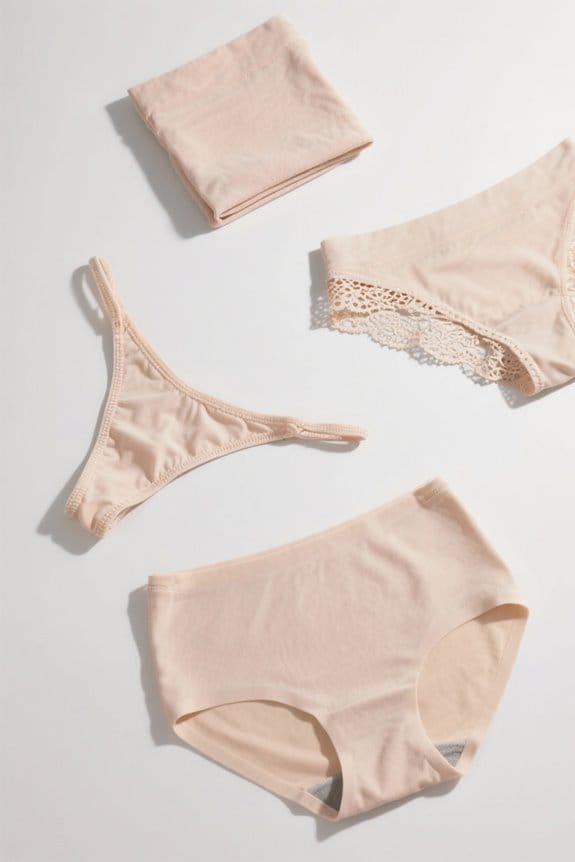
Understanding Panty Lines and How to Avoid Them

Overview: The reader learns why panty lines form, what fabrics and fits cause them, and practical fixes to prevent visibility. Common causes include tight elastic, thick seams, wrong rise, and worn sizing. Fabrics: Smooth microfiber, nylon, and elastane blends reduce lines; thick cotton and ribbed textures increase them. Fixes: Use seamless or laser-cut panties, thongs, light shapewear, or nude layers for quick smoothing. Continue for specific fitting, sizing, and layering tips and emergency fixes too.
Key Takeaways
- Visible panty lines result from seams, elastic, and fabric edges pressing against skin under tight or thin outer garments.
- Choose smooth, thin, stretchy fabrics (microfiber, nylon with elastane) to reduce friction and lie-flat edges.
- Opt for seamless cuts, laser-cut edges, thongs, or shaping boyshorts to minimize or eliminate outlines.
- Ensure correct size and fit: measure hips, avoid overly tight elastics, and prefer snug without constricting.
- Use temporary fixes like nude tights, slips, adhesive panties, or lightweight shapewear to smooth lines instantly.
Common Causes of Visible Panty Lines
You may be interested


When examining visible panty lines, it helps to separate the mechanical causes from the stylistic ones, so the reader can choose targeted solutions.
Construction and Fit
– Elastic bands, seams, and lace trim press into skin, producing ridges under fitted clothing, thicker elastics worsen the effect.
Sizing and Wear
– Tight or loose underwear, worn-out elastic, and incorrect rise create indentations, bunching, and diagonal creases that show through garments.
Compression Mechanics
– Outer garment tension and body movement concentrate pressure at seams and band intersections, revealing outlines especially with heavy underwear under lightweight clothing.
Style Choices
– Full-coverage and low-rise cuts cause mid-butt or waist creases; thongs and low-band slip shorts reduce lines.
Notes: trends in underwear influence styles, cultural perceptions affect acceptable solutions.
Many people find that seamless construction effectively minimizes lines while offering greater comfort.
How Fabric Choice Affects Panty Line Visibility
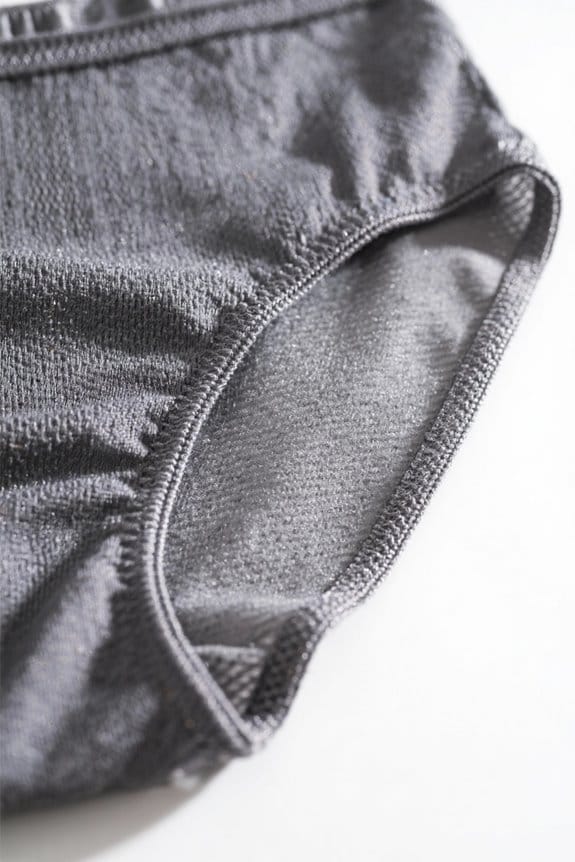
After examining fit and construction, fabric choice becomes the next factor that determines visible panty lines under clothing. Fabric smoothness and stretch: Smooth fabrics such as microfiber, nylon, satin, and modal glide against skin, reducing friction and visible lines; high spandex content adds stretch, improving conformity and preventing bunching. Thickness and texture: Thinner fabrics lie flat, while thick cotton weaves and ribbed textures increase line appearance under tight or sheer garments. Color and camouflage: Nude tones, matching underwear materials to outfit color, and darker shades reduce contrast and conceal lines. Practical guidance: Prefer smooth, thin, stretchy fabric characteristics for form-fitting clothes, avoid dense cotton for sheer outfits, and consider blends that balance comfort with minimal visibility. Also check care labels, maintenance affects long-term performance. Additionally, choosing materials with moisture-wicking properties can help keep skin dry and reduce lines caused by sweat and clinging.
Recommended Products

Built-In Support & Streamlined Silhouette: This cocktail dresses for womnen features internal contouring panels that offer gentle waist definition, creating a smooth silhouette. The all-in-one design provides the seamless look of a shapewear dress without the need for extra undergarments
Built-In Support & Streamlined Silhouette: This cocktail dresses for womnen features internal contouring panels that offer gentle waist definition, creating a smooth silhouette. The all-in-one design provides the seamless look of a shapewear dress without the need for extra undergarments

SUPERIOR LEAK PROTECTION: The seamless high waist period panties offer superior absorbency, replacing up to 2 pads or 3 tampons, making it your go-to period panty for regular flow days, everyday protection or as a backup to a cup, disc, or tampon.
Underwear Styles That Minimize or Eliminate Panty Lines
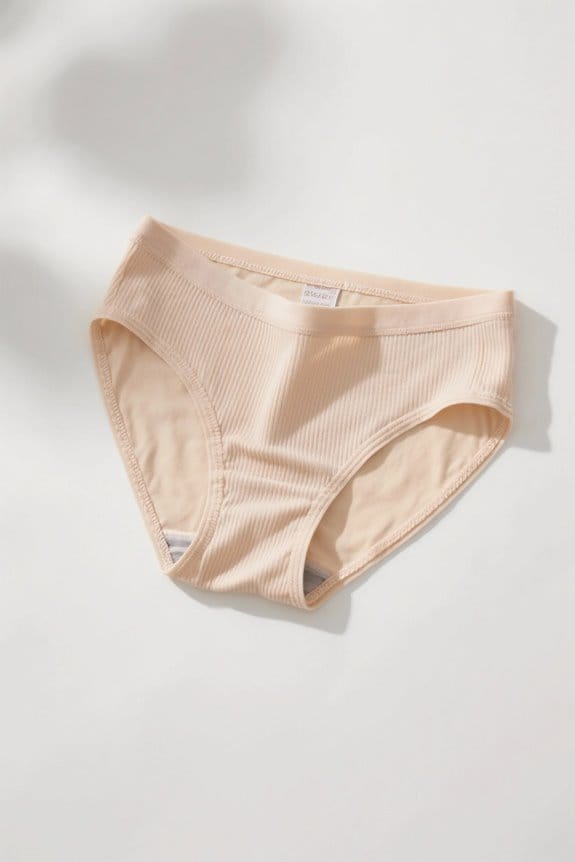
Several underwear styles minimize or eliminate panty lines, each using specific cuts, seams, and fabrics to reduce visible ridges under clothing. Seamless options: – Seamless designs use bonded edges and laser cuts, the smooth fabric lays flat and disappears under tight garments. – Available in briefs, bikinis, hipsters, seamless styles offer coverage choices while avoiding VPL. Minimal-coverage choices: – Thong options remove most back coverage, a narrow strip prevents lines under body‑hugging clothes. – G‑strings reduce fabric further for sheer or formal wear. Alternate fits: – Boyshorts with longer legs or seamless construction avoid cheek lines and reduce chafing. – Light shapewear smooths and compresses, flat waistbands limit ridges for fitted outfits. The reader should choose fabrics and styles based on garment weight and occasion needs for ideal discreet results. For longevity and comfort, choose blends like polyamide and elastane that provide stretch and softness.
Recommended Products

(The Differences That Made the Difference) Diverse materials are used to match the sensibility of your nether parts these thongs touch. For the crotch, sheer cotton is used to contra this area's predisposition to venereal discomfort while nylon is added to the body to confer steadfastness against shrinkage and to form a thin layer of breathable mesh to keep the whole area dry and clean. Icing on the cake? The pantie lines of these undies still stay invisible despite all the complex materials.
(The Differences That Made the Difference) Diverse materials are used to match the sensibility of your nether parts these thongs touch. For the crotch, sheer cotton is used to contra this area's predisposition to venereal discomfort while nylon is added to the body to confer steadfastness against shrinkage and to form a thin layer of breathable mesh to keep the whole area dry and clean. Icing on the cake? The pantie lines of these undies still stay invisible despite all the complex materials.
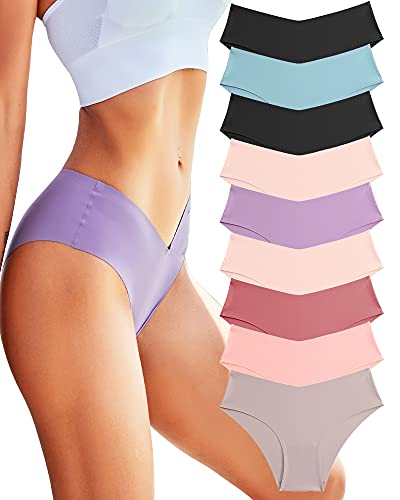
No Show Bikini Panties: [Waist Measurements]: XS = 24 - 25"; S = 26 - 27"; M = 28-29" ; L= 30-32". [Hip Measurements]: XS= 33-34"; S = 35-36" ; M= 37-38" ; L = 39-41".
Finding the Right Fit and Size for a Smooth Silhouette
The reader should move from selecting low‑visibility styles to focusing on fit and measurements, because correct sizing prevents lines and discomfort. Why measurements matter: Hip measurement importance is central, measure hips at widest point, measure waist snugly, take measurements twice for consistency. How to use size charts: size chart tips include comparing both hip and waist numbers to brand ranges, choose the larger size when between sizes to avoid digging. Fit guidelines: aim for snug but not constricting underwear, avoid bulky seams or tight elastics, consider mid‑rise or full coverage for stable placement. Practical checks: test movement, look for fabric roll or indentations, remeasure periodically as body shapes change. Carry measurements when shopping online, consult brand guides, and prioritize comfort over vanity and durability. Consider choosing styles with a cotton gusset for added breathability and moisture control.
Recommended Products
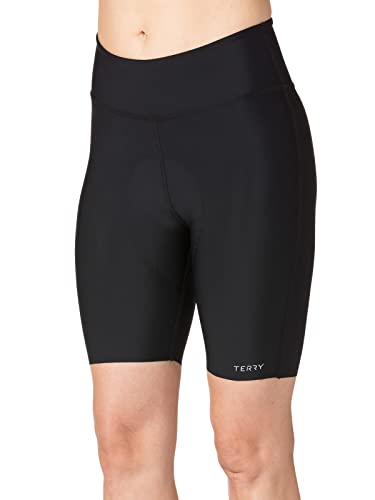
DESIGN: Simply constructed without leg bands, eliminating the bulge, pinch, and sausage effect. Seamless integration of silicone against lower thigh so shorts won't ride up.

ABOUT THIS PRODUCT: Built to fit, flex, and follow you like a shadow, our Women's Intraknit Thermal Merino Base Layer Bottom uses our innovative 3D knitting technology to create our most insulated, ventilated, and flexible base layer bottoms ever. These women's wool pants feature Merino Sport yarn to offer the power of Merino paired with the durability and fast dry times of polyester — perfect for skiing, running, and all your high-intensity training.

COMPLETE 3-PIECE BUNDLE: Includes 2 Saalt Comfort CloudShort period panties + 1 Hanky Panky Soft Lace Boyshort featuring Saalt-powered leakproof gusset technology. Designed for period flow, daily wear, or backup protection to a cup, disc, or tampon.
Shapewear, Layers, and Alternative Solutions
Because high-quality underlayers shape and smooth, the reader should focus on fit, fabric, and layering to reduce panty lines effectively.
Shapewear benefits
- Choose seamless bodysuits or shaping shorts made from premium fabrics, they minimize lines and smooth bulges under garments.
- Select medium- or low-compression pieces for comfort and fewer visible seams, high compression gives stronger shaping but may show lines.
Layering options
- Wear tights or a fitted slip under dresses, this evens surfaces and prevents sharply visible panty seams.
- Double layers like a slip under a bodycon add coverage without bulk.
Alternatives
– Consider laser-cut seamless panties, thongs, or shaping boyshorts, they reduce lines while offering different coverage levels.
The reader should test pieces with outfits, to confirm fit and avoid unexpected lines before wearing out. Also consider breathable materials like moisture-wicking fabric for all-day freshness.
Recommended Products

The closed-back Powerskin Carbon Glide combines arena's revolutionary Carbon Fiber technology with new lightweight fabrics to create the ultimate World Aquatics (FINA) approved racing suit for women

LUXURIOUS COMFORT: Made with Wolford's premium blend of materials, the Colorado String Body offers a soft, luxurious feel against your skin, ensuring superior comfort all day long.

LUXURIOUS COMFORT: Made with Wolford's premium blend of materials, the Colorado String Body offers a soft, luxurious feel against your skin, ensuring superior comfort all day long.
Clothing Styles and Fabric Choices That Camouflage Lines
To minimize visible panty lines, the reader should choose fabrics and silhouettes that reduce cling, contrast, and edge definition under garments.
Quick guidance:
- Thicker, textured fabrics like denim, tweed, corduroy, or lined garments hide lines, they prevent cling and reduce edge definition under tight clothing.
- Dark colors and heavier weight materials lower contrast, they work well with nude or matching underwear to avoid visible outlines.
- Use fabric combinations such as layered slips or structured outer fabrics over smooth underwear to smooth silhouettes.
- Choose busy prints and pattern distractions to break up seams and outlines, pleats or ruching help disguise lines.
- Prefer seamless, microfiber or elastane blends in underwear, they lay flat and pair well with fitted styles.
The reader should test combinations outdoors often.
For extended wear and outdoor use, opt for underwear made from moisture-wicking fabrics to stay dry and reduce friction.
Care and Construction Tips for Less-Visible Underwear
If the reader selects underwear made from engineered, raw-cut fabrics with flat seams and 4‑way stretch, visible panty lines can be greatly reduced under fitted clothing. Construction guidance: choose smooth microfiber, nylon-spandex blends, or laser-cut silk alternatives, prioritize thin, low-profile construction materials to avoid ridges. Fit and wear: guarantee snug but nonbinding sizing, replace garments that lose shape, avoid thick trims that create creases. Care: follow a consistent maintenance routine; wash gently in cool water, avoid high-heat drying, store flat to prevent wrinkles. Design choices: favor seamless, raw-edge styles, minimal lace trims, and knit-in crotches for stability. These steps reduce digging, rolling, and fabric bunching, improving invisibility under tight garments without sacrificing comfort. Regular inspection and timely replacement extend performance and preserve appearance effectively. Additionally, many modern designs feature laser-cut edges that provide a smooth silhouette but often require gentle care to preserve their shape.
Quick Fixes and Emergency Solutions for Panty Lines
Although a wardrobe change isn’t always possible, quick fixes exist that remove or hide panty lines in minutes, preserving a smooth silhouette for important events.
Immediate fixes
- Switch to seamless or thong styles, they eliminate visible edges quickly.
- Apply anti-static spray or lotion to reduce cling and flatten lines.
- Use adhesive or stick-on panties for dresses with slits or thin fabrics.
Temporary layering
- Add nude tights, slips, or biker shorts under tight garments to smooth contours.
- Choose nude-tone underwear to avoid contrast under light fabrics.
Practical tips
- Carry hidden adhesive pieces, seamless briefs, and a small spray, for emergency adjustments.
- Consider styling considerations like textured fabrics or patterns to distract from lines.
- Prefer correct sizing to prevent digging or bunching in seams, and comfort.
Consider fabrics with moisture-wicking fabrics to help reduce sweat and cling in hot conditions.
Recommended Products

SEAMLESS FOUNDATION SLIP: Designed to serve as an invisible foundation underlayer beneath wedding dresses, strapless gowns, maxi dresses, and formal wear.

【PATENTED BALL SUPPORT DESIGN】This decent mens boxer briefs features an extra mesh panel as ball protectors and holders inside pouch, provide nice support for balls and really keep scrotum and testicles in place.This extra lightweight soft built-in mesh pouch design of this support underwear for men is breathable and skin-friendly to prevent the growth of odor

FLAWLESS FOUNDATION: This mini cami slip disappears under clothing, providing a smooth foundation for your favorite dresses without adding bulk or creating lines. Machine washable for easy care.
Frequently Asked Questions
Can Panty Lines Cause Skin Irritation or Infections?
Yes, panty lines can cause skin irritation and increase infection risk; panty discomfort, friction, moisture, and poor hygiene practices contribute to allergies, yeast or fungal overgrowth, and mechanical sores, requiring breathable fabrics and proper care.
How Often Should I Replace Underwear to Prevent Visible Lines?
Replace regularly, replace when worn: they should retire underwear every 6–12 months for underwear lifespan, with ideal replacement sooner if elastic sags, fabric thins, visible lines appear, or hygiene demands more frequent changes than usual.
How Can I Choose Invisible Underwear When Shopping Online Without Trying Them On?
One chooses invisible underwear by consulting the brand’s size guide, reading fabric type details carefully, checking seamless construction and reviews for fit, ordering multi-packs or one size up when in-between, and preferring stretchy, microfiber blends.
Are Eco-Friendly Fabrics Effective at Hiding Panty Lines?
Yes, many sustainable fabric options effectively minimize panty lines: TENCEL™, bamboo, and fine organic cotton blends offer smooth drape, moisture management and stretch. Their eco friendly performance reduces cling, bunching, and visible seams under clothing.
Do Body Hair or Tattoos Affect Panty Line Appearance?
Like a seam traced over sand, they cause subtle changes; body hair slightly alters fabric lie, and tattoo placement may interact with elastic or seams, but both play minor roles compared to fit and fabric.


